Are you ready to get the most out of your rotary tool without risking injury? Whether you’re a beginner or have some experience, knowing how to operate your rotary tool safely is crucial.
One small mistake can lead to costly damage or even harm to yourself. You’ll discover simple, effective tips that keep you protected while making your projects easier and more enjoyable. Keep reading to learn how to work smart, stay safe, and get the best results every time you pick up your rotary tool.

Credit: alisapremiercruises.com
Choosing The Right Rotary Tool
Choosing the right rotary tool is important for safe and effective work. You must consider what tasks you will perform.
Picking a tool that fits your needs helps avoid accidents and improves your results.
Selecting Suitable Attachments
Use attachments that match the job and your rotary tool model. Wrong attachments can cause damage or injury.
- Choose grinding stones for sharpening and shaping
- Use sanding drums for smoothing surfaces
- Select cutting wheels for slicing materials
- Pick polishing pads for finishing and shining
- Check that attachments fit your tool’s speed limits
Checking Tool Specifications
| Specification | What to Check | Why It Matters |
|---|---|---|
| Power (Watts) | Match power to the task size | Higher power handles tougher jobs |
| Speed (RPM) | Ensure speed suits attachments | Wrong speed can break parts or cause injury |
| Voltage | Use correct voltage for your area | Prevents electrical hazards |
| Weight | Choose comfortable weight for control | Reduces fatigue and improves safety |
Preparing Your Workspace
Getting your workspace ready is key to using a rotary tool safely. A well-prepared area helps you work better and avoid accidents.
Focus on lighting and cleanliness before you start. These basics make your tasks easier and safer.
Ensuring Proper Lighting
Good lighting helps you see your work clearly. It reduces mistakes and eye strain.
- Use a bright, adjustable lamp close to your workspace.
- Avoid shadows by positioning lights from different angles.
- Natural light is best, but add lamps if it is dim.
- Keep bulbs clean and replace them when dim.
Maintaining A Clean Area
A clean workspace stops tools from slipping and reduces fire risks. Remove clutter before you start.
| Cleaning Task | Why It Matters |
| Clear dust and debris | Prevents tool jams and improves visibility |
| Organize tools | Easier to find and safer to handle |
| Wipe spills immediately | Stops slips and electrical hazards |
| Keep cords untangled | Reduces tripping and damage to wires |
Personal Protective Equipment
Using a rotary tool can be safe if you wear the right protective gear. Personal protective equipment helps stop injuries and keeps you safe.
Always wear the correct equipment before starting your work. It protects your eyes, hands, and lungs from harm.
Eye And Face Protection
Rotary tools can send small bits flying fast. These bits may hurt your eyes or face if you are not protected.
Wear safety goggles or a full face shield to keep your eyes safe. Make sure they fit well and do not fog up.
- Use goggles with side shields for full eye coverage
- Face shields protect your whole face from dust and debris
- Check your protection gear for cracks or damage before use
- Clean your eye protection after each use to keep it clear
Hand And Respiratory Safety
Your hands can get hurt by sharp bits or the tool itself. Wear gloves that fit well but do not get caught in the tool.
Dust and fumes from your work can harm your lungs. Use a dust mask or respirator to breathe safely.
- Wear sturdy gloves that protect but allow good grip
- Choose gloves without loose parts that can catch in the tool
- Use a dust mask rated for fine particles
- Respirators offer better protection if you work with chemicals
- Work in a well-ventilated area to reduce dust buildup
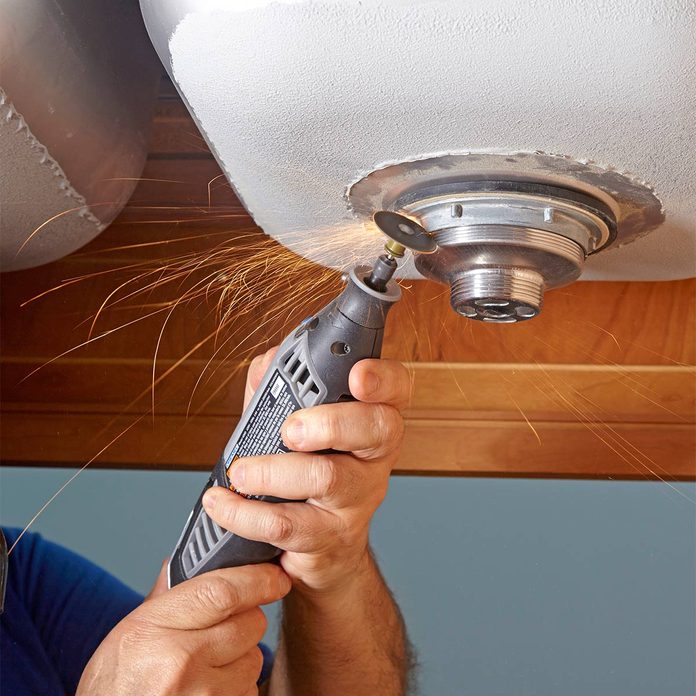
Credit: www.familyhandyman.com
Safe Handling Techniques
Using a rotary tool safely helps you avoid accidents and injuries. Proper handling keeps you in control during your work.
Focus on grip, posture, speed, and pressure for the best results. These factors reduce tool kickback and slipping.
Correct Grip And Posture
Hold the rotary tool firmly but not too tight. A relaxed grip lowers hand fatigue and improves control.
- Hold the tool close to the bit or attachment.
- Keep your wrist straight and steady.
- Use both hands if needed for better balance.
- Stand or sit with your back straight and feet flat.
- Position your workpiece securely to prevent movement.
Controlling Speed And Pressure
Adjust the tool speed based on the material you work on. High speed suits soft materials; lower speed fits harder ones.
| Material | Recommended Speed | Pressure |
| Wood | Medium to High | Light to Medium |
| Metal | Low to Medium | Light to Medium |
| Plastic | Low to Medium | Light |
| Glass | Low | Very Light |
Apply steady, gentle pressure. Pressing too hard can cause the tool to slip or the bit to break.
Regular Maintenance Tips
Keeping your rotary tool in good shape helps it last longer. Regular maintenance ensures safety and better performance.
Follow simple cleaning and inspection steps to avoid damage and accidents.
Cleaning And Lubrication
Cleaning removes dust and debris that can harm your tool. Lubrication reduces friction and wear on moving parts.
- Unplug the tool before cleaning.
- Use a soft brush to clear dust from vents and surfaces.
- Wipe the tool with a dry cloth after use.
- Apply manufacturer-recommended oil to moving parts regularly.
- Avoid using water or harsh chemicals on the tool.
Inspecting For Wear And Damage
Check your rotary tool often for worn or damaged parts. Catching problems early prevents accidents and tool failure.
| Part | What to Look For | Action Needed |
| Power Cord | Cracks or frays | Replace immediately |
| Collet and Chuck | Worn or loose grip | Tighten or replace |
| Rotating Bits | Chips or dull edges | Sharpen or replace |
| Housing | Cracks or damage | Stop use and repair |
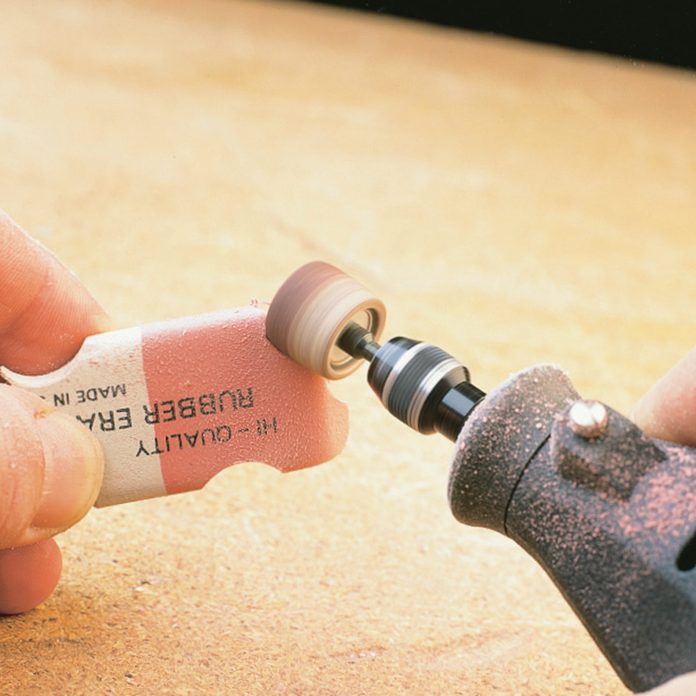
Credit: www.familyhandyman.com
Avoiding Common Hazards
Using a rotary tool can be safe if you avoid usual dangers. Knowing these hazards helps keep you safe.
This guide covers how to stop kickbacks and manage tool overheating. Both can cause injury or damage.
Preventing Kickbacks
Kickbacks happen when the tool suddenly jerks back. This can hurt your hands or arms. Avoiding kickbacks keeps your work smooth and safe.
- Hold the tool firmly with both hands.
- Do not force the tool into the material.
- Keep the tool’s speed steady and correct.
- Use the right attachment for your task.
- Check the tool for damage before use.
- Wear safety goggles and gloves.
Managing Overheating
Rotary tools can get hot if used too long. Overheating can break the tool or cause burns. Managing heat helps tools last longer.
| Cause | Prevention |
| Continuous use without breaks | Take short breaks every 10 minutes |
| Wrong speed setting | Use recommended speed for material |
| Dull or damaged attachments | Replace worn attachments regularly |
| Poor ventilation | Work in open, cool spaces |
Emergency Procedures
Knowing what to do during an emergency with a rotary tool keeps you safe. Quick action can prevent injuries and damage.
Always prepare yourself by learning how to handle tool malfunctions and applying first aid if needed.
Handling Tool Malfunctions
If your rotary tool stops working or acts strangely, turn it off immediately. Unplug the tool to avoid electric shock or further damage.
- Stop using the tool at once.
- Unplug the power cord before inspecting.
- Check for loose parts or damage.
- Do not try to fix it unless you are trained.
- Contact a professional repair service if needed.
First Aid Measures
In case of injury, act quickly but calmly. Use these first aid tips to treat common wounds from rotary tools.
| Injury Type | First Aid Steps |
| Minor cuts | Clean with water, apply antiseptic, cover with a sterile bandage. |
| Burns | Cool with running water for 10 minutes, cover with a clean cloth, seek medical help if severe. |
| Eye injury | Rinse eyes with clean water, avoid rubbing, get medical attention immediately. |
| Electric shock | Disconnect power, do not touch the person if still in contact, call emergency services. |
Frequently Asked Questions
How Can I Protect My Eyes When Using A Rotary Tool?
Always wear safety goggles to shield your eyes from dust and debris. Choose impact-resistant eyewear for maximum protection during operation.
What Safety Gear Is Essential For Rotary Tool Use?
Wear safety goggles, dust masks, and gloves. These protect your eyes, lungs, and hands from hazards like dust, sparks, and sharp bits.
How Do I Prevent Rotary Tool Accidents?
Keep a firm grip, work in a well-lit area, and avoid loose clothing. Follow the manufacturer’s instructions carefully to reduce risks.
What Is The Best Way To Maintain A Rotary Tool?
Regularly clean the tool, check attachments for wear, and store it in a dry place. Proper maintenance ensures safety and extends tool life.
Conclusion
Operating a rotary tool safely protects you from injuries. Always wear safety gear like goggles and gloves. Keep your workspace clean and well-lit. Use the right attachments for each task. Hold the tool firmly but don’t force it. Take breaks to avoid fatigue.
Follow these tips to work confidently and safely every time. Stay alert, stay safe.