Are you looking to master the art of operating a table saw with ease and precision? Whether you’re a DIY enthusiast or a professional woodworker, handling this powerful tool efficiently can make all the difference in your projects.
Imagine crafting your next masterpiece with seamless cuts, minimal waste, and maximum safety. You don’t have to be a seasoned pro to achieve perfect results—just a few smart strategies can elevate your skills significantly. Dive into our top tips for using a table saw effectively, and discover how these simple yet powerful techniques can transform your woodworking experience.
Ready to unlock the full potential of your table saw? Let’s get started!

Credit: www.popularmechanics.com
Choosing The Right Table Saw
Picking the right table saw helps you work safely and efficiently. Different saws fit different jobs and skill levels.
Learn about types, blade options, and must-have accessories to get started on the right foot.
Types Of Table Saws
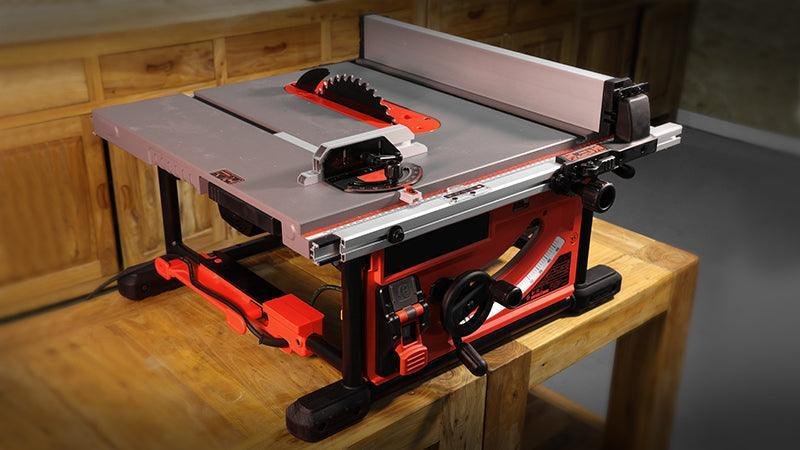
There are three main types of table saws. Each one offers unique benefits for your workshop.
- Portable Table Saws:Small and light, easy to move around.
- Contractor Table Saws:More power and larger tables for bigger cuts.
- Cabinet Table Saws:Heavy and stable, best for professional woodworking.
Blade Selection
Choosing the right blade helps you cut cleanly and safely. Blades differ in size, teeth count, and material.
| Blade Type | Use | Teeth Count |
| Rip Blade | Cut wood along the grain | 24 |
| Crosscut Blade | Cut wood across the grain | 60-80 |
| Combination Blade | Good for both rip and crosscut | 40-50 |
| Fine Finish Blade | Very smooth cuts for finish work | 80+ |
Essential Accessories
Accessories improve safety and accuracy. Some are necessary for all saw owners.
- Push sticks to keep hands away from the blade
- Blade guards to reduce injury risk
- Rip fences for straight, consistent cuts
- Miter gauges for angled cuts
- Dust collection systems to keep your work area clean
Setting Up Your Workspace
Creating an efficient workspace is key to safe and accurate table saw use. A well-organized area helps you focus on your cuts.
Proper setup reduces distractions and makes your work faster. Let’s look at some important setup tips.
Optimal Placement
Place your table saw where you have enough room to move large materials easily. Avoid cramped corners or cluttered spaces.
Make sure you have clear paths on both sides of the saw. This space helps you support long boards safely while cutting.
- Keep the saw near power outlets to avoid long extension cords.
- Set the saw on a stable, level surface to prevent wobbling.
- Leave at least three feet of clear space around the saw.
- Arrange work tables nearby for easy material handling.
Lighting And Visibility
Good lighting is essential for precise cuts and safety. Bright, even light lets you see markings and blade position clearly.
Natural light is best, but if you lack windows, use bright overhead lights and task lamps aimed at the cutting area.
| Lighting Type | Benefits |
| Natural Light | Reduces eye strain, shows true colors |
| Overhead LED Lights | Bright, energy-efficient, even coverage |
| Task Lamps | Focuses light where you need it most |
Dust Collection
Collecting sawdust keeps your work area clean and your air safe to breathe. Dust can block your view or cause slips.
- Use a dust collection system connected to your table saw.
- Wear a dust mask if collection is not perfect.
- Clean sawdust regularly from floors and surfaces.
- Keep the collection bag or container emptied often.
Safety First
Operating a table saw can be dangerous without the right precautions. Safety should always be your top priority. This guide covers key safety practices to keep you protected.
Use the right gear, maintain safety features, and handle the saw carefully. These tips help reduce accidents and improve your work quality.
Personal Protective Equipment
Wear the correct protective gear every time you use a table saw. This helps shield your eyes, ears, and hands from injury.
- Safety glasses or goggles protect your eyes from flying debris.
- Hearing protection reduces noise damage to your ears.
- Close-fitting gloves improve grip but avoid loose gloves that can catch on the blade.
- Wear a dust mask to avoid breathing sawdust.
- Wear sturdy, closed-toe shoes to protect your feet.
Blade Guards And Safety Features
Use all built-in safety features on your table saw. They help prevent accidental contact with the blade.
| Safety Feature | Purpose |
|---|---|
| Blade Guard | Covers the blade to keep fingers safe. |
| Riving Knife | Prevents wood from pinching the blade and causing kickback. |
| Anti-Kickback Pawls | Stop the wood from being thrown back towards you. |
| Emergency Stop Button | Allows you to quickly turn off the saw if needed. |
Safe Handling Techniques
Handle the table saw carefully to avoid accidents. Follow these safe work habits every time you cut wood.
- Always keep your hands away from the blade path.
- Use push sticks to guide small or narrow pieces of wood.
- Stand to the side of the blade, not directly behind it.
- Make sure the wood is flat and stable before cutting.
- Turn off the saw and wait for the blade to stop before removing scrap pieces.
Preparing The Material
Preparing your material carefully before using a table saw helps you work safely and get better results. This process involves measuring, marking, securing, and checking your wood or other materials.
Taking time to prepare can prevent mistakes and damage to your workpiece or saw.
Measuring And Marking
Accurate measuring and marking ensure precise cuts. Use a tape measure and pencil to mark your material clearly.
- Measure twice to avoid errors
- Mark the cut line with a sharp pencil
- Use a square tool to draw straight lines
- Consider the blade width when marking
Securing The Workpiece
Keep your material steady to make safe, clean cuts. Use clamps or a jig to hold the workpiece firmly.
| Method | Description |
| Clamps | Hold the material tight on the workbench |
| Push Stick | Guide small pieces safely through the blade |
| Fence | Keep long boards straight during cutting |
| Jigs | Help hold irregular shapes steady |
Checking For Defects
Inspect your material before cutting to avoid accidents and poor cuts. Look for cracks, knots, or nails.
- Check for splits or cracks that weaken the wood
- Remove nails, screws, or metal pieces
- Look for warping or twisting that affects cutting
- Discard damaged sections if possible
Cutting Techniques For Speed
Using a table saw efficiently means working both fast and safe. Good cutting techniques help you finish projects quicker without mistakes.
Follow these tips to improve your speed with the saw while keeping control and accuracy.
Proper Stance And Grip
Stand with your feet shoulder-width apart for balance. Keep your body relaxed but steady. Hold the wood firmly but not too tight. This grip lets you guide the wood smoothly through the blade.
- Place one foot slightly forward
- Keep knees slightly bent
- Use both hands to control the wood
- Keep your arms relaxed to avoid fatigue
Push Sticks And Featherboards
Push sticks keep your hands safe and help push wood evenly past the blade. Featherboards hold wood tight against the fence to prevent kickback and increase control.
| Tool | Purpose | Benefit |
| Push Stick | Push wood safely | Prevents hand injury |
| Featherboard | Hold wood tight | Improves cut accuracy |
Maintaining Consistent Feed Rate
Feed the wood into the blade at a steady speed. Too fast can cause rough cuts or damage. Too slow wastes time and can burn the wood.
Keep these tips in mind for a smooth feed rate:
- Start the cut with steady pressure
- Watch the blade and wood closely
- Adjust your speed if the saw slows down
- Use push sticks to guide the wood evenly

Credit: www.familyhandyman.com
Maintaining Your Table Saw
Keeping your table saw in good shape helps it work better and last longer. Regular maintenance also keeps your work safe and precise.
Simple care steps can stop many problems before they start. This guide covers cleaning, blade care, and proper lubrication and calibration.
Regular Cleaning
Clean your table saw after every use. Dust and debris can build up and cause issues.
Remove sawdust from the table surface, blade area, and motor vents. Use a brush or compressed air for hard-to-reach spots.
- Unplug the saw before cleaning
- Use a soft brush or cloth
- Clear dust from moving parts
- Check for rust or damage
Blade Sharpening And Replacement
A sharp blade cuts cleanly and safely. Dull blades make rough cuts and can cause kickback.
Sharpen blades regularly or replace them if damaged. Check blade teeth for chips or bends before each use.
- Inspect blade edges for dullness
- Use a professional sharpening service if needed
- Replace blades that are cracked or bent
- Match blade type to the wood or material
Lubrication And Calibration
Lubricate moving parts to keep the saw running smoothly. Proper calibration ensures accurate cuts.
Apply lubricant to the gears, trunnions, and adjustment screws. Check the blade alignment and fence position often.
- Use dry lubricants to avoid attracting dust
- Adjust the blade angle and height as needed
- Align the rip fence parallel to the blade
- Test cuts to confirm calibration
Troubleshooting Common Issues
Operating a table saw smoothly requires knowing how to fix common problems. This guide covers key issues you might face.
Read these tips to keep your table saw working safely and accurately every time you use it.
Blade Drift
Blade drift happens when the saw blade moves to one side while cutting. It causes angled cuts and can spoil your work.
- Check if the fence is parallel to the blade. Adjust it if needed.
- Ensure the blade is sharp and clean to cut straight.
- Use the correct blade for the material you are cutting.
- Feed the wood at a steady speed to avoid pushing the blade off track.
Motor Overheating
A hot motor can stop your saw and damage its parts. Watch for signs like burning smells or the motor slowing down.
| Cause | Fix |
| Dust build-up inside motor | Clean motor vents and housing regularly |
| Overloading the saw | Cut smaller pieces or reduce feed speed |
| Faulty motor brushes | Inspect and replace worn brushes |
| Blocked air vents | Clear any obstructions around the saw |
Inaccurate Cuts
Inaccurate cuts ruin projects and waste materials. Fix this by checking your setup and technique.
Try these tips to improve cut accuracy:
- Verify the blade is square to the table using a carpenter’s square.
- Make sure the fence is locked firmly in place.
- Use a push stick to guide the wood steadily.
- Measure twice and cut once to avoid mistakes.

Credit: www.reddit.com
Frequently Asked Questions
How Do I Choose The Right Blade For A Table Saw?
Choosing the right blade depends on the material and cut type. Use a fine-tooth blade for smooth cuts and a coarse-tooth blade for faster, rough cuts. Always match the blade size to your saw’s specifications to ensure safety and efficiency.
What Safety Gear Is Essential When Using A Table Saw?
Always wear safety glasses, ear protection, and a dust mask. Avoid loose clothing and tie back long hair. Use push sticks to keep hands away from the blade. Proper safety gear prevents injuries and enhances focus during operation.
How Can I Maintain My Table Saw For Optimal Performance?
Regularly clean sawdust and debris from the table and motor. Lubricate moving parts as recommended by the manufacturer. Check blade alignment and tighten all bolts. Proper maintenance ensures accurate cuts and prolongs the saw’s lifespan.
What Techniques Improve Cutting Accuracy On A Table Saw?
Use a fence guide for straight cuts and a miter gauge for angled cuts. Measure twice and adjust settings carefully. Feed the material steadily without forcing it. These techniques increase precision and reduce material waste.
Conclusion
Operating a table saw safely and efficiently takes practice. Always check the blade and settings before you start. Keep your hands clear of the blade at all times. Use push sticks to guide small pieces. Stay focused and avoid distractions while working.
Regular cleaning helps the saw run smoothly. Follow these tips to work faster and safer. Enjoy your woodworking with confidence and care.