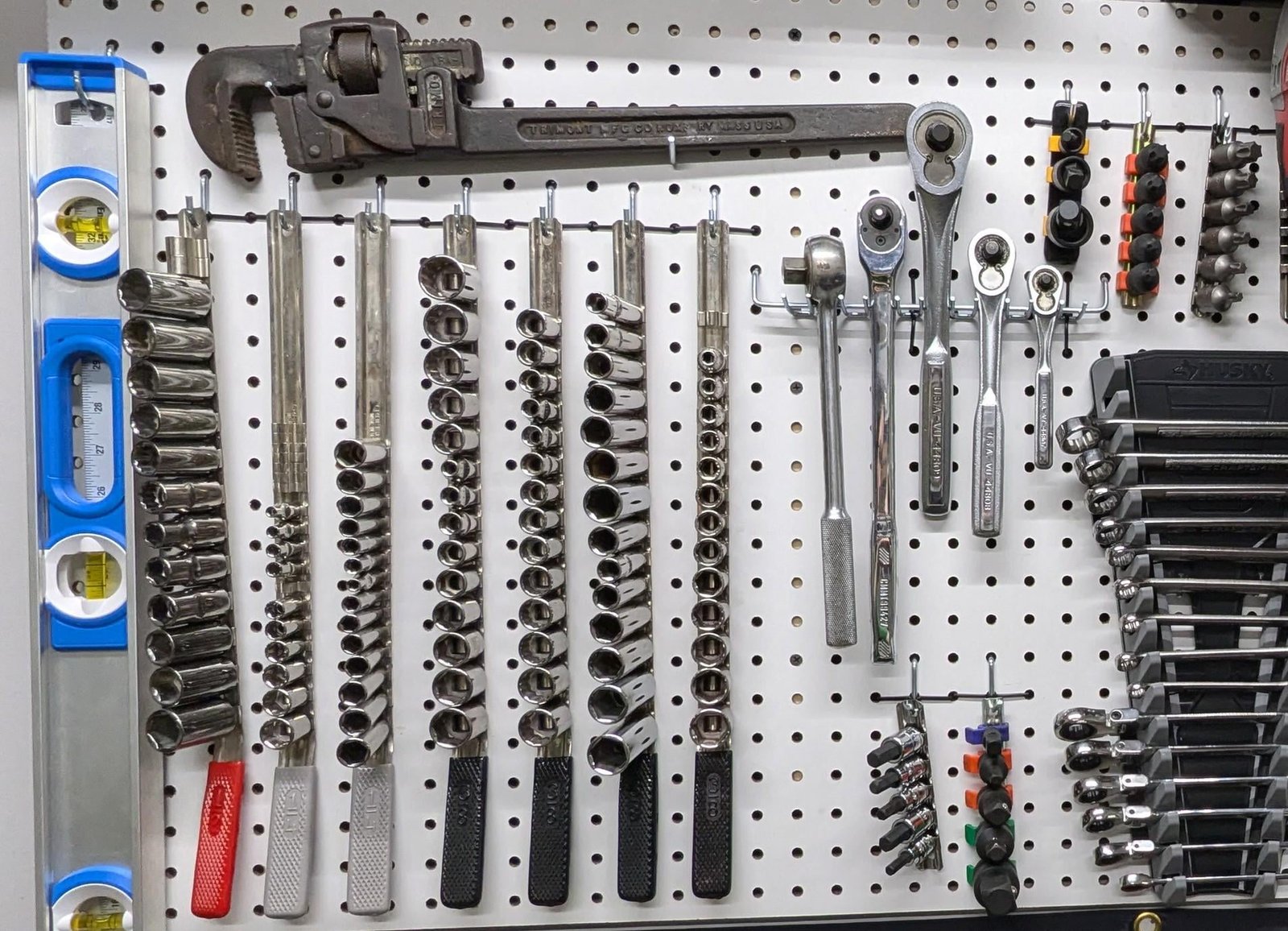
Are you tired of wasting time searching for the right socket size? Imagine never having to rummage through a disorganized pile of sockets again.
Organizing your socket sets not only saves you precious minutes but also reduces stress and increases your efficiency. A well-organized toolbox can be your best ally in tackling any project with confidence. You’ll discover simple yet powerful tips that will transform your chaotic collection into a neatly arranged masterpiece.
Get ready to unlock the secrets to a more streamlined and satisfying DIY or professional experience. Keep reading, and take the first step towards a clutter-free, organized workspace today!

Credit: www.reddit.com
Choosing The Right Socket Set
Organizing your socket sets starts with picking the right one. A good socket set fits your tools and projects well. It saves time and keeps your workspace tidy.
This guide helps you choose the best socket set by looking at types, materials, and sizes.
Types Of Socket Sets
There are several types of socket sets. Each type works best for different tasks. Knowing them helps you pick the right set.
- Standard socket sets: For most home and car repairs.
- Deep socket sets: Reach nuts on long bolts or recessed fasteners.
- Impact socket sets: Made for heavy-duty work with power tools.
- Metric socket sets: Measure in millimeters for precise fitting.
- SAE socket sets: Use inches, common in the US for older tools.
Materials And Durability
Socket sets come in different materials. The material affects strength and how long the set lasts.
| Material | Durability | Common Use |
|---|---|---|
| Chrome Vanadium Steel | High | General purpose, resists rust |
| Chrome Molybdenum Steel | Very High | Impact sockets, heavy tasks |
| Carbon Steel | Medium | Budget sets, light use |
| Stainless Steel | High | Corrosion resistance, specialty sets |
Size And Range Considerations
Choose a socket set with the right sizes for your needs. Sets with more sizes give you more options.
- Check if the set covers both small and large fasteners.
- Look for sets that include both metric and SAE sizes if you work with many tools.
- Consider how the sizes are organized for easy access.
- Ensure the set includes common sizes you use often.
Credit: www.foamfittools.com
Sorting And Categorizing Sockets
Keeping your socket sets organized helps you find the right tool fast. Sorting sockets properly saves time and effort.
Organize sockets into clear groups. This makes your workspace neat and efficient.
By Size
Sorting sockets by size is the most basic way to organize them. It helps you pick the right socket without guessing.
Group sockets from smallest to largest. This order keeps your set simple to use.
- Arrange sockets in millimeters or inches
- Use labeled trays or holders for each size
- Keep metric and standard sizes separate
By Drive Type
Drive type means the socket’s connection size to the wrench. Common types include 1/4”, 3/8”, and 1/2” drives.
Sort sockets by drive type to match your ratchets easily. This prevents mixing up tools that do not fit together.
- Keep 1/4”, 3/8”, and 1/2” drives in separate sections
- Label compartments for quick recognition
- Store adapters nearby for drive conversions
By Usage Frequency
Sort sockets by how often you use them. This keeps your most needed tools close at hand.
Place frequently used sockets in easy-to-reach spots. Store rare-use sockets in less accessible areas.
- Keep daily use sockets in front or top trays
- Store specialty sockets separately
- Review and adjust placement regularly
Storage Solutions For Socket Sets
Keeping socket sets organized helps you find the right tool fast. Good storage saves space and protects your sockets.
Many storage options fit different needs and budgets. Choose one that matches your workspace and tool collection.
Toolboxes And Chests
Toolboxes and chests offer sturdy storage for socket sets. They keep tools in one place and easy to carry.
Drawers inside chests help separate sockets by size or type. A toolbox with compartments lets you stay organized.
- Choose a toolbox with adjustable compartments
- Use drawer liners to prevent sockets from sliding
- Label drawers for quick access
- Pick a chest that fits your workspace size
Custom Foam Inserts
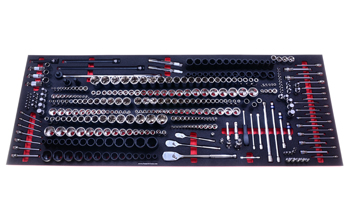
Custom foam inserts keep sockets snug and easy to find. Foam shapes hold each socket in its spot.
Foam inserts reduce noise and prevent sockets from scratching. They fit inside drawers or toolboxes for neat storage.
- Measure sockets before cutting foam
- Use high-density foam for durability
- Cut foam with a sharp knife or hot wire cutter
- Label each slot for fast identification
Magnetic Trays And Holders
Magnetic trays hold sockets securely on metal surfaces. They keep sockets visible and prevent loss during work.
Magnetic holders attach to toolboxes or workbenches. They offer quick access and save drawer space.
- Pick trays with strong magnets for heavy sockets
- Use holders that fit your socket sizes
- Place trays near your work area for convenience
- Clean magnets regularly to keep them effective
Labeling And Identification
Organizing socket sets saves time and reduces frustration. Clear labeling helps you find the right tool quickly.
Good identification methods keep your workspace neat and your tools easy to access.
Label Types And Tools
Choose durable labels that resist oil and dirt. Use permanent markers, printed labels, or engraved tags for best results.
- Write socket sizes clearly on adhesive labels
- Use plastic or metal tags for heavy-duty sets
- Apply labels on both the socket and the storage tray
- Consider transparent tape over paper labels for protection
Color Coding Systems
Color coding helps you identify socket sizes or types at a glance. Use colored stickers, paint, or sleeves to mark groups.
| Color | Socket Type | Size Range |
| Red | Metric | 4mm – 13mm |
| Blue | SAE | 1/4″ – 1/2″ |
| Green | Deep Sockets | Various sizes |
| Yellow | Impact Sockets | Mixed sizes |
Digital Inventory Methods
Track your socket sets with apps or spreadsheets. Digital lists help you check what you have and spot missing tools.
- Create a spreadsheet with socket sizes and types
- Use smartphone apps designed for tool management
- Update the list when you add or remove sockets
- Include photos for easy visual reference
Maintenance And Care
Keeping your socket sets in good shape helps them last longer. Regular care prevents damage and keeps them working well.
Simple habits like cleaning and checking your tools save time and money. This guide shows easy ways to maintain your sockets.
Cleaning Sockets
Remove dirt and grease from sockets after use. Clean sockets work better and fit tools precisely.
Use a soft cloth or brush with mild soap and water. Dry sockets completely before storing them to avoid moisture.
- Wipe sockets after each use
- Use a small brush for hard-to-reach spots
- Avoid harsh chemicals that can damage metal
- Dry sockets thoroughly before storage
Preventing Rust
Rust can ruin your sockets and make them unsafe. Keep sockets dry and protected from moisture to stop rust.
Store sockets in a dry place with low humidity. Use rust inhibitors like oil or special sprays to protect metal surfaces.
- Apply a thin coat of light oil after cleaning
- Use silica gel packs in storage cases
- Keep socket sets away from damp areas
- Check for rust regularly and treat early
Regular Inspections
Check your sockets often for cracks, wear, or damage. Catching problems early keeps your tools safe to use.
Replace worn or damaged sockets to avoid injury or tool failure. Keep your set complete and organized for easy inspection.
- Look for cracks or chips on sockets
- Check if sockets fit snugly on tools
- Inspect storage cases for damage
- Replace any damaged sockets immediately
Maximizing Workspace Efficiency
Organizing your socket sets well helps you work faster and cleaner. A neat workspace saves time and reduces frustration.
Good organization keeps tools easy to find and use. It also helps keep your workbench safe and tidy.
Organizing For Accessibility
Place socket sets where you can reach them quickly. Avoid stacking tools on top of each other.
Sort sockets by size and type. Use labeled trays or holders to keep them visible and easy to grab.
- Group sockets from smallest to largest
- Separate metric and standard sizes
- Keep frequently used sockets at eye level
- Use drawer dividers to avoid mixing tools
Portable Storage Options
Choose portable cases with sturdy handles for easy carrying. Compact cases save space and protect your sockets.
Look for storage that keeps sockets secure during transport. Transparent lids help identify contents without opening.
- Hard plastic cases prevent damage
- Magnetic trays hold sockets firmly
- Stackable boxes save space
- Label each case for quick identification
Optimizing Workbench Layout
Arrange your workbench so sockets and tools are within arm’s reach. Keep the space clear for working.
Use pegboards or wall-mounted racks to free up bench space. Place sockets near related tools like ratchets and wrenches.
- Mount socket holders on walls
- Keep workbench surface clutter-free
- Store less-used sets in drawers
- Keep lighting bright over the workspace
Tips For Long-term Organization
Keeping your socket sets organized helps you work faster and find tools easily. Good habits keep your workspace neat over time.
This guide shares tips to keep your socket sets tidy for years. Follow simple steps to avoid clutter and wasted time.
Routine Organization Habits
Regular habits make organization easier. Put sockets back in their place after use. Clean sockets before storing them.
- Sort sockets by size after each job
- Check for missing sockets weekly
- Use labels to mark socket sizes clearly
- Keep the storage area clean and dust-free
- Store sockets in a dry place to avoid rust
Upgrading Storage Over Time
As your collection grows, consider improving your storage. Larger or modular organizers help fit new sockets. Choose storage with compartments for different socket types.
| Storage Type | Best For | Advantages |
| Plastic Tray | Small sets | Lightweight and affordable |
| Metal Case | Medium sets | Durable and secure |
| Modular Drawer | Large sets | Expandable and organized |
| Wall-mounted Rack | Workshop use | Easy access and space-saving |
Avoiding Common Mistakes
Avoid errors that cause mess and lost tools. Do not mix different socket types in one place. Avoid storing sockets loosely in drawers.
- Do not ignore damaged sockets; remove them promptly
- Do not skip regular cleaning of the storage area
- Do not use incorrect labels that confuse sizes
- Do not store sockets in damp or dusty environments

Credit: www.reddit.com
Frequently Asked Questions
How Do I Organize Socket Sets Efficiently?
Start by sorting sockets by size and type. Use labeled trays or drawer organizers. This method saves time and keeps your workspace tidy.
What’s The Best Storage For Socket Sets?
A sturdy toolbox with compartments is ideal. It protects sockets and makes them easy to find. Portable options work well for mobile use.
How Can I Prevent Losing Socket Pieces?
Always return sockets to their designated spots. Use magnetic trays or foam inserts to hold pieces securely. Regularly check for missing items to avoid loss.
Should I Arrange Socket Sets By Metric Or Imperial Sizes?
Organize sockets by measurement system separately. This prevents confusion and speeds up tool selection. Clearly label each section for quick identification.
Conclusion
Organizing socket sets saves time and reduces frustration. Keep tools in labeled containers or trays. Sort sockets by size and type for quick access. Store sets in a dry place to avoid rust. Regularly check and clean your tools to keep them ready.
Small efforts make your workspace neat and efficient. A tidy area helps you finish tasks faster and easier. Simple steps lead to better tool management and less stress.
