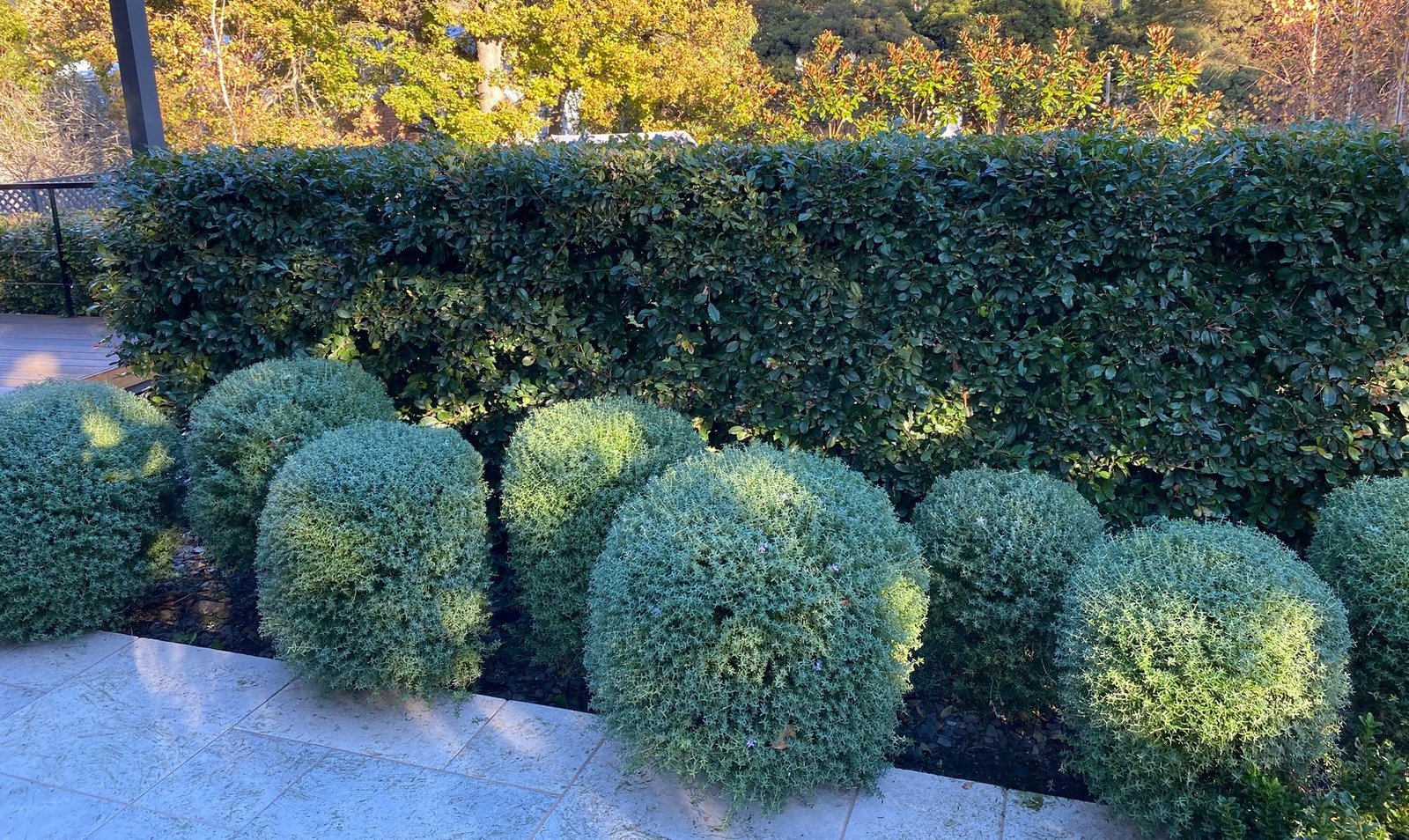
Imagine stepping into your garden and feeling completely at ease, knowing your personal space is perfectly shielded from prying eyes. Pruning hedges for privacy is your secret weapon to create that serene sanctuary.
You might be wondering how a simple task like trimming can transform your outdoor area into a private oasis. The answer lies in mastering a few smart pruning techniques. Not only will these tips enhance your privacy, but they’ll also boost your garden’s health and beauty.
Ready to turn your hedges into a living wall of privacy? Let’s dive into the essential tips that will make your garden both a private retreat and a visual delight.
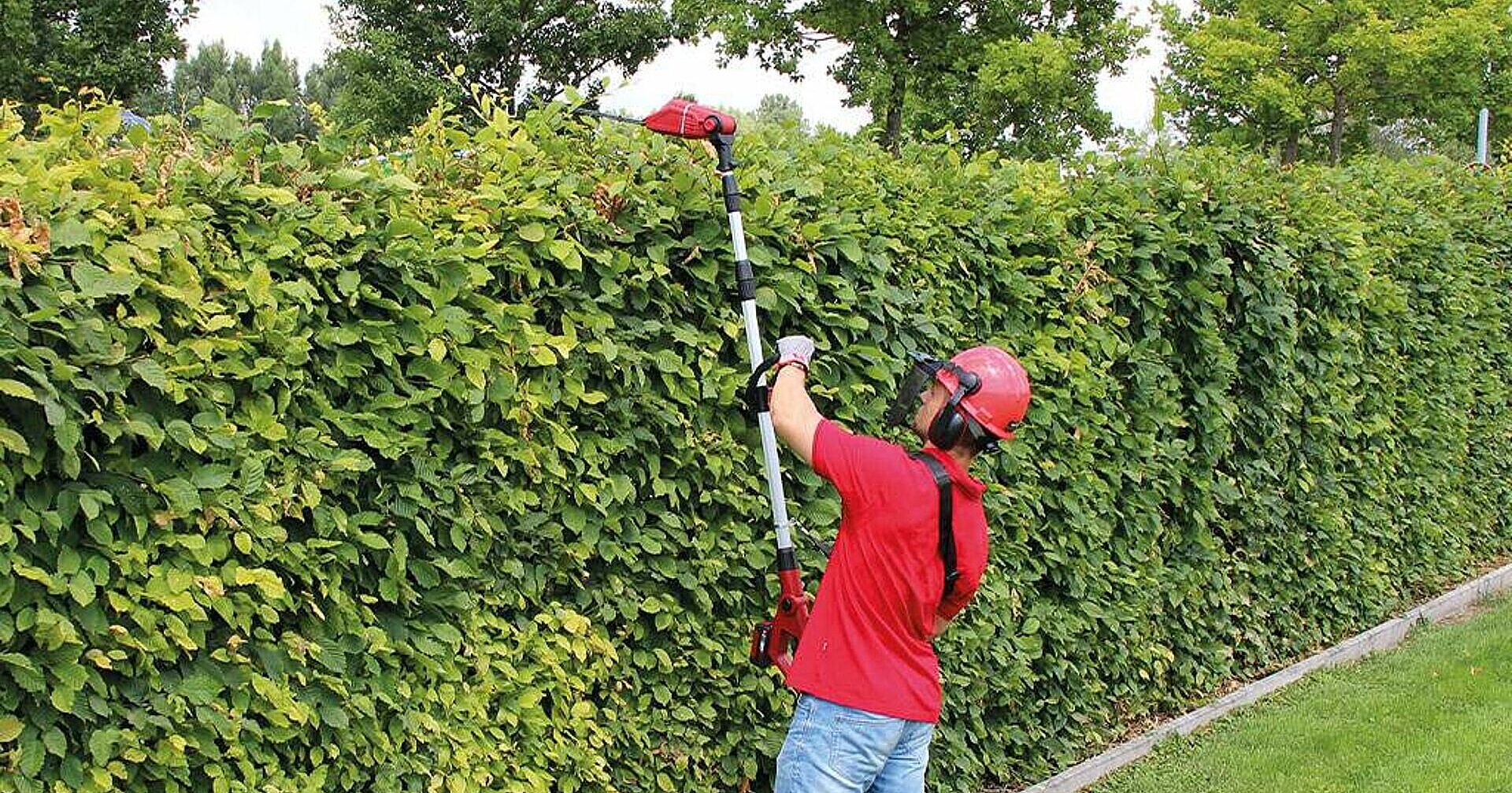
Credit: www.einhell.es
Choosing The Right Tools
Pruning hedges helps create privacy and keeps plants healthy. Using the right tools makes pruning easier and safer.
Select tools that fit your hedge size and thickness. Sharp, clean tools give better cuts and prevent damage.
Essential Pruning Equipment
Choose tools based on the hedge type and your pruning needs. Common tools include hand pruners, loppers, and hedge shears.
- Hand pruners:Best for small branches up to ¾ inch thick.
- Loppers:Ideal for medium branches between ¾ and 1½ inches.
- Hedge shears:Used for shaping and trimming thin branches and leaves.
- Pruning saws:Needed for thick branches over 1½ inches.
Maintaining Sharp Blades
Sharp blades make clean cuts that heal faster. Dull blades can damage plants and make pruning harder.
| Maintenance Task | Frequency | Purpose |
|---|---|---|
| Clean blades with soapy water | After each use | Remove sap and dirt |
| Sharpen blades | Monthly or as needed | Keep edges sharp |
| Oil moving parts | Every few uses | Prevent rust and ease movement |
| Store tools in dry place | Always | Protect from moisture damage |

Credit: webbgardenpower.co.uk
Best Time To Prune
Pruning hedges helps keep them healthy and private. Choosing the right time is key. Proper timing protects the plants and improves growth.
Understanding seasonal changes and plant stress periods guides the best pruning schedule. This helps your hedges thrive while giving you privacy.
Seasonal Considerations
Spring and early summer are usually good for pruning. Plants grow fast then, so they recover quickly from cuts. Avoid late fall pruning, as cold weather can harm new growth.
- Prune after the last frost in spring
- Trim lightly in summer to shape hedges
- Avoid heavy pruning in fall and winter
Avoiding Stress Periods
Hedges need time to rest and grow. Pruning during stress periods weakens plants. Avoid pruning during drought, extreme heat, or heavy rain.
| Stress Period | Why Avoid |
| Drought | Plants lack water to heal wounds |
| Extreme Heat | Heat causes extra stress on trimmed plants |
| Heavy Rain | Wet conditions increase disease risk |
Pruning Techniques For Dense Growth
Pruning hedges helps create thick, dense plants that block views well. Proper cuts make the hedge grow fuller and healthier.
Using the right pruning techniques keeps hedges strong and private. It also stops weak branches from taking over.
Shaping For Privacy
Trim the hedge to keep a solid shape that blocks sight lines. Cut evenly on all sides to form a uniform wall of leaves.
Shape the top narrower than the base. This lets sunlight reach lower branches for better growth.
- Use sharp shears for clean cuts
- Trim new shoots regularly
- Keep the sides straight and smooth
- Shape the hedge slightly tapered
Encouraging Healthy Branches
Remove dead or weak branches to help strong ones grow well. Cut branches at their base or just above a healthy bud.
Thin out crowded areas to improve air flow. This stops disease and keeps the hedge healthy.
- Cut old branches to encourage new shoots
- Prune in early spring or late summer
- Remove crossing branches that rub together
- Keep the center of the hedge open
Common Mistakes To Avoid
Pruning hedges helps keep your garden private and neat. Many people make mistakes that hurt their plants.
Knowing what to avoid will keep your hedges healthy and full. This guide points out common errors.
Over-pruning Risks
Cutting too much of the hedge can cause damage. Over-pruning stops growth and leaves bare spots.
Removing too many leaves reduces the plant’s food-making ability. This weakens the hedge over time.
- Hedges lose their shape and fullness
- Plants get stressed and become sick
- New growth may be slow or uneven
- Excessive pruning can kill the hedge
Ignoring Hedge Species
Each hedge type grows differently and needs special care. Using the wrong pruning method hurts your hedge.
Some hedges grow fast and need frequent trimming. Others grow slowly and must be pruned gently.
- Know if your hedge is evergreen or deciduous
- Learn the best pruning time for your species
- Use the right tools for the hedge type
- Follow species-specific care to keep plants healthy
Aftercare For Pruned Hedges
Taking care of your hedges after pruning helps them grow strong and healthy. Proper aftercare supports recovery and future growth.
Focus on watering, feeding, and protecting your hedges from pests and diseases. These steps improve hedge health and privacy.
Watering And Feeding
After pruning, hedges need regular watering and feeding to recover. Keep the soil moist but not waterlogged.
- Water deeply once or twice a week during dry spells.
- Apply a balanced fertilizer to boost growth.
- Use mulch to keep soil moist and reduce weeds.
- Avoid fertilizing immediately after heavy pruning.
Pest And Disease Prevention
Pruned hedges can attract pests and diseases. Watch for signs of trouble and act quickly to protect your plants.
| Common Issue | Prevention Tips |
| Aphids | Spray with insecticidal soap or water jet regularly |
| Fungal diseases | Ensure good airflow by not pruning too dense |
| Scale insects | Use horticultural oil in early spring |
| Leaf spot | Remove fallen leaves and prune affected parts |
Long-term Hedge Maintenance
Keeping your hedges healthy and private takes regular care. Proper maintenance helps your plants grow strong and look neat.
Focusing on trimming schedules and growth patterns will keep your hedge dense and effective for privacy.
Regular Trimming Schedules
Trim your hedges regularly to avoid overgrowth. This keeps them tidy and encourages thick growth.
- Trim at least twice a year, usually in spring and late summer.
- Adjust trimming frequency based on the hedge type and growth speed.
- Use sharp tools to make clean cuts and prevent damage.
- Remove dead or damaged branches during each trim.
- Shape the hedge so sunlight reaches all parts evenly.
Monitoring Growth Patterns
Watch how your hedge grows to spot any weak or bare areas early. This helps you fix problems before they get worse.
| Growth Factor | What to Look For | Action |
| Leaf Density | Thin or sparse leaves | Trim and fertilize to encourage growth |
| Height | Uneven or too tall sections | Cut back to maintain privacy and shape |
| Branch Health | Dead or broken branches | Remove to keep hedge healthy |
| Sunlight Exposure | Shaded parts with poor growth | Trim surrounding plants or thin branches |

Credit: vistatree.ca
Frequently Asked Questions
How Often Should I Prune Hedges For Privacy?
Prune hedges at least twice a year for optimal privacy. Early spring and late summer are ideal times to trim. Regular pruning encourages dense growth and maintains the desired shape. Avoid cutting too late in the season to prevent damage from frost.
What Tools Are Best For Pruning Privacy Hedges?
Use sharp, clean tools like hedge shears, pruning shears, and loppers. These tools help make precise cuts and reduce plant stress. For thick branches, use a pruning saw. Always sanitize tools to prevent disease spread.
Can Pruning Improve Hedge Density For Better Privacy?
Yes, pruning stimulates new growth, making hedges denser. Trim the sides and top to encourage bushier foliage. Dense hedges block visibility and enhance privacy. Avoid over-pruning, which can weaken the plant.
When Is The Best Time To Prune Evergreen Hedges?
Early spring is the best time to prune evergreen hedges. This timing helps plants recover quickly and promotes healthy growth. Avoid heavy pruning in late fall or winter to prevent damage from cold weather.
Conclusion
Pruning hedges helps keep your garden neat and private. Regular trimming encourages healthy growth and thick foliage. Use sharp tools and prune at the right time for best results. Watch your hedge shape carefully to maintain a natural look. These simple tips make your outdoor space more enjoyable.
Keep practicing, and your hedges will look great all year. Enjoy a beautiful, private garden you can relax in.