
Are your hedges looking a little wild or uneven? Shaping them just right can make your garden stand out and boost your home’s curb appeal instantly.
But pruning hedges can feel tricky if you’re not sure where to start. What if you could learn simple, effective tips that help you trim your hedges perfectly every time? You’ll discover easy steps to shape your hedges like a pro, saving you time and effort while creating a neat, polished look.
Keep reading, and soon your garden will be the envy of the neighborhood!
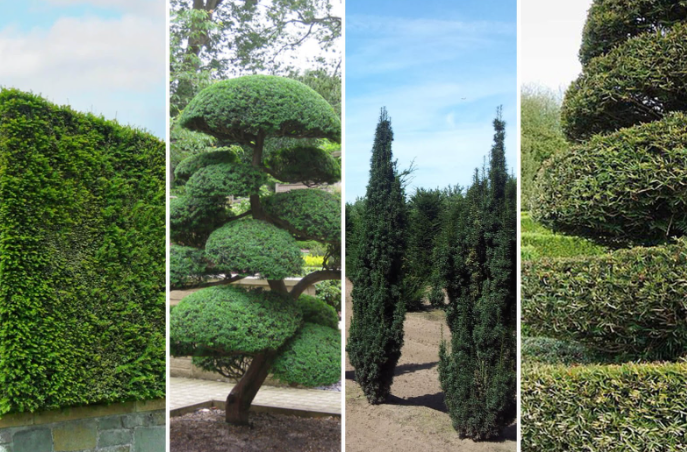
Credit: greentlawncare.com
Choosing The Right Tools
Pruning hedges helps keep them healthy and looking good. Using the right tools makes the job easier and safer.
Different tools work best for different cuts and hedge sizes. Choose tools that fit your hedge and your strength.
Hand Pruners Vs. Hedge Shears
Hand pruners are small and good for thin branches. Hedge shears cut many branches at once and shape the hedge.
| Tool | Best For | Advantages | Limitations |
|---|---|---|---|
| Hand Pruners | Small branches under ¾ inch | Precise cuts, easy to handle | Not for large areas |
| Hedge Shears | Shaping and trimming many branches | Fast cutting, smooth edges | Harder to use on thick branches |
Safety Gear Essentials
Wear safety gear to protect yourself from cuts and debris. Proper gear keeps you safe and comfortable.
- Gloves to protect your hands
- Safety glasses to shield your eyes
- Long sleeves to prevent scratches
- Sturdy shoes for good footing
- Ear protection if using noisy tools
Best Time To Prune
Pruning hedges at the right time helps keep their shape healthy and neat.
Choosing the correct season and time of day makes pruning easier and better for plants.
Seasonal Considerations
Spring and late summer are often the best seasons to prune hedges for shape.
- Prune in early spring before new growth starts to avoid damage.
- Late summer pruning encourages fresh growth before winter.
- Avoid heavy pruning in late fall or winter to prevent frost harm.
- Light trimming can be done in summer to keep shape tidy.
Time Of Day Tips
Prune hedges during cooler parts of the day to protect both you and the plants.
| Time of Day | Why It’s Good |
| Early Morning | Plants are hydrated and less stressed. |
| Late Afternoon | Temperatures are cooler and safer for plants. |
| Midday | Too hot; can cause plant stress and dry cuts. |
Preparing The Hedge
Pruning hedges helps keep them healthy and looking good. Preparing your hedge before cutting makes the job easier.
Good preparation protects the plant and helps you shape it well. Start by clearing the area and checking the hedge’s condition.
Clearing Surrounding Area
Remove any objects near the hedge before pruning. Clear tools, toys, or furniture from the work zone.
This space helps you move freely and avoid accidents. It also stops damage to nearby plants or decorations.
- Pick up fallen branches or leaves
- Move garden furniture away
- Keep tools organized nearby
- Check for pets or children in the area
Assessing Hedge Health
Look closely at your hedge before pruning. Healthy hedges grow better after trimming.
Check for signs of disease, pests, or dead branches. Removing unhealthy parts helps the whole plant.
- Look for brown or dry leaves
- Spot holes or webs on branches
- Notice any soft or broken stems
- Check if the hedge is growing evenly
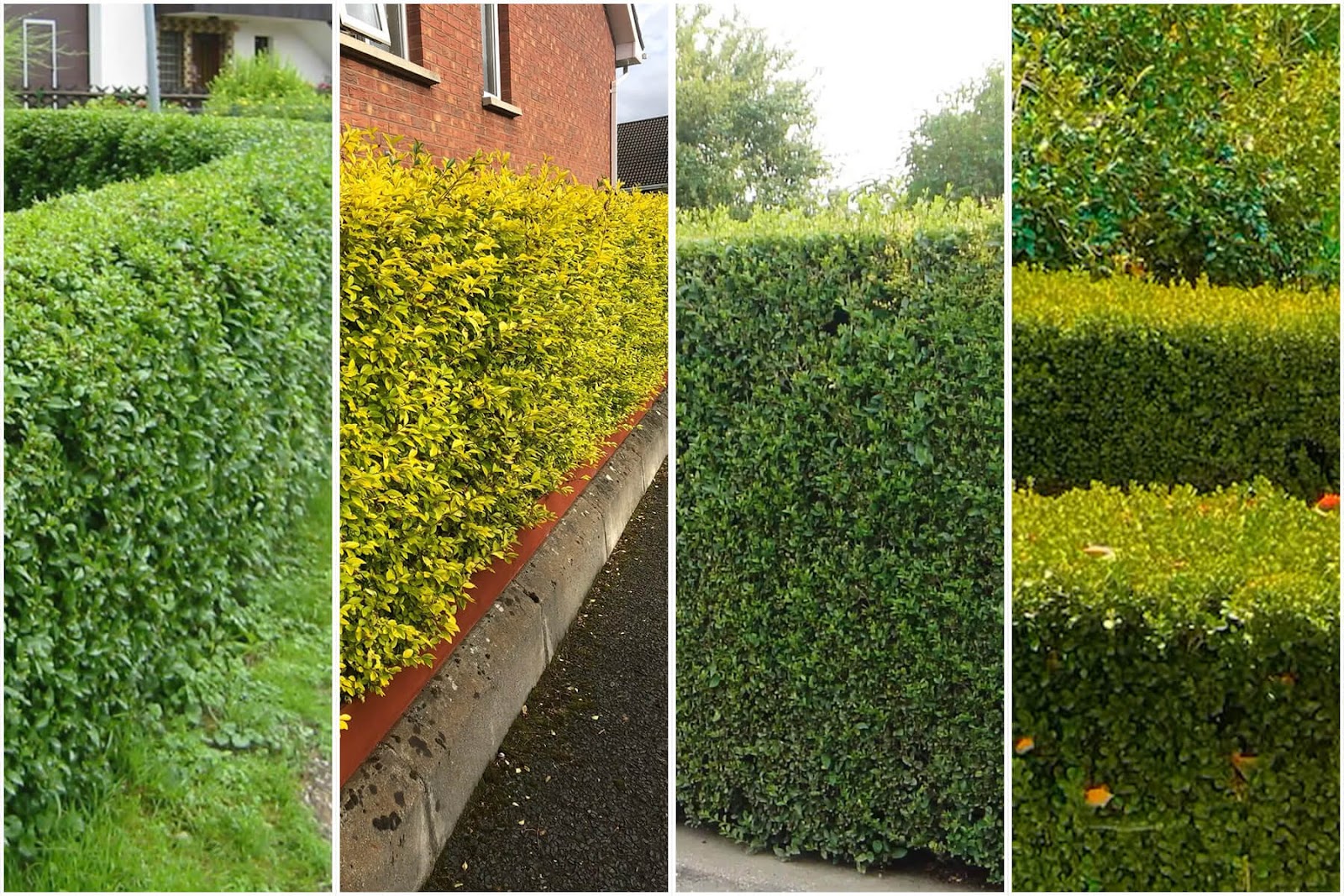
Credit: greentlawncare.com
Techniques For Shaping
Pruning hedges helps keep them healthy and looking neat. Using the right shaping techniques gives your garden a polished look.
Shaping hedges means cutting them in ways that fit your space and style. You can create clean lines or a natural look by changing how you trim.
Creating Clean Lines
Clean lines make hedges look sharp and tidy. This style fits formal gardens and spaces that need order.
Use straight cuts with sharp shears or hedge trimmers. Cut the sides and top evenly to keep the shape crisp.
- Start trimming from the bottom up
- Keep the hedge wider at the base
- Use a string or guide for straight edges
- Trim regularly to maintain shape
Tapering For Natural Look
Tapering means making the hedge narrower at the top. This shape looks natural and helps sunlight reach all parts.
Cut more on the top than the bottom. This keeps the hedge healthy and gives a soft, natural form.
- Trim sides at a slight angle inward
- Leave the base wider for strong growth
- Check that sunlight reaches lower branches
- Shape regularly but gently
Maintaining Hedge Health
Pruning helps keep hedges healthy and looking good. Proper care supports strong growth.
Focus on avoiding damage and giving your hedge enough water and nutrients.
Avoiding Over-pruning
Cutting too much can hurt your hedge. It may stop new growth and cause stress.
- Trim only a third of the hedge at a time.
- Use sharp tools to make clean cuts.
- Remove dead or damaged branches first.
- Leave enough leaves for photosynthesis.
- Prune during the right season for your hedge type.
Watering And Fertilizing
Water and feed your hedge well to help it recover after pruning. Healthy soil means healthy plants.
| Care Task | Details |
| Watering | Deeply water once a week during dry periods. |
| Fertilizing | Use a balanced fertilizer in early spring and late summer. |
| Mulching | Add mulch to keep soil moist and cool. |
Common Mistakes To Avoid
Pruning hedges helps keep them healthy and looking good. Many people make mistakes that harm their plants. Avoid these common errors to shape your hedges well.
This guide covers two big mistakes: cutting too deep and ignoring growth patterns. Learn what to watch out for and how to fix these issues.
Cutting Too Deep
Cutting too deep can damage the hedge’s main branches. It may cause bare spots and slow growth. Only trim the outer leaves and small new stems.
- Do not cut into old, woody branches.
- Trim only the fresh growth for best shape.
- Use sharp tools to make clean cuts.
- Cut less in one session to avoid stress.
- Check for brown or dead parts before pruning.
Ignoring Growth Patterns
Each hedge grows in its own way. Ignoring this can make the shape uneven. Watch how branches grow before trimming.
| Growth Pattern | Pruning Tip |
| Vertical growth | Trim top regularly to keep height |
| Wide spread | Shape sides evenly to keep balance |
| Dense foliage | Thin inside branches for air flow |
| Slow growth | Prune less often to avoid stress |
Aftercare Tips
Pruning hedges shapes them and keeps them healthy. Aftercare is key to help your hedge grow well.
Good care after pruning supports strong growth and prevents disease or damage.
Cleaning Tools
Clean tools stop the spread of pests and diseases. Always clean your pruning tools after use.
Use water and soap or a disinfectant to remove sap and dirt from blades.
- Wipe blades with a cloth soaked in rubbing alcohol
- Remove plant residue from cutting edges
- Dry tools well to avoid rust
- Sharpen blades regularly for clean cuts
Monitoring New Growth
Check your hedge often after pruning. Watch for new shoots and any damage signs.
Remove dead or weak branches early. This helps the hedge stay strong and neat.
- Look for fresh green leaves and healthy stems
- Note any brown, dry, or broken branches
- Trim back new growth to keep shape
- Water and feed the hedge if growth slows
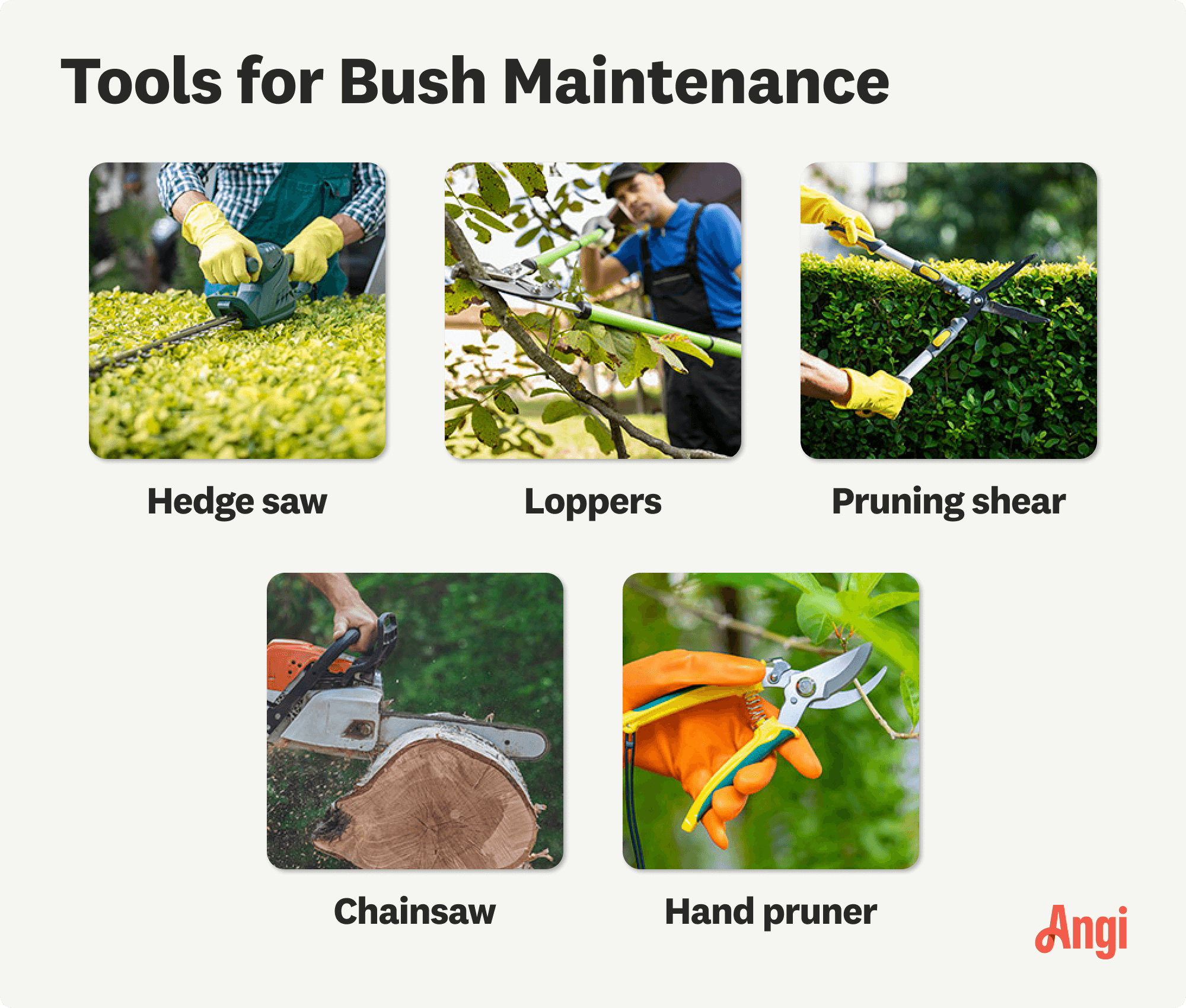
Credit: www.angi.com
Frequently Asked Questions
How Often Should I Prune My Hedges For Shape?
Prune hedges two to three times a year during the growing season. Regular trimming maintains their shape and encourages dense growth.
What Tools Are Best For Hedge Pruning?
Use sharp hand shears for small hedges and electric trimmers for larger ones. Clean tools prevent damage and promote healthy cuts.
When Is The Best Time To Prune Hedges?
The ideal time is late spring or early summer after new growth appears. Avoid pruning during extreme heat or frost to reduce stress.
How Do I Avoid Damaging My Hedge While Pruning?
Trim slowly and follow the natural shape. Remove dead or crossing branches first to prevent injury and promote healthy growth.
Conclusion
Pruning hedges shapes your garden and keeps plants healthy. Regular trimming helps maintain neat and tidy hedges. Use sharp tools and cut at the right angles. Watch your hedge grow thicker and fuller over time. Practice patience; good results take steady care.
Enjoy the beauty and order in your outdoor space. Keep these tips in mind for better hedge care. Your garden will thank you with vibrant, shaped hedges. Simple steps make a big difference in garden health. Start pruning today for a fresh, well-kept look.
