
Are you ready to tackle your next DIY project or professional job with precision and ease? The key to a clean, efficient cut often lies in the condition of your circular saw blade.
But let’s face it, replacing a circular saw blade can be intimidating and even a bit risky if you’re not sure what you’re doing. Whether you’re a seasoned craftsman or a weekend warrior, ensuring your blade is sharp and properly installed can make all the difference in your work.
In this guide, you’ll discover essential tips for replacing circular saw blades safely. We’ll walk you through each step, so you can feel confident, avoid mistakes, and keep your fingers intact. Ready to master this essential skill and enhance your cutting game? Keep reading to find out how simple and safe this process can be with the right knowledge and tools at your fingertips.
Choosing The Right Blade
Replacing circular saw blades safely starts with choosing the right blade. The right blade makes cutting easier and safer.
Different blades work best for different tasks and materials. Knowing which blade to pick helps you avoid mistakes.
Blade Types And Uses
Circular saw blades come in many types. Each type fits a special cutting job. Choose a blade that matches your work.
- Rip Blades: Cut along the wood grain for fast, rough cuts.
- Crosscut Blades: Cut across the wood grain for smooth finishes.
- Combination Blades: Work for both rip and crosscut tasks.
- Metal Cutting Blades: Made for cutting metal safely and cleanly.
- Masonry Blades: Designed to cut bricks, stone, and concrete.
Material Compatibility
Use a blade made for the material you cut. This helps keep the blade sharp and safe.
- Wood Blades: Best for soft and hard wood.
- Metal Blades: Made from tougher steel or carbide.
- Masonry Blades: Have diamond tips for hard materials.
- Plastic Blades: Designed to cut plastics without melting.
Blade Size And Arbor Fit
Check the blade size to fit your saw. The diameter and arbor hole must match your tool.
Using the wrong size can cause accidents or damage your saw.
- Blade Diameter: Usually 7-1/4 inches for handheld saws.
- Arbor Size: The hole in the center must fit the saw’s spindle.
- Blade Thickness: Must match saw specifications for safety.
Preparing For Replacement
Replacing a circular saw blade needs careful preparation. Taking safety steps helps avoid accidents.
Getting ready means checking your tools, power source, and work area. This keeps the task smooth and safe.
Gathering Necessary Tools
Before changing the blade, collect all needed tools. Having everything ready saves time and trouble.
- Wrench or blade key to remove the old blade
- New circular saw blade suitable for your saw
- Safety gloves to protect your hands
- Clean cloth to wipe the saw parts
- Lubricant or oil, if your saw needs it
Power Source Safety
Always disconnect the saw from power before working on it. This prevents accidental starts.
- Unplug the saw if it is corded
- Remove the battery if it is cordless
- Check the power switch to confirm it is off
Work Area Setup
Set up a clean, flat work area. This helps keep tools and parts organized and safe.
- Clear the area of clutter and debris
- Use good lighting to see clearly
- Place a sturdy surface to hold the saw
- Keep children and pets away
Removing The Old Blade
Replacing a circular saw blade is important for safe and smooth cutting. Removing the old blade carefully helps avoid injuries.
Follow simple steps to take out the blade without damage. Use the right tools and handle the blade with care.
Locking The Blade
Lock the blade before loosening any nuts. This stops the blade from moving and keeps you safe.
Use the blade lock button on your saw or a piece of wood to hold the blade steady. Do not force the blade to stop spinning with your hands.
- Press the blade lock button if your saw has one.
- Place a block of wood against the blade to stop it turning.
- Never touch the blade with your fingers to lock it.
Loosening The Arbor Nut
The arbor nut holds the blade tightly in place. Loosen it to remove the old blade safely.
Use the correct wrench or tool to turn the nut. Turn it in the direction shown in your saw’s manual, usually counterclockwise.
- Hold the blade locked before loosening the nut.
- Use the right size wrench for the arbor nut.
- Turn the nut slowly to avoid slipping.
- Keep your hands clear of the blade while loosening.
Safe Blade Handling
Handle the blade carefully to avoid cuts. Blades are sharp and can cause injury even when not in use.
Wear gloves if you can. Hold the blade by its center hole, not the teeth. Place the blade on a safe surface while working.
- Wear cut-resistant gloves for protection.
- Hold the blade by the center hole only.
- Keep the sharp teeth pointed away from you.
- Place the blade on a flat, stable surface when setting it down.
Installing The New Blade
Replacing a circular saw blade needs care and attention. Installing the new blade correctly keeps you safe and your saw working well.
Follow these tips to put the new blade in place the right way. This helps the saw cut cleanly and prevents accidents.
Correct Blade Orientation
Make sure the blade faces the right way before installing it. The teeth should point in the direction the saw spins. If the blade faces the wrong way, it can cause poor cuts and be dangerous.
- Look for an arrow on the blade showing the spin direction.
- Match the arrow with the saw’s rotation direction.
- Check the blade guard to confirm the correct side is up.
Securing The Arbor Nut
The arbor nut holds the blade in place. Tighten it firmly but do not overtighten. Too loose can make the blade wobble. Too tight can damage parts or make future removal hard.
- Place the blade on the arbor with correct orientation.
- Put the washer on the arbor next to the blade.
- Hand-tighten the arbor nut to hold the blade.
- Use the saw’s wrench to tighten the nut securely.
Checking Blade Alignment
Good blade alignment prevents uneven cuts and reduces wear. Check the blade’s position before starting the saw. The blade should spin true without wobbling.
| Check Point | What to Look For |
| Blade Centering | Blade sits evenly on the arbor |
| Blade Tightness | Arbor nut is snug but not over-tightened |
| Blade Spin | Blade spins without wobbling or shifting |
| Blade Teeth | Teeth face correct spin direction |
Post-replacement Checks
After replacing a circular saw blade, always perform safety checks. These checks help ensure the saw works properly and safely.
Check the saw carefully before cutting wood or other materials. This helps avoid accidents and blade damage.
Test Run Procedures
Turn on the saw without cutting anything first. Let it run for a few seconds to see if it works smoothly.
Keep your hands away from the blade while it spins. Watch for any strange movements or problems during the test run.
Listening For Unusual Noises
Listen carefully for any odd sounds when the saw runs. Unusual noises may mean the blade is not installed right.
- Grinding or scraping sounds can show blade misalignment
- Buzzing or rattling may mean loose parts
- Clicking noises might mean the blade hits something
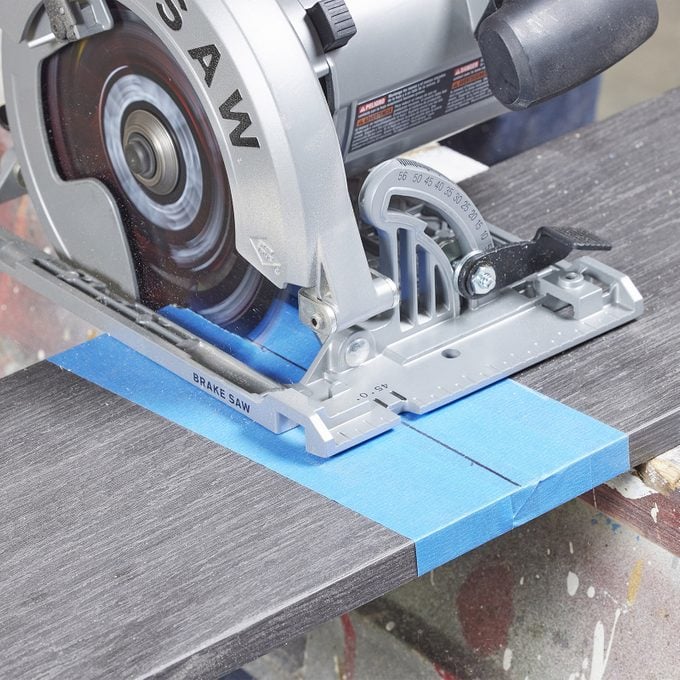
Inspecting For Vibrations
Check if the saw shakes or vibrates during use. Strong vibrations can cause poor cuts and risk injury.
Hold the saw handle firmly and feel for any unusual movement. If vibrations are strong, turn off the saw and check the blade again.
Credit: www.familyhandyman.com
Maintenance Tips
Keeping your circular saw blades in good shape improves safety and cutting quality. Regular care helps the blades last longer and work better.
Use simple maintenance steps to protect your blades and ensure safe replacements when needed.
Regular Blade Cleaning
Cleaning your circular saw blades removes pitch, sap, and dust that build up during use. This keeps the blade sharp and reduces heat.
- Use a soft brush to remove loose debris.
- Apply a blade cleaner or mild detergent to remove sticky residues.
- Rinse with water and dry the blade completely.
- Avoid harsh chemicals that can damage the blade.
Proper Storage
Store blades carefully to avoid damage and rust. Keep them dry and protected from knocks or bends.
| Storage Method | Benefits |
|---|---|
| Hang on a pegboard | Prevents blade contact and damage |
| Store in a blade case | Protects from moisture and dust |
| Use blade sleeves or covers | Shields sharp teeth from impact |
When To Replace Blades
Knowing when to replace a blade keeps your saw safe and cuts smooth. Worn blades increase the risk of accidents and poor cuts.
- Blade teeth are chipped or broken.
- Blade no longer cuts straight or cleanly.
- Blade shows signs of rust or corrosion.
- Cutting requires extra force or slows down.
Safety Precautions
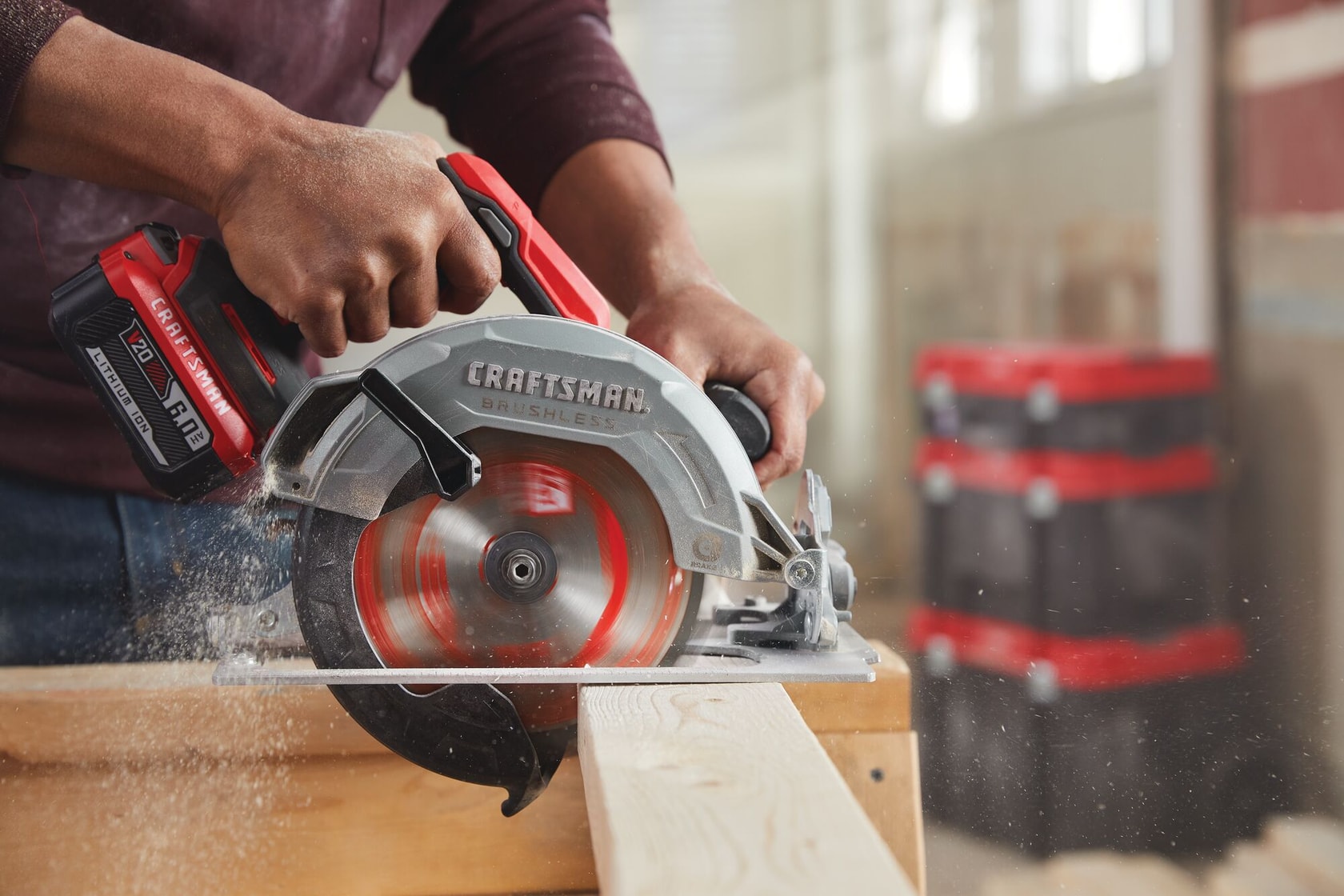
Replacing circular saw blades needs care and attention. Following safety rules helps avoid accidents.
Always prepare properly before you start. Safety gear and careful handling protect you and others.
Wearing Protective Gear
Wear the right gear to protect your eyes, hands, and ears. This reduces injury risks.
- Use safety goggles to shield your eyes from flying debris.
- Wear sturdy gloves to protect your hands from sharp edges.
- Use earplugs or earmuffs to guard your hearing from loud noise.
- Wear a dust mask to avoid breathing sawdust.
Handling Blades Carefully
Blades are sharp and can cut skin easily. Handle them with care to stay safe.
| Do | Don’t |
| Hold blades by the edges only | Touch teeth of the blade |
| Use proper tools to remove or install blades | Force blades to fit without checking size |
| Keep blades clean and dry | Store blades where they can fall or cause injury |
Avoiding Common Mistakes
Some errors cause accidents or blade damage. Avoid these mistakes every time.
- Turn off and unplug the saw before changing blades.
- Check blade compatibility with your saw model.
- Do not overtighten the blade bolt.
- Make sure the blade locks firmly in place.
- Inspect the blade for damage before installation.

Credit: www.youtube.com
Credit: www.craftsman.com
Frequently Asked Questions
How Do I Safely Remove A Circular Saw Blade?
First, unplug the saw to prevent accidents. Use the blade wrench to loosen the arbor nut. Carefully remove the old blade, avoiding contact with sharp edges. Follow the manufacturer’s instructions for your specific saw model.
What Tools Are Needed To Replace Saw Blades?
You typically need a wrench or blade key to loosen the arbor nut. A pair of gloves protects your hands from sharp teeth. Some saws require a special tool or locking pin to hold the blade in place.
How Often Should I Replace My Circular Saw Blade?
Replace the blade when it becomes dull, chipped, or damaged. Signs include burning wood, rough cuts, or increased effort while cutting. Regular inspection and maintenance help ensure optimal performance and safety.
Can I Use Any Blade On My Circular Saw?
No, use blades compatible with your saw’s size and arbor diameter. Check the manufacturer’s recommendations for blade type and teeth count. Using the wrong blade may cause poor cuts or damage the saw.
Conclusion
Replacing circular saw blades safely protects you and your tools. Always unplug the saw before starting. Use the right tools to loosen and tighten the blade. Check the blade’s direction before installing it. Wear gloves to avoid cuts. Take your time and stay focused.
Safety is simple with careful steps. Follow these tips every time you change a blade. Stay safe, work smart, and keep your saw running well.
