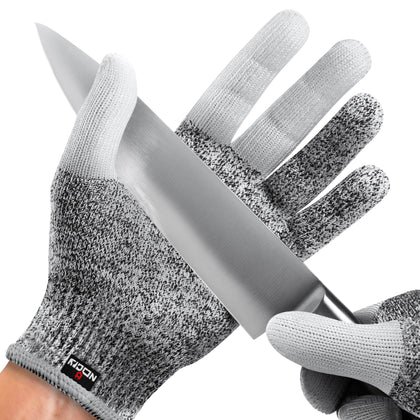
Imagine working with metal and feeling completely safe, knowing your hands are well protected. That’s exactly what the right pair of cut-resistant gloves can do for you.
They can be your best ally, providing not only safety but also peace of mind. But with so many options available, how do you choose the perfect pair? You don’t want to settle for less and risk an injury, right?
This guide will walk you through the essential tips for selecting cut-resistant gloves specifically designed for metalwork. By the end, you’ll feel confident in your choice, ensuring that your hands are always guarded against potential hazards. So, are you ready to find out how you can keep your hands safe and your mind at ease? Let’s dive in!
Importance Of Cut-resistant Gloves
Cut-resistant gloves protect hands from sharp edges and tools. They help prevent injuries during metalwork.
Choosing the right gloves keeps workers safe and improves work quality. It is essential for every metalworker.
Protection Against Sharp Objects
Metalwork involves handling sharp tools and materials. Cut-resistant gloves act as a barrier between skin and cuts.
Improved Grip And Control
Good gloves offer better grip on slippery metal parts. This reduces the risk of accidents and improves precision.
Durability And Comfort
Cut-resistant gloves must last long and fit well. Comfortable gloves reduce hand fatigue during long work hours.
- Wear gloves that fit snugly without tightness
- Choose materials that resist cuts and tears
- Look for gloves with breathability for comfort
- Pick gloves that allow easy hand movement
Safety Standards And Ratings
| Standard | Description | Rating Scale |
| ANSI/ISEA | Measures cut resistance in gloves | Levels 1 to 5 |
| EN 388 | European safety standard | Performance levels 1 to 5 |
Credit: www.envirosafetyproducts.com
Types Of Cut-resistant Materials
Choosing the right cut-resistant gloves depends on the material used. Each material offers different protection and comfort levels. Knowing these materials helps you pick gloves that suit your metalwork tasks.
This guide explains common cut-resistant materials: Kevlar, Dyneema, Steel Mesh, and Glass Fiber. Learn their features to find the best gloves for your needs.
Kevlar
Kevlar is a strong synthetic fiber used in many protective gloves. It resists cuts and heat well. Gloves made with Kevlar feel lightweight and flexible.
Kevlar gloves protect hands without limiting movement. They work great for sharp metal edges and hot surfaces.
Dyneema
Dyneema is one of the strongest fibers used in gloves. It offers high cut resistance and is very light. Dyneema gloves also resist water and chemicals.
These gloves provide excellent protection for metalwork that requires precision and safety. They help reduce hand fatigue during long tasks.
Steel Mesh
Steel mesh gloves have small metal rings linked together. They provide very high cut resistance. These gloves are heavy but protect well from sharp blades.
Steel mesh gloves are ideal for metal cutting or handling sharp tools. They last long but may reduce hand flexibility.
Glass Fiber
Glass fiber gloves use fine glass strands for cut resistance. They are lightweight and flexible. These gloves also resist heat and abrasion.
Glass fiber gloves are good for metalwork with sharp edges. They offer a balance of protection and comfort.
Choosing The Right Glove Level
Selecting the right cut-resistant gloves is key for safety in metalwork. Gloves must protect without limiting hand movement.
Understanding glove levels helps you pick the best protection for your tasks. This guide explains how to choose the right glove level.
Cut Resistance Ratings
Cut resistance ratings show how well gloves protect against cuts. These ratings use standard tests to measure glove strength.
- A1 to A9 rating scale measures cut resistance, with A1 being the lowest and A9 the highest.
- Higher ratings mean better protection but less flexibility.
- Choose gloves that balance protection and comfort for your work.
Matching Gloves To Metalwork Tasks
Different metalwork tasks need different glove levels. Use gloves that fit the risk of cuts and allow you to work easily.
| Task | Recommended Cut Resistance Level | Notes |
| Light handling of sheet metal | A2 – A4 | Good dexterity and basic protection |
| Cutting or grinding metal | A5 – A7 | Higher protection for sharp edges |
| Heavy metal fabrication | A7 – A9 | Maximum cut resistance with reduced flexibility |
| Assembly with small parts | A1 – A3 | Focus on dexterity and light protection |
Credit: b2b.mechanix.com
Fit And Comfort Considerations
Choosing cut-resistant gloves for metalwork requires focus on fit and comfort. Poor fit can reduce safety and make work harder.
Comfort helps you wear gloves longer without pain or fatigue. This guide covers key points for sizing and comfort.
Sizing Tips
Get the right glove size to avoid slipping or tightness. Measure your hand width across the knuckles without the thumb.
Check the manufacturer’s sizing chart before buying. Gloves that are too loose can catch on tools. Too tight gloves limit movement.
- Use a tape measure for accuracy
- Try gloves on with work conditions in mind
- Consider glove thickness when sizing
- Choose adjustable gloves if possible
Breathability And Flexibility
Breathable gloves keep your hands dry by allowing air flow. This stops sweat buildup and discomfort during long tasks.
Flexible gloves let you grip tools easily. Look for gloves made with stretch materials or special knit designs.
- Choose gloves with mesh or perforations for airflow
- Materials like spandex add flexibility
- Test finger and palm movement before purchase
- Breathable gloves reduce skin irritation
Durability And Maintenance
Cut-resistant gloves for metalwork must last long and stay safe. Proper care keeps gloves strong and useful.
Cleaning and checking gloves help keep their cut resistance. This lowers the risk of accidents and saves money.
Cleaning Guidelines
Keep gloves clean to remove dirt and metal dust. Clean gloves work better and last longer.
Use mild soap and cold water to wash gloves. Avoid harsh chemicals that can damage the fibers.
- Hand wash gently to keep glove shape
- Air dry gloves, do not use heat
- Clean gloves after each use for best results
Signs Of Wear And Replacement
Check gloves often for holes, tears, or thinning. Worn gloves lose their cut resistance and can be unsafe.
Replace gloves if you see damage or if they feel less protective. Old gloves can cause injuries.
- Look for cuts or holes on the surface
- Check if the glove feels thinner in spots
- Replace gloves after heavy damage or long use
Additional Safety Features
Choosing cut-resistant gloves for metalwork is about more than just sharpness protection. Extra safety features help keep your hands safer in tough conditions.
Look for gloves that combine cut resistance with added protection and grip. These features improve comfort and reduce accidents.
Impact Protection
Impact protection helps guard your hands from hits and bruises. Many gloves have padded areas over the knuckles and fingers. These pads absorb shocks from heavy tools or falling objects.
- Hard plastic or rubber pads on knuckles
- Foam cushioning inside the glove
- Reinforced finger guards for bending points
- Flexible materials that still allow hand movement
Grip Enhancements
Good grip reduces slips and accidents when handling metal parts. Gloves with grip features help hold tools firmly even in oily or wet conditions.
| Grip Type | Benefit |
| Textured palm coating | Better hold on smooth surfaces |
| Raised patterns | Improved friction for oily hands |
| Sticky materials | Secure grip on small tools |
| Breathable grip zones | Comfort without losing hold |
Budget And Brand Selection
Selecting cut-resistant gloves for metalwork requires attention to cost and brand quality. Choosing the right gloves protects your hands and fits your budget.
This guide helps you balance price and quality. It also points to trusted manufacturers to consider.
Balancing Cost And Quality
Good gloves offer protection without costing too much. Avoid very cheap gloves as they might not last or protect well.
- Set a budget before shopping for gloves.
- Look for gloves with proven cut-resistant materials.
- Check user reviews for durability and comfort.
- Buy gloves that meet safety standards.
- Consider buying in bulk for better pricing.
Trusted Manufacturers
Choose brands known for quality and safety. Trusted manufacturers test gloves thoroughly and follow industry rules.
| Manufacturer | Known For | Safety Certifications |
| Brand A | High durability | ANSI/ISEA Level A4 |
| Brand B | Comfort and fit | EN388 Level 5 |
| Brand C | Innovative materials | ISO 13997 |

Credit: www.globalglove.com
Frequently Asked Questions
What Are Cut-resistant Gloves Made Of?
Cut-resistant gloves often use materials like Kevlar, Dyneema, or stainless steel fibers. These materials provide strong protection while maintaining flexibility. They prevent cuts and abrasions during metalwork, enhancing safety. Choosing the right material depends on the specific metalwork task and required durability.
How To Choose The Right Glove Size?
Proper glove size ensures comfort and safety. Measure your hand circumference and length accurately. Gloves that fit well improve dexterity and reduce hand fatigue. Avoid gloves that are too loose or tight, as they can compromise protection and handling precision.
Can Cut-resistant Gloves Protect Against Heat?
Some cut-resistant gloves offer limited heat resistance, but not all. For metalwork involving heat, select gloves designed for both cut and heat protection. Always check product specifications to ensure gloves meet your specific safety needs, combining cut resistance with thermal protection.
How To Maintain Cut-resistant Gloves?
Maintain gloves by cleaning them according to the manufacturer’s instructions. Avoid harsh chemicals or high temperatures during washing. Regularly inspect gloves for wear and tear. Replace gloves immediately if they show signs of damage to ensure ongoing protection.
Conclusion
Choosing the right cut-resistant gloves keeps your hands safe during metalwork. Check the glove’s material and cut protection level carefully. Make sure they fit well and feel comfortable all day. Don’t forget to consider grip and durability for better work performance.
Safe hands mean less risk and more confidence. Take time to pick gloves that match your tasks perfectly. Your hands deserve the best protection. Stay safe and work smarter with the right gloves.