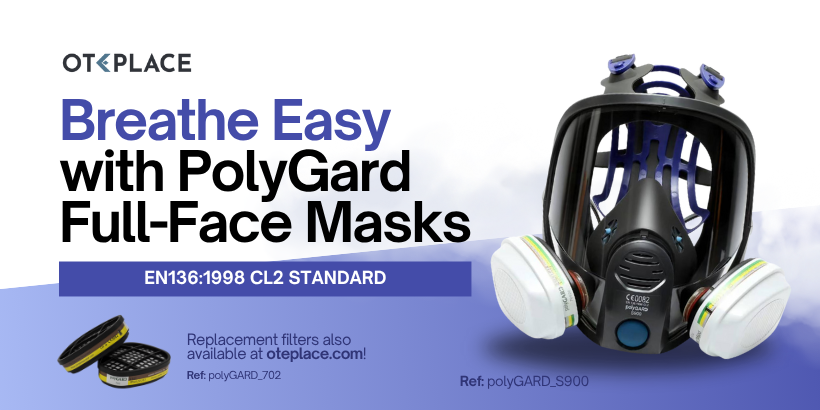
Choosing the right face shield for chemical protection is crucial for your safety. Imagine being in a lab or industrial setting, and a splash of a hazardous chemical threatens your well-being.
Your face shield can be the barrier between you and a serious injury. But with so many options available, how do you make the right choice? You might feel overwhelmed by the technical jargon or unsure about what features truly matter.
Don’t worry, you’re not alone. This guide will simplify the process for you, highlighting essential tips that will not only protect you but also give you peace of mind. Ready to ensure your safety with confidence? Let’s dive into the details!

Credit: www.dentistryiq.com
Types Of Face Shields
Face shields protect your face from chemical splashes and fumes. Choosing the right type helps keep you safe at work.
Different face shields offer various levels of protection and comfort. Learn about the common types to find what fits your needs.
Full Face Shields
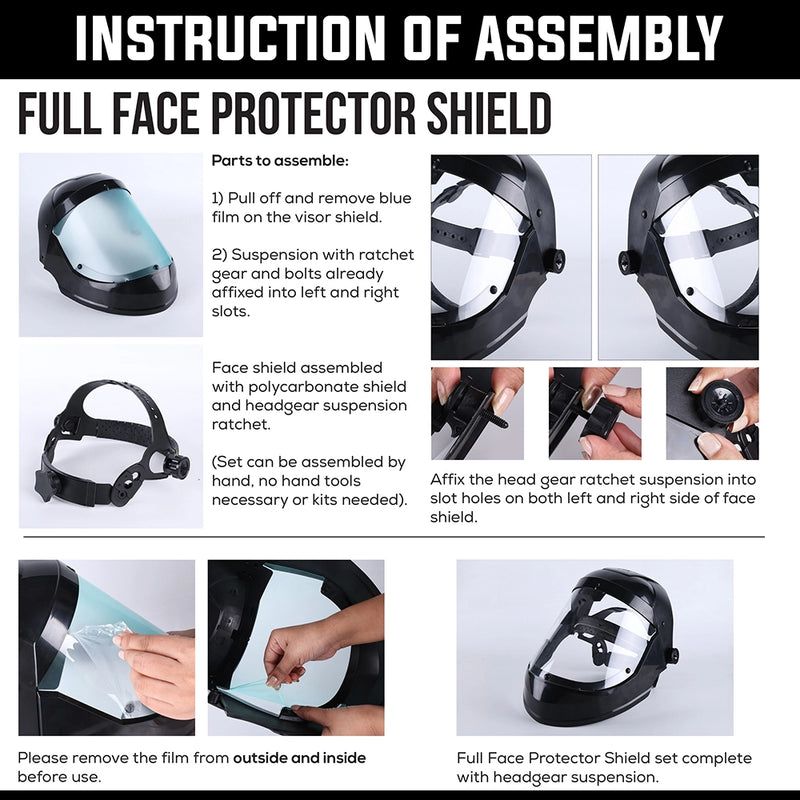
Full face shields cover your entire face from forehead to chin. They provide strong protection against chemical splashes and sprays.
These shields often have a clear visor made from tough plastic. They allow good visibility while blocking harmful substances.
- Protect eyes, nose, and mouth fully
- Easy to clean and reuse
- Compatible with safety goggles or masks
Visor Style Shields
Visor style shields cover only the front part of your face. They attach to a headband or helmet for support.
This style offers good protection for the eyes and face front. It is lighter and allows better airflow than full shields.
- Lightweight and comfortable for long use
- Good for tasks with less chemical exposure
- Often adjustable for a secure fit
Hooded Face Shields
Hooded face shields include a full hood that covers your head and neck. They give extra protection from chemical splashes and fumes.
These shields are best for high-risk environments. The hood seals around your face and helps stop chemicals from reaching your skin.
- Full head and neck coverage
- Often made with chemical-resistant materials
- Used with respiratory protection gear
Material Considerations
Choosing the right material is key for face shields used in chemical protection. The material affects safety, comfort, and durability.
Knowing the strengths and limits of materials helps you select the best shield for your needs.
Polycarbonate Features
Polycarbonate is a strong plastic often used in face shields. It offers good impact resistance and clear visibility.
This material is lightweight and does not easily crack. It also works well in many chemical environments.
Acetate Benefits
Acetate shields resist many chemicals better than polycarbonate. They are good for splash protection in labs.
Acetate is clear and comfortable to wear. It also reduces fogging during use.
Chemical Resistance
Face shield materials react differently to chemicals. Some may melt or weaken when exposed to strong acids or solvents.
- Polycarbonate resists impact but can be damaged by some solvents.
- Acetate resists many chemicals but is less impact-resistant.
- Check the chemical compatibility before choosing a shield.
Design And Comfort
Choosing the right face shield for chemical protection means focusing on design and comfort. A well-designed shield keeps you safe and makes wearing it easier for long times.
Comfort helps you stay focused and prevents distractions. Good design features improve both safety and wearability.
Adjustable Headbands
Adjustable headbands let you change the size to fit your head perfectly. This helps keep the shield stable and secure while you work.
Look for headbands with soft padding to reduce pressure and avoid discomfort during long use.
- Easy to adjust for different head sizes
- Soft padding prevents skin irritation
- Secure fit stops the shield from slipping
Weight And Fit
Lightweight face shields reduce neck strain and make breathing easier. Heavy shields can cause fatigue and discomfort.
The fit should cover your face fully without being too tight. A good fit helps protect from chemical splashes and fumes.
- Choose shields made from light materials
- Ensure full face coverage for safety
- Test the fit before long use
Ventilation Options
Proper ventilation stops fogging and keeps air flowing inside the shield. This helps you see clearly and stay comfortable.
Some shields have vents or air channels. These features improve airflow while still protecting against chemicals.
- Look for shields with built-in air vents
- Choose designs that reduce fogging
- Ensure ventilation does not reduce protection
Safety Standards And Certifications
Choosing the right face shield for chemical protection is important for safety. Standards and certifications help you know if the shield is reliable.
These rules test the shield’s strength and how well it protects against chemicals and impacts.
Ansi Ratings
ANSI ratings show if face shields meet U.S. safety rules. The American National Standards Institute tests eye and face protection.
Look for ANSI Z87.1 certification. It means the shield can protect against chemical splashes and flying debris.
- Impact resistance tested under ANSI Z87.1
- Chemical splash protection verified
- Markings on the shield show ANSI approval
Osha Compliance
OSHA sets workplace safety rules in the U.S. Face shields must follow OSHA to be used in chemical jobs.
OSHA requires employers to provide PPE that fits and protects workers from hazards. Face shields must meet OSHA standards.
- OSHA cites ANSI standards for face shields
- Employers must train workers on shield use
- Shields must be replaced if damaged
International Standards
Other countries have their own rules for face shields. International standards ensure safety beyond the U.S.
Look for CE marking in Europe or CSA certification in Canada. These show the shield meets strict safety tests.
- CE mark means compliance with EU safety rules
- CSA certification used in Canada for PPE
- ISO standards guide quality and testing globally
Compatibility With Other Ppe
Choosing a face shield for chemical protection means thinking about other gear. Your face shield must work well with your other personal protective equipment (PPE). This helps keep you safe and comfortable.
Check how the face shield fits and works with items like respirators, helmets, and safety glasses. Good compatibility prevents gaps and pressure points.
Using With Respirators
Face shields must fit well over respirators without pushing or moving them. Look for shields with enough space to cover the respirator fully. This keeps both devices effective.
Choose shields with adjustable headbands. They help keep the shield stable without pressing on the respirator mask.
- Check if shield size covers respirator comfortably
- Ensure shield does not block respirator airflow
- Look for adjustable fit to avoid pressure
Integration With Helmets
Face shields should attach easily to helmets without causing discomfort. Some shields come with mounts or clips for helmets. This makes wearing both easier and safer.
Make sure the shield does not block helmet ventilation or movement. It should also allow quick removal if needed.
- Choose shields with helmet-compatible mounts
- Check for clear vision and good ventilation
- Test for easy removal and attachment
Eye Protection Compatibility
Wear safety glasses or goggles under face shields for full eye protection. The shield should have enough space to fit over them comfortably. Tight or small shields can cause fogging or pressure.
Select shields that offer good clearance for eye gear. This helps keep your vision clear and your eyes safe from chemicals.
- Make sure shield size fits over glasses or goggles
- Avoid shields that press on eye protection
- Look for anti-fog features or good airflow
Maintenance And Durability
Face shields protect your face from harmful chemicals. Keeping them clean and durable is important.
Good maintenance helps the shield last longer and work better.
Cleaning Procedures
Clean your face shield after each use to remove chemicals and dirt. Use mild soap and water for cleaning.
Avoid strong solvents that can damage the shield’s surface. Rinse well and dry with a soft cloth.
- Use mild soap and lukewarm water
- Rinse thoroughly to remove soap
- Dry with a soft, clean cloth
- Do not use abrasive cleaners or brushes
Scratch Resistance
Scratches can reduce visibility and protection. Choose shields with scratch-resistant coatings.
Handle shields carefully to avoid drops and rough surfaces. Store them in soft cases or pouches.
- Avoid sharp objects near the shield
- Do not wipe dry shields with rough cloths
- Replace shields with deep scratches
- Use shields with built-in scratch protection if possible
Storage Tips
Store face shields in a clean, dry place. Avoid direct sunlight and high temperatures.
Keep shields in protective covers to prevent dust and damage when not in use.
- Use soft cases or pouches for storage
- Keep shields away from chemicals and heat
- Store in a flat position to avoid bending
- Check shields regularly for damage before use
Cost And Budgeting
Choosing the right face shield for chemical protection means thinking about cost. Budgeting helps you find a balance between price and safety.
Understanding how costs add up will help you make smart buying decisions. Look beyond the price tag to the total cost over time.
Initial Investment
The first cost is the price of buying the face shield. Some shields cost more because they use better materials or have extra features.
- Check the material quality for durability
- Consider shields with adjustable fit for comfort
- Look for coatings that resist chemicals and scratches
- Compare prices from different suppliers
Replacement Frequency
Face shields wear out with use. You will need to replace them to keep safe. Some shields last longer than others.
| Shield Type | Average Lifespan | Replacement Cost |
| Basic Polycarbonate | 3-6 months | $10 – $20 |
| Anti-fog Coated | 6-12 months | $20 – $35 |
| Chemical-Resistant | 12+ months | $30 – $50 |
Value For Safety
Cheap shields may save money now but can risk safety. A higher cost often means better protection. It is smart to invest in safety to avoid accidents.
- Check for compliance with safety standards
- Choose shields with clear visibility
- Pick models with good chemical resistance
- Consider user comfort to encourage regular use

Credit: www.ishn.com
Credit: bisonlifeusa.com
Frequently Asked Questions
What Materials Are Best For Chemical Face Shields?
Polycarbonate and acetate materials offer excellent chemical resistance. They provide clear visibility and protect against splashes and fumes. Choose shields with durable, impact-resistant materials for optimal safety and comfort during chemical handling tasks.
How To Ensure Proper Face Shield Fit And Comfort?
Select adjustable headgear to fit various head sizes. Ensure the shield covers the entire face for full protection. Comfort features like cushioning and ventilation reduce fatigue during long use, improving safety and wearer compliance.
Can Face Shields Protect Against All Chemical Types?
No face shield protects against all chemicals. Choose shields rated for specific chemicals or hazards encountered. Always consult safety data sheets and choose shields meeting industry standards for your chemical exposure.
How Often Should Chemical Face Shields Be Replaced?
Replace shields when scratched, cracked, or damaged. Regular inspection before use ensures clear vision and protection. Follow manufacturer guidelines for lifespan and maintenance to maintain effective chemical protection.
Conclusion
Choosing the right face shield protects you from harmful chemicals. Focus on materials that resist splashes and impacts. Comfort matters for long use without distraction. Clear visibility helps you work safely and well. Always check if the shield fits your needs and safety standards.
Proper care keeps your shield effective longer. Stay safe by selecting wisely and using your shield correctly. Safety first, every time.