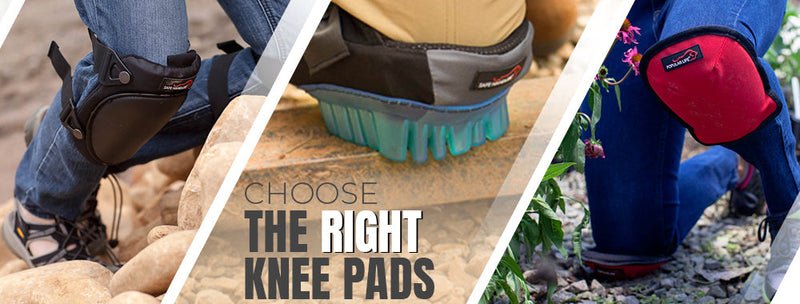
Are you tired of ending your carpentry projects with aching knees? Choosing the right knee pads can make all the difference in your comfort and productivity.
Imagine being able to kneel, crouch, and move freely without the nagging pain that distracts you from your craftsmanship. You’ll discover essential tips for selecting the perfect knee pads specifically designed for carpentry work. By the end, you’ll know exactly what to look for to keep your knees protected and your focus sharp.
Dive in to ensure every project is a pain-free success!
Credit: www.ebay.ca
Key Features To Look For
Knee pads protect your knees during carpentry work. Picking the right ones helps you stay comfortable and safe.
Look for key features that match your work style. Good knee pads reduce pain and increase work time.
Padding Material And Thickness
Padding is the main part that cushions your knees. Materials like foam or gel offer good shock absorption.
Thicker padding gives more comfort but can be bulky. Thin padding is lighter but may wear out fast.
- Foam padding is soft and light
- Gel padding molds to the knee shape
- Thicker pads provide better protection
- Choose thickness based on your work surface
Adjustable Straps And Fit
Straps keep the knee pads in place. Adjustable straps let you get a snug fit without cutting off circulation.
A good fit stops the pads from slipping. Look for straps made with durable materials and easy adjustment.
- Elastic or Velcro straps offer adjustability
- Snug fit prevents sliding during work
- Wide straps spread pressure evenly
- Try knee pads before buying for best fit
Durability And Wear Resistance
Knee pads face rough surfaces and heavy use. Choose pads with tough outer shells to last longer.
Materials like hard plastic or reinforced fabric resist cuts and scratches. Check reviews for real durability.
- Hard plastic shells protect against sharp objects
- Reinforced fabric resists tearing
- Seams should be strong and well-stitched
- Durable pads save money over time
Breathability And Moisture Control
Breathable knee pads keep sweat away. This prevents skin irritation and bad odors.
Look for mesh panels or moisture-wicking liners. They help keep your knees dry during long work hours.
- Mesh fabric allows air flow
- Moisture-wicking liners absorb sweat
- Breathable pads reduce skin rashes
- Check if pads dry quickly after use
Types Of Knee Pads For Carpentry
Knee pads protect your knees during long carpentry tasks. They help reduce pain and prevent injuries. Choosing the right type improves comfort and safety.
There are several types of knee pads. Each type suits different needs and work styles. Learn about foam, gel, hard shell, and hybrid knee pads below.
Foam Knee Pads
Foam knee pads use soft foam to cushion your knees. They are lightweight and easy to wear. Foam pads offer basic protection for light work on soft surfaces.
Gel Knee Pads
Gel knee pads contain gel inserts for extra cushioning. They absorb shock well and reduce pressure points. Gel pads are good for longer tasks on hard floors.
- Provide better comfort than foam
- Help keep knees cool
- Can be heavier than foam pads
- Usually more expensive
Hard Shell Knee Pads
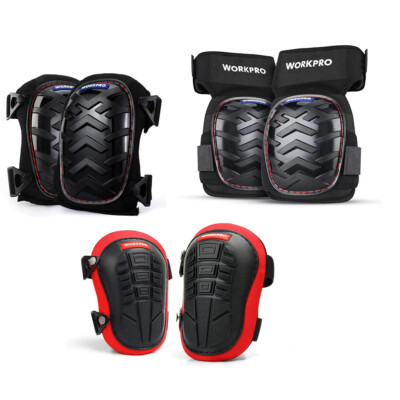
Hard shell knee pads have a tough outer surface. They protect knees from sharp or rough materials. These pads are durable and great for heavy-duty carpentry work.
| Feature | Benefit |
| Hard outer shell | Blocks sharp objects |
| Firm padding inside | Supports knees on rough surfaces |
| Adjustable straps | Keeps pads in place |
| Heavier weight | May reduce flexibility |
Hybrid Knee Pads
Hybrid knee pads combine soft materials with hard shells. They offer comfort and strong protection. These pads suit many carpentry jobs with varied demands.
Hybrid pads usually include:
- Gel or foam cushioning
- Durable hard outer layer
- Adjustable straps for fit
- Breathable fabric for comfort
Comfort Factors To Consider
Choosing the right knee pads is important for carpentry work. Comfort helps you work longer without pain.
Look for knee pads that fit well and support your movements. This guide will explain key comfort features.
Ergonomic Design
Ergonomic knee pads fit the natural shape of your knees. This design reduces pressure and strain.
Look for pads with contoured shapes and adjustable straps. They keep the pads in place during work.
Weight And Bulk
Lightweight knee pads are easier to wear all day. Heavy pads can cause fatigue and slow you down.
Choose slim designs that do not add extra bulk. This helps you move freely on job sites.
- Light materials like foam or gel
- Compact size for easy bending
- Minimal straps that hold well
Flexibility And Movement
Your knee pads should allow easy bending and kneeling. Stiff pads limit your movement and cause discomfort.
Look for flexible materials and joints. This keeps you comfortable during long tasks.
- Use pads with soft outer shells
- Check for flexible side panels
- Test how easily you can bend knees
Cushioning For Prolonged Use
Good cushioning protects your knees on hard surfaces. It reduces pain during long hours of work.
Look for thick foam or gel padding. This absorbs shocks and spreads pressure evenly.
- Memory foam molds to your knee shape
- Gel pads offer extra shock absorption
- Replaceable cushions extend pad life
Sizing And Fit Tips
Choosing the right knee pads for carpentry keeps you comfortable. Good fit prevents slipping and protects your knees well.
Focus on sizing and fit to get knee pads that work for your body and tasks. This guide helps you pick the best fit.
Measuring Your Knee Size
Measure your knee to find the right pad size. Use a soft tape measure around your knee cap with your leg bent.
- Place the tape around the middle of the knee cap
- Keep the tape snug but not tight
- Note the measurement in inches or centimeters
- Compare this size with the knee pad size chart
Adjusting For Different Work Positions
Your knee pads should fit well in all work positions. Sitting, kneeling, or crawling changes how pads feel and protect.
| Work Position | Fit Adjustment Tip |
| Kneeling | Pads should cover the kneecap fully and stay in place |
| Sitting | Ensure pads do not press too tightly to avoid discomfort |
| Crawling | Choose pads with flexible straps for movement |
Trying Before Buying
Try knee pads on before buying to check comfort and fit. Walk and kneel to test if they stay secure.
Use this checklist when trying knee pads:
- Check if the straps adjust easily and hold tight
- Make sure pads do not pinch or rub your skin
- Confirm the pads cover your knees completely
- Test movement to see if pads shift or slide
Maintenance And Longevity
Taking good care of your knee pads helps them last longer. Proper maintenance keeps them comfortable and safe to use.
Simple cleaning and storage routines extend the life of knee pads. Replace worn parts to keep protection strong.
Cleaning And Care Instructions
Clean knee pads regularly to remove dirt and sweat. Use mild soap and warm water for best results.
Avoid harsh chemicals that can damage materials. Air dry knee pads away from direct sunlight or heat.
- Wipe off dirt after each use
- Hand wash with gentle soap
- Do not use bleach or strong detergents
- Let dry naturally, avoid dryers
Replacing Worn-out Pads
Check knee pads often for cracks or thinning areas. Replace pads if they lose cushioning or protection.
Worn pads reduce safety and comfort. Replace them quickly to avoid injury during work.
- Inspect pads before each use
- Look for tears, holes, or flat spots
- Buy replacement pads from the same brand
- Install new pads securely inside the knee pad cover
Storage Tips
Store knee pads in a cool, dry place to keep them in good shape. Avoid damp or hot areas.
Keep knee pads flat or hanging to keep their shape. Do not compress them under heavy objects.
- Use a storage bag or box
- Keep away from direct sunlight
- Do not fold or crush knee pads
- Store separately from sharp tools
Budget-friendly Vs Premium Options
Knee pads protect your knees during carpentry work. Choosing the right pair matters for comfort and safety. You can pick budget-friendly or premium options. Each has its pros and cons.
This guide helps you decide by comparing cost and features. Learn what to expect from different price ranges. Find brands that fit your needs and budget.
Cost Vs Performance
Budget-friendly knee pads usually cost less but may wear out faster. Premium pads offer better durability and comfort but come at a higher price. The right choice depends on how often you work and your budget.
| Type | Price Range | Performance | Durability |
|---|---|---|---|
| Budget-Friendly | $10 – $25 | Basic protection, less padding | Short to medium term use |
| Premium | $40 – $80+ | High comfort, extra padding | Long-term, heavy use |
Features Worth Investing In
Some features improve comfort and safety. These may be worth paying more for. Look for good padding, adjustable straps, and breathable materials. These features help reduce knee pain and keep your pads in place.
- Thick, shock-absorbing padding
- Adjustable and secure straps
- Non-slip outer surface
- Breathable fabric to reduce sweat
- Lightweight design for less fatigue
Brands To Consider
Some brands offer both budget and premium knee pads. Choosing a trusted brand helps ensure quality. Read reviews and check what users say about comfort and durability.
- Brand A: Known for affordable, basic pads
- Brand B: Offers mid-range options with good padding
- Brand C: Premium models with advanced features
- Brand D: Durable and popular among professional carpenters
Safety And Additional Benefits
Knee pads protect your knees during carpentry work. They reduce injury risks and improve comfort. Choosing the right knee pads helps you stay safe and work longer.
Look for features that match your needs. This guide covers key points like impact protection, slip resistance, and waterproof features.
Impact Protection
Impact protection keeps your knees safe from hard hits. Good padding absorbs shocks and reduces pain. Look for knee pads with thick foam or gel cushions.
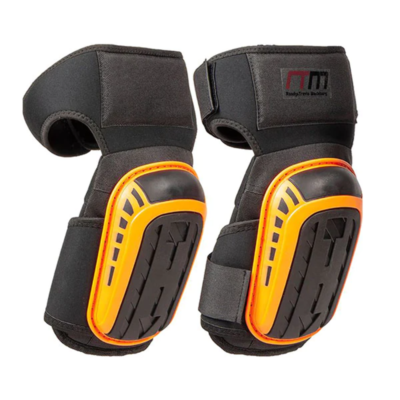
Hard caps on the outside help protect against sharp or rough surfaces. This prevents cuts and bruises while you work on wood or metal.
Slip Resistance
Slip resistance stops you from sliding on smooth floors or wet surfaces. It adds stability and helps avoid falls. Check the sole or bottom of the knee pad for good grip.
- Choose pads with rubber or textured bottoms
- Test the grip on your work surface
- Replace worn-out knee pads to keep safety high
Waterproof Features
Waterproof knee pads keep your knees dry in wet conditions. This prevents discomfort and skin problems. Waterproof materials also make cleaning easier.
| Material | Waterproof Level | Cleaning Ease |
| Neoprene | High | Simple wipe clean |
| Polyurethane | Medium | Wash with water |
| Leather | Low | Needs special care |
Credit: www.ebay.com.au

Credit: www.amazon.ca
Frequently Asked Questions
What Materials Are Best For Carpentry Knee Pads?
High-density foam or gel padding offers excellent comfort and shock absorption. Durable outer fabric like nylon resists wear and moisture. These materials protect knees during prolonged use and rough surfaces common in carpentry work.
How Important Is The Fit Of Knee Pads?
A snug fit prevents slipping and ensures consistent protection. Adjustable straps allow customization to your leg size. Proper fit reduces fatigue and discomfort during long carpentry sessions.
Should Knee Pads Be Waterproof For Carpentry Work?
Yes, waterproof knee pads help keep your knees dry in damp conditions. They prevent moisture buildup, reducing skin irritation and enhancing durability. This feature is essential for outdoor or wet job sites.
Are Gel Knee Pads Better Than Foam For Carpentry?
Gel pads provide superior cushioning and reduce pressure on knees. Foam pads are lighter and often more affordable but may compress faster. Gel knee pads are ideal for extended kneeling in carpentry tasks.
Conclusion
Choosing the right knee pads makes carpentry work safer and easier. Focus on comfort, fit, and protection when selecting knee pads. Durable materials help your pads last through tough jobs. Proper knee pads reduce pain and prevent injuries. Remember, good knee pads let you work longer without discomfort.
Take time to pick the best pair for your needs. Your knees will thank you after every project. Stay safe and keep building with the right knee pads.