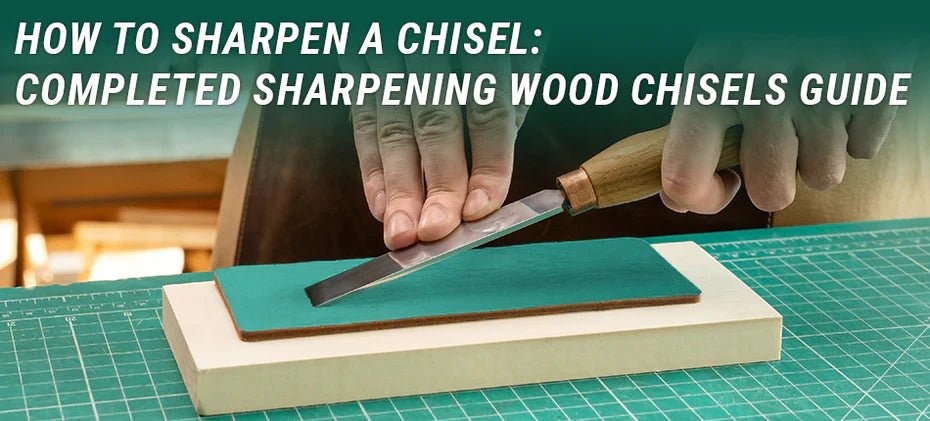
Are your chisel sets not performing as they should? If you find yourself struggling with dull edges that make woodworking more of a chore than a joy, you’re not alone.
Sharpening your chisels can make all the difference in your projects, transforming your tools from frustrating to fantastic. Imagine the satisfaction of gliding through wood with precision and ease, every cut as smooth as butter. In this guide, you’ll discover essential tips for sharpening chisel sets that will elevate your craftsmanship and make your woodworking endeavors more efficient and enjoyable.
Keep reading to uncover the secrets that will empower you to maintain razor-sharp chisels, ensuring every project is a masterpiece.
Choosing The Right Sharpening Tools
Choosing the right tools makes sharpening chisels easier. The right tools help keep the edge sharp and safe to use.
Using poor tools can damage your chisels or slow your work. It is important to pick tools that fit your skill level and chisel type.
Whetstones And Grit Levels
Whetstones are stones used to sharpen blades by grinding and polishing. They come in different grit levels that affect how much metal they remove.
Start with coarse grit to fix chips and dull edges. Use medium grit to sharpen the blade. Finish with fine grit to polish and smooth the edge.
- Coarse grit (200-400) removes metal quickly
- Medium grit (800-1000) sharpens the edge
- Fine grit (3000-8000) polishes the blade
Honing Guides And Jigs
Honing guides and jigs hold the chisel at a steady angle. This helps you sharpen evenly and avoid mistakes.
They are good for beginners and help keep the blade edge consistent. Some guides fit many chisel sizes, while others are adjustable.
- Keep the sharpening angle steady
- Reduce risk of uneven edges
- Fit different chisel sizes
Lubricants And Accessories
Lubricants like water or oil help whetstones work better. They carry away metal particles and stop the stone from clogging.
Different stones need different lubricants. Accessories like strops and leather pads help polish the edge for a sharper finish.
- Use water or oil based on stone type
- Keep the stone clean and smooth
- Strops polish and refine the edge

Credit: woodworkersinstitute.com
Preparing Chisels For Sharpening
Sharpening chisels starts with good preparation. Clean chisels carefully before working on them.
Check the blade and handle closely. Set the right angle for sharpening. Secure the chisel firmly in place.
Cleaning And Inspection
Remove dirt, rust, and old oil from the chisel blade. Use a wire brush or cloth for cleaning.
- Wipe the blade with a clean cloth
- Use rust remover if needed
- Check for chips or cracks on the edge
- Inspect the handle for damage
Setting The Bevel Angle
The bevel angle controls how the chisel cuts. Most chisels sharpen at 25 degrees.
| Chisel Type | Bevel Angle |
| Bench Chisel | 25° |
| Paring Chisel | 20° |
| Mortise Chisel | 30° |
Securing The Chisel
Hold the chisel steady during sharpening. Use a clamp or vise to keep it from moving.
- Place the chisel flat on a workbench
- Clamp the handle tightly but gently
- Check that the blade does not shift
- Ensure the sharpening surface is level
Sharpening Techniques
Sharpening chisel sets keeps your tools effective and safe. Good techniques help you get a sharp edge fast.
Use the right methods to sharpen evenly and protect the metal. This guide covers key tips for better sharpening.
Using Water Stones Effectively
Water stones are popular for sharpening chisels. Wet the stone before use to reduce friction and carry away metal particles.
- Soak stones in water for at least 10 minutes before sharpening.
- Use a circular or back-and-forth motion to sharpen the blade evenly.
- Apply light pressure to avoid removing too much metal too fast.
- Keep the stone wet during the process to prevent clogging.
Maintaining Consistent Angles
Keeping a steady angle is key for a sharp, lasting edge. Most chisels sharpen best between 25 and 30 degrees.
| Chisel Type | Recommended Angle |
| Bench Chisels | 25° to 30° |
| Paring Chisels | 20° to 25° |
| Mortise Chisels | 30° to 35° |
Use an angle guide or jig to keep angles steady. Practice holding the same tilt throughout sharpening.
Removing Burrs And Polishing
After sharpening, a burr forms on the blade edge. Remove it to get a clean, sharp finish.
- Flip the chisel and lightly rub the back on a fine stone.
- Use a leather strop with polishing compound for a smooth edge.
- Check the edge by carefully feeling for any rough spots.

Credit: www.rockler.com
Honing For Final Edge Refinement
Honing is a crucial step to finish sharpening your chisel sets. It smooths the edge and removes tiny burrs left by grinding.
Using the right tools and methods helps keep the chisel sharp and ready for precise work.
Choosing Honing Stones
Pick honing stones with fine grit to polish the chisel edge. Water stones and oil stones are common choices. The grit number shows how fine the stone is.
- Use coarse stones (around 1000 grit) to fix dull edges.
- Use medium stones (3000 to 6000 grit) for regular honing.
- Use fine stones (8000 grit and above) to polish the edge.
- Keep the stone wet if required for smoother honing.
Proper Stropping Methods
Stropping removes leftover burrs and aligns the edge. Use a leather strop with polishing compound for best results.
| Stropping Tips | Details |
| Direction | Pull chisel away from edge, not toward it |
| Pressure | Use light, even pressure for smooth finish |
| Compound | Apply fine abrasive compound to leather strop |
| Repetition | Strop 10–20 times per side for best edge |
Checking Edge Sharpness
Test the sharpness by carefully slicing thin wood shavings. A sharp chisel cuts easily without tearing.
- Look for smooth, clean cuts on soft wood.
- Check if the edge catches on your thumbnail slightly.
- Use a magnifier to spot any dull spots or nicks.
- Resharpen if the edge feels rough or uneven.
Common Mistakes To Avoid
Sharpening chisels is important for good woodworking results. Avoid mistakes that can damage your tools or cause injury.
Pay attention to how you sharpen chisels. This helps keep them sharp and safe to use for a long time.
Over-sharpening And Material Loss
Sharpening too often removes too much metal from the chisel. This shortens the tool’s life and wastes material.
Only sharpen your chisels when they feel dull. Use gentle strokes to keep the edge sharp without losing too much metal.
- Sharpen only when needed
- Use light pressure while sharpening
- Stop as soon as the edge is sharp
Uneven Bevels
An uneven bevel causes poor cuts and makes the chisel harder to control. It can also cause the edge to dull faster.
Keep the bevel angle steady while sharpening. Use guides or jigs if needed to maintain the correct angle.
- Check bevel angle regularly
- Use a sharpening guide for consistency
- Sharpen all parts of the bevel evenly
Neglecting Safety Precautions
Sharpening chisels can be dangerous without proper safety steps. You might cut yourself or damage the tool.
Wear protective gloves and keep your work area clean. Always sharpen away from your body and keep fingers clear of the blade.
- Wear cut-resistant gloves
- Sharpen away from your body
- Keep fingers clear of the blade
- Work in a clean, well-lit area

Credit: woodworkersinstitute.com
Maintaining Sharpness Between Uses
Keeping your chisels sharp between uses saves time and effort. Proper care can extend the edge life and improve your work quality.
Small habits help keep your tools ready and safe for the next project.
Proper Storage Techniques
Store chisels in a dry place to avoid rust and damage. Use a toolbox or a wooden rack designed for chisels.
- Keep chisels separate to prevent blades from hitting each other
- Store with blades facing up or protected
- Use silica gel packs to reduce moisture
- Clean and dry chisels before storing
Routine Touch-ups
Touch up chisels regularly with a sharpening stone or strop. This keeps edges keen and safe.
| Tool | Frequency | Method |
| Chisel | After every few uses | Use fine sharpening stone or leather strop |
| Chisel | When edge feels dull | Honing with abrasive paste on strop |
Using Protective Covers
Protective covers guard the blade from nicks and moisture. They also protect your hands when handling chisels.
Types of protective covers:
- Leather sleeves
- Plastic blade guards
- Magnetic blade holders
Frequently Asked Questions
How Often Should I Sharpen My Chisel Set?
Sharpen your chisels whenever they feel dull or struggle to cut wood smoothly. Regular sharpening ensures precision and safety during use.
What Tools Do I Need To Sharpen Chisels Effectively?
You need a sharpening stone, honing guide, water or oil, and a leather strop for best results. These tools help maintain a sharp, polished edge.
Can I Sharpen Chisels Without Professional Equipment?
Yes, you can use sandpaper on a flat surface for basic sharpening. However, professional stones provide a sharper and more durable edge.
What Is The Best Angle For Sharpening Chisels?
Sharpen chisels at a 25 to 30-degree bevel angle for general woodworking. This angle balances sharpness with edge durability.
Conclusion
Sharpening chisel sets keeps your tools effective and safe. Regular care saves time and effort during projects. Use the right stones and techniques for best results. A sharp chisel cuts smoothly and reduces accidents. Practice sharpening often to improve your skill.
Keep your chisels clean and dry after use. Taking these steps helps your tools last longer. Sharpening is simple with patience and proper tools. Your work will look neater and feel easier. Keep sharpening as part of your routine.