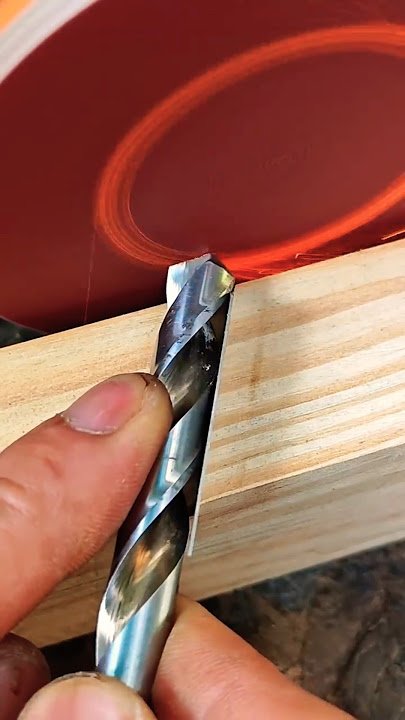
Are your drill bits not cutting like they used to? You might think it’s time to toss them out and buy new ones, but what if I told you there’s a simpler, more cost-effective solution?
Sharpening your drill bits can breathe new life into them, saving you money and time. Imagine the satisfaction of effortlessly drilling through materials, knowing your tools are performing at their best. We’ll guide you through practical tips to sharpen your drill bits, ensuring they’re always ready for the job.
So, if you want to master the art of keeping your tools in top shape, stick around—you won’t want to miss these valuable insights.

Credit: www.youtube.com
Choosing The Right Drill Bits
Choosing the right drill bit is key to a smooth drilling job. Different materials need specific bits for best results.
Using the wrong bit can cause damage or wear out your tools faster. Learn how to pick and care for your drill bits.
Material Types And Uses
Drill bits come in many types, each designed for certain materials. Using the right type prevents breakage and improves work quality.
| Drill Bit Type | Material | Use |
| High-Speed Steel (HSS) | Wood, Plastic, Metal | General purpose drilling |
| Cobalt | Hard Metals | Drilling tough metals like stainless steel |
| Titanium Coated | Metal, Wood | Longer life and less heat build-up |
| Carbide-Tipped | Concrete, Masonry | Heavy-duty drilling in hard surfaces |
Signs Your Bits Need Sharpening
Dull drill bits make work harder and damage materials. Watch for signs that your bits need sharpening.
- Drilling feels slower or needs more pressure
- Bits produce more heat than usual
- Edges look rounded or chipped
- Drill holes are rough or uneven
- Bits get stuck or slip in the material

Credit: www.youtube.com
Essential Tools For Sharpening
Sharpening drill bits needs the right tools to get good results. Using proper tools helps keep the drill bits sharp and safe to use.
This guide covers two main tool types for sharpening drill bits: grinding wheels and files, plus sharpening jigs and guides.
Grinding Wheels And Files
Grinding wheels and files are common tools to sharpen drill bits. Each tool suits different needs and skill levels.
- Grinding Wheels:These spin fast and shape the drill tip quickly. Use a wheel made for metal to avoid damage.
- Hand Files:Files give more control for small touch-ups. A fine-toothed file works best for drill bits.
- Diamond Files:These are good for very hard metals and keep the edge smooth.
- Bench Grinder:A bench grinder with a grinding wheel holds the bit steady for easier sharpening.
Sharpening Jigs And Guides
Jigs and guides help keep the drill bit at the correct angle. This makes sharpening easier and more accurate.
| Tool | Function | Benefit |
| Drill Bit Sharpening Jig | Holds bit at the right angle | Prevents uneven sharpening |
| Angle Guide | Shows the correct tip angle | Ensures consistent results |
| Clamp Guide | Secures drill bit firmly | Keeps bit steady during work |
Step-by-step Sharpening Process
Sharpening drill bits improves cutting and extends tool life. Follow these steps carefully for best results.
Use the right tools and techniques to keep your drill bits sharp and safe to use.
Preparing The Drill Bit
Start by cleaning the drill bit to remove dirt and grease. Check for damage or wear before sharpening.
- Use a wire brush or cloth to clean the bit
- Inspect the bit for cracks or chips
- Mark the cutting edges with a pencil for guidance
- Secure the drill bit in a vise to hold it steady
Maintaining Proper Angles
Keeping the correct angle is key for a sharp drill bit. The usual angle is 118 degrees for general use.
| Drill Bit Type | Recommended Angle |
| Standard Twist Bit | 118° |
| Brad Point Bit | 90° |
| Masonry Bit | 135° |
Hold the bit at the right angle against the sharpening stone or grinder. Avoid overheating the bit.
Balancing Both Cutting Edges
Sharpen both cutting edges equally. Uneven edges cause the bit to wander while drilling.
- Sharpen one edge with smooth, even strokes
- Flip the bit and sharpen the other edge to match
- Check the edges for symmetry and sharpness
- Test the bit by drilling a scrap piece of wood
Advanced Sharpening Techniques
Sharpening drill bits improves their cutting ability and extends their life. Advanced techniques help achieve precise edges for better drilling.
These methods require careful handling and the right tools. Learning them ensures your drill bits stay sharp and work efficiently.
Using A Bench Grinder
A bench grinder is a powerful tool for sharpening drill bits quickly. It removes material fast and shapes the bit’s tip with accuracy.
Hold the drill bit at the correct angle against the spinning wheel. Keep the bit moving to avoid overheating and damaging it.
- Use a fine-grit grinding wheel for a smooth finish
- Maintain a 59-degree angle on the bit tip
- Cool the bit often by dipping it in water
- Check the edges for symmetry and sharpness
Sharpening With A Drill Bit Sharpener
A drill bit sharpener is a specialized tool designed to make sharpening easier. It guides the bit to the correct angle for consistent results.
Insert the drill bit into the sharpener and rotate it as directed. This tool reduces the chance of errors and creates a clean cutting edge.
- Choose a sharpener that fits your drill bit sizes
- Follow the tool’s instructions carefully
- Use light pressure to avoid removing too much material
- Regularly inspect the bit for a balanced tip
Safety Tips During Sharpening
Sharpening drill bits is a useful skill. It helps keep your tools working well.
Always follow safety rules during sharpening. This prevents injuries and accidents.
Personal Protective Equipment
Wear the right gear to protect your eyes and hands. Safety glasses stop sparks and dust.
Use gloves to avoid cuts. Hearing protection helps if using loud sharpening tools.
- Safety glasses or goggles
- Cut-resistant gloves
- Hearing protection (earplugs or earmuffs)
- Dust mask if needed
Handling Tools Safely
Keep your hands clear of the sharpening wheel or blade. Always hold drill bits firmly.
Turn off and unplug tools before changing or adjusting bits. Check tools for damage before use.
- Hold drill bits with a secure grip
- Keep fingers away from sharp edges
- Unplug electric sharpeners before adjustments
- Inspect tools for cracks or wear
- Work in a clean, well-lit area
Maintaining Sharpened Bits
Keeping your drill bits sharp is important for good drilling results. Proper care helps them last longer and work better.
After sharpening, maintaining the bits with the right methods prevents damage and keeps them ready for use.
Proper Storage Methods
Store drill bits in a dry place to avoid rust. Use containers that keep bits separated to stop them from hitting each other.
- Use a drill bit case with slots for each bit
- Keep bits in a toolbox with silica gel packs to absorb moisture
- Label storage containers for easy bit size identification
- Avoid tossing bits loosely in drawers or bags
Regular Inspection And Care
Check your sharpened bits often for signs of wear or damage. Clean them after each use to remove dirt and metal shavings.
| Inspection Point | What to Look For | Care Tip |
|---|---|---|
| Cutting edges | Chips or dullness | Resharpen or replace if worn out |
| Shank | Bends or cracks | Do not use bent bits; discard damaged ones |
| Surface | Rust spots | Clean and apply light oil to prevent rust |

Credit: www.youtube.com
Frequently Asked Questions
How Often Should You Sharpen Drill Bits?
Sharpen drill bits when they become dull or slow. Frequent use causes wear, reducing efficiency. Regular sharpening improves performance and extends bit life.
What Tools Are Best For Sharpening Drill Bits?
Use a bench grinder, sharpening stone, or specialized drill bit sharpener. These tools ensure precise angles and smooth edges for effective cutting.
Can I Sharpen Drill Bits At Home Safely?
Yes, with proper tools and safety gear. Wear goggles and gloves. Follow instructions carefully to avoid accidents and maintain bit quality.
What Angle Is Ideal For Sharpening Drill Bits?
Typically, a 118-degree angle suits general-purpose bits. Specialty bits may require different angles. Correct angles ensure efficient cutting and longer bit life.
Conclusion
Sharpening drill bits saves money and improves work quality. Regular sharpening keeps bits cutting clean and fast. Use the right tools and take your time. Watch the angle and keep the edges even. Small efforts lead to better results and longer tool life.
Practice makes the process easier and quicker. Keep your drill bits sharp to get the best performance every time. Simple steps bring big benefits in your projects.