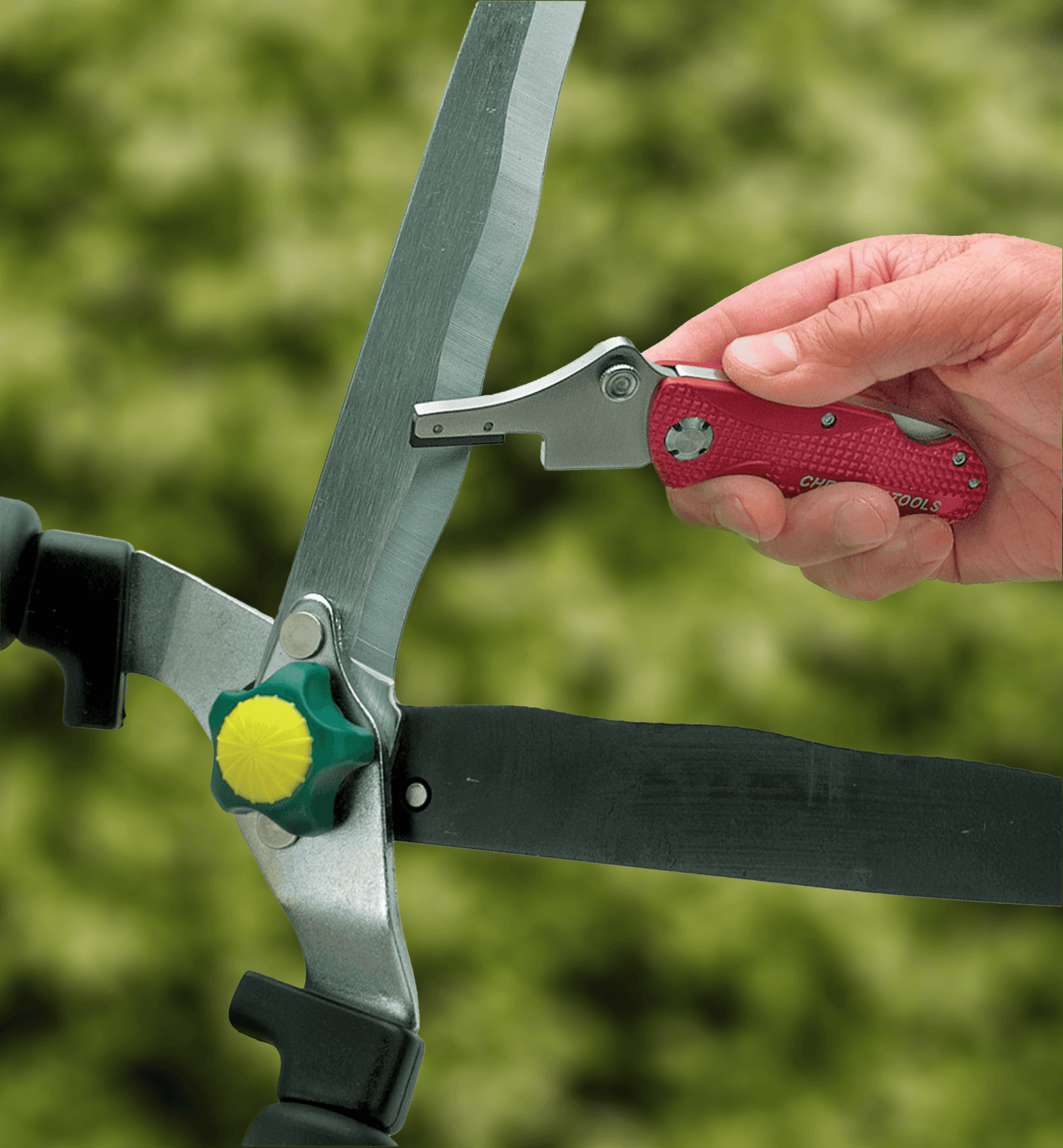
Are your garden knives starting to feel dull and tough to use? A sharp knife makes all the difference when you’re pruning plants, harvesting vegetables, or tackling tough garden tasks.
But sharpening your garden knives doesn’t have to be complicated or time-consuming. You’ll discover simple, effective tips that will help you restore your knives to their best cutting edge. Keep reading to learn how to make your garden work easier and more enjoyable with just a few easy steps.

Credit: www.youtube.com
Choosing The Right Sharpening Tools
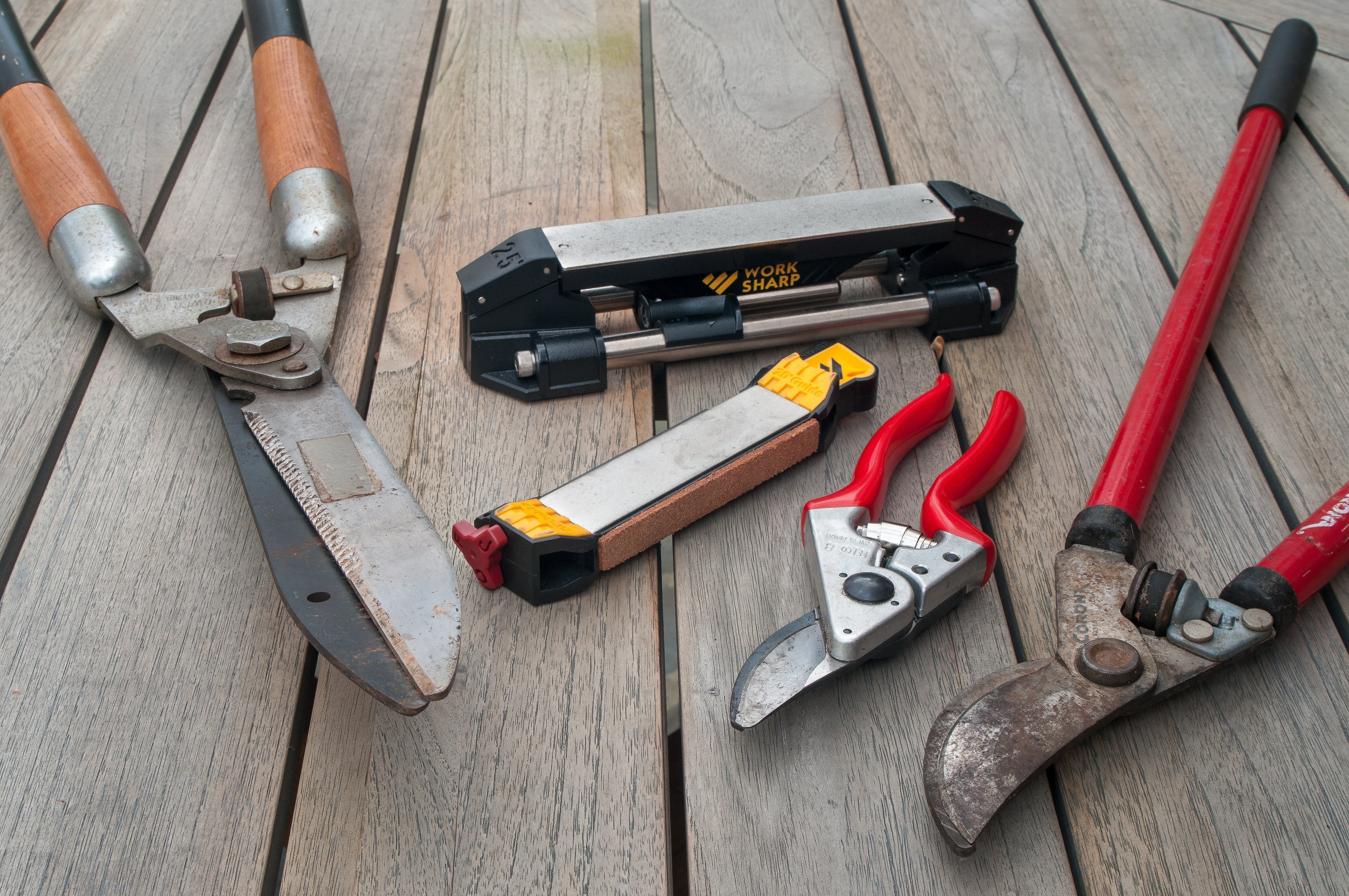
Keeping garden knives sharp makes cutting easier and safer. Choosing the correct sharpening tools helps keep your knives in top shape. There are different tools for different needs.
Knowing the types of sharpening stones, honing rods, and sharpeners helps you pick the best tool. Each tool works differently and suits certain knife conditions.
Types Of Sharpening Stones
Sharpening stones come in many types. They differ by material and grit size. Each type removes metal differently to sharpen the blade.
- Oil Stones:Use oil as lubricant. They are durable and cut slowly.
- Water Stones:Use water instead of oil. They cut faster and need soaking before use.
- Diamond Stones:Use diamond grit. They are very hard and fast cutting.
- Ceramic Stones:Made from ceramic material. They are fine and good for finishing edges.
Using Honing Rods
Honing rods keep the edge straight without removing much metal. They are good for regular maintenance. Use a ceramic or steel rod depending on your knife type.
| Rod Type | Best Use | Material |
| Steel Rod | Realign edges | Hardened steel |
| Ceramic Rod | Fine sharpening | Ceramic |
| Diamond Rod | Sharpen dull blades | Diamond-coated steel |
Electric Vs Manual Sharpeners
Electric sharpeners speed up sharpening but may remove more metal. Manual sharpeners give control but need more skill. Choose based on how often you sharpen and your skill level.
- Electric Sharpeners:Fast and easy. Good for quick fixes.
- Manual Sharpeners:More control and less metal removal.
- Consider Knife Type:Some sharpeners suit certain blade types better.
Preparing Your Garden Knife
Sharpening your garden knife starts with good preparation. Taking care of the blade makes sharpening easier and safer.
Preparing the knife well helps it last longer and work better in your garden.
Cleaning The Blade
Clean the blade before sharpening to remove dirt and sap. This stops damage during sharpening.
Use warm water and soap to wash the blade. Dry it completely to avoid rust.
- Use a soft cloth or sponge
- Remove all soil and plant residue
- Dry with a clean towel
Inspecting For Damage
Look closely at the blade for cracks, chips, or rust spots. Damage affects sharpening and safety.
Check the handle for loose parts or cracks. A strong handle keeps the knife steady while you work.
- Examine edges for dents or bends
- Look for rust patches or stains
- Test handle tightness and condition
Safety Precautions
Wear gloves to protect your hands from cuts. Use eye protection if you plan to use power tools.
Work in a well-lit, clean area. Keep children and pets away while sharpening.
- Wear cut-resistant gloves
- Use safety glasses if needed
- Keep your workspace clear and bright
- Store knives safely after sharpening
Sharpening Techniques
Keeping your garden knives sharp makes cutting easier and safer. Using the right sharpening techniques helps maintain the blade’s edge.
This guide explains key tips to sharpen your garden knives properly. Follow these steps to get the best results.
Correct Angle For Sharpening
Sharpening at the right angle keeps the blade sharp longer. Most garden knives need a 20 to 25-degree angle.
Hold the knife steady and match this angle on your sharpening tool. Avoid sharpening at too steep or too flat an angle.
- 20 to 25 degrees is ideal for garden knives
- Keep the angle steady during sharpening
- Use a guide if you find it hard to hold the angle
Step-by-step Sharpening Process
Follow clear steps to sharpen your garden knife well. Start by cleaning the blade before sharpening.
Use a sharpening stone or tool and run the blade along it evenly. Repeat on both sides for a balanced edge.
- Clean the blade to remove dirt and rust
- Place the sharpening stone on a flat surface
- Hold the knife at the correct angle
- Slide the blade across the stone from heel to tip
- Sharpen each side evenly, about 5-10 strokes
- Wipe the blade clean after sharpening
Maintaining Consistent Pressure
Apply even pressure during sharpening. Press too hard and you can damage the blade or stone.
Use smooth, light strokes. Let the stone do the work instead of forcing the blade.
- Hold the knife firmly but gently
- Use steady, even pressure along the blade
- Avoid pressing too hard or too softly
- Keep strokes smooth and controlled

Credit: www.familyhandyman.com
Finishing And Polishing
Sharpening garden knives is not complete without finishing and polishing. These steps help keep the blade smooth and strong.
Proper finishing removes rough edges and protects the blade from rust and damage.
Removing Burrs
A burr is a small, rough edge left after sharpening. Removing burrs keeps the blade clean and safe.
Use a fine sharpening stone or strop to gently remove burrs. This step makes the edge smoother.
- Hold the blade at a low angle
- Lightly run the edge on the stone or leather
- Check the edge for smoothness often
Honing For A Razor Edge
Honing straightens the blade edge after sharpening. It helps the knife cut better and last longer.
Use a honing rod or fine stone. Move the blade gently along the tool at the right angle.
- Keep the blade at about 20 degrees
- Move from heel to tip in smooth strokes
- Repeat on both sides evenly
Polishing The Blade
Polishing removes tiny scratches and gives the blade a shiny finish. This protects the metal from rust.
Use a polishing cloth or very fine abrasive paste. Rub the blade gently until it shines.
- Apply a small amount of paste or polish
- Use circular motions with a soft cloth
- Wipe clean after polishing
Maintaining Sharpness Over Time
Keeping your garden knives sharp makes cutting plants easier. Sharp blades help you work faster and safer.
Regular care stops knives from getting dull quickly. Small habits keep the edge strong for a long time.
Proper Storage Tips
Store your garden knives in a dry place to avoid rust. Keep blades away from hard surfaces that can damage edges.
- Use a knife sheath or blade guard for protection
- Hang knives on a magnetic strip or pegboard
- Keep knives separate from other tools to prevent nicks
Regular Honing Routine
Honing helps keep the blade edge straight and sharp. Use a honing steel or sharpening stone regularly for best results.
Check your knife’s sharpness before each use. A quick hone is better than waiting for the blade to dull.
- Hold the honing tool at a 20-degree angle
- Run the blade gently along the tool on both sides
- Repeat 5 to 10 times per side for best results
Avoiding Common Mistakes
Do not cut on hard surfaces like concrete or stone. This dulls blades quickly and may cause chips.
Never use your garden knife for prying or twisting. This damages the blade and affects sharpness.
- Do not leave knives outside in wet conditions
- Avoid using dull knives as they need more force and risk slipping
- Use the right knife for the task to protect the edge
Credit: worksharptools.com
Frequently Asked Questions
How Do You Sharpen Garden Knives Effectively?
To sharpen garden knives effectively, use a whetstone or diamond file. Hold the blade at a 20-degree angle. Move the blade in a circular motion. Repeat on both sides until sharp. Regular maintenance ensures long-lasting performance.
What Tools Are Best For Knife Sharpening?
Whetstones, diamond files, and sharpening rods are best for knife sharpening. These tools ensure precision and efficiency. They maintain the knife’s edge and prolong its lifespan. Regular use keeps your garden tools in top condition.
How Often Should Garden Knives Be Sharpened?
Garden knives should be sharpened after every 5-10 uses. This depends on usage frequency and task intensity. Regular sharpening ensures optimal performance. It reduces the effort required for gardening tasks. Consistent maintenance extends the life of your tools.
Can I Use Household Items For Sharpening?
Yes, you can use household items like a coffee mug’s unglazed bottom. It’s a quick fix for dull edges. However, specialized tools are recommended for best results. They ensure precision and maintain the knife’s integrity. Regular maintenance with proper tools is ideal.
Conclusion
Sharpening garden knives keeps them safe and easy to use. Regular care helps your tools last longer. Use the right tools and follow simple steps. A sharp knife makes gardening quicker and more fun. Keep your blades clean and dry after sharpening.
Small efforts bring great results in your garden work. Try these tips and see the difference yourself. Happy gardening!