Imagine gliding your hand plane over a piece of wood, leaving behind a perfectly smooth surface. The secret?
A razor-sharp blade. If you’ve ever struggled with a dull hand plane that leaves your wood looking ragged instead of refined, you’re not alone. But there’s good news: sharpening your hand plane blades doesn’t have to be a daunting task.
In this guide, you’ll discover simple yet effective tips to breathe new life into your hand plane blades. Whether you’re a seasoned woodworker or just starting out, understanding how to keep your tools in top shape can transform your projects from frustrating to fulfilling. Ready to enhance your woodworking skills and achieve that pristine finish every time? Let’s dive into the essential tips for sharpening your hand plane blades. Your next masterpiece depends on it!
Choosing The Right Sharpening Tools
Sharpening hand plane blades needs the right tools. Good tools make the process easier and faster.
Choosing the right sharpening tools helps keep blades sharp and safe to use.
Whetstones And Their Grits
Whetstones are stones used to sharpen blades by grinding and polishing the edge. They come in different grits.
Coarse grits remove chips and shape the blade. Fine grits polish and refine the edge for sharpness.
- Coarse grit: 220 to 400 – for heavy sharpening
- Medium grit: 800 to 1200 – for regular sharpening
- Fine grit: 3000 to 8000 – for polishing and finishing
Honing Guides And Jigs
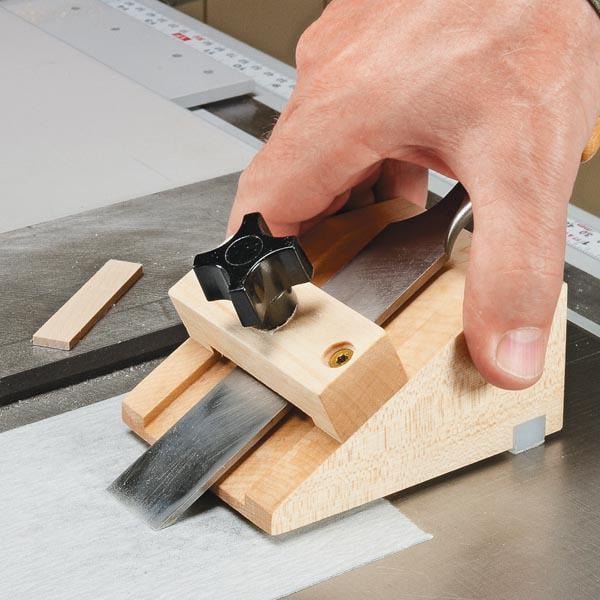
Honing guides keep the blade at a steady angle during sharpening. This helps create a consistent edge.
Jigs hold the blade firmly. They reduce errors and make sharpening safer and easier for beginners.
- Simple honing guides help keep the angle steady
- Adjustable jigs fit different blade sizes
- Some jigs attach directly to whetstones
Lubricants And Sharpening Stones
Lubricants like water or oil help whetstones work better. They wash away metal particles and reduce friction.
Use the right lubricant with your sharpening stone. Water stones need water, oil stones need oil.
- Water for water stones keeps the surface clean
- Oil for oil stones prevents clogging
- Never mix lubricants with different stones
Credit: www.familyhandyman.com
Preparing The Blade
Sharpening a hand plane blade starts with proper preparation. This process ensures the blade will cut smoothly and last longer.
Two important steps in preparation are cleaning and inspection, followed by setting the correct bevel angle for sharpening.
Cleaning And Inspection
Before sharpening, clean the blade to remove dirt, rust, and oil. This helps you see any damage clearly.
- Use a cloth with light oil or rust remover for cleaning.
- Check the blade edge for chips, nicks, or cracks.
- Look for signs of wear or uneven surfaces on the blade.
- Ensure the blade is dry before moving to the next step.
Setting The Correct Bevel Angle
The bevel angle affects how the blade cuts wood. Set the angle right before sharpening for best results.
| Tool Type | Typical Bevel Angle |
| Standard Bench Plane | 25° |
| Low-Angle Block Plane | 12° to 20° |
| Specialty Planes (e.g., Scrub Plane) | 30° to 35° |
Use a guide or jig to hold the blade steady at the correct angle while sharpening. This keeps the edge even and sharp.
Sharpening Techniques
Sharpening hand plane blades improves their cutting ability. Proper techniques keep the blades sharp longer.
Using the right tools and methods helps you achieve a clean, precise edge on the blade.
Using Water Stones Effectively
Water stones require soaking before use. Keep them wet during sharpening for smooth results.
- Soak the stone in water for 10 to 15 minutes.
- Keep splashing water on the stone while sharpening.
- Use light to medium pressure for each stroke.
- Sharpen in a circular or back-and-forth motion.
- Start with coarse grit and finish with fine grit stones.
Maintaining Consistent Pressure
Consistent pressure helps create an even edge on the blade. Uneven pressure causes irregular sharpening.
| Pressure Level | Effect |
| Too Light | Slow sharpening, uneven edge |
| Consistent Medium | Even edge, faster sharpening |
| Too Heavy | Stone wear, blade damage |
Creating A Sharp Primary Bevel
The primary bevel is the first angled surface on the blade. Sharpen it carefully for best results.
Follow this order to create a sharp bevel:
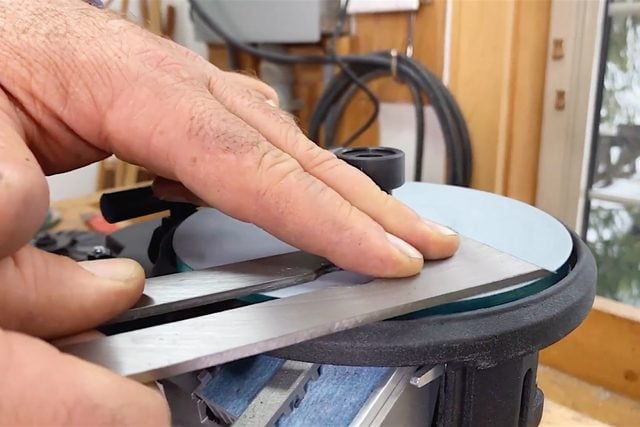
- Set the blade angle to about 25 degrees on the stone.
- Use smooth, controlled strokes along the stone.
- Check the bevel edge often for evenness.
- Stop when a consistent shiny edge forms.
Honing For A Razor Edge
Honing your hand plane blades creates a sharp edge for smooth cuts. This process refines the blade after grinding.
Careful honing improves the blade’s cutting power and extends its life.
Polishing The Secondary Bevel
The secondary bevel is a small angled surface behind the cutting edge. Polishing it removes scratches and refines the edge.
- Use fine grit stones or diamond plates for polishing.
- Keep the same angle as the primary bevel, usually 25 to 30 degrees.
- Apply light, even pressure during polishing.
- Check the surface often to avoid over-polishing.
Stropping Methods
Stropping aligns the edge and removes the last burr. You can strop with leather or synthetic materials.
| Stropping Type | Description | Benefits |
| Leather Strop | Traditional leather strip treated with compound. | Polishes edge and improves sharpness. |
| Cardboard Strop | Stiff surface with stropping compound. | Good for quick touch-ups. |
| Synthetic Strop | Made from durable materials with abrasive paste. | Long-lasting and consistent results. |
Detecting A Burr
A burr is a small, raised edge of metal that shows you sharpened the blade well. Detect it by touch or sight.
- Run your fingertip gently along the blade edge, away from the sharp side.
- Feel for a slight roughness or tiny wire edge.
- Look closely under good light for a thin lip of metal.
- If no burr forms, continue honing until it does.
Testing And Adjusting The Blade
After sharpening your hand plane blade, you must test its sharpness and adjust it correctly. This step ensures smooth, clean cuts on wood. Small changes can improve your results significantly.
Use simple methods to check the blade’s edge and angle. Then, put the blade back and fine-tune the plane for the best performance.
Checking Sharpness On Wood
Test the blade by planing a piece of softwood. Look for clean, thin shavings. Rough or torn wood means the blade needs more sharpening.
- Hold the plane with a firm grip.
- Push it along the wood grain smoothly.
- Check the shaving thickness and smoothness.
- Listen for a steady cutting sound.
- Repeat sharpening if shavings are uneven.
Fine-tuning The Blade Angle
Adjust the blade angle to improve cutting quality. Small changes can make a big difference in performance.
| Blade Angle | Effect on Cutting |
|---|---|
| Lower angle (25°–30°) | Easier cutting, less effort |
| Higher angle (35°–40°) | Cleaner cuts on hard wood |
| Very high angle (45°+) | Better for tricky grain |
Use the plane’s adjustment knob or lever cap to change the blade angle. Test after each adjustment to find the best setting.
Reassembling The Hand Plane
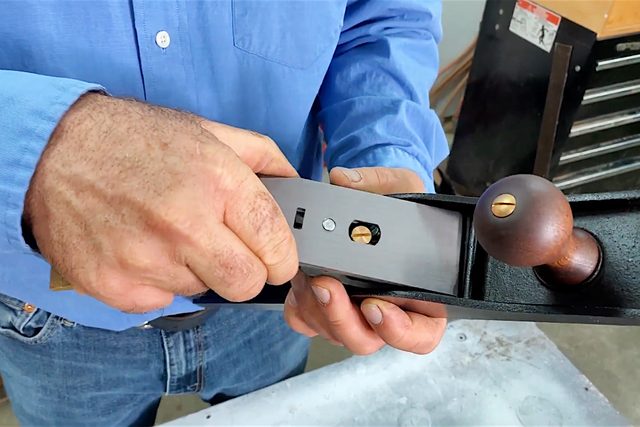
Put the blade back into the plane carefully. Make sure all parts fit tightly and securely.
- Place the blade into the frog slot.
- Secure the lever cap or screws firmly.
- Adjust the blade depth with the knob.
- Check that the blade is parallel to the sole.
- Tighten all parts without overdoing it.

Credit: paulsellers.com
Maintenance Tips For Longevity
Keeping hand plane blades sharp is key for smooth woodworking. Regular care helps your blades last longer and work better.
Follow simple maintenance tips to protect your blades from damage and wear. This guide covers sharpening, storage, and common errors to avoid.
Regular Sharpening Schedule
Sharpening your hand plane blade often keeps the edge clean and effective. Avoid dull blades that make work harder.
- Check the blade edge before each use for dullness or chips.
- Use a sharpening stone or system to maintain a smooth, sharp edge.
- Hone the blade lightly after every few uses to keep it sharp.
- Do a full sharpening when you see visible wear or rough cuts.
Proper Storage Techniques
Store your hand plane blades to avoid moisture and physical damage. Proper storage prevents rust and keeps blades ready to use.
| Storage Method | Benefit |
| Dry, cool place | Prevents rust formation |
| Protective blade cover | Shields from nicks and scratches |
| Separate from other tools | Avoids accidental damage |
| Light oil coating | Stops moisture buildup |
Avoiding Common Mistakes
Many users make mistakes that shorten blade life. Avoid these errors to keep your blades sharp and safe.
- Do not use the blade on hard materials like nails or screws.
- Never force the blade if it feels stuck in wood.
- Avoid skipping honing after sharpening sessions.
- Do not store blades wet or in humid areas.
- Never use improper sharpening angles or tools.
Credit: www.familyhandyman.com
Frequently Asked Questions
How Often Should I Sharpen Hand Plane Blades?
Sharpen hand plane blades regularly for best results. Frequency depends on usage and wood type. Dull blades reduce efficiency and finish quality. Inspect blades before each project to ensure sharpness. Frequent sharpening maintains smooth, clean cuts and prolongs blade life.
What Is The Best Method To Sharpen Hand Plane Blades?
Use a sharpening stone or diamond plate for best results. Begin with coarse grit, then progress to finer grit. Maintain a consistent angle of 25-30 degrees during sharpening. Finish with honing for a razor-sharp edge. Proper technique ensures smooth, precise cuts.
Can I Sharpen Hand Plane Blades At Home?
Yes, sharpening hand plane blades at home is easy. Use common tools like sharpening stones or honing guides. Follow step-by-step techniques for consistent angles and edges. Regular home sharpening saves money and improves woodworking quality. Practice enhances skill and confidence.
How Do I Maintain The Sharpness Of Hand Plane Blades?
Keep blades clean and dry after use to prevent rust. Store blades in a protective case or wrap in cloth. Regularly hone the blade edge to maintain sharpness between sharpenings. Avoid cutting nails or hard materials that dull edges quickly.
Conclusion
Sharpening hand plane blades takes practice and patience. Keep your tools clean and use the right sharpening stones. Regularly check the blade’s edge for smooth cuts. Small steps make a big difference in your woodworking. Stay consistent, and your blades will stay sharp longer.
Enjoy better results with every project you work on. Simple care leads to great performance every time. Keep sharpening, and your hand plane will work like new.