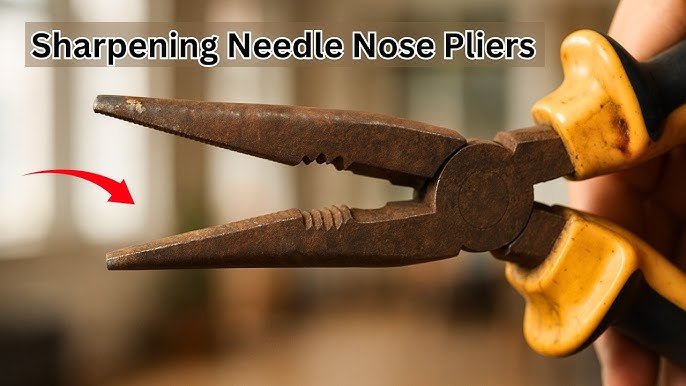
Are your pliers feeling dull and less effective? Sharpening them might seem tricky, but with the right tips, you can bring back their edge quickly and safely.
Imagine saving time, effort, and money by doing it yourself. This guide will show you simple steps to sharpen your pliers efficiently, so they work like new every time you use them. Keep reading, and you’ll discover easy tricks that make a big difference in your tools’ performance.

Credit: www.reddit.com
Choosing The Right Pliers
Choosing the right pliers is key to sharpening them well. Not all pliers need sharpening.
Knowing which pliers can be sharpened saves time and effort. It also keeps your tools safe.
Types Of Pliers Suitable For Sharpening
Not all pliers have edges that can be sharpened. Some pliers are better for cutting and gripping.
Pliers with cutting edges, like diagonal cutters, can be sharpened to work better.
- Diagonal cutting pliers
- Needle-nose pliers with cutting edges
- Wire cutters
- Linesman pliers with cutting parts
Identifying Wear And Dullness
Look closely at your pliers to see if they are dull. Dull edges do not cut well and need sharpening.
Signs of wear include chips, nicks, and rounded edges on the cutting parts.
- Edges look rounded or blunt
- Small chips or dents on blades
- Difficulty cutting wires or materials
- Slipping instead of cutting cleanly
Credit: www.familyhandyman.com
Essential Tools For Sharpening
Sharpening pliers needs the right tools. Good tools make the job easier and faster.
Using proper tools keeps your pliers safe and sharp. It helps you work better every time.
Files And Sharpening Stones
Files help you remove rust and shape the metal on pliers. They come in different sizes and coarseness.
Sharpening stones smooth the edges after filing. They make the cutting edges sharper and clean.
- Use a flat file for straight edges on pliers
- Choose a fine file to finish the sharp edge
- Wet sharpening stones with water to reduce heat
- Move stones in a circular or back-and-forth motion
Using A Bench Grinder Safely
A bench grinder sharpens pliers quickly but needs care. Safety is very important when using it.
Wear safety glasses and gloves to protect your eyes and hands. Keep your work area clean and well-lit.
- Hold the pliers firmly while grinding
- Do not press too hard on the grinder wheel
- Keep the grinder wheel moving to avoid overheating
- Use the tool rest to keep pliers steady
- Turn off and unplug the grinder when finished
Step-by-step Sharpening Process
Sharpening pliers keeps them working well and safe to use. This guide shows you how to sharpen pliers step by step.
Follow these simple steps to make your pliers sharp and ready for any task.
Preparing The Pliers
Clean the pliers to remove dirt and rust. Use a wire brush or cloth for cleaning.
Secure the pliers in a vise or clamp to hold them steady. This helps you sharpen safely and evenly.
- Remove grease and dirt with a cloth
- Use a wire brush to clear rust
- Clamp the pliers tightly in a vise
- Wear safety glasses and gloves
Maintaining The Correct Angle
Hold the sharpening tool at the right angle to the pliers’ jaws. Usually, this angle is about 20 degrees.
Keeping this angle steady helps create a sharp edge without damaging the metal.
- Check the angle before you start
- Keep the angle consistent during sharpening
- Use a guide if needed to hold the angle
- Do not press too hard on the tool
Sharpening Both Jaws Evenly
Sharpen each jaw of the pliers equally. This keeps the jaws aligned and working well together.
Use smooth strokes and check often to avoid over-sharpening one side.
- Sharpen the top jaw first
- Repeat the same number of strokes on the bottom jaw
- Check alignment by closing the pliers
- Stop sharpening when edges look even and sharp

Credit: www.duroxtools.com
Quick Techniques For On-the-spot Sharpening
Keeping your pliers sharp helps you work faster and safer. You can sharpen pliers quickly with simple tools. These quick techniques let you fix dull pliers without a full workshop setup.
Two easy ways to sharpen pliers on the spot are using a pocket file and a Dremel tool. Each method suits different needs and tool types.
Using A Pocket File
A pocket file is small and portable. You can carry it in your tool kit for quick touch-ups. It works best on minor nicks and dull edges.
- Hold the pliers firmly in one hand.
- Use the file to rub along the cutting edge at a slight angle.
- Move the file in one direction, not back and forth.
- Check the sharpness after a few strokes.
- Repeat if needed until the edge feels smooth and sharp.
Employing A Dremel Tool
A Dremel tool speeds up sharpening. It removes metal quickly and shapes the edge well. Use a grinding or sanding attachment for best results.
| Tool Setting | Purpose | Tip |
| Grinding Stone | Sharpening cutting edges | Use low speed to avoid overheating |
| Sanding Drum | Smoothing rough spots | Apply light pressure |
| Wire Brush | Cleaning metal before sharpening | Keep tool steady |
Safety Tips During Sharpening
Sharpening pliers can be dangerous if you do not follow safety rules. Protect yourself to avoid injuries.
Use the right tools and stay focused during the sharpening process. Safety helps you finish the job well.
Wearing Protective Gear
Wear safety glasses to protect your eyes from small metal bits. These bits can fly off while sharpening.
Use gloves to protect your hands from sharp edges and accidental slips. Wear a dust mask if needed.
- Safety glasses or goggles
- Thick work gloves
- Dust mask or respirator
- Long sleeves to protect arms
Securing The Pliers Properly
Hold the pliers firmly using a clamp or a vise. This stops the pliers from moving during sharpening.
Make sure the pliers are stable and will not slip. This reduces the risk of injury and improves sharpening.
- Use a bench vise or clamp
- Check the grip before sharpening
- Keep your hands away from the blade
- Work on a stable surface
Maintaining Sharpness Longer
Keeping pliers sharp helps them work better and last longer. Sharp tools save time and effort.
Proper care after sharpening keeps the edges sharp and prevents damage. Follow easy tips to maintain sharpness.
Regular Cleaning And Lubrication
Dirt and rust can dull pliers quickly. Clean your pliers after every use to remove debris and moisture.
Lubricate the joints to keep them moving smoothly. This reduces wear and keeps the edges sharp longer.
- Wipe pliers with a clean cloth after use
- Use a wire brush to remove rust or stuck dirt
- Apply light oil to the joints and moving parts
- Wipe off excess oil to avoid attracting dust
Proper Storage Methods
Store pliers in a dry place to stop rust from forming. Moisture harms metal and dulls edges fast.
Keep pliers in a toolbox or hang them on a pegboard. Avoid tossing them loosely with other tools.
- Use a tool rack or pegboard for easy access
- Keep pliers separated to avoid knocking edges
- Store in a dry, cool area away from moisture
- Use rust inhibitor packs if storing for long periods
Frequently Asked Questions
How Do I Sharpen Pliers At Home Safely?
Use a fine metal file or sharpening stone for safety. Secure pliers in a vise and file edges evenly. Always wear protective gloves and eye protection. Work slowly to avoid damaging the tool’s surface. Proper safety ensures efficient sharpening without accidents.
What Tools Are Best For Sharpening Pliers Efficiently?
A fine metal file, diamond sharpening stone, or rotary tool with a grinding attachment works best. These tools offer precision and control. Choose according to your experience and pliers type. Using the right tools speeds up sharpening and improves edge quality.
How Often Should I Sharpen My Pliers?
Sharpen pliers when you notice dullness or decreased grip. This varies with usage frequency. Regular inspection helps maintain peak performance. Timely sharpening extends tool life and ensures precise handling during tasks.
Can I Use A Rotary Tool To Sharpen Pliers?
Yes, a rotary tool with a fine grinding bit can sharpen pliers quickly. Use low speed to avoid overheating. Keep the angle consistent for best results. This method is efficient for experienced users.
Conclusion
Sharpening pliers efficiently boosts their performance significantly. Regular maintenance extends their lifespan. Clean them before sharpening for best results. Use the right tools to avoid damage. Angle the blades correctly for sharp edges. Test the sharpness frequently during the process.
Safety should always be a priority. Wear gloves and eye protection. Store pliers properly to maintain their sharpness. With practice, you’ll improve your skills. Sharpening becomes easier over time. Efficient techniques save time and effort. Keep your tools ready for any task.
Happy sharpening!