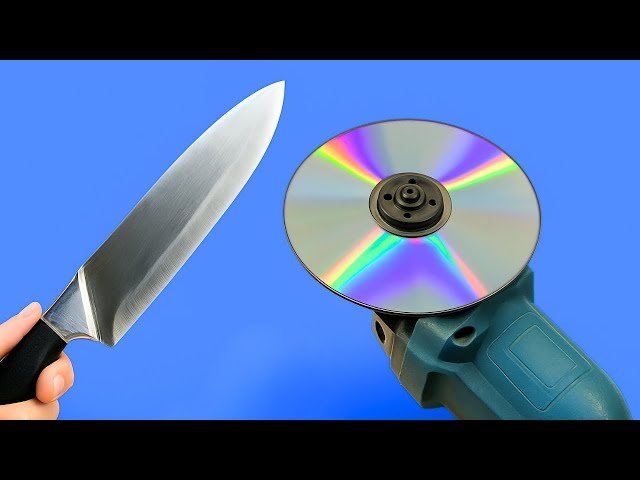
Are you tired of struggling with dull pruning knives that make gardening a chore? Imagine the satisfaction of effortlessly slicing through branches with precision and ease.
Sharpening your pruning knives is the key to transforming your gardening experience. But where do you start, and how can you ensure you’re doing it right? You’ll discover simple yet effective tips that will not only make your knives razor-sharp but also extend their lifespan.
Say goodbye to frustration and hello to a garden that thrives under your care. Ready to unlock the secrets of sharp pruning knives? Keep reading, and you’ll never look back.
Choosing The Right Tools
Sharpening pruning knives keeps them safe and effective. Using the right tools makes the job easier and better. This guide explains how to pick the best tools for sharpening.
Types Of Sharpening Stones
Sharpening stones come in many kinds. Each type suits different blade conditions and sharpening needs. Know the options before you buy one.
- Coarse stonesfix very dull or damaged edges quickly.
- Medium stonessharpen edges for regular use.
- Fine stonespolish the blade to a smooth finish.
- Diamond stonesare durable and work fast on hard metals.
- Ceramic stonescreate a sharp edge with less effort.
Using Honing Rods And Strops
Honing rods and strops keep your pruning knife edges aligned and sharp. They are easy to use and good for quick touch-ups between sharpening.
| Tool | Purpose | Material |
| Honing Rod | Aligns blade edge | Steel or ceramic |
| Leather Strop | Polishes and refines edge | Leather with polishing compound |
Selecting The Best Angle Guide
Keeping the right sharpening angle is key to a sharp blade. Angle guides help hold your knife steady at the correct angle during sharpening.
- Choose an angle guide that fits your knife size.
- Look for guides with clear angle markings.
- Adjustable guides let you find the best angle easily.
- Plastic or metal guides are common and easy to clean.

Credit: www.youtube.com
Preparing The Knife
Before sharpening, prepare your pruning knife carefully. Proper preparation protects the blade and makes sharpening easier.
Focus on cleaning and checking the blade for damage. Remove dirt and rust to get a smooth sharpening surface.
Cleaning And Inspecting The Blade
Start by wiping the blade with a damp cloth to remove sap and dirt. Look closely for cracks, chips, or deep nicks on the edge.
- Use warm soapy water to clean stubborn grime.
- Dry the blade completely to stop rust from forming.
- Check the blade edge under good light for any damage.
- Replace the blade if it has major chips or cracks.
Removing Rust And Debris
Rust and debris reduce sharpness and damage your knife. Remove them before sharpening to protect the blade.
| Method | Instructions |
|---|---|
| Steel Wool | Gently rub rust spots with fine steel wool. Avoid scratching the blade. |
| White Vinegar | Soak the blade in vinegar for 10 minutes, then scrub with a soft brush. |
| Baking Soda Paste | Mix baking soda and water to form a paste. Apply and scrub rust areas. |
| Sandpaper | Use fine grit sandpaper for heavy rust. Rub lightly to avoid damage. |
Sharpening Techniques
Keeping your pruning knives sharp helps you cut cleanly and safely. Proper sharpening techniques make the blades last longer and work better.
Use the right methods to keep the blade edge sharp. This guide covers key tips to sharpen your pruning knives effectively.
Maintaining The Correct Angle
Hold the blade at the correct angle against the sharpener. Usually, this angle is between 20 and 30 degrees. Keeping this angle steady is important for a sharp edge.
- Use a guide tool if you are unsure about the angle.
- Practice holding the knife steady before sharpening.
- Check the angle often during sharpening to keep it consistent.
Using Circular Vs. Linear Strokes
Sharpen your knife using circular or linear strokes. Circular strokes help shape the edge smoothly. Linear strokes sharpen in one direction and give a clean finish.
| Stroke Type | Best For | How to Use |
| Circular | Shaping blade edge | Move the blade in small circles on the sharpener |
| Linear | Refining sharpness | Slide the blade straight along the sharpener surface |
Applying Consistent Pressure
Use steady pressure while sharpening. Too much force can damage the blade. Too little pressure will not sharpen well. Keep your hands relaxed.
- Apply even pressure along the blade.
- Do not press too hard to avoid uneven edges.
- Let the sharpener do the work with smooth, gentle strokes.
Finishing Touches
Sharpening pruning knives is not complete without the finishing touches. These final steps make the blade smooth and safe to use.
Finishing touches help keep your knife sharp longer and ready for clean cuts.
Honing For Smoothness
Honing refines the blade edge after sharpening. It removes small burrs and smooths the surface.
Use a leather strop or fine honing stone. Pull the knife away from the edge gently at a low angle.
- Keep the angle steady, usually 15 to 20 degrees
- Use light pressure to avoid removing metal
- Swipe the blade 10 to 15 times on each side
- Stop when the edge feels smooth and even
Testing Sharpness Safely
Check if the knife is sharp without risking cuts. Safe testing helps avoid accidents.
Use simple tests to feel the edge’s sharpness. Avoid running your fingers directly on the blade.
- Try slicing a piece of paper with light pressure
- Cut a thin twig or soft fruit skin gently
- Use the thumb pad test: press the edge lightly on your thumb pad
- Look for smooth, clean cuts without tearing
Maintenance Tips
Keeping your pruning knives sharp is important for good cuts. Proper maintenance helps your tools last longer.
Follow simple tips to keep your pruning knives in top shape and ready to use anytime.
Regular Sharpening Schedule
Sharpen your pruning knives often. Sharp blades cut plants cleanly and reduce damage.
Check your knives before each use. If the blade feels dull, sharpen it right away.
- Sharpen blades every few uses
- Use a sharpening stone or file
- Keep the blade angle consistent
- Clean blade before sharpening
Proper Storage And Handling
Store pruning knives in a dry place. Moisture can cause rust and damage the blade.
Handle knives carefully to avoid dropping or bending the blade.
- Use blade covers or sheaths
- Keep knives away from children
- Do not leave knives outside after use
- Clean knives before storing
Avoiding Common Damage
Do not cut hard materials like wire or wood with pruning knives. This can chip or dull the blade.
Avoid dropping knives or using them as screwdrivers. These actions cause damage and reduce sharpness.
- Only use knives for pruning plants
- Do not twist the blade while cutting
- Sharpen blades before they get very dull
- Clean off sap and dirt after each use

Credit: www.familyhandyman.com

Credit: www.amazon.ca
Frequently Asked Questions
How Often Should I Sharpen Pruning Knives?
Sharpen pruning knives regularly, ideally after every few uses. Frequent sharpening ensures clean cuts, prevents plant damage, and maintains tool efficiency.
What Tools Are Best For Sharpening Pruning Knives?
Use whetstones, sharpening rods, or diamond files. These tools provide precise edges and help maintain the blade’s original shape effectively.
Can I Sharpen Pruning Knives At Home Safely?
Yes, sharpening at home is safe with proper tools and technique. Always work slowly, wear protective gloves, and follow step-by-step guides for best results.
How Do I Know When Pruning Knives Need Sharpening?
Dull blades struggle to cut cleanly and require more force. If cuts are ragged or crushing plants, it’s time to sharpen your pruning knives.
Conclusion
Sharpening pruning knives keeps them safe and effective. Regular care makes cutting easier and plants healthier. Use the right tools and follow simple steps. A sharp knife reduces damage and effort. Keep your blades clean and dry after use. Practice these tips to enjoy gardening more.
Your plants will thank you with better growth. Keep sharpening, and your pruning knives will last longer.