
Are you tired of digging through a tangled mess of circular saw blades every time you need one? Storing your blades properly doesn’t just save space—it protects your tools and keeps them ready for action.
You’ll discover simple and smart tips to organize your circular saw blades efficiently. By the end, you’ll have a system that saves you time, prevents damage, and makes your work easier. Keep reading to transform the way you store your blades and take your workshop to the next level.
Choosing The Right Storage
Keeping circular saw blades safe is important. Proper storage stops damage and rust.
Choosing the right storage helps you find blades fast and keeps them sharp.
Types Of Storage Options
You can store circular saw blades in many ways. Some common options fit different spaces.
Think about your workshop size and how often you use your blades.
- Wall-mounted racks save floor space
- Drawer organizers keep blades flat and safe
- Blade storage bags protect blades during transport
- Plastic or metal cases offer strong protection
Benefits Of Dedicated Blade Cases
Dedicated blade cases hold blades securely. They stop blades from banging into each other.
These cases also protect blades from dust, moisture, and rust.
- Keep blades sharp longer
- Make transport easy and safe
- Organize blades by size and type
- Prevent accidental cuts when handling blades
Using Magnetic Strips
Magnetic strips hold saw blades on walls. They save space and keep blades visible.
These strips make it quick to grab the blade you need without opening cases.
- Easy to install on workshop walls
- Keep blades off work surfaces
- Help avoid blade damage by preventing contact
- Allow quick visual checks of your blade collection

Credit: cisivistools.com
Preparing Blades For Storage
Proper storage of circular saw blades keeps them sharp and safe. Preparing blades before storage helps prevent damage and rust.
Follow simple steps to clean, inspect, and protect your blades. This extends their life and keeps them ready for use.
Cleaning And Drying Blades
Remove dirt, resin, and pitch from the blade before storing. Cleaning stops buildup that can cause rust or damage.
Use a brush and mild cleaner to scrub the teeth and surface. Wipe the blade dry with a clean cloth to prevent moisture.
- Use a soft brush or cloth
- Apply a mild detergent or blade cleaner
- Rinse with water and dry completely
- Do not leave blades wet or damp
Inspecting For Damage
Check the blade carefully for cracks, chips, or missing teeth. Damage can affect cutting quality and safety.
Look at the center hole for wear and make sure the blade is not warped. Replace blades with serious damage.
- Look for cracks or chips on teeth
- Check for bends or warping
- Inspect the center hole for wear
- Replace blades with major damage
Applying Protective Coating
Apply a light coating of oil or rust inhibitor to protect blades from moisture. This prevents rust during storage.
Use a cloth to spread the protective coating evenly over the whole blade. Store blades in a dry place after coating.
- Choose a light machine oil or rust inhibitor
- Apply evenly with a soft cloth
- Cover all teeth and surfaces
- Store blades away from moisture
Organizing Blades By Size And Type
Keeping your circular saw blades organized helps you find the right blade fast. Sorting blades by size and type makes your workspace neat and efficient.
Proper organization also protects blades from damage. This guide covers labeling, using dividers, and storing specialty blades.
Labeling Techniques
Labeling your blades clearly saves time and avoids confusion. Use simple, easy-to-read tags for each blade’s size and type.
- Use waterproof labels to prevent smudging.
- Write blade diameter and tooth count on each label.
- Attach labels to blade cases or storage slots.
- Color-code labels for different blade types, like wood or metal.
Using Dividers And Compartments
Dividers and compartments keep blades separated and organized. They stop blades from scratching each other and make sorting easier.
| Divider Type | Best For | Material |
| Foam Inserts | Protecting delicate blades | Soft foam |
| Plastic Compartments | Small to medium blades | Durable plastic |
| Wooden Dividers | Heavy-duty storage boxes | Wood |
| Metal Racks | Large blades and frequent use | Steel or aluminum |
Storing Specialty Blades Separately
Specialty blades need extra care. Store them away from standard blades to avoid damage and confusion.
- Use dedicated containers for diamond or carbide blades.
- Label specialty blade storage clearly.
- Keep blades for metal cutting separate from wood blades.
- Store fragile blades in padded cases.
Maximizing Space In Your Workshop
Storing circular saw blades properly keeps your workshop safe and organized. Good storage saves space and protects blades from damage.
Using smart storage ideas helps you find blades quickly. This guide shows easy ways to store blades and save room.
Wall-mounted Storage Solutions
Wall-mounted racks keep blades off your workbench. They use vertical space and make blades easy to see and reach.
You can use pegboards, hooks, or custom racks to hold different blade sizes. Label each spot to stay organized.
- Pegboards with hooks for quick access
- Magnetic strips to hold metal blades
- Custom wooden racks for safe blade slots
- Keep blades away from moisture on walls
Portable Storage Options
Portable cases help you carry blades to jobs easily. They also protect blades from dust and damage in storage.
Look for cases with padded compartments and secure closures. This keeps blades separated and safe inside.
- Hard plastic cases with foam inserts
- Soft bags with individual blade sleeves
- Compact boxes with labeled slots
- Easy to carry and store in small spaces
Stacking And Vertical Storage Tips
Stacking blades saves horizontal space but needs care. Use spacers to avoid metal scraping and blade damage.
Vertical storage keeps blades upright and visible. Use racks or tubes that hold blades safely without tipping over.
- Place cardboard or plastic sheets between stacked blades
- Use vertical slots or tubes for blade storage
- Label blades clearly for quick selection
- Store blades in dry areas to prevent rust
Maintaining Blades During Storage
Proper care of circular saw blades during storage keeps them sharp and safe. It helps avoid damage and extends their life.
Follow simple steps to inspect, protect, and handle blades for best results.
Regular Inspection Schedule
Check blades often to find damage or dirt before storage. Look for chips, cracks, or bent teeth. Clean blades if needed.
- Inspect blades after each use
- Clean off dust and resin buildup
- Look for signs of wear or damage
- Check the blade’s mounting hole for cracks
- Store only dry and clean blades
Preventing Rust And Corrosion
Rust ruins blade edges and weakens metal. Use protective steps to keep blades dry and free from rust.
| Method | Description |
|---|---|
| Dry Storage | Keep blades in a dry place with low humidity |
| Oil Coating | Apply light machine oil to metal surfaces before storing |
| Use Rust Inhibitors | Place rust-preventive packets or paper in storage containers |
| Wrap Blades | Wrap blades in cloth or plastic to keep moisture out |
Safe Handling Practices
Handle blades with care to avoid injuries and blade damage. Follow safety tips when moving or storing blades.
- Wear gloves to protect hands from sharp edges
- Hold blades by the center hole, not the teeth
- Store blades flat or hanging to avoid warping
- Keep blades away from children and pets
- Use blade cases or covers for extra safety
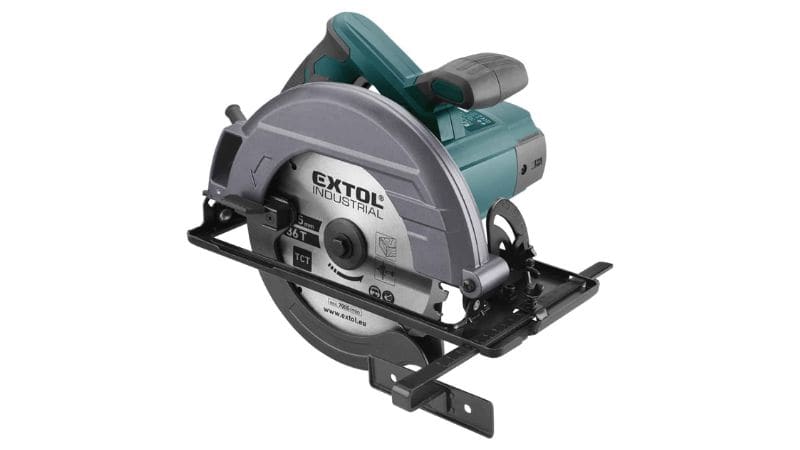
Credit: extoltools.com

Credit: www.stonetoolshop.com
Frequently Asked Questions
How To Store Circular Saw Blades Safely?
To store circular saw blades safely, use blade cases or wall-mounted racks. Keep them in a dry, cool place to prevent rust. Avoid stacking blades directly to prevent damage. Ensure each blade is clean and free of debris before storing.
This extends their life and maintains sharpness.
What Is The Best Way To Organize Saw Blades?
Organize saw blades by size, type, and usage frequency. Use labeled containers or wall-mounted racks for easy access. This method ensures you can quickly find the right blade. It also helps maintain order and prevents accidental damage, enhancing the efficiency of your workspace.
Can Moisture Damage Circular Saw Blades?
Yes, moisture can cause rust, leading to blade damage. Store blades in a dry environment to prevent rust. Use silica gel packs or dehumidifiers in storage areas. Keeping blades clean and dry ensures they remain sharp and effective for longer use.
Should Saw Blades Be Cleaned Before Storage?
Yes, always clean saw blades before storage. Remove debris and resin using a dedicated blade cleaner or mild detergent. Dry them thoroughly to prevent rust. Clean blades maintain their sharpness and efficiency, ensuring optimal performance when you need to use them again.
Conclusion
Storing circular saw blades properly saves time and protects your tools. Keep blades dry and clean to avoid rust and damage. Use blade holders or racks to stay organized and safe. Store blades separately to prevent them from hitting each other.
Check blades regularly for wear and sharpness. Good storage helps blades last longer and work better. Simple habits make a big difference in tool care. Follow these tips to keep your blades ready for every job. Your saw blades will thank you with better cuts and longer life.