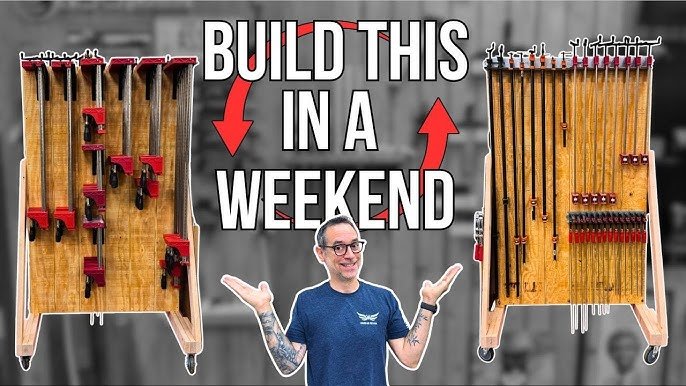
Are you tired of rummaging through cluttered drawers or misplacing your clamps when you need them most? Storing clamps on walls not only saves space but also keeps your workshop organized and efficient.
Imagine walking into your workspace and instantly spotting the exact clamp you need. Sounds perfect, right? You’ll discover simple yet effective tips for storing clamps on walls, transforming your cluttered chaos into streamlined success. Stay with us to learn how a few strategic moves can make your DIY projects smoother and more enjoyable than ever.
Get ready to unlock the secret to a tidier, more productive workspace!
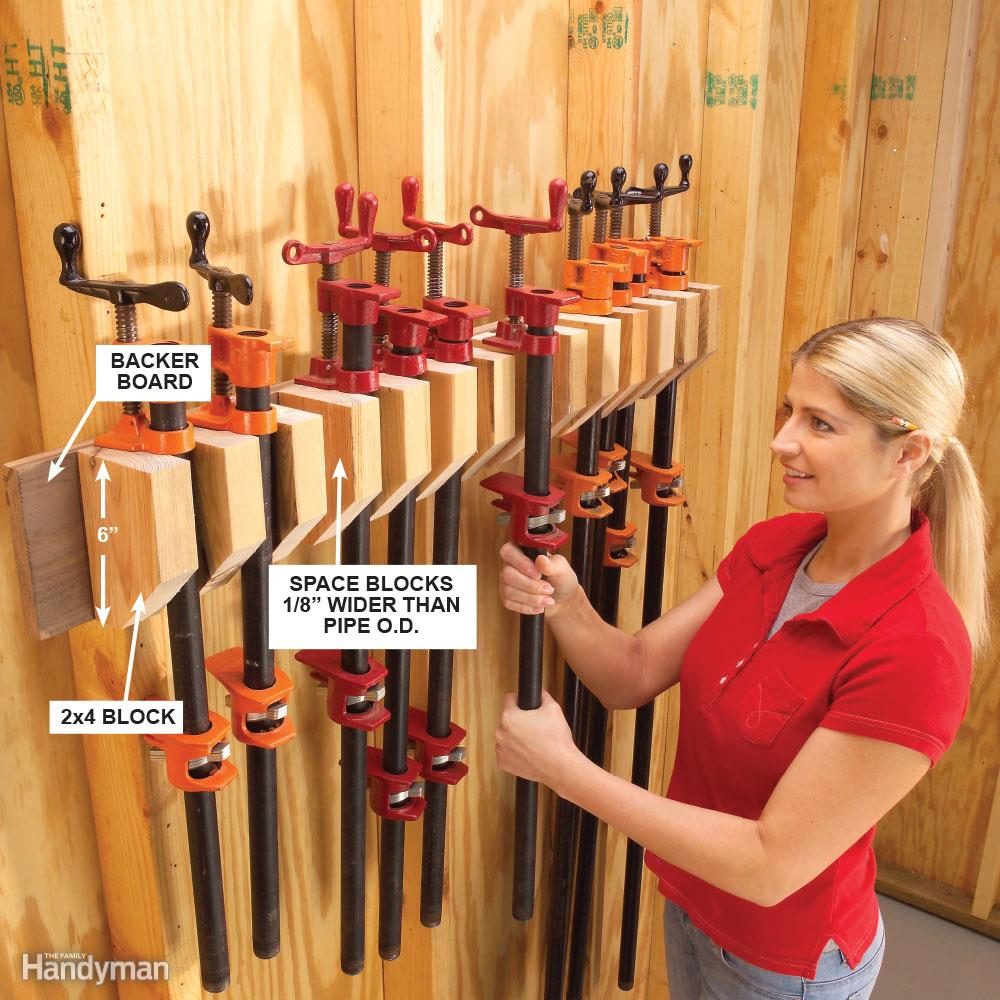
Credit: www.familyhandyman.com
Choosing The Right Wall Space
Storing clamps on walls helps keep your workspace tidy. Picking the right wall space is important for safety and ease.
Good wall space makes your clamps easy to find and use. It also protects them from damage.
Assessing Available Areas
Look around your workspace to find empty walls. Check for spots with enough room for your clamps.
Measure the wall space to see how many clamps it can hold. Avoid walls with pipes or wires behind them.
- Find walls that are free of obstacles
- Measure space for clamp sizes
- Avoid walls with electrical wiring or plumbing
Considering Accessibility
Choose wall space that is easy to reach. Clamps should be close enough to your workbench or tool area.
Place clamps at a height that suits your comfort. Avoid very high or low spots to reduce strain.
- Keep clamps within arm’s reach
- Place clamps at waist or chest height
- Make sure clamps do not block walkways
Avoiding High-traffic Zones
Do not store clamps in busy areas where people walk often. This prevents accidents and damage.
Pick quieter spots on walls to keep clamps safe. This also helps keep your workspace organized.
- Stay away from doorways and hallways
- Avoid areas near heavy machinery
- Choose walls that are less used by others
Types Of Wall-mounted Clamp Holders
Storing clamps on walls saves space and keeps tools easy to find. Wall-mounted holders keep your workspace neat.
There are many types of holders. Choose one that fits your clamps and wall space.
Pegboard Systems
Pegboards are popular for storing clamps. They have holes where you insert hooks to hang clamps.
Pegboards let you move clamps around easily. You can add more hooks or tools as needed.
- Easy to install on walls
- Hooks hold clamps securely
- Flexible layout for different clamp sizes
Magnetic Strips
Magnetic strips hold metal clamps firmly on the wall. They offer quick access to small clamps.
Strong magnets keep clamps safe without scratching them. Magnetic strips work best with steel clamps.
- Simple and clean look
- Saves space with a slim profile
- Easy to attach and remove clamps
Custom Shelves And Racks
Custom shelves and racks can fit many clamp types and sizes. You can build them to match your needs.
Shelves hold clamps flat or standing. Racks can have slots or bars to keep clamps in place.
- Made from wood or metal
- Can hold large or heavy clamps
- Organizes clamps by size or type
Diy Clamp Organizers
DIY organizers let you create clamp holders that fit your space perfectly. Use everyday materials to build them.
Common DIY holders include wooden pegs, hooks, or repurposed items. They save money and add personal touch.
- Use wood dowels or metal hooks
- Recycle old boards or pallets
- Customize size and shape freely
Installation Tips For Secure Mounting
Storing clamps on walls saves space and keeps your workshop tidy. Proper installation ensures your clamps stay safe and easy to reach.
Follow simple mounting tips to fix your clamp storage securely. This guide covers anchors, measuring, and alignment for best results.
Selecting Proper Anchors
Choose anchors based on your wall type and clamp weight. Drywall, concrete, and wood all need different anchors for a strong hold.
- Use toggle bolts for drywall to handle heavy clamps.
- Concrete anchors work best on masonry walls.
- Wood screws are ideal for studs or wooden walls.
- Check anchor weight limits before installation.
Measuring And Marking
Accurate measuring prevents mistakes and ensures your clamps fit well on the wall. Mark spots clearly for drilling.
| Tool | Purpose |
| Measuring tape | Measure wall space and clamp size |
| Level | Check if marks are even |
| Pencil | Mark drill points |
| Stud finder | Locate wall studs for secure mounting |
Ensuring Level Alignment
Level alignment keeps your clamp rack straight. This stops clamps from sliding off and looks neat on the wall.
- Use a bubble level to check horizontal lines.
- Draw a light guideline before drilling holes.
- Double-check marks before installing anchors.
- Adjust if marks are uneven to avoid crooked mounting.
Organizing Clamps By Size And Type
Storing clamps on walls helps keep your workspace tidy. Organizing them by size and type makes it easy to find the right clamp.
Proper storage saves time and protects your clamps from damage. Use simple methods to keep clamps sorted and accessible.
Grouping Similar Clamps
Group clamps that look alike or have the same function. Keep bar clamps, C-clamps, and spring clamps in separate areas.
This method helps you find clamps quickly and prevents mixing different types. It also keeps your wall neat and clear.
- Place bar clamps together by length
- Arrange C-clamps by jaw size
- Keep spring clamps in one spot
Labeling Sections
Labeling each section on your wall shows what clamps belong there. Use simple tags or stickers for labels.
Clear labels reduce the time spent searching for clamps. They help everyone keep the clamps in the right place.
- Use size labels like small, medium, large
- Label by clamp type such as bar or spring
- Attach labels near each clamp group
Maximizing Vertical Space
Use the full height of your wall to store clamps. Hang clamps from hooks or nails spaced vertically.
This frees up floor space and keeps clamps visible. Use pegboards or rails to hold clamps securely on the wall.
- Install hooks at different heights
- Hang longer clamps higher up
- Place smaller clamps lower for easy reach
Maintaining Clamp Storage
Storing clamps on walls keeps your workspace tidy. Good storage helps you find clamps fast.
Maintaining clamp storage saves space and protects your tools from damage. Follow simple tips to keep it organized.
Regular Cleaning
Dust and dirt can build up on clamps and storage racks. Clean your clamps and wall holders often.
Use a dry cloth to wipe dust. For sticky dirt, a damp cloth works well. Avoid harsh chemicals that damage metal or wood.
Checking For Wear And Tear
Look over clamps and storage racks regularly. Check for rust, cracks, or broken parts.
Replace damaged clamps to keep your work safe. Fix or tighten loose wall mounts to avoid accidents.
Adjusting Layout For New Clamps
Add new clamps by changing your storage layout. Rearrange hooks or shelves to fit more clamps.
- Group clamps by size or type
- Leave space for future clamps
- Place often-used clamps at eye level

Credit: www.familyhandyman.com
Creative Space-saving Hacks
Clamps can take up a lot of space in your workshop or garage. Storing them on walls saves room and keeps them easy to reach. Use clever ideas to keep your clamps neat and organized.
Try using parts of your walls that usually go unused. This helps you free up work surfaces and drawers. Here are some creative ways to store clamps on walls.
Using Over-the-door Storage
Over-the-door racks or hooks are great for storing clamps without drilling holes. They fit on most doors and use vertical space well.
- Choose a rack with sturdy hooks that can hold heavy clamps.
- Hang clamps by their handles or jaws to keep them secure.
- Group clamps by size or type for easier access.
- Use padded hooks to avoid scratching clamp surfaces.
Repurposing Unused Wall Corners
Wall corners often go empty and can be perfect spots for clamp storage. You can add shelves, hooks, or custom mounts in these tight spaces.
| Corner Storage Idea | Benefits |
| Corner Shelves | Hold clamps flat and visible |
| Corner Hooks | Keep clamps hanging and easy to grab |
| Custom Corner Racks | Fit clamps in odd spaces efficiently |
Incorporating Foldable Holders
Foldable holders save space by folding flat when not in use. They work well on walls where you want quick clamp access but limited space.
- Install fold-down bars that clamp jaws can hang on.
- Use holders with hinges that fold back to the wall.
- Label holders to keep clamps organized by size.
- Choose strong materials to support heavy clamps.
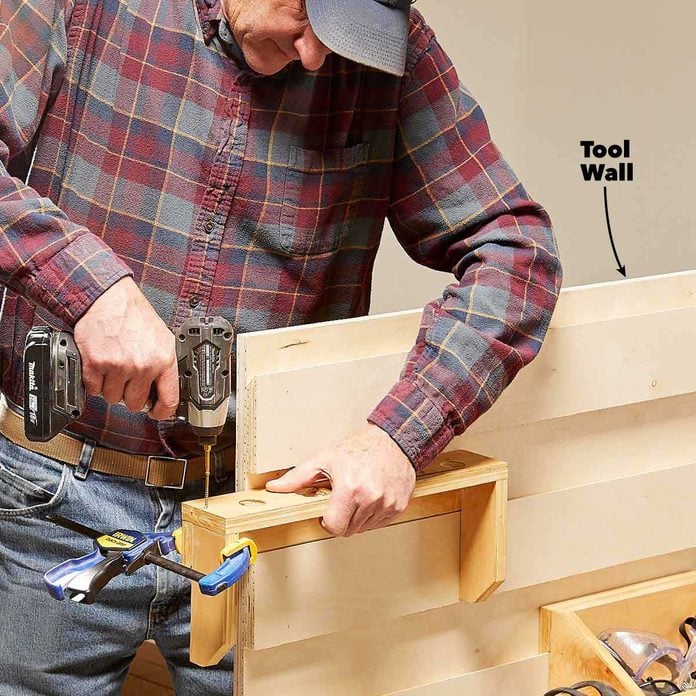
Credit: www.familyhandyman.com
Frequently Asked Questions
How Can I Organize Clamps Efficiently On Walls?
Use pegboards or wall-mounted racks to hang clamps. Group clamps by size or type for quick access. Label each section to keep the area tidy and efficient.
What Wall Materials Are Best For Clamp Storage?
Stud walls or solid wood panels work best. They can support the clamp’s weight securely. Avoid drywall alone, as it may not hold heavy clamps safely.
How Do I Prevent Clamps From Falling Off Walls?
Use sturdy hooks or brackets designed for clamp shapes. Ensure each hook is firmly anchored into studs or solid backing. Regularly check the stability to avoid accidents.
Can Wall-mounted Storage Save Workspace In A Workshop?
Yes, wall storage frees up bench and floor space. It keeps clamps visible and accessible. This improves workflow and reduces clutter in your workshop.
Conclusion
Storing clamps on walls saves space and keeps your workshop tidy. Easy access helps you finish projects faster. Using hooks, racks, or shelves keeps clamps organized and visible. Choose a method that fits your space and tools. Regularly check your storage to keep it neat.
Simple steps make your workspace safer and more efficient. A well-organized area feels better to work in. Start arranging your clamps today and enjoy the difference.