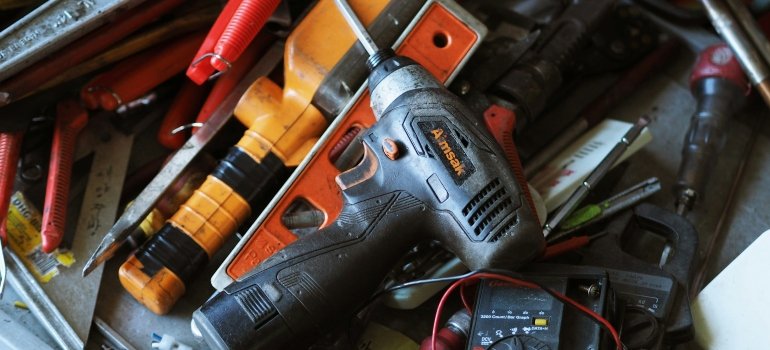
Are you tired of digging through cluttered toolboxes or losing track of your cordless drill? Storing your cordless drill safely isn’t just about keeping things tidy—it protects your investment and ensures your tools work perfectly when you need them most.
You’ll discover simple, practical tips that make storing your drill easy and effective. Keep reading to learn how a few smart moves can save you time, money, and frustration every time you pick up your drill.

Credit: www.ramblingrenovators.ca
Choosing The Right Storage Space
Storing cordless drills properly keeps them safe and working longer. The right storage space protects your drill from damage.
Think about where you place your drill. The area should be dry, clean, and easy to reach.
Avoiding Moisture And Dust
Moisture can cause rust and damage the drill’s battery. Dust can clog the drill’s parts and reduce performance.
Choose a storage spot that stays dry and clean. Avoid basements or outdoor sheds that get damp or dusty.
- Use sealed containers or cases
- Keep drills off the floor
- Cover drills with a cloth or plastic cover
Temperature Considerations
Extreme heat or cold can harm drill batteries and parts. High temperatures can cause batteries to overheat.
Store drills in places with stable, moderate temperatures. Avoid garages or attics that get very hot or cold.
- Ideal storage temperature is between 50°F and 80°F (10°C to 27°C)
- Keep drills away from direct sunlight or heaters
- Do not store drills in freezing areas
Organized And Accessible Areas
Organizing your drill storage saves time and protects your tools. Easy access helps you grab the drill quickly when needed.
Use shelves, hooks, or storage bins to keep drills neat. Label storage spots so you find drills fast and avoid damage.
- Store drills with their batteries removed
- Keep chargers nearby but separate
- Use wall hooks or pegboards for easy hanging

Credit: storagesmart.com.au
Preparing Drills Before Storage
Storing cordless drills properly helps them last longer. Preparing them before storage keeps the drill in good shape.
Taking a few simple steps can prevent damage and make the drill ready for use next time.
Cleaning And Maintenance
Clean your drill before storing it. Dirt and dust can cause problems over time.
Wipe the drill with a dry cloth. Use a brush to remove dirt from small parts.
- Remove dust from vents to avoid overheating
- Check and clean the drill chuck
- Lightly oil moving parts if needed
Removing Batteries Safely
Always remove the battery before storing the drill. This prevents battery damage and leaks.
Store batteries in a cool, dry place. Avoid places with high heat or moisture.
- Turn off the drill before removing the battery
- Press the release button to safely take out the battery
- Keep batteries away from metal objects to avoid short circuits
Inspecting For Damage
Check your drill for damage before storage. Look for cracks, loose parts, or worn areas.
Fix small issues early to prevent bigger problems later. Do not store a damaged drill without repair.
- Check the drill body for cracks or dents
- Make sure the chuck opens and closes smoothly
- Inspect the power switch for proper function
Battery Storage Tips
Storing cordless drill batteries properly keeps them safe and working longer.
Follow simple rules to protect your batteries from damage and loss of power.
Optimal Battery Charge Levels
Keep batteries charged between 30% and 70% for best storage health.
- Do not store batteries fully charged or fully empty.
- Recharge batteries if charge drops below 30% during storage.
- Check battery charge every few months.
Using Original Battery Cases
Store batteries in their original cases to avoid damage and short circuits.
| Case Type | Benefits |
|---|---|
| Original Battery Case | Protects from dust and moisture |
| Hard Plastic Case | Prevents physical damage |
| Soft Pouch | Good for short-term storage only |
Avoiding Extreme Temperatures
Keep batteries away from heat and cold to prevent damage.
- Store batteries in a cool, dry place.
- Avoid leaving batteries in direct sunlight.
- Do not store batteries in freezing temperatures below 32°F (0°C).
- Keep batteries away from heaters and hot cars.

Credit: www.msn.com
Safe Storage Solutions
Keeping cordless drills safe helps them last longer. Proper storage stops damage and keeps tools ready.
Choose a storage method that protects your drill and makes it easy to find.
Using Toolboxes And Cases
Toolboxes and cases protect drills from dust and drops. They keep all parts in one place.
Hard cases offer strong protection. Soft cases are lighter and easier to carry.
- Use padded cases to avoid scratches
- Choose a case with compartments for bits and chargers
- Label your toolbox for quick access
Wall-mounted Racks And Pegboards
Wall racks and pegboards save space and keep drills visible. They help organize your workspace.
Mount hooks or holders to hang drills safely. Keep chargers and accessories nearby on the board.
- Install racks at a reachable height
- Use pegboard hooks for flexible tool placement
- Group drills by size or type on the wall
Custom Storage Options
Custom storage fits your needs and space perfectly. Build shelves or boxes for your cordless drills.
Add foam inserts or dividers to protect drills from moving. Label each section to stay organized.
- Measure your drills before building storage
- Use durable materials like wood or plastic
- Include space for batteries and chargers
Regular Checks And Maintenance
Keeping your cordless drill in good shape means checking and maintaining it often. This helps the drill last longer and work safely.
Regular care includes inspecting parts, watching the battery, and adjusting how you store the tool.
Periodic Inspection
Look over your cordless drill regularly. Check for loose screws, cracks, or worn parts. Clean the drill to remove dust and debris. Fix small problems before they grow.
- Examine the drill body for damage
- Test the trigger and safety lock
- Check the chuck for tightness
- Clean vents to avoid overheating
- Lubricate moving parts if needed
Battery Health Monitoring
Battery care is key to drill safety. Watch for swelling, leaks, or fast power loss. Charge batteries fully but avoid overcharging. Store batteries in a cool, dry place.
| Battery Issue | What to Do |
| Swelling or Damage | Stop use and replace battery |
| Quick Power Loss | Check charger and battery health |
| Overheating | Let battery cool before use |
| Long Storage | Charge to 50% before storing |
Updating Storage Practices
Change how you store your drill as needed. Keep it dry and away from direct sunlight. Use cases or hangers to avoid damage. Store batteries separately from the drill.
- Use a padded case for protection
- Store in a clean, dry area
- Keep away from extreme heat or cold
- Remove battery if storing long-term
- Label storage spots for easy access
Safety Precautions
Storing cordless drills safely is important to avoid accidents and damage. Proper storage keeps tools ready and prevents injuries.
Follow these safety tips to protect yourself and others around your cordless drills.
Keeping Out Of Reach Of Children
Children should never have access to cordless drills. These tools can cause serious injuries if handled by kids.
Store drills in locked cabinets or high shelves where children cannot reach them.
- Use childproof locks on storage areas
- Keep drills out of sight of children
- Educate children about tool dangers
Avoiding Hazardous Environments
Do not store cordless drills in places with water, extreme heat, or dust. Such environments can damage batteries and parts.
Choose dry, cool, and clean areas for drill storage to keep them in good working order.
- Avoid damp basements or garages
- Keep drills away from direct sunlight
- Store in ventilated areas to prevent overheating
Proper Labeling And Signage
Label storage places clearly to show where cordless drills belong. This helps keep tools organized and safe.
Use signs to warn about battery hazards and safety rules near the storage area.
- Mark storage cabinets with “Cordless Drills”
- Post safety instructions on or near storage
- Use battery hazard warning labels
Frequently Asked Questions
How Do I Store Cordless Drills Safely At Home?
Store cordless drills in a cool, dry place away from moisture. Use a dedicated case or toolbox to protect them from dust and damage. Keep batteries separate to prevent accidental activation and ensure safety.
Can I Store Cordless Drill Batteries Inside The Drill?
It’s best to store batteries separately from the drill. This prevents accidental activation and prolongs battery life. Keep batteries in a cool, dry environment, away from extreme temperatures or humidity.
What Is The Ideal Temperature For Storing Cordless Drills?
The ideal storage temperature is between 40°F and 80°F (4°C to 27°C). Avoid extreme heat or cold as it can damage the drill and battery performance.
Should I Charge Cordless Drill Batteries Before Storage?
Charge batteries to about 40-60% before storing. Avoid fully charging or fully draining them, as this extends battery lifespan and maintains optimal performance.
Conclusion
Storing cordless drills safely protects them and extends their life. Keep drills dry and cool to avoid damage. Use cases or racks to organize tools neatly. Charge batteries before storing to maintain power. Check drills regularly for dirt or wear.
Safe storage saves time and money later. Small efforts make a big difference in tool care. Follow these tips to keep your drills ready for work. Easy steps, better tools, less hassle.