Picture this: you’re in the middle of a DIY project, ready to tackle that new shelf installation or repair job, and as you reach for your drill bits, you find them scattered, dull, or even rusted. Frustrating, isn’t it?
Properly storing your drill bits can save you time, money, and a whole lot of headaches. By keeping them organized and protected, you ensure they’re always ready for action when you need them most. In this guide, you’ll discover smart, simple tips to store your drill bits effectively, prolonging their life and keeping your projects on track.
Stay with us, and unlock the secrets to an efficient and stress-free toolkit. Your future self will thank you!

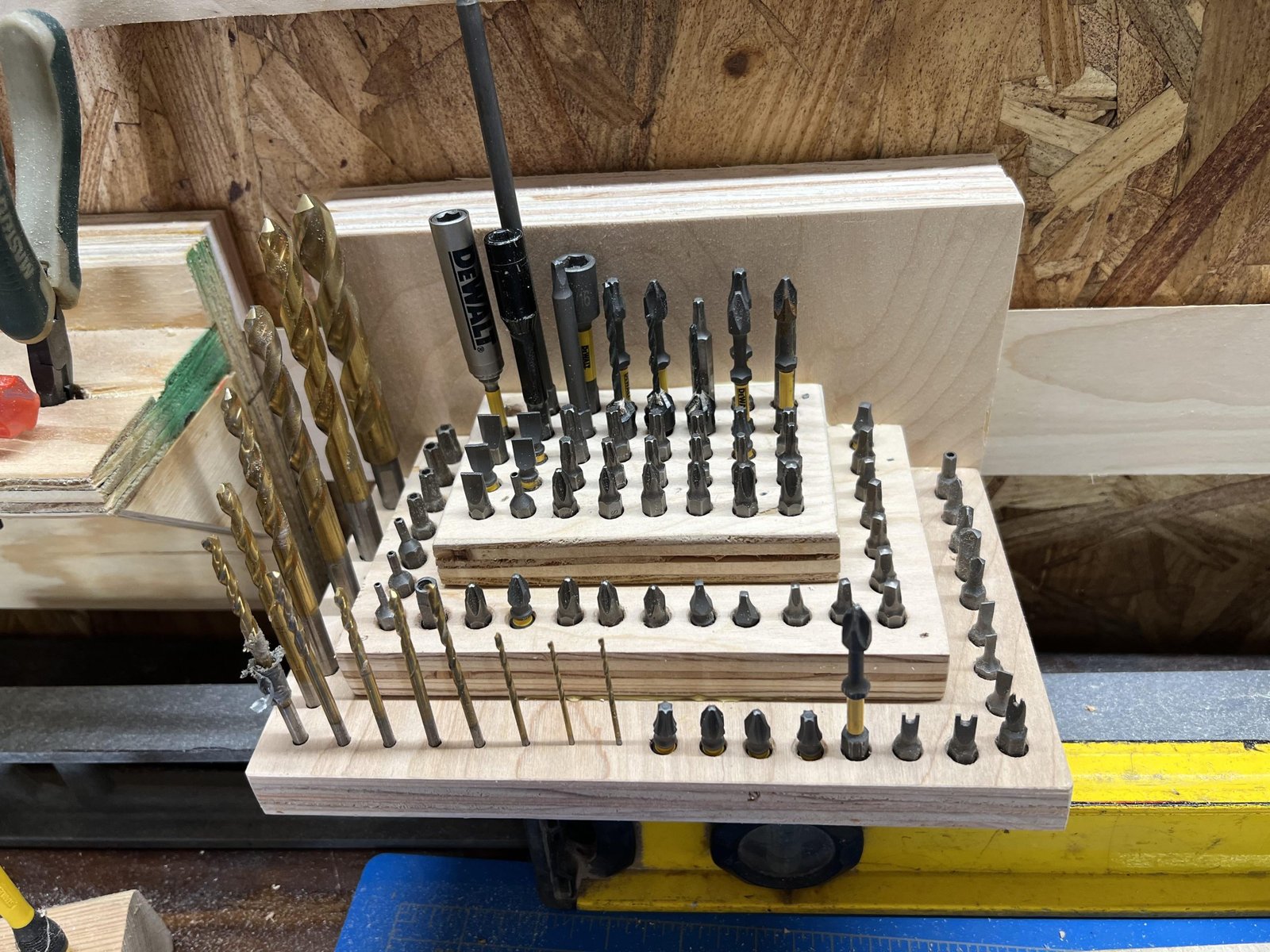
Credit: www.reddit.com
Choosing The Right Storage
Proper storage keeps drill bits safe and easy to find. It also helps them last longer.
Picking the right storage depends on your workspace and how often you use the bits.
Types Of Storage Options
You can store drill bits in many ways. Each option suits different needs and spaces.
- Plastic cases with slots for each bit
- Magnetic holders that stick to metal surfaces
- Wall-mounted racks for easy access
- Small drawers or toolboxes with dividers
Benefits Of Magnetic Holders
Magnetic holders keep drill bits visible and organized. You can find the right bit fast.
They save space and make your work area tidy. Magnets hold bits firmly without damage.
- Easy to mount on metal surfaces
- Quick to remove and replace bits
- Good for small to medium-sized drill bits
- Helps prevent loss and damage
Using Drill Bit Cases
Drill bit cases offer a safe and neat way to store bits. They often come with labels for sizes.
These cases protect bits from dust and moisture. They are easy to carry to different job sites.
- Organized slots for each drill bit
- Portable and compact design
- Protects bits from rust and damage
- Clear lids to see contents quickly

Credit: www.reddit.com
Cleaning And Maintenance
Keeping drill bits clean and well-maintained helps them last longer. Dirt, rust, and damage reduce their efficiency.
Proper cleaning and regular checks keep your drill bits ready for use and improve safety while working.
Removing Debris And Rust
Remove dust and dirt from drill bits after each use. Use a brush or cloth to clear debris. Rust weakens the metal and reduces performance.
- Use steel wool or a wire brush to scrub off rust
- Apply a rust remover solution for stubborn spots
- Rinse with water and dry thoroughly to prevent new rust
- Store bits in a dry place to avoid moisture buildup
Applying Protective Coatings
Protective coatings help prevent rust and corrosion. They also reduce friction during drilling, extending bit life.
| Coating Type | Benefits |
| Light oil | Prevents rust and moisture |
| Wax | Creates a water-resistant barrier |
| Specialized drill bit spray | Reduces friction and rust |
Regular Inspection Tips
Check your drill bits often for damage or wear. Sharp bits work better and are safer to use.
- Look for chips or cracks on the cutting edges
- Check if the bit is dull or rounded
- Replace bits that are bent or damaged
- Keep bits organized to avoid damage during storage
Organizing Drill Bits
Keeping your drill bits organized saves time and protects them from damage. A tidy workspace helps you find the right bit quickly.
Proper storage also extends the life of your drill bits by preventing rust and dullness. Let’s explore some ways to organize them effectively.
Sorting By Size And Type
Sort drill bits by size and type to make your collection easier to use. Group similar bits together for quick access.
- Separate bits by diameter, from smallest to largest
- Group types like twist, spade, masonry, and brad point bits
- Keep frequently used sizes in a separate section
- Use trays or holders with slots for each bit size
Labeling Methods
Labeling helps you identify bits without measuring each time. Choose clear, simple labels that last.
| Label Type | Description | Best Use |
| Printed Stickers | Paper or plastic labels with printed size and type | Toolboxes and plastic holders |
| Permanent Marker | Write directly on bit holders or cases | Wooden or metal storage racks |
| Engraved Tags | Metal or plastic tags engraved with details | Long-term storage systems |
Creating A Drill Bit Inventory
Keep an inventory list to track your drill bits. It helps you know what you have and what you need.
- Write down the size and type of each drill bit
- Note the quantity of each size you own
- Update the list when you add or lose bits
- Store the list digitally or print a copy to keep near your workspace
Environmental Factors
Storing drill bits properly protects them from damage. Environmental factors affect their lifespan. Avoiding moisture, controlling temperature, and choosing safe locations help keep drill bits sharp and rust-free.
Simple steps in storing drill bits extend their usability. Each factor plays a role in keeping tools ready for use.
Avoiding Moisture And Humidity
Moisture causes rust and corrosion on drill bits. Keep bits dry to prevent damage. Use moisture absorbers like silica gel packets near stored bits.
- Store bits in a dry toolbox or container
- Use rust-resistant coatings or oils
- Keep bits away from damp areas
- Check bits regularly for signs of rust
Temperature Considerations
Extreme temperatures can weaken drill bits. High heat may reduce hardness. Cold can make bits brittle. Store bits where temperature stays stable.
| Temperature Range | Effect on Drill Bits |
| Below 32°F (0°C) | Brittle, risk of cracking |
| 32°F – 100°F (0°C – 38°C) | Safe, maintains strength |
| Above 100°F (38°C) | Softens, reduces durability |
Safe Storage Locations
Choose storage spots that protect bits from damage and dirt. Avoid places with direct sunlight or heavy dust. Lockable boxes add security.
- Use a dedicated drill bit case or rack
- Keep bits organized by size and type
- Store off the floor to avoid moisture
- Place in a cool, dry, and dark area
Handling And Usage Tips
Proper care of drill bits helps them last longer and work better. Handling and using drill bits correctly is important for safety and performance.
Following simple tips can prevent damage and keep your drill bits sharp and ready to use.
Proper Insertion And Removal
Insert drill bits straight and firmly into the drill chuck. This keeps them stable during use and reduces wobbling.
Remove drill bits carefully by loosening the chuck. Avoid using excessive force to prevent bending or breaking.
- Make sure the drill is off before changing bits
- Use the correct size bit for the chuck
- Check the bit is tight before drilling
- Pull straight out when removing the bit
Avoiding Excessive Wear
Use drill bits at the right speed for the material. Too fast or too slow can cause wear and dullness.
Keep drill bits clean and dry after use. Dirt and moisture can cause rust and damage the cutting edges.
- Match drill speed to material type
- Apply steady, moderate pressure while drilling
- Remove chips and dust from bits regularly
- Store bits in a dry, safe place
Sharpening And Reconditioning
Sharpen drill bits when they become dull to restore cutting power. Use a sharpening tool or a bench grinder.
Check bits for chips or cracks before sharpening. Damaged bits should be replaced to ensure safe use.
- Use proper angle guides for sharpening
- Keep the bit cool to avoid damage while grinding
- Test the bit after sharpening on scrap material
- Replace bits that cannot be sharpened safely

Credit: www.reddit.com
Frequently Asked Questions
How Do I Prevent Drill Bits From Rusting?
Store drill bits in a dry, cool place away from moisture. Use silica gel packs or rust inhibitors to absorb humidity. Wipe bits clean after use and apply a light oil coat to protect against rust.
What Is The Best Way To Organize Drill Bits?
Use a dedicated drill bit case or storage rack with labeled slots. Organize bits by size and type for quick access. This keeps bits secure, prevents damage, and improves workspace efficiency.
Can I Store Drill Bits In A Toolbox?
Yes, but use a separate compartment or holder inside the toolbox. Avoid loose storage to prevent bits from dulling or breaking. Proper organization inside the toolbox ensures drill bits stay in good condition.
Should Drill Bits Be Cleaned Before Storage?
Always clean drill bits after use to remove debris and oil. Use a brush or cloth to wipe away dust and residue. Clean bits last longer and perform better during future use.
Conclusion
Proper storage keeps drill bits sharp and ready for use. Organize them by size and type for easy access. Avoid moisture to prevent rust and damage. Use cases or holders designed for drill bits. Regular cleaning extends their life and performance.
Taking these small steps saves time and money. Your tools will last longer and work better. Simple habits make a big difference in tool care. Keep your drill bits safe and always prepared.