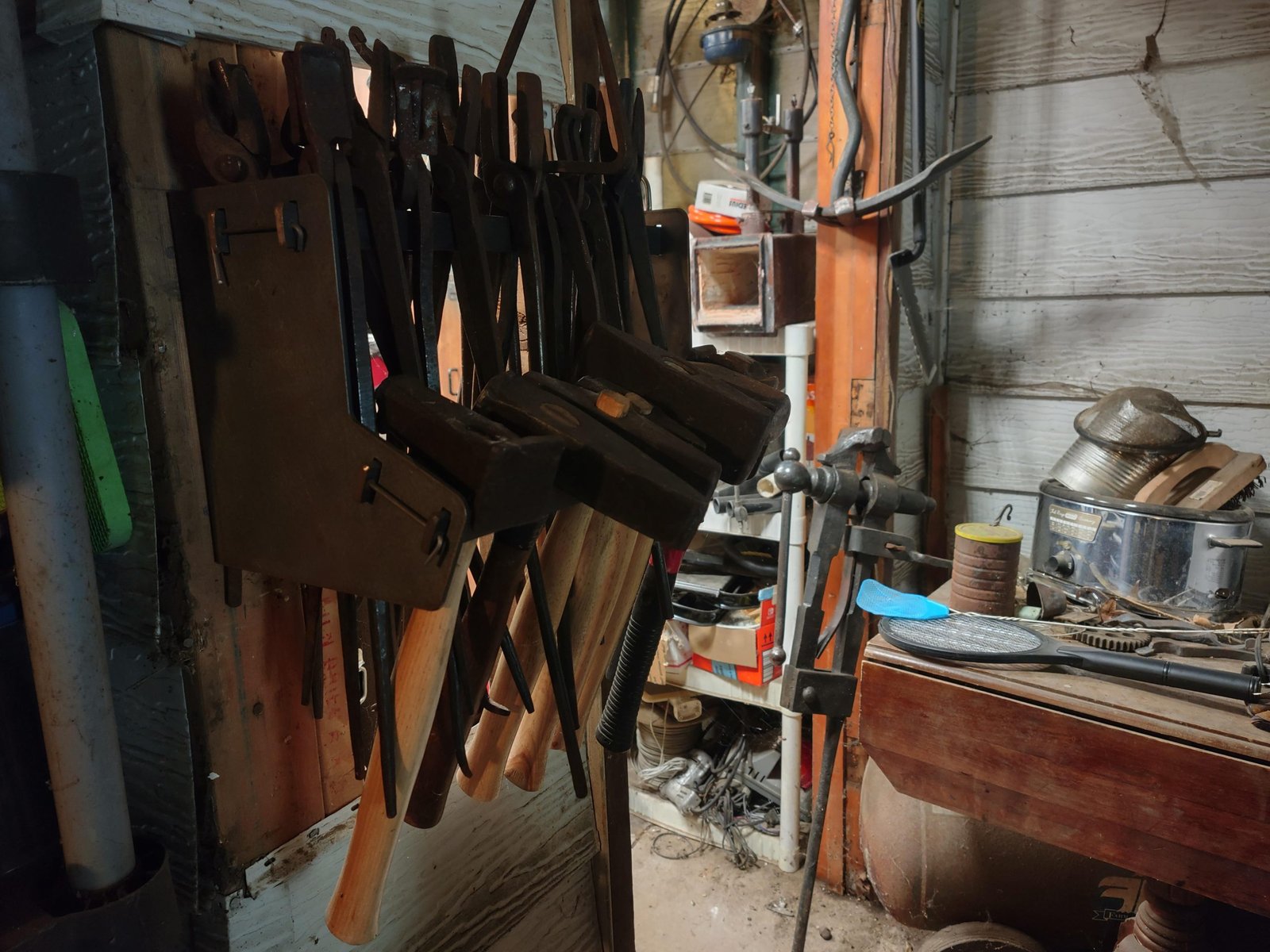
Are your hammers scattered across your workspace, making it hard to find the right one when you need it most? If you’ve ever faced the frustration of a cluttered tool area, you know how important organization is.
Imagine reaching for the perfect hammer without the hassle, every time. We’ll reveal simple yet effective tips for storing hammers in racks that will transform your tool storage and boost your productivity. Dive in to discover how a little organization can make a big difference in your daily projects.
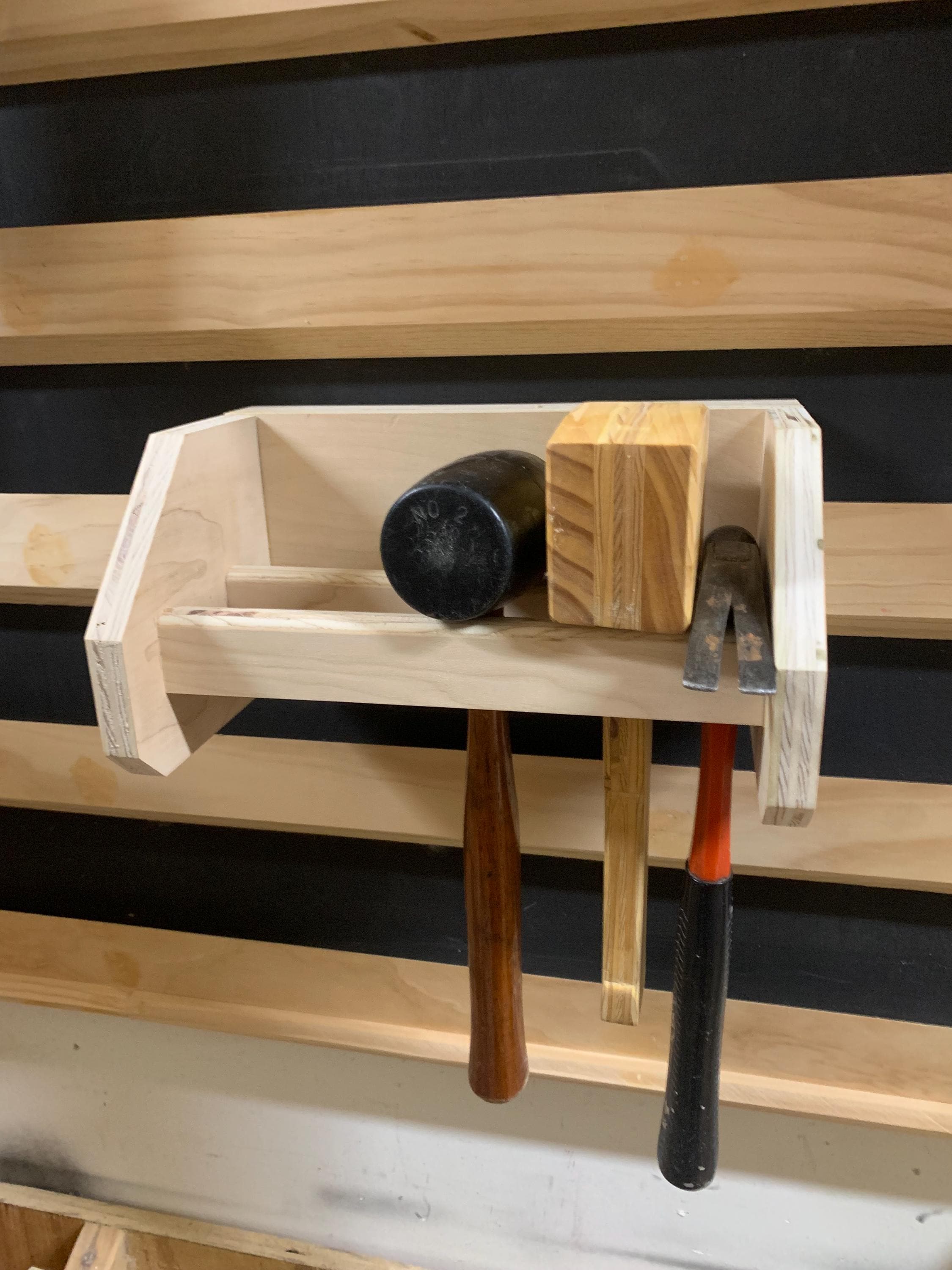
Credit: www.etsy.com
Choosing The Right Hammer Rack
Storing hammers properly keeps your workspace neat and safe. Choosing the right hammer rack helps you organize tools easily.
Different racks suit different spaces and needs. Consider your options before buying a hammer rack.
Wall-mounted Vs Free-standing Racks
Wall-mounted racks save floor space and keep hammers visible. They are good for small rooms.
Free-standing racks can hold many hammers and move easily. They fit larger workshops well.
- Wall-mounted racks use vertical space
- Free-standing racks offer mobility
- Choose based on room size and tool quantity
Material And Durability
Hammer racks come in wood, metal, and plastic. Each material affects strength and lifespan.
Metal racks last long and hold heavy hammers well. Wooden racks look nice but may wear out faster.
- Metal racks resist damage and rust
- Wood racks offer classic style
- Plastic racks are light and affordable
Size And Capacity Considerations
Pick a rack size that fits your number of hammers. Avoid racks that are too big or small.
Check hammer sizes to choose a rack with enough space. Some racks hold different hammer types together.
- Measure your hammer collection first
- Choose racks with adjustable slots if possible
- Think about future tool additions

Credit: www.reddit.com
Organizing Hammers By Type And Size
Keeping hammers organized helps you find the right one fast. Sorting them by type and size saves space.
Organized racks make your workspace safer and more efficient. It also protects your tools from damage.
Grouping Similar Hammers Together
Group hammers that look alike or have the same use. This helps you spot the hammer you need quickly.
Keep claw hammers, ball-peen hammers, and mallets in separate sections. This keeps your rack tidy and clear.
- Put framing hammers in one area
- Place finishing hammers together
- Keep specialty hammers in their own spots
Labeling For Easy Access
Use labels to mark each hammer group by type and size. Clear labels help you find tools fast.
Labels can be stickers, tags, or printed signs. Place them where they are easy to see and read.
- Label each rack section by hammer type
- Include size details if needed
- Use bold and simple fonts
Arranging By Frequency Of Use
Put the hammers you use most often in the easiest spots to reach. Less-used ones can be placed higher or lower.
This setup saves time and keeps your work smooth. It also stops clutter from building up in busy areas.
- Place daily-use hammers at eye level
- Store occasional-use hammers in side sections
- Keep rare-use hammers in less accessible spots
Maximizing Rack Space Efficiently
Storing hammers properly helps save space and keeps your tools easy to find. Using racks well can make your workspace tidy and safe.
This guide shows tips to store hammers in racks that save space and keep tools organized.
Using Vertical Storage
Storing hammers vertically uses wall space and frees up bench space. Hang the hammer handles up to keep heads off surfaces.
- Install a vertical rack on a wall near your work area.
- Use slots or holes that fit hammer handles.
- Keep heavier hammers lower for safety.
- Label spots for each hammer to maintain order.
Adding Hooks And Compartments
Add hooks and small compartments to your rack to hold different types of hammers and accessories. This keeps everything in one place.
| Feature | Benefit |
| Hooks | Easy access to hammers with hanging handles |
| Compartments | Store small hammer parts or extra handles |
| Adjustable sections | Fit hammers of different sizes securely |
Stacking Techniques
Stack hammers safely to save rack space without risking damage. Use padding and proper arrangement for protection.
Try this stacking method:
- Place large hammers at the bottom layer.
- Put a soft cloth or foam between layers.
- Stack smaller hammers on top, handle side aligned.
- Secure the stack to avoid shifting.
Maintenance Tips For Hammer Storage
Proper maintenance keeps your hammer racks safe and organized. It helps your tools last longer and stay ready for use.
Follow these simple tips to keep your hammer storage in good shape. Regular care prevents damage and rust.
Regular Cleaning Of Racks
Cleaning your hammer racks removes dust, dirt, and debris. This prevents buildup that can cause damage over time.
- Wipe racks with a dry cloth weekly
- Use mild soap and water for deep cleaning
- Dry racks completely before placing hammers back
- Clear any loose nails or screws that may harm tools
Inspecting For Damage
Check your hammer racks often for signs of wear or breakage. Early fixes keep the rack safe and stable.
| Type of Damage | Signs to Look For | Action Needed |
| Loose Screws | Wobbly rack or hammer slots | Tighten or replace screws |
| Cracks in Wood | Visible splits or breaks | Sand and glue or replace wood parts |
| Rust on Metal | Orange or brown spots | Clean rust and apply protective paint |
Preventing Rust And Wear
Rust and wear damage your hammers and racks. Keep metal parts dry and protected to avoid this.
Use these tips to prevent rust and wear on your hammer storage:
- Store racks indoors or in dry areas
- Apply rust-proof coatings to metal racks
- Use silica gel packs near storage to absorb moisture
- Oil hammer heads lightly to keep them from rusting
Safety Tips For Storing Hammers
Storing hammers properly helps keep your workspace safe. It prevents accidents and tool damage.
Using hammer racks can organize tools and reduce clutter. Follow safety tips to store hammers well.
Securing Tools To Prevent Falls
Make sure hammers are tightly secured in racks. Use holders or hooks that fit each hammer’s size.
- Use racks with non-slip grips to hold hammer handles.
- Check racks regularly for loose parts or damage.
- Place heavier hammers on lower hooks to avoid falling hazards.
- Keep racks away from walkways to prevent accidental bumps.
Proper Weight Distribution
Balance the weight of hammers across the rack. Avoid placing all heavy hammers on one side.
| Weight Category | Recommended Rack Position |
| Light Hammers (under 1 lb) | Top Hooks |
| Medium Hammers (1 to 2 lbs) | Middle Hooks |
| Heavy Hammers (over 2 lbs) | Bottom Hooks |
Safe Placement In Workshops
Place hammer racks where they are easy to reach but do not block paths. This lowers trip risks.
- Keep racks at eye level for quick access.
- Install racks on sturdy walls to support hammer weight.
- Do not place racks near heat or moisture sources.
- Label each slot to help return hammers to the right place.

Credit: www.youtube.com
Diy Hammer Rack Ideas
Storing hammers neatly keeps your workspace safe and tidy. Making your own hammer rack is simple and useful.
DIY hammer racks help you save space and keep tools easy to find. You can build racks that fit your needs perfectly.
Using Recycled Materials
Recycled materials are great for hammer racks. Old wood, pallets, or scrap metal work well and reduce waste.
These materials give your rack a unique look. They also save money and help the environment.
- Use pallet wood for a rustic rack
- Cut old wooden boards into hammer slots
- Recycle metal strips to hold hammer handles
- Paint or stain recycled wood for a fresh look
Customizing For Specific Needs
Make your hammer rack fit your tools and space. Measure your hammers to build perfect slots or hooks.
Add extra shelves or compartments for nails and screws. Adjust the size to fit your workshop or garage.
- Design slots for different hammer sizes
- Add hooks for hanging small tools
- Include a shelf for tool accessories
- Make the rack wall-mounted or free-standing
Budget-friendly Solutions
You can build a hammer rack without spending much. Use simple tools and low-cost materials from hardware stores.
Look for scrap wood or leftover supplies from other projects. Basic racks need just a few nails and screws.
- Use scrap wood cut to size
- Buy inexpensive hooks or nails
- Build a simple rack with basic tools
- Paint with leftover paint for protection
Frequently Asked Questions
How Do I Organize Hammers In A Rack Efficiently?
To organize hammers efficiently, group them by size and type. Use dedicated slots or hooks for each hammer to prevent clutter. Label each section for quick identification. This method saves space and keeps hammers easily accessible.
What Materials Are Best For Hammer Storage Racks?
Wood and metal racks are ideal for storing hammers. Wood offers durability and a classic look, while metal provides strength and resistance to wear. Choose a material that suits your workspace environment and tool weight for optimal storage.
How Can I Prevent Hammer Damage When Stored In Racks?
Prevent hammer damage by using racks with padded or rubberized holders. Avoid stacking hammers directly on top of each other. Regularly inspect the rack for sharp edges or rust that can harm the tools.
Are Wall-mounted Racks Better For Hammer Storage?
Wall-mounted racks save floor space and keep hammers visible. They provide easy access and reduce the risk of tool damage. Ensure the rack is securely anchored to support the hammer’s weight safely.
Conclusion
Storing hammers in racks keeps your tools safe and easy to find. It saves space and helps your workspace stay tidy. Using racks prevents damage to hammer handles and heads. Choose the right rack for your hammer sizes and types.
Regularly check and organize your rack for best results. A simple rack system can make work faster and safer. Keep your tools ready for any job by storing them well. Good storage habits protect your investment and improve your work.