Are your pliers always scattered or hard to find when you need them? Properly storing your pliers on shelves can save you time and frustration.
Imagine reaching for the exact tool you want, instantly, every time. You’ll discover simple and smart tips to keep your pliers organized, easy to access, and in great condition. Keep reading to transform your workspace and make your tool storage work for you.

Credit: www.reddit.com
Choosing The Right Shelves
Storing pliers on shelves keeps your tools organized and easy to find. Picking the right shelves helps protect your pliers from damage.
Good shelves hold your tools safely and save space in your workshop or garage.
Material Options
Shelves come in different materials like wood, metal, and plastic. Each material has its own benefits for storing pliers.
Wood shelves look nice but can wear out if wet. Metal shelves are strong and last long. Plastic shelves resist moisture but may not hold heavy tools well.
- Wood:Good for light to medium weight tools
- Metal:Best for heavy pliers and long use
- Plastic:Resistant to rust and moisture
Weight Capacity
Check the shelf’s weight limit before storing pliers. Some pliers are heavy, so shelves must hold their weight safely.
Using shelves with low weight capacity can cause them to bend or break. Choose shelves that can carry all your pliers comfortably.
- Calculate total weight of your pliers
- Pick shelves with weight capacity higher than this total
- Consider extra space for adding more tools later
Adjustable Vs Fixed
Adjustable shelves let you change the height between shelves. Fixed shelves have set spaces and cannot be moved.
Adjustable shelves fit different sizes of pliers better. Fixed shelves are usually stronger and simpler to install.
- Adjustable:Flexible space for various tool sizes
- Fixed:Stable and often stronger design
- Choose based on your pliers’ size and storage needs
Organizing By Pliers Type
Storing pliers on shelves keeps your workspace neat and tools easy to find. Organize pliers by their types for fast access.
Knowing the kind of pliers helps you pick the right one quickly. It also protects your tools from damage.
Grouping Similar Tools
Group pliers by their function or shape. This keeps similar tools together and reduces clutter.
- Needle-nose pliers in one section
- Slip-joint pliers in another area
- Cutting pliers grouped separately
- Locking pliers stored in their own space
Labeling For Quick Access
Use clear labels on shelves or bins. Labels help find the right pliers without searching.
| Pliers Type | Label Example |
| Needle-nose | Long, Thin Tips |
| Slip-joint | Adjustable Joints |
| Cutting | Wire Cutters |
| Locking | Lock and Hold |
Using Vertical Space
Storing pliers on shelves can take up a lot of space. Using vertical space helps keep your tools organized. It makes your work area neat and easy to use.
Vertical storage options let you see your pliers quickly. This saves time and keeps your tools in good condition.
Wall-mounted Racks
Wall-mounted racks hold pliers off the shelf. They use the space on your walls instead. This keeps your shelves free for other items.
These racks come in many sizes. You can choose one with slots or holders for pliers. It keeps each tool in place and easy to reach.
- Easy to install on any wall
- Keeps pliers visible and organized
- Frees up shelf space
- Helps avoid tool damage
Pegboards And Hooks
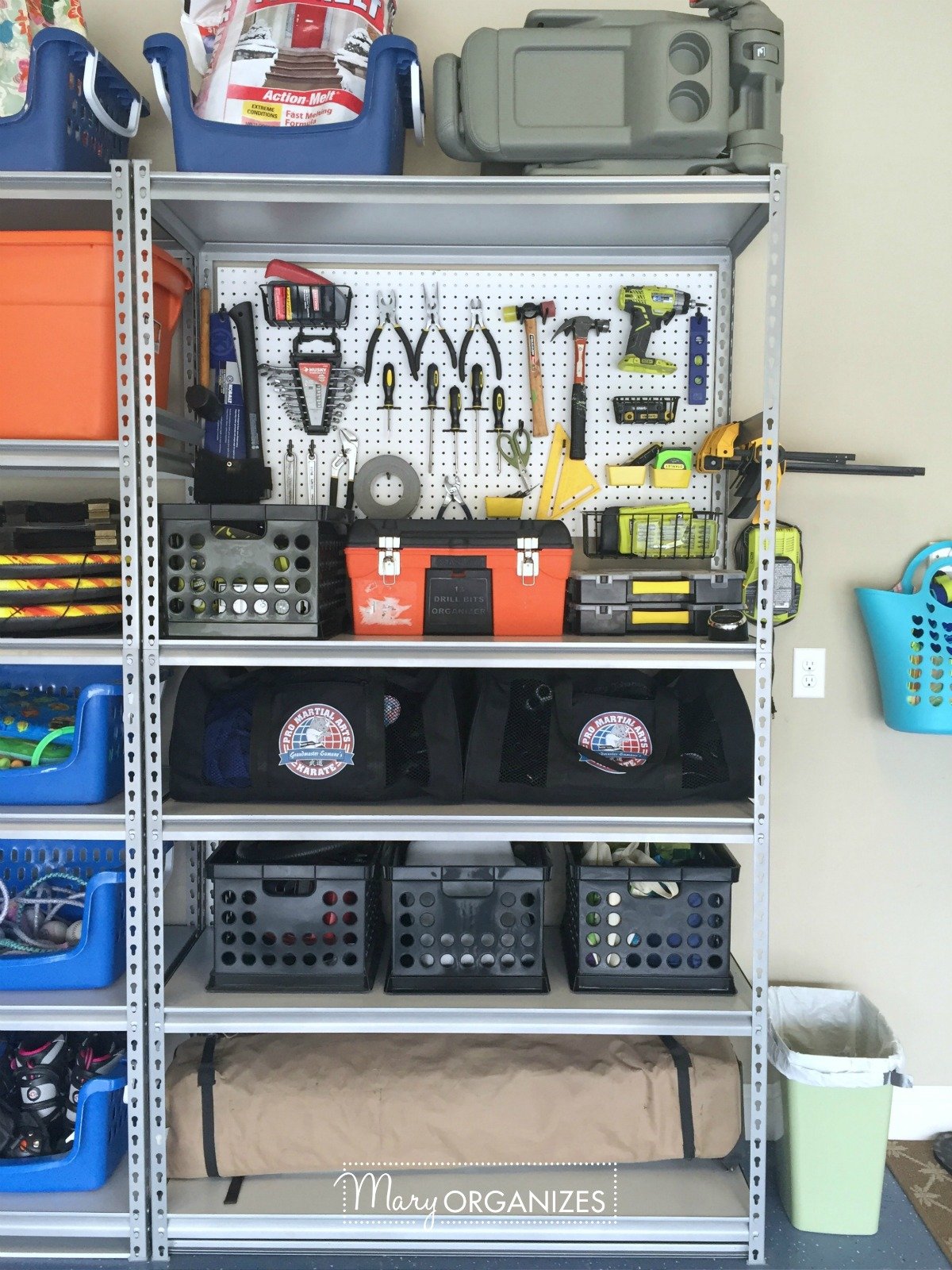
Pegboards are a flexible option for vertical storage. You can hang pliers on hooks attached to the board. This lets you move tools around as needed.
Hooks come in many shapes and sizes. Choose hooks that fit your pliers well. This stops them from falling or getting damaged.
- Customizable tool arrangement
- Easy to add or remove tools
- Uses wall space efficiently
- Makes pliers easy to grab

Credit: www.reddit.com
Diy Storage Solutions
Keeping pliers organized helps you find them fast. Shelves work well for storing pliers neatly.
Using simple DIY storage ideas can save space and keep tools safe. Let’s look at easy ways to store pliers on shelves.
Custom Dividers
Custom dividers separate pliers on shelves. They stop tools from mixing and falling.
You can make dividers from wood, plastic, or cardboard. Cut pieces to fit your shelf size.
- Measure shelf width and height carefully
- Cut divider pieces to create slots
- Glue or nail dividers to the shelf base
- Label slots for different plier types
Magnetic Strips
Magnetic strips hold pliers by their metal parts. Attach strips along the shelf edge for easy access.
This method saves shelf space and keeps pliers visible. Make sure the magnets are strong enough to hold your tools.
- Choose magnetic strips that fit your shelf length
- Fix strips securely with screws or adhesive
- Place pliers on the magnets by their handles or jaws
- Arrange pliers by size or use for quick grabbing
Maintaining Accessibility
Keeping pliers easy to find and grab saves time. Good storage helps you work faster and safer.
Organizing pliers on shelves needs smart choices. You want them close and neat for quick use.
Easy Reach Placement
Put pliers where you can reach them without stretching. Keep often-used tools at eye level.
Use small shelves or bins on the main shelf for quick access. Group similar pliers together.
- Place frequently used pliers in front
- Keep heavy pliers on lower shelves
- Use labels to spot tools fast
- Store pliers by size or type
Avoiding Clutter
Do not pile pliers on top of each other. Clutter makes it hard to find the right tool.
Use dividers or small containers to keep pliers separated. Clear space helps keep shelves neat.
- Sort pliers by function or size
- Use hooks or holders for handles
- Remove broken or unused pliers
- Check shelves regularly for mess
Safety Considerations
Storing pliers safely on shelves helps prevent accidents and tool damage. Keeping tools organized lowers risks of injury.
Focus on securing sharp edges and handling tools properly. These steps keep your workspace safe and tools ready to use.
Securing Sharp Edges
Sharp edges on pliers can cause cuts if left exposed. Cover or secure them to avoid accidents while stored.
- Use blade guards or plastic covers on sharp parts.
- Store pliers with sharp edges facing inward or down.
- Keep sharp tools in separate compartments or boxes.
- Label storage areas clearly to warn about sharp edges.
Proper Tool Handling
Handling pliers with care prevents damage and injury. Follow simple rules to keep tools and users safe.
| Handling Tip | Reason |
| Hold pliers by the handles only | Avoids pinching or cuts |
| Place tools gently on shelves | Prevents damage to edges and shelves |
| Keep tools dry and clean | Reduces rust and slipping hazards |
| Do not overload shelves | Ensures tools do not fall or shift |

Credit: www.reddit.com
Frequently Asked Questions
How Can I Organize Pliers On Shelves Efficiently?
Use pegboards or magnetic strips to hang pliers by size. Label spots for quick access. Keep frequently used pliers within easy reach to save time.
What Is The Best Way To Prevent Pliers Rust On Shelves?
Store pliers in a dry, ventilated area. Apply a light coat of oil to metal parts. Use silica gel packs to absorb moisture and prevent rust.
Can I Use Shelf Dividers To Store Pliers?
Yes, shelf dividers help separate different types of pliers. They keep tools upright and prevent clutter. This method improves visibility and protects tool edges from damage.
How Do I Maximize Shelf Space For Storing Pliers?
Stack pliers vertically using custom holders or trays. Group similar tools together to avoid wasting space. Use adjustable shelves to accommodate various plier sizes.
Conclusion
Storing pliers on shelves can be easy with the right approach. Use small bins to group them together. Label each bin clearly for quick access. Consider magnetic strips for easy reach. Ensure the shelves are sturdy to hold the weight.
Arrange pliers by size or type for better organization. This setup saves time and keeps your tools neat. Regularly check and adjust the setup as needed. With these tips, your pliers will always be ready for use. Happy organizing!