
If you use utility knives regularly, you know how important it is to keep them safe and sharp. But have you ever thought about the best way to store them?
Storing your utility knives properly in cases can protect the blades, prevent accidents, and make your tools last longer. You’ll discover simple yet effective tips to organize and store your utility knives so they’re always ready when you need them.
Keep reading to find out how a few smart storage habits can save you time, money, and frustration.
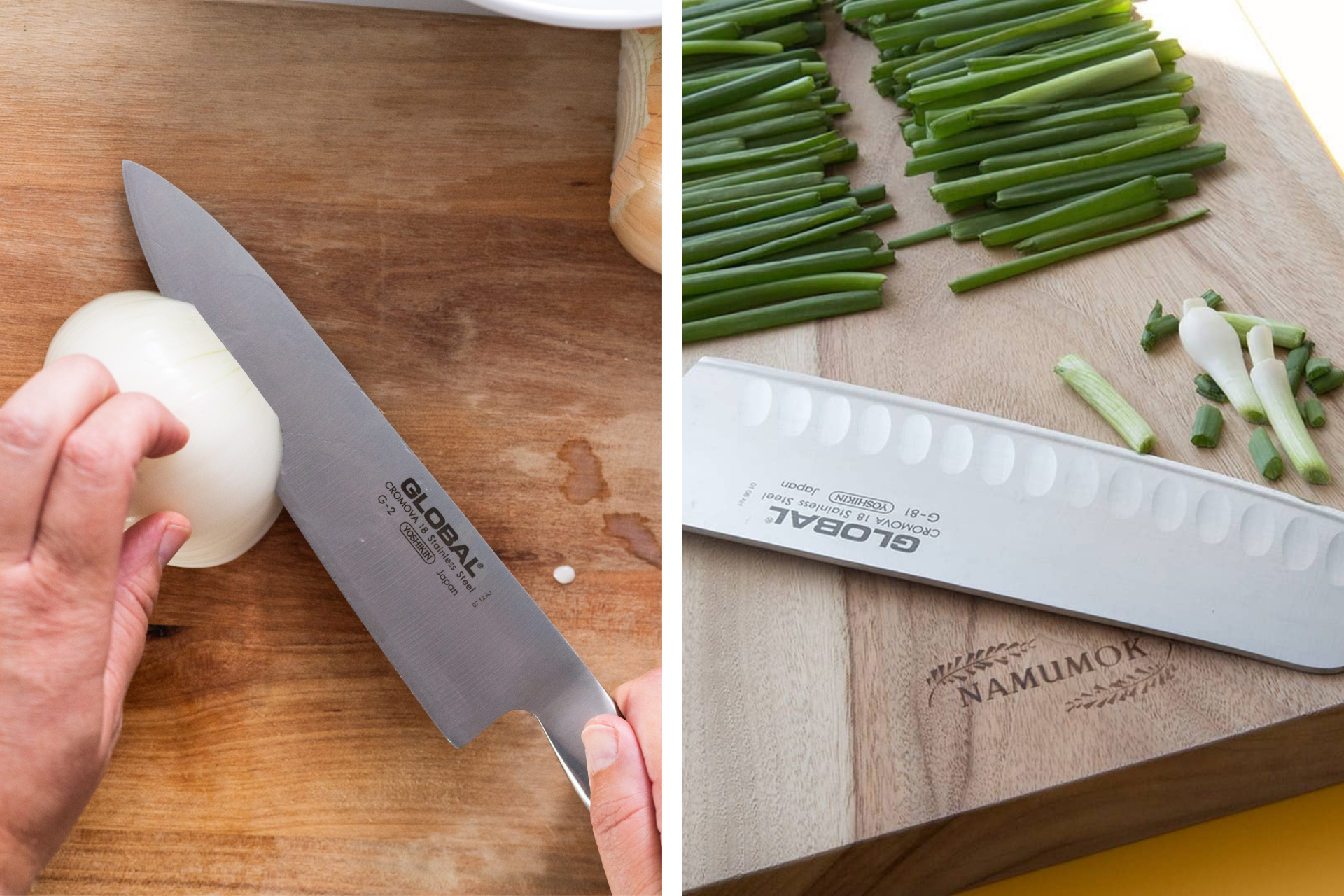
Credit: www.globalcutleryusa.com
Choosing The Right Case
Storing utility knives safely keeps them sharp and ready to use. Picking the right case helps protect the blades and prevents accidents. Different cases offer various benefits depending on your needs.
Consider factors like material, size, and durability to find the best case. This guide explains what to look for in each area.
Material Options
Cases come in many materials, each with pros and cons. Plastic is light and affordable. Metal cases are strong and protect well. Fabric cases are flexible and easy to carry.
- Plastic: Lightweight, affordable, but less durable.
- Metal: Very durable, protects against drops, but heavier.
- Fabric: Flexible, good for travel, but less protective.
Size And Compartments
Choose a case size that fits your knives without crowding. Compartments help keep blades separated and organized. This prevents damage and makes tools easy to find.
| Case Size | Use | Benefit |
| Small | Few knives | Compact, easy to carry |
| Medium | Multiple knives | Organized, protects blades |
| Large | Full tool sets | Ample space, versatile |
Durability Factors
Durability is key to protect knives for a long time. Look for cases with strong hinges, secure closures, and water resistance. A tough case can survive drops and rough handling.
- Check for reinforced corners
- Choose cases with locking mechanisms
- Pick water-resistant or waterproof materials
- Avoid flimsy plastic that cracks easily

Credit: www.amazon.ca
Preparing Knives For Storage
Storing utility knives properly keeps them safe and lasts longer. Preparing knives before storage helps avoid damage and accidents.
This guide covers cleaning, blade protection, and safety tips for storing your knives in cases.
Cleaning And Drying
Clean knives to remove dirt, glue, or residue before storing. Dry them fully to stop rust and corrosion.
- Use warm water and mild soap to clean blades.
- Wipe off all moisture with a soft cloth.
- Allow knives to air dry completely before storage.
- Never store knives wet to prevent rust.
Blade Protection
Protect the blade edge to keep it sharp and safe. Use covers or wrap blades before placing them in cases.
| Protection Method | Description |
|---|---|
| Blade Covers | Plastic or rubber sheaths that fit over the blade. |
| Blade Wrapping | Use cloth or tape to wrap the blade securely. |
| Case Compartments | Use cases with slots designed to hold blades safely. |
Safety Precautions
Always store knives to avoid injury. Keep blades out of reach of children and label storage cases clearly.
- Store knives in a locked or secure case.
- Keep knives away from children’s reach.
- Label the case with a warning or knife type.
- Check the knife before use to ensure the blade is secure.
Organizing Knives Inside Cases
Keeping utility knives organized inside cases saves time and protects blades. A well-arranged case helps find the right knife quickly. It also extends the life of the knives by preventing damage.
There are several ways to organize knives inside cases. Using foam inserts, magnetic strips, or custom dividers can make storage neat and safe.
Using Foam Inserts
Foam inserts hold knives firmly in place and stop them from moving around. You can cut the foam to fit the shape of each knife. This keeps blades separated and protected.
- Choose dense foam to protect blades well
- Cut slots matching knife size and shape
- Label foam slots for easy identification
- Replace foam if it gets worn out
Magnetic Strips
Magnetic strips keep utility knives visible and easy to grab. Attach the strip inside the case lid or along the side. Make sure the magnet is strong enough to hold the knives securely.
| Advantage | Tip |
| Easy access | Place strip where knives are easy to reach |
| Space saver | Use vertical space inside the case |
| Blade protection | Keep blades from touching each other |
Custom Dividers
Custom dividers separate each knife and prevent them from banging together. You can use wood, plastic, or sturdy cardboard. Dividers keep the case tidy and protect blades.
Here is how to create useful custom dividers:
- Measure the case interior to fit dividers
- Cut dividers to fit knife sizes
- Use glue or tape to fix dividers inside the case
- Label each section for quick knife selection
Maximizing Space Efficiency
Storing utility knives properly saves space and keeps tools safe. Using smart methods helps organize your workspace. This guide covers ways to store knives efficiently in cases.
Good storage reduces clutter and makes tools easy to find. Follow these tips to keep your utility knives neat and ready for use.
Stacking Techniques
Stacking utility knives in cases can save room if done right. Use layers or compartments to keep blades from touching. This prevents damage and keeps knives sharp longer.
- Place knives flat with blades facing down
- Use foam or dividers between knives
- Stack similar sizes together for balance
- Avoid overfilling to prevent pressure damage
Vertical Vs Horizontal Storage
Choosing vertical or horizontal storage depends on your space and tool size. Vertical storage saves more surface area but needs taller cases. Horizontal storage offers easier access to each knife.
| Storage Type | Advantages | Best For |
| Vertical | Maximizes floor or shelf space | Small spaces, many knives |
| Horizontal | Easier to see and grab knives | Workbenches, quick access |
Labeling And Accessibility
Label each knife or compartment for quick identification. Good labels save time and avoid mistakes. Keep the most used knives in front or top sections for fast reach.
Tips for labeling and access:
- Use clear, waterproof labels with knife type or size
- Color code blades by use or sharpness
- Arrange knives by frequency of use
- Keep labels visible without moving knives
Maintaining Knives In Storage
Storing utility knives properly keeps them safe and ready for use. Careful storage helps knives last longer and stay sharp.
Using cases to store knives protects both the blade and the user. Good habits make maintenance easier.
Regular Inspection
Check your knives often while they are in storage. Look for any damage or signs of wear on the blade and handle.
Inspecting regularly helps find problems early. Fixing small issues prevents bigger damage later.
- Look for chips or cracks on the blade
- Check if the blade locks properly
- Make sure the handle is not loose or broken
Rust Prevention
Keep your knives dry before storing them in their cases. Moisture causes rust and weakens the blade.
Use protective oils or rust-preventive sprays on blades. This forms a barrier against moisture and air.
- Wipe blades clean and dry after use
- Apply light oil before storing
- Store knives in dry, cool places
- Use cases that prevent moisture buildup
Sharpening Schedule
Keep a sharpening routine to maintain blade sharpness. A sharp blade works better and is safer to use.
Sharpen knives before storing if they are dull. Check blades regularly and sharpen as needed.
- Test blade sharpness before storage
- Sharpen dull blades with proper tools
- Clean blades after sharpening
- Store sharpened knives safely in their cases
Travel And Transport Tips
Storing utility knives safely is important for travel and transport. Proper storage stops accidents and keeps knives sharp.
Use the right cases and follow rules to move knives safely and legally. This guide helps with safe handling during trips.
Securing Knives During Transit
Keep utility knives locked in their cases to avoid movement. Loose blades can cause injury or damage other items.
- Use hard or padded cases to protect knives.
- Ensure blades are closed or retracted before storage.
- Place cases in stable spots during transport.
- Check that locks or fasteners are secure.
- Avoid carrying knives in loose pockets or bags.
Legal Considerations
Check laws about carrying knives in your travel area. Some places have limits on blade size or type.
| Region | Allowed Blade Length | Special Restrictions |
| USA | Varies by state | No concealed blades in some states |
| EU | Usually under 12 cm | Prohibited in public places |
| Australia | Often under 8 cm | Strict carry laws |
Portable Case Features
Choose cases with features that keep knives safe and easy to carry. Look for durability and security.
- Hard shells protect knives from impact.
- Foam inserts hold knives firmly in place.
- Locks prevent unauthorized access.
- Compact size fits in bags or luggage.
- Water-resistant materials guard against moisture.

Credit: www.amazon.ca
Frequently Asked Questions
How To Safely Store Utility Knives In Cases?
Store utility knives in cases with blades retracted or covered. Use sturdy cases to protect blades and prevent accidents. Keep cases dry to avoid rust and damage. Proper storage enhances safety and extends knife lifespan.
What Materials Are Best For Utility Knife Cases?
Durable plastic and metal cases are ideal for utility knives. These materials protect blades from damage and moisture. Choose cases with secure latches to prevent accidental openings. Quality materials ensure long-term blade safety and easy transport.
Can Utility Knives Be Stored With Blades Exposed?
No, utility knives should never be stored with blades exposed. Exposed blades increase injury risk and damage chances. Always retract or cover blades before storing. Safe storage practices protect users and maintain blade sharpness.
How Often Should Utility Knife Cases Be Cleaned?
Clean utility knife cases regularly to prevent dirt and rust buildup. Wipe cases with a dry cloth after use. Avoid moisture inside cases to protect blades. Regular cleaning keeps knives and cases in optimal condition.
Conclusion
Storing utility knives safely is crucial for both convenience and safety. Choose a sturdy case to protect the blades. Organize your knives properly to prevent damage. Always ensure cases are easy to access. This saves time during tasks. Regularly inspect your storage solution for wear.
Replace it if necessary. This ensures ongoing protection. Proper storage extends the life of your utility knives. It also keeps your workspace tidy. Follow these tips, and maintain your tools effectively. Safe storage leads to efficient and safe work environments.
Keep your utility knives ready and secure at all times.