You use your utility knife for many tasks, from cutting boxes to crafting projects. But have you ever stopped to think about how you store it when you’re done?
Keeping your utility knife safe isn’t just about protecting the blade—it’s about protecting you and everyone around you. You’ll discover simple yet powerful tips that will help you store your utility knife safely, prevent accidents, and extend the life of your tool.
Keep reading to learn how a few easy changes can make a big difference in your daily routine.

Credit: www.amazon.com
Choosing The Right Storage
Storing utility knives safely keeps your workspace tidy and prevents accidents. Picking the right storage method is key to protect both the blades and users.
Consider your workspace size, how often you use the knives, and safety when choosing storage options. Here are three common and practical choices.
Compact Cases
Compact cases are small and easy to carry. They keep knives secure and protect the blades from damage. These cases often have foam inserts or molded plastic to hold knives in place.
- Protects blades from dulling
- Keeps knives organized and portable
- Prevents accidental cuts during transport
- Fits easily in toolboxes or drawers
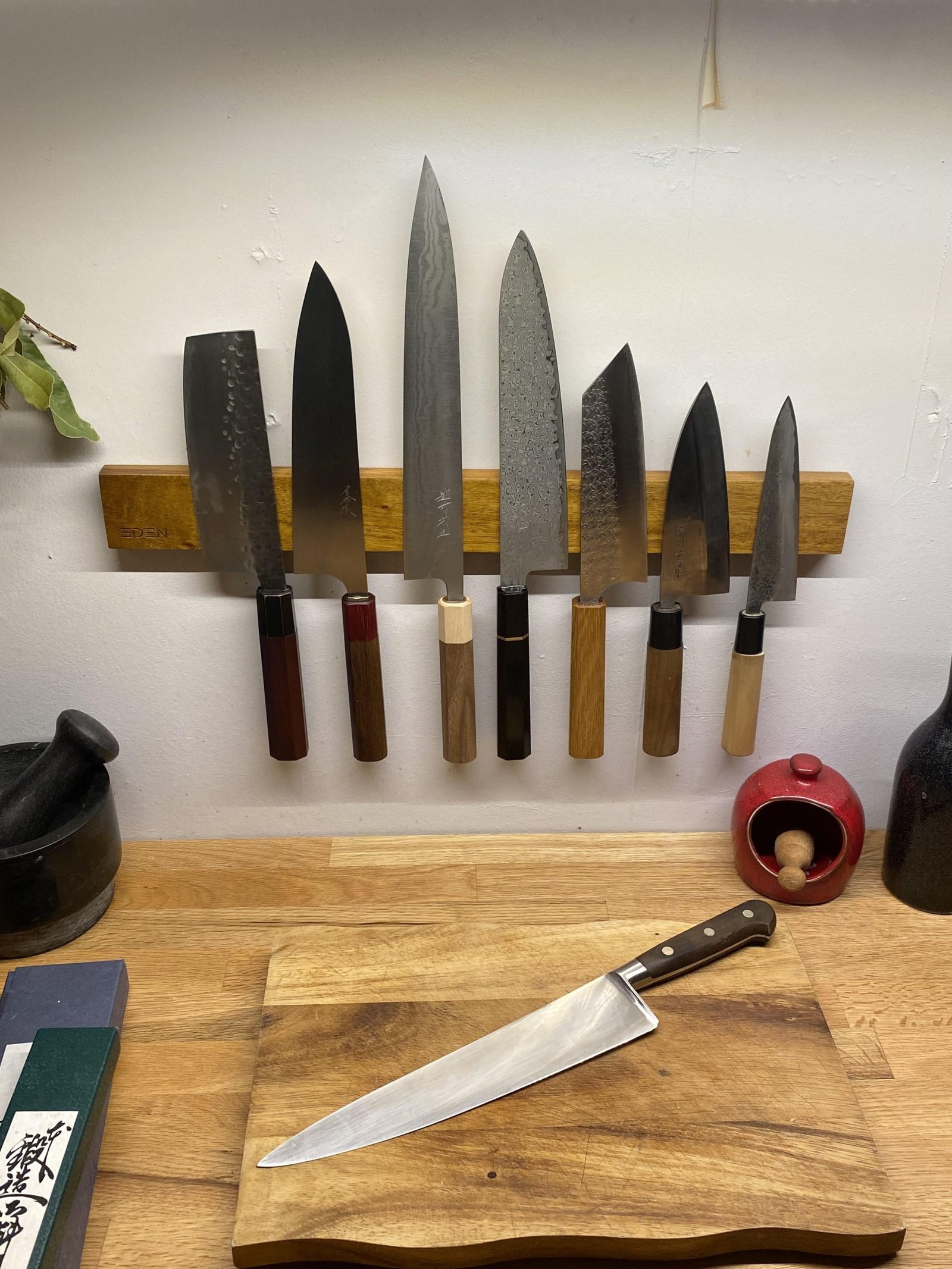
Magnetic Strips
Magnetic strips attach to walls or workbenches. They hold metal knives firmly and keep them visible for quick access. This option saves space and keeps blades off surfaces.
| Feature | Benefit |
|---|---|
| Strong magnets | Secure hold for knives |
| Wall mounted | Keeps knives off counters |
| Easy reach | Quick access during work |
| Visible storage | Easy to check blade condition |
Wall Mounted Holders
Wall mounted holders use slots or hooks to hold knives safely. They keep blades separated and easy to grab. This method works well for workshops with enough wall space.
Advantages of wall mounted holders:
- Prevents blade contact and dulling
- Organizes knives by size or type
- Reduces clutter on work surfaces
- Can be installed at comfortable height

Credit: www.thepioneerwoman.com
Blade Safety Measures
Utility knives are useful tools but can be dangerous if not stored properly. Safe storage helps prevent accidents and injuries.
Following simple blade safety measures keeps you and others safe around utility knives.
Using Blade Covers
Blade covers protect the sharp edges of utility knives when not in use. They reduce the risk of cuts and accidents.
Always place a cover on the blade before storing the knife. Use covers made to fit your knife model.
- Keep blade covers clean and intact
- Replace covers if damaged
- Never store knives without covers
Retracting Blades
Many utility knives have retractable blades. Retracting the blade hides it safely inside the handle.
Always retract the blade after use and before storing the knife. This lowers the chance of accidental cuts.
- Check that the blade is fully retracted
- Use the blade lock if your knife has one
- Keep the knife locked when not in use
Proper Disposal Of Blades
Old or broken blades can cause injuries if not thrown away safely. Proper disposal protects everyone.
Wrap used blades in thick tape or place them in a blade disposal container before throwing them away.
- Use a sharps container if available
- Do not throw loose blades in trash
- Label disposal containers clearly
Organizing Your Tools
Keeping your utility knives safe starts with good organization. A tidy workspace helps you find tools fast and avoid accidents.
Organizing tools properly also protects the blades and extends their life. Use smart storage ideas to keep knives secure.
Designated Compartments
Use special compartments to store each utility knife separately. This prevents blades from touching and getting dull or damaged.
Compartments also make it easy to grab the right knife quickly. Look for storage boxes or drawer inserts with slots for knives.
- Keep each knife in its own slot or sheath
- Choose compartments that fit your knife sizes
- Use foam inserts to hold knives firmly
- Label compartments for easy identification
Labeling Storage
Labeling your storage areas helps you stay organized. It also keeps your knives in the right place every time.
Labels reduce mistakes and save time searching. Use clear tags or stickers on drawers, boxes, or compartments.
- Write the knife type or size on each label
- Use waterproof labels to prevent wear
- Place labels where they are easy to see
- Update labels if you change your tool setup
Separating Knives From Other Tools
Keep utility knives away from other tools to avoid damage and injury. Mixing tools can dull blades or cause accidents.
Use separate storage containers or drawers just for knives. This keeps blades sharp and your workspace safer.
- Store knives in a dedicated box or pouch
- Do not mix knives with heavy or sharp tools
- Use blade guards or sheaths for added safety
- Check storage areas regularly for order and safety
Safe Handling Practices
Utility knives are handy tools but can be dangerous if not handled properly. Storing them safely helps prevent accidents.
Follow simple safety steps to keep yourself and others safe when using and storing utility knives.
Keeping Out Of Reach Of Children
Children should never have access to utility knives. These tools are sharp and cause serious injuries.
Store knives in locked boxes or high shelves where children cannot reach them. Teach kids about knife dangers.
- Use locked drawers or cabinets
- Keep knives out of sight
- Inform children about knife safety
Wearing Protective Gear
Always wear safety gloves when using utility knives. Gloves protect your hands from cuts and slips.
Eye protection is also important. It prevents injuries from flying debris when cutting tough materials.
- Use cut-resistant gloves
- Wear safety glasses or goggles
- Choose gear that fits well
Routine Maintenance Checks
Check your utility knives regularly to keep them safe and sharp. Dull blades cause more accidents.
Look for blade damage and replace blades immediately. Clean the knife to remove dirt and sticky residue.
- Inspect blades for chips or cracks
- Replace dull or damaged blades
- Clean the knife after use
- Store blades safely when not in use
Travel And Transport Tips
Carrying utility knives safely during travel is very important. Proper storage prevents accidents and damage.
Follow simple tips to keep your utility knives secure when moving from one place to another.
Secure Locking Mechanisms
Many utility knives have locking parts to keep the blade in place. Always use these locks before travel.
Check that the blade is fully retracted and the lock is engaged. This stops the blade from opening by mistake.
Padded Containers
Use padded cases or containers to protect your utility knives. Padding absorbs shocks during transport.
Padded containers also keep knives from scratching other tools or surfaces. Look for soft, durable materials.
- Foam-lined cases work well
- Soft cloth bags can help
- Hard cases with padding are best
Avoiding Loose Storage
Do not carry utility knives loosely in bags or pockets. Loose knives can cause injuries and get damaged.
Keep knives in fixed spots inside bags or toolboxes. Use straps or holders to keep them still during transport.
- Use knife holsters or clips
- Place knives in separate compartments
- Wrap blades with protective covers

Credit: www.amazon.com
Frequently Asked Questions
How Do You Store Utility Knives Safely?
Store utility knives in a designated holder or magnetic strip. Ensure the blades are retracted or covered. Keep them out of children’s reach. Organize them in a drawer with a divider for added safety. Regularly check for blade sharpness and replace dull blades promptly.
Can Utility Knives Be Stored In A Toolbox?
Yes, utility knives can be stored in a toolbox. Ensure the blades are retracted or sheathed. Use a dedicated compartment or pouch to prevent accidental cuts. Keep the toolbox in a secure location, away from children’s reach. Regularly check the condition of the knife and toolbox for safety.
What Precautions Are Needed For Storing Knives?
Always retract or sheath the blade before storing. Use a designated holder or magnetic strip. Store knives out of children’s reach. Regularly check and maintain the knife’s condition. Ensure the storage area is dry to prevent rusting. Organize knives separately to avoid accidental cuts during retrieval.
Are Magnetic Strips Safe For Knife Storage?
Yes, magnetic strips are safe for storing knives. They keep blades accessible while preventing accidental cuts. Ensure the strip is securely mounted and at a safe height. Regularly check the magnetic strength to avoid falls. Keep the area around the strip clear to prevent accidental contact.
Conclusion
Storing utility knives safely protects you and others from harm. Keep blades covered and locked away. Use a dedicated box or holder for knives. Store them out of reach of children. Regularly check knives for damage or rust. Clean and dry knives before storing.
Safe storage extends the life of your tools. A simple habit can prevent accidents at home or work. Remember, safety matters every time you use a utility knife. Stay careful, stay safe.