Are you worried about transplanting your shrubs and ensuring they thrive in their new home? You’re not alone.
Many gardeners face challenges when moving their beloved plants to a different spot. But with the right tips, you can make this process smooth and stress-free. Imagine seeing your shrubs flourish, adding beauty and life to your garden once again.
In this guide, we’ll share practical advice that will boost your confidence and help you achieve successful shrub transplants. Stick around, and you’ll learn exactly what steps to take to give your shrubs the best chance of success.
Choosing The Right Shrubs
Picking the right shrubs helps your garden look good and grow well. It is important to select shrubs that fit your space and soil.
Good choices make transplanting easier and improve the chance your shrubs will thrive.
Selecting Healthy Plants
Look for shrubs that have strong stems and green leaves. Avoid plants with brown spots or broken branches.
Check the roots if possible. Healthy roots are white or light-colored and not mushy.
- Choose shrubs without pests or diseases
- Pick plants with fresh, new growth
- Avoid plants with yellowing or wilted leaves
Considering Shrub Size And Age
Young shrubs are easier to move and recover faster from transplanting. Large shrubs may need more care and space.
Think about where the shrub will grow. Make sure it has room to grow bigger without crowding other plants.
- Smaller shrubs are simpler to transplant
- Older shrubs need careful digging and watering
- Match shrub size to the planting space
Preparing The New Site
Transplanting shrubs needs careful site preparation. The right site helps shrubs grow strong.
Good soil and a perfect spot make a big difference. Take time to prepare the new location well.
Soil Testing And Improvement
Test the soil before planting. It shows if the soil has the right nutrients and pH level.
Improve soil by adding needed materials. This helps the shrub get enough food and water.
- Use a soil test kit or send samples to a lab.
- Add compost or organic matter to improve soil texture.
- Adjust pH with lime for acidic soil or sulfur for alkaline soil.
- Make sure soil drains well but keeps moisture.
Choosing Optimal Location
Pick a spot that fits the shrub’s sunlight and space needs. This helps it grow healthy.
Avoid areas near large trees or places with poor air flow. These can harm the shrub’s growth.
- Check how much sun the spot gets each day.
- Leave enough room for the shrub to spread.
- Choose a place with good air circulation.
- Avoid low spots where water can collect.
Timing Your Transplant
Choosing the right time to move shrubs helps them grow well. Transplanting at the wrong time can hurt the plant.
Good timing reduces stress and helps shrubs settle into their new spot faster.
Best Seasons For Moving Shrubs
Spring and fall are the best seasons to transplant shrubs. In these seasons, the weather is mild and the plant can recover quickly.
In spring, plants start growing after winter rest. In fall, they prepare for winter by slowing growth, saving energy for new roots.
- Early spring, before leaves fully open
- Late fall, after leaves drop but before frost
- Avoid hot summer and frozen winter months
Weather Conditions To Avoid
Do not transplant shrubs during very hot or freezing weather. Extreme temperatures can cause damage and slow root growth.
Avoid transplanting in dry or windy conditions. These make it hard for shrubs to stay hydrated and healthy.
- Hot summer days with strong sun
- Freezing winter temperatures
- Dry spells or drought conditions
- Windy days that dry out plants
Digging Up Shrubs
Digging up shrubs carefully is key to moving them successfully. You must protect the roots and keep the plant healthy.
Good digging helps the shrub grow well after transplanting. It needs the right tools and gentle handling.
How To Dig Without Damage
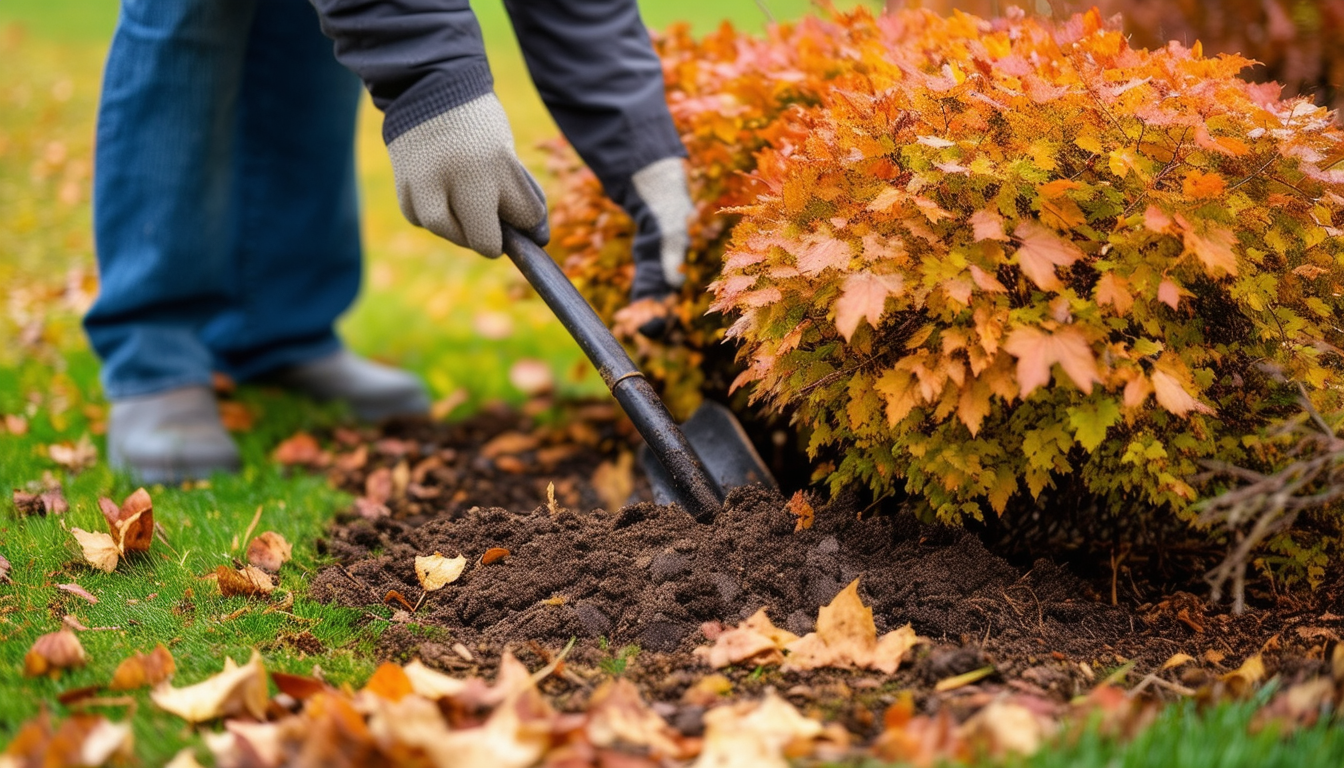
Start digging at the drip line, where the shrub’s branches end. This area holds most roots. Use a sharp spade to cut the soil cleanly.
Lift the shrub with its root ball intact. Avoid pulling the shrub by the stem or branches. Keep the root ball moist to stop drying out.
- Dig wide enough to include many roots
- Cut through roots carefully to avoid tearing
- Use a tarp to move the root ball
- Keep roots covered and damp during transport
Root Pruning Techniques
Root pruning helps the shrub grow new roots before transplanting. It reduces stress and makes the move easier.
Use a sharp spade to cut roots around the shrub. Do this a few months before you dig up the plant. Water the shrub well after pruning.
- Prune roots 6 to 12 inches from the trunk
- Work slowly to avoid damaging main roots
- Prune in early spring or fall
- Keep the soil moist after pruning
Transporting Shrubs Safely
Moving shrubs requires care to keep them healthy. Proper transport helps plants settle well in their new spot.
Protecting the roots and leaves during the move prevents damage. Using the right tools makes the job easier and safer.
Protecting Roots And Foliage
Keep roots moist and covered to avoid drying out. Wrap the root ball with burlap or plastic to hold soil and moisture.
- Water shrubs a day before moving
- Wrap roots tightly with damp burlap
- Cover foliage with a light cloth or plastic sheet
- Avoid exposing roots to sun or wind during transport
Using Proper Tools And Materials
Use sharp shovels and sturdy ropes to dig and carry shrubs safely. Prepare materials to support the plant during the move.
| Tool | Purpose |
| Sharp shovel | Cleanly dig around roots |
| Burlap or plastic wrap | Protect root ball and keep moisture |
| Sturdy ropes or ties | Secure shrub during transport |
| Wheelbarrow or cart | Move heavy shrubs easily |
Credit: www.theonlinegardencenter.com
Planting In The New Location
Transplanting shrubs needs care to help them grow well. Choosing the right spot and preparing it helps the shrub settle quickly.
Planting correctly in the new place keeps the shrub healthy. This section explains key steps for planting success.
Correct Planting Depth
Plant shrubs at the same depth they grew before. Planting too deep can cause root problems.
Check the root ball and soil line. Make sure the top of the root ball is level with the ground.
Backfilling And Watering
Fill the hole with soil gently to avoid air pockets. Firm the soil lightly around the roots.
Water the shrub deeply after planting. This helps the soil settle and provides moisture for the roots.
- Fill hole halfway, then water
- Finish filling the hole with soil
- Water again deeply after planting
- Keep soil moist for several weeks
Aftercare For Transplanted Shrubs
Transplanting shrubs can be hard on the plants. Proper care after moving helps them grow strong and healthy.
Giving the right water, mulch, and watching for stress signs keeps shrubs safe after transplanting.
Watering Schedules
Water newly transplanted shrubs deeply but not too often. Keep soil moist but not soggy.
Check soil moisture every day for the first two weeks. Then water less often as roots grow.
- Water 2-3 times a week in the first month
- Adjust watering if it rains or is very hot
- Avoid overwatering to prevent root rot
Mulching Tips
Apply mulch around the base of the shrub to keep soil moist and cool. Mulch also stops weeds.
Use organic mulch like wood chips or bark. Keep mulch 2-3 inches deep but away from the stem.
- Spread mulch 2-4 inches around the shrub
- Leave 2-3 inches of space near the stem
- Replace mulch as it breaks down over time
Monitoring For Stress Signs
Look at your shrub daily for signs of stress. Early signs help you act fast and save the plant.
Wilting leaves, yellowing, or leaf drop may mean the shrub needs more water or care.
- Watch for drooping or dry leaves
- Check for yellow or brown leaf edges
- Look for slow new growth or leaf drop
Credit: www.permaculturegardens.org
Common Mistakes To Avoid
Transplanting shrubs can be tricky. Avoiding common mistakes helps your plants grow well.
Knowing what to avoid saves time and keeps your shrubs healthy after moving.
Overwatering Or Underwatering
Giving too much water can drown the roots. Too little water makes the shrub dry out.
Both overwatering and underwatering stress the plant and slow down its growth.
- Water the shrub right after transplanting.
- Check soil moisture before watering again.
- Keep soil moist but not soggy.
- Adjust watering based on weather and soil type.
Ignoring Soil Conditions
Planting in poor soil stops shrubs from growing well. Soil needs good nutrients and drainage.
Ignoring soil type can cause roots to rot or not get enough air and water.
- Test soil before planting to check pH and nutrients.
- Amend soil with compost to improve quality.
- Choose a site with proper drainage.
- Use mulch to keep soil healthy and moist.

Credit: theprudentgarden.com
Frequently Asked Questions
What Is The Best Time To Transplant Shrubs?
The ideal time to transplant shrubs is during early spring or late fall. These seasons offer cooler temperatures and moist soil, reducing transplant shock and encouraging healthy root growth.
How Do I Prepare A Shrub For Transplanting?
Water the shrub thoroughly a day before transplanting. Prune any dead branches and dig a wide root ball to protect roots during the move.
How Deep Should I Dig When Transplanting Shrubs?
Dig a hole twice as wide and the same depth as the root ball. This allows roots to spread and establish in new soil easily.
What Soil Type Is Best For Transplanting Shrubs?
Use well-draining, nutrient-rich soil mixed with organic compost. This combination supports root growth and helps the shrub adapt quickly to its new location.
Conclusion
Transplanting shrubs needs care and the right steps. Choose a good time and prepare the soil well. Water the shrub before and after moving it. Protect the roots during the move. Give the shrub space to grow in the new spot.
Watch it closely for signs of stress. Patience helps shrubs adjust to their new home. Follow these tips for healthy, thriving plants. Your garden will thank you with beauty and life. Simple care makes a big difference.