
If you’ve just picked up a belt sander or want to get better at using one, you’re in the right place. This powerful tool can make your sanding jobs faster and smoother, but only if you know the right way to handle it.
Using a belt sander incorrectly can lead to mistakes, wasted materials, or even damage to your project. That’s why learning a few simple tips can save you time, effort, and frustration. Keep reading, and you’ll discover easy-to-follow advice that will help you get perfect results every time you use your belt sander.
Credit: www.familyhandyman.com
Choosing The Right Belt Sander
A belt sander helps you smooth wood and other materials fast. Picking the right one makes your work easier.
Focus on the types of sanders, grit options, and power to find the best fit.
Types Of Belt Sanders
There are different belt sanders for various tasks. Choose one that matches your project needs.
- Handheld Belt Sanders:Easy to move and good for small jobs.
- Stationary Belt Sanders:Fixed on a bench, used for large or precise work.
- Detail Belt Sanders:Small and great for tight spaces and curves.
Selecting The Correct Grit
Grit size affects how smooth your surface will be. Choose grit based on your sanding goal.
- Coarse Grit (40-60):Removes old paint and rough wood fast.
- Medium Grit (80-120):Good for smoothing wood after coarse sanding.
- Fine Grit (150-220):Used for final smoothing before finishing.
Power And Size Considerations
Power and size affect how well your sander works. Pick the right balance for your projects.
- Power:Higher wattage means faster sanding and less effort.
- Belt Size:Larger belts cover more area but can be harder to control.
- Weight:Lighter sanders are easier to handle for long jobs.

Credit: www.homebuilding.co.uk
Preparing Your Workspace
A clean and safe workspace helps you use a belt sander well. You avoid accidents and get better results.
Before you start, set up your area carefully. It saves time and keeps you safe.
Safety Gear Essentials
Wear the right safety gear before using a belt sander. This gear protects your eyes, ears, and skin.
- Use safety goggles to protect your eyes from dust and debris.
- Wear ear protection to guard against loud noise.
- Put on a dust mask to avoid breathing in fine particles.
- Choose gloves that offer a good grip but do not get caught in the sander.
- Wear tight-fitting clothes to prevent them from catching on the tool.
Securing The Workpiece
Keep your workpiece steady to get smooth sanding results and avoid injury. Use clamps or a vise to hold it firmly.
| Method | Use | Tip |
| Clamps | Hold wood or metal pieces on a workbench | Tighten securely but avoid damaging the material |
| Vise | Best for small or irregularly shaped items | Check that jaws are clean and provide a strong grip |
| Workbench | Supports larger pieces during sanding | Clear the surface to prevent slipping |
Clearing The Area
Remove all clutter and obstacles near your workspace. This keeps you safe and allows free movement.
- Clear tools and materials that you don’t need.
- Make sure the floor is clean and dry to avoid slips.
- Keep a trash bin nearby for sanding dust and scraps.
- Provide good lighting to see your work clearly.
- Ensure cords and hoses are out of the way to prevent trips.
Proper Handling Techniques
Using a belt sander safely and effectively depends on how you handle it. Proper handling helps you get smooth results and avoid accidents.
Learn the right ways to hold and move the sander. This will make your work easier and protect your materials.
Correct Grip And Stance
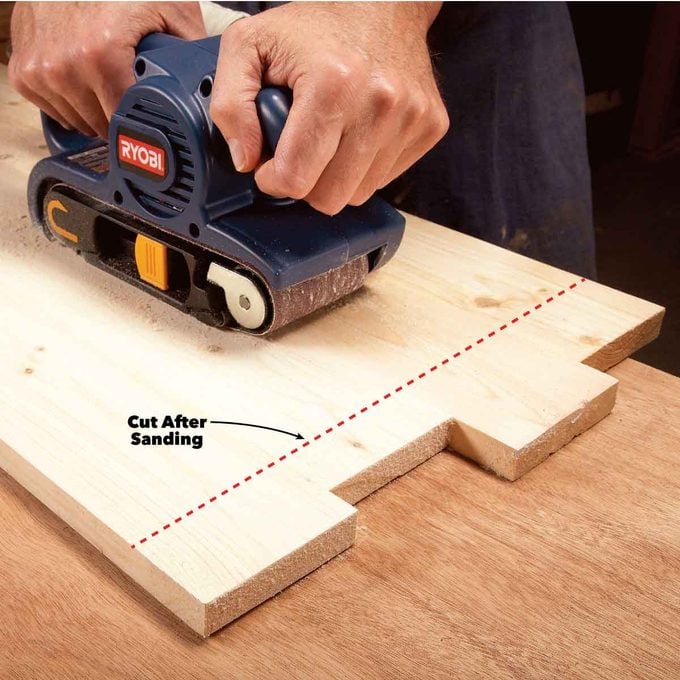
Hold the belt sander with both hands for control. Keep a firm but relaxed grip to guide the tool steadily.
Stand with your feet shoulder-width apart. This stance gives balance and helps you move the sander smoothly across the surface.
- Use your dominant hand on the rear handle
- Place the other hand on the front grip
- Keep your body aligned with the sander’s direction
- Bend your knees slightly for better balance
Maintaining Consistent Pressure
Apply even pressure to avoid gouges and uneven sanding. Let the sander’s weight do most of the work.
Pressing too hard can damage the surface or wear the belt fast. Light, steady pressure gives the best finish.
- Keep your hands steady and avoid pushing down hard
- Move the sander slowly to allow smooth sanding
- Check your work often to avoid over-sanding
Avoiding Common Mistakes
Many users press too hard or hold the sander at the wrong angle. This causes scratches or uneven surfaces.
Also, moving the sander too fast can leave marks and damage the belt. Avoid stopping in one spot to prevent gouges.
- Do not press down heavily; use light pressure
- Keep the sander flat and avoid tilting
- Move the sander in smooth, even strokes
- Do not stay in one spot for too long
- Replace worn sanding belts promptly

Credit: bucktool.com
Achieving Smooth Finishes
Using a belt sander can help you get smooth and even surfaces on wood. It is important to use the tool carefully and follow good sanding habits.
This guide covers key tips to improve your sanding results and avoid common mistakes.
Sanding In The Right Direction
Always sand with the grain of the wood. Sanding across the grain can leave scratches that are hard to remove. Move the sander smoothly and keep it flat on the surface.
Layering Grits For Best Results
Start sanding with coarse grit to remove rough areas. Then use medium grit to smooth the surface. Finish with fine grit for a polished look.
- Begin with 60 or 80 grit sandpaper
- Follow with 120 or 150 grit sandpaper
- Complete with 220 grit or higher for fine sanding
Checking Progress Regularly
Stop sanding often to check your work. Look for smoothness and even color. Use your hand to feel for any bumps or rough spots.
| Check Item | What to Look For |
| Surface Smoothness | No rough patches or ridges |
| Visual Uniformity | Even color and texture |
| Edges | Clean and not rounded off too much |
Maintenance And Care
Taking care of your belt sander keeps it working well for a long time. Regular upkeep helps avoid costly repairs and unsafe conditions.
Clean, replace parts, and store the tool properly. These simple steps extend the life of your sander.
Cleaning The Belt Sander
After each use, remove dust and debris from the sander. Use a brush or compressed air to clean hard-to-reach areas.
- Unplug the sander before cleaning
- Brush off sanding dust from belts and rollers
- Use compressed air to clear vents and motor housing
- Wipe the outside with a dry cloth to remove dirt
Replacing Sanding Belts
Change sanding belts when they wear out or tear. A worn belt reduces sanding quality and can damage the tool.
- Turn off and unplug the sander
- Release the belt tension lever
- Remove the old belt carefully
- Install the new belt, aligning it properly
- Re-engage the tension lever to secure the belt
- Test the belt for correct tracking before use
Storing For Longevity
Store your belt sander in a dry, cool place. Proper storage prevents rust and damage to the electrical parts.
| Storage Tip | Reason |
| Keep in a dust-free case or box | Protects from dust and moisture |
| Store away from direct sunlight | Prevents plastic and rubber parts from cracking |
| Place on a stable shelf or surface | Avoids accidental drops or damage |
| Disconnect power cord | Reduces risk of electrical faults |
Troubleshooting Issues
Belt sanders are powerful tools but can face common problems. Knowing how to fix issues saves time and effort.
This guide covers fixing belt slippage, uneven sanding, and overheating. Use these tips to keep your tool working well.
Dealing With Belt Slippage
Belt slippage happens when the sanding belt moves out of place or slips during use. This reduces sanding quality and can cause damage.
- Check if the belt is the correct size for your sander.
- Inspect the tension lever and tighten the belt properly.
- Clean the rollers and remove dust or debris.
- Replace worn-out belts that have lost grip.
- Ensure the tracking knob is adjusted so the belt stays centered.
Fixing Uneven Sanding
Uneven sanding leaves rough spots or gouges in wood. This problem is often caused by belt damage or improper use.
| Cause | Solution |
| Worn or torn sanding belt | Replace the sanding belt with a new one |
| Uneven pressure on the sander | Apply even pressure and move the sander smoothly |
| Dirty or clogged belt | Clean the belt or replace if necessary |
| Damaged sanding pad | Inspect and replace the sanding pad |
Handling Overheating
Overheating can damage the sander’s motor and belt. It happens when the tool runs too long or faces heavy load.
To prevent overheating, try these actions:
- Take breaks every few minutes to let the tool cool down.
- Check for dust buildup in vents and clean them regularly.
- Avoid pressing too hard on the sander, which strains the motor.
- Use the correct belt grit for the material to reduce resistance.
- Inspect the power cord and connections for damage.
Frequently Asked Questions
What Safety Gear Is Essential When Using A Belt Sander?
Always wear safety goggles and a dust mask to protect eyes and lungs. Use ear protection to reduce noise impact. Wear gloves to protect hands and avoid loose clothing that can get caught in the sander.
How Do I Choose The Right Sandpaper Grit?
Select coarse grit (40-60) for heavy material removal. Use medium grit (80-120) for smoothing surfaces. Fine grit (150-220) is best for finishing and polishing wood or metal surfaces.
Can A Belt Sander Be Used On Metal Surfaces?
Yes, but use sandpaper designed for metal. Belt sanders work well for removing rust or shaping metal edges. Always wear appropriate safety gear and work slowly to avoid overheating the metal.
How Do I Prevent Gouging When Sanding?
Keep the sander moving evenly across the surface. Avoid pressing down too hard; let the sander’s weight do the work. Maintain a steady speed and use the right sandpaper grit for your task.
Conclusion
Sanding becomes easier with the right belt sander techniques. Remember, safety first. Wear protective gear. Check the sander for any defects. Practice on scrap wood before starting. Keep your movements steady and even. Avoid applying too much pressure. It can damage the material.
Regularly change the sandpaper belt. This keeps the sanding effective. Clean the sander after every use. This prolongs its life. With these tips, sanding projects become smoother. Enjoy crafting your projects with precision. Happy sanding!