
If you want smooth, professional-looking surfaces fast, mastering your belt sander is a must. But using this powerful tool the wrong way can lead to uneven finishes or even damage your project.
Imagine finishing your work quickly, with perfect results every time—sounds great, right? You’ll discover simple yet effective tips that will help you take full control of your belt sander. Keep reading to learn how to work smarter, save time, and get the best finish on every project you tackle.

Credit: www.reddit.com
Choosing The Right Belt Sander
Choosing the right belt sander helps you work faster and better. It is important to pick one that fits your project needs.
Knowing different types, grit options, and power settings guides you to the best choice. This makes sanding easier and safer.
Types Of Belt Sanders
Belt sanders come in many shapes. Some are handheld, and others are stationary for big jobs.
Handheld sanders are good for small and medium jobs. Stationary belt sanders work well for large wood pieces.
- Handheld belt sanders: Portable and easy to use
- Stationary belt sanders: Stable for heavy sanding
- Detail belt sanders: Small belts for tight spaces
Selecting The Appropriate Grit
The grit number shows how rough or smooth the belt is. Lower grit means rough, higher grit means smooth.
Start with coarse grit for removing paint or wood fast. Use fine grit to finish and smooth the surface.
- Coarse grit (40-60): Fast material removal
- Medium grit (80-120): General sanding
- Fine grit (150+): Smooth finishing work
Power And Speed Considerations
Power affects how well the sander removes material. More power is good for hard woods and big jobs.
Speed controls how fast the belt moves. Variable speed lets you adjust for different tasks and materials.
- High power (above 7 amps): Best for heavy sanding
- Low power (below 5 amps): Suitable for light jobs
- Variable speed: Adjust belt speed for control and finish

Credit: www.homebuilding.co.uk
Preparing Your Workspace
Using a belt sander needs a clean and safe workspace. Preparing your area helps you work better and avoid accidents.
Organize your space before starting. This saves time and makes sanding easier.
Safety Gear Essentials
Wear the right safety gear to protect yourself from dust and debris. Safety gear keeps you safe while sanding.
- Use safety goggles to protect your eyes
- Wear a dust mask to avoid breathing dust
- Put on ear protection to block loud noise
- Wear gloves to protect your hands
Securing The Workpiece
Hold your workpiece steady before sanding. A moving piece can cause mistakes or injuries.
Use clamps or a vise to keep the item in place. This gives you better control of the sander.
- Clamp the workpiece firmly to the table
- Check that it does not wobble or move
- Make sure clamps do not block sanding areas
Clearing The Area
Clear your workspace from objects that can get in the way. A clean area helps you focus on sanding.
Remove loose tools, cords, and debris to avoid tripping or damage to the sander.
- Keep the floor clear and dry
- Organize tools away from the sanding spot
- Ensure good lighting to see your work clearly
Mastering Belt Sander Techniques
Using a belt sander can save time and effort in many woodworking projects. It helps smooth rough surfaces quickly and evenly.
To get good results, you need to use the right techniques. This guide covers key tips for using a belt sander effectively.
Proper Hand Positioning
Hold the belt sander firmly with both hands. One hand should grip the front handle for control.
Place your other hand on the rear handle to guide the tool smoothly across the surface. Keep your hands steady to avoid slips.
- Front hand controls direction
- Rear hand supports and guides
- Keep fingers away from the sanding belt
Maintaining Consistent Pressure
Apply even pressure while sanding. Too much force can damage the surface or wear the belt quickly.
Light pressure lets the sander do the work. Keep your hands relaxed to maintain steady contact with the wood.
- Press gently but firmly
- Avoid pushing down hard
- Let the belt move smoothly over the surface
Moving The Sander Smoothly
Move the sander in slow, even strokes. Keep it flat to the surface to avoid gouges or uneven sanding.
Do not stay in one spot too long. Keep a steady pace to get a uniform finish across the workpiece.
- Slide the sander forward and backward
- Overlap each pass slightly
- Keep belt flat on the wood
Avoiding Common Mistakes
Using a belt sander can make your work faster and smoother. But mistakes can cause damage or poor results.
Knowing how to avoid common errors helps you get better results and keeps your tool safe.
Preventing Gouges And Dips
Pressing too hard or staying in one spot causes gouges and dips in wood. Keep the sander moving evenly.
Hold the sander flat and use light pressure. Let the belt do the work, not your strength.
- Move the sander in steady, smooth strokes
- Keep the belt flat on the surface
- Use light, even pressure
- Avoid stopping in one place
Handling Heat Build-up
Heat builds up when sanding too long in one spot. This can burn the wood or damage the belt.
Take breaks and move the sander often. This stops heat from building up and keeps your work safe.
- Do not hold the sander still for long
- Sand in short bursts and move frequently
- Check the belt and wood for heat signs
- Replace belts if they get too hot or worn
Dealing With Belt Slippage
Belt slippage can stop sanding and cause uneven work. It happens if the belt is loose or worn out.
Keep the belt tight and clean. Change it when it shows signs of wear to avoid slipping.
- Check belt tension before use
- Clean the belt and rollers regularly
- Replace belts that are torn or stretched
- Follow the sander’s manual for belt installation
Maintenance Tips For Longevity
Keeping your belt sander in good shape helps it last longer. Regular maintenance prevents damage and keeps the machine running smoothly.
Follow these simple tips to care for your belt sander. Each step focuses on a key part of the machine.
Cleaning The Belt And Machine
Clean the sanding belt after each use. Removing dust and debris stops clogging and wear. Wipe the machine’s surface to avoid buildup that can harm parts.
- Use a belt cleaning stick to remove dust from the belt
- Brush away dust from the machine’s vents and rollers
- Wipe the outer surfaces with a dry cloth
- Check for any stuck debris and remove it gently
Replacing Worn Belts
Replace belts that show signs of wear. A worn belt reduces sanding quality and strains the motor. Choose the correct belt size and grit for your job.
| Sign of Wear | What to Do |
| Torn or frayed edges | Replace immediately |
| Loss of grit or smooth surface | Replace for better sanding |
| Slipping or uneven movement | Check tension and replace if needed |
Lubricating Moving Parts
Lubricate parts that move to reduce friction. This helps the sander run quietly and prevents parts from wearing out. Use the right oil or grease recommended in the manual.
- Apply lubricant to the roller bearings
- Lubricate the belt tension mechanism
- Do not over-lubricate to avoid attracting dust
- Wipe off excess lubricant after application
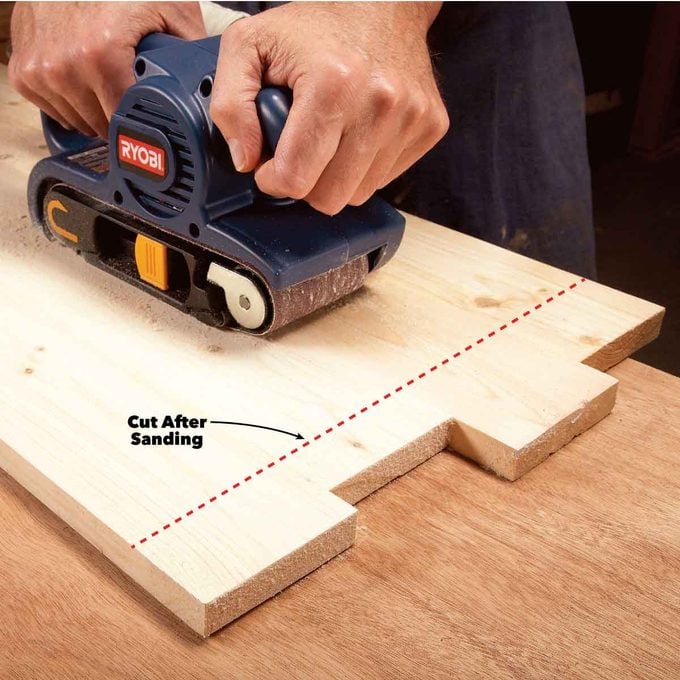
Credit: www.familyhandyman.com
Advanced Techniques For Professionals
Belt sanders are powerful tools for shaping and smoothing wood. Professionals use special methods to get the best results. These techniques save time and improve surface quality.
This guide covers advanced tips on shaping, finishing, and combining belt sanders with other tools. Follow these ideas to work more efficiently and precisely.
Using A Belt Sander For Shaping
Shaping wood with a belt sander requires control and care. Use the sander to remove large amounts of material quickly. Keep the sander moving to avoid gouges and uneven spots.
- Choose coarse grit belts for fast material removal.
- Mark the shape outline clearly before sanding.
- Use steady pressure and keep the sander flat on the surface.
- Check your progress often to keep the shape accurate.
- Switch to finer grits to smooth the edges after rough shaping.
Blending And Finishing Surfaces
After shaping, blend rough areas to create smooth transitions. Use fine-grit belts to finish surfaces. This step removes scratches and prepares wood for finishing.
| Grit Level | Purpose | Tip |
|---|---|---|
| 80-100 | Remove marks and shape edges | Work gently to avoid deep scratches |
| 120-150 | Smooth surface and blend edges | Keep sander moving evenly |
| 180-220 | Final sanding before finishing | Use light pressure for a clean finish |
Combining With Other Tools
Using a belt sander with other tools improves results. Start with rough shaping on the belt sander. Use hand files or detail sanders for tight spots and curves.
Here are tips for combining tools:
- Use the belt sander for large flat areas.
- Switch to a spindle sander for rounded edges.
- Finish with hand sanding for fine detail.
- Keep tools clean and belts fresh for best performance.
Frequently Asked Questions
How Do I Choose The Right Belt Sander?
Selecting a belt sander depends on the task’s scale and your experience level. For heavy-duty tasks, opt for a powerful model. For beginners, a lightweight, easy-to-handle sander is ideal. Consider the belt size and speed for versatility. Always check customer reviews for reliability and performance insights.
What Safety Gear Should I Wear?
Always wear safety goggles to protect your eyes from dust and debris. Use ear protection to guard against noise. Wear a dust mask to avoid inhaling particles. Gloves are essential for a firm grip and hand protection. Ensure you’re in a well-ventilated area to reduce dust exposure.
How Often Should I Replace The Sandpaper?
Replace sandpaper when it becomes smooth or ineffective in sanding. Frequent checks during use help determine its condition. Dull sandpaper reduces efficiency and can damage the surface. Always keep extra sandpaper on hand for uninterrupted work. Regular replacement ensures optimal performance and a smooth finish.
Can I Use A Belt Sander On Wood Only?
No, belt sanders are versatile and can work on various materials. Besides wood, they’re effective on metal, plastic, and even to remove paint. Adjust the grit and speed according to the material. Always test on a small area first to ensure the desired result.
Conclusion
Using a belt sander safely and correctly improves your work quality. Keep the sander steady and move it with care. Choose the right sandpaper for your project. Clean the tool after each use to keep it working well. Practice often to feel confident and fast.
Small steps make big progress. Enjoy smooth, even surfaces on every project.