
Using a circular saw can make your woodworking projects faster and more precise. But if you’re not careful, it can also be dangerous.
You want to get the best results while staying safe and confident every time you pick up the saw. You’ll discover simple, practical tips that will help you use your circular saw like a pro. Keep reading to learn how to cut smarter, avoid common mistakes, and protect yourself from accidents.
Your next project is about to get a whole lot easier.
Choosing The Right Blade
Choosing the right blade for your circular saw is key to good cuts. The blade affects the smoothness and speed of your work.
Understanding blade types, materials, and teeth helps you pick the best one for your project.
Types Of Blades
Blades come in many types. Each fits a specific purpose and material. Using the right type prevents damage and improves safety.
- Crosscut blades: For cutting wood across the grain.
- Rip blades: For cutting wood along the grain.
- Combination blades: Good for both ripping and crosscutting.
- Metal cutting blades: Made for cutting metal sheets and pipes.
- Masonry blades: Used to cut stone, brick, or concrete.
Blade Material
Blade material affects durability and cutting quality. Choose the material based on the job and saw type.
| Material | Description | Best For |
| Steel | Basic and affordable | Softwood and general purpose |
| High-Speed Steel (HSS) | Stronger and lasts longer | Harder woods and metals |
| Tungsten Carbide | Very hard tips on teeth | Long lasting and tough materials |
| Diamond-Tipped | Extreme hardness | Masonry and tile cutting |
Tooth Count And Design
The number and shape of teeth change the cut style. More teeth make a smoother cut but cut slower.
- Few teeth: Faster cuts, rough finish, good for ripping.
- Many teeth: Slower cuts, smooth finish, ideal for crosscutting.
- Alternate Top Bevel (ATB): Teeth alternate angles for clean cuts.
- Flat Top Grind (FTG): Teeth have flat edges for fast rip cuts.
- Combination Tooth: Mix of ATB and FTG for versatility.
Preparing Your Workspace
Setting up a safe and efficient workspace helps you use a circular saw well. It reduces risks and makes cutting easier.
Focus on three main areas: securing the material, setting up a stable surface, and wearing the right safety gear.
Securing The Material
Hold your wood or material firmly to stop it from moving. This keeps your cuts straight and prevents accidents.
- Use clamps to lock the material on your workbench.
- Check that the clamps are tight before cutting.
- Place scrap wood under your material to protect the surface.
- Make sure the material is flat and does not wobble.
Setting Up A Stable Surface
A solid, level surface helps you control the saw better. This lowers the chance of mistakes or injuries.
| Surface Type | Recommendation |
| Workbenches | Use sturdy benches that do not shake. |
| Sawhorses | Place two pairs evenly spaced for support. |
| Floor | Avoid cutting directly on the floor to prevent damage. |
| Outdoor Tables | Check stability and clear debris before use. |
Safety Gear Essentials
Wear safety gear to protect yourself from dust, noise, and flying debris while using the saw.
- Safety goggles to shield your eyes.
- Ear protection like earplugs or earmuffs.
- Work gloves to protect your hands.
- Dust mask to avoid breathing sawdust.
- Close-toed shoes for foot safety.
Adjusting The Saw Settings
Setting your circular saw correctly makes your cuts safer and cleaner. Knowing how to adjust the saw helps you work faster and avoid mistakes.
This guide covers depth adjustment, bevel angle setup, and speed control tips. Each part helps you get the best from your saw.
Depth Adjustment
Set the blade depth so it just clears the thickness of the material. Too deep can cause rough cuts and waste power. Too shallow can make the cut incomplete.
- Unplug the saw before adjusting depth.
- Loosen the depth adjustment lever or knob.
- Lower or raise the base plate to set the blade depth.
- Secure the lever or knob tightly to keep the setting.
- Test the depth on scrap wood before cutting.
Bevel Angle Setup
The bevel angle lets you cut at an angle other than 90 degrees. This is useful for angled joints and trim work. Check the saw’s bevel scale before adjusting.
| Bevel Angle | Use |
| 0° | Standard straight cut |
| 15° to 30° | Common for angled joints |
| 45° | Used for miters and corners |
Loosen the bevel lock, tilt the saw to the desired angle, and lock it in place. Double-check with a protractor if needed.
Speed Control Tips
Some circular saws have adjustable speed. Slower speeds work better on hard materials like metal or plastic. Faster speeds cut wood more quickly.
Follow these tips for speed control:
- Start with a slow speed to line up your cut.
- Increase speed for straight, clean cuts on wood.
- Lower speed for detailed or curved cuts.
- Avoid high speed on hard materials to prevent damage.
- Refer to your saw manual for speed settings.
Credit: www.familyhandyman.com
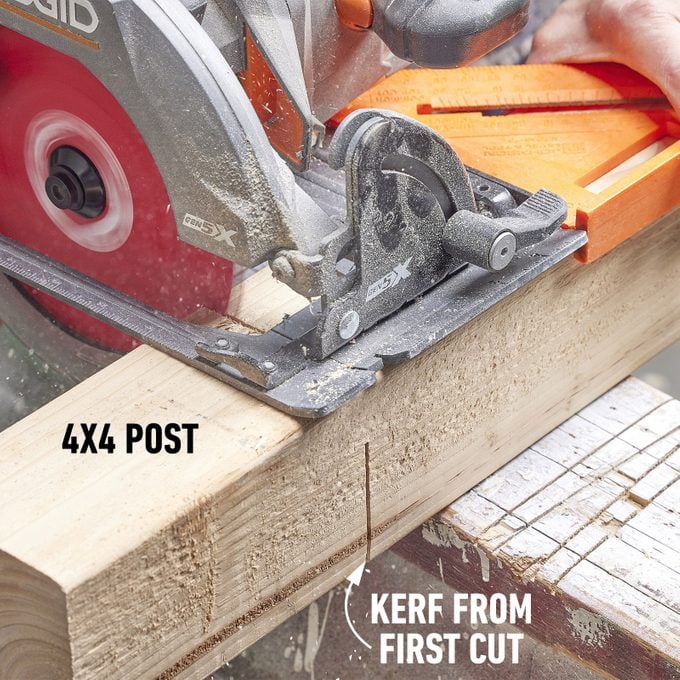
Techniques For Straight Cuts
Cutting straight lines with a circular saw takes practice and care. Using the right techniques helps you get clean, accurate cuts every time.
These tips focus on how to keep your cuts straight and avoid mistakes while working with a circular saw.
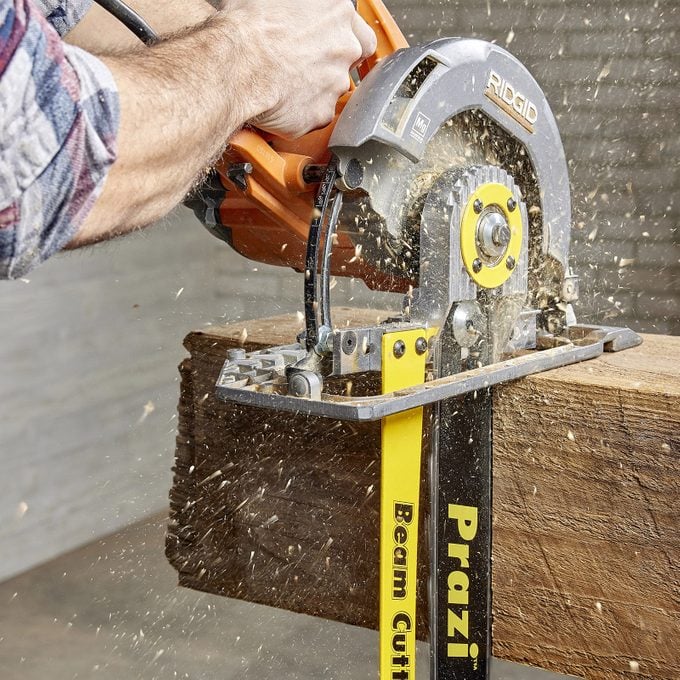
Using Guides And Fences
Guides and fences help keep your saw straight during cuts. They act as a physical barrier or ruler to follow.
You can use a straight piece of wood or a metal guide clamped to your workpiece. This helps the saw blade stay on the cut line.
- Clamp the guide firmly to prevent movement
- Make sure the guide is exactly on the cutting line
- Use a fence for repeated cuts of the same width
Maintaining A Steady Hand
Hold the saw firmly with both hands to keep it steady. Your grip should be strong but not tense.
Keep your arms and body balanced. This helps guide the saw smoothly along the cut line without wobbling.
- Keep your feet shoulder-width apart for stability
- Use your dominant hand on the saw handle
- Guide the saw with your other hand on the front grip
Controlling Feed Rate
Feed rate means how fast you push the saw through the wood. Move the saw too fast and the cut may be rough.
Push the saw slowly and evenly. This gives the blade time to cut cleanly without binding or burning the wood.
- Start the saw before touching the wood
- Keep a steady, moderate speed during the cut
- Do not force the saw through the material
Handling Curved Cuts
Cutting curves with a circular saw can be tricky. It needs care and the right tools.
Using proper techniques helps make smooth, safe curved cuts. This guide covers key tips.
Selecting The Right Blade
Use a blade with many small teeth for curved cuts. It cuts more smoothly on curves.
Blades designed for fine cuts reduce splintering and make control easier.
- Choose a blade with 60 or more teeth
- Look for blades labeled “fine cut” or “finish”
- Avoid rough or ripping blades for curves
Marking The Curve
Draw clear, smooth lines for your curve. Use a pencil or chalk for visibility.
Mark both sides of the material if possible. This helps keep your cut accurate.
- Use a flexible curve ruler for complex shapes
- Make light marks to avoid sanding later
- Check your lines before cutting
Slow And Steady Movements
Move the saw slowly along the curve. Fast cuts can cause mistakes or kickbacks.
Keep a steady hand. Let the saw do the work without forcing it.
- Follow the marked line carefully
- Keep the saw base flat on the wood
- Pause if the saw feels stuck or off track
Credit: www.familyhandyman.com
Preventing Common Mistakes
Using a circular saw safely and effectively needs care and knowledge. Mistakes can cause injury or damage to your project.
This guide covers key tips to avoid common errors with your circular saw. Follow these to work confidently and safely.
Avoiding Kickback
Kickback happens when the saw blade catches and throws the wood back. This can be dangerous and cause loss of control.
- Keep the blade sharp and clean to reduce binding.
- Hold the saw firmly with both hands during the cut.
- Make sure the wood is well supported and does not pinch the blade.
- Do not cut warped or twisted wood without extra care.
- Always stand to the side of the cutting line, not behind the saw.
Minimizing Tear-out
Tear-out is the rough, splintered edge that happens when cutting wood. It can spoil your work’s look.
| Tip | Description |
|---|---|
| Use a sharp blade | Sharp blades cut cleanly and reduce splinters. |
| Cut with the good side down | Place the finished side facing down to protect it from tear-out. |
| Score the cut line | Run a utility knife along the cut before sawing to limit splintering. |
| Use painter’s tape | Place tape over the cut line to hold wood fibers in place. |
Checking Blade Alignment
Proper blade alignment keeps cuts straight and reduces wear on the saw and blade.
- Unplug the saw before adjusting the blade.
- Use a square to check if the blade is perpendicular to the base plate.
- Adjust the bevel angle to match your cut needs.
- Tighten all screws securely after alignment.
- Test cut on scrap wood to confirm proper setup.
Maintenance And Care
Taking care of your circular saw helps it last longer. Regular maintenance keeps it safe and working well.
Simple steps like cleaning, sharpening, and proper storage improve performance. These tips help you get the best from your tool.
Cleaning The Saw
Cleaning removes dust and debris that can cause problems. Dirt buildup can slow down the saw and wear parts faster.
Use a brush or air compressor to clear sawdust. Wipe metal parts with a dry cloth to prevent rust.
- Unplug the saw before cleaning
- Remove blade guard to clean hidden areas
- Keep vents clear to avoid overheating
- Use light oil on metal parts to stop rust
Blade Sharpening Tips
A sharp blade cuts smoothly and safely. Dull blades increase effort and can cause accidents.
Check the blade regularly for dull teeth or damage. Sharpen or replace the blade when needed.
- Use a blade sharpener or take it to a professional
- Keep the blade clean before sharpening
- Follow manufacturer instructions for blade care
- Wear gloves when handling the blade
Storage Recommendations
Store your circular saw in a dry, safe place. Proper storage stops damage and keeps the tool ready to use.
A protective case or cover helps prevent dust and moisture from reaching the saw. Avoid places with extreme temperatures.
- Unplug and clean the saw before storing
- Keep the blade covered or removed
- Store in a dry, cool area away from children
- Check the saw before each use after storage

Credit: www.familyhandyman.com
Frequently Asked Questions
What Safety Gear Is Essential When Using A Circular Saw?
Always wear safety glasses, ear protection, and gloves. Use a dust mask to avoid inhaling debris. Proper footwear and tight clothing prevent accidents. Safety gear protects you from flying particles and loud noise.
How To Choose The Right Blade For A Circular Saw?
Select a blade based on the material you cut. Use carbide-tipped blades for wood and metal blades for metal. Blade size and tooth count affect cut quality and speed. Choose blades for clean, efficient cuts.
What Is The Best Way To Maintain A Circular Saw?
Regularly clean the saw and check blade sharpness. Lubricate moving parts and tighten loose screws. Replace worn blades promptly for safety and performance. Proper maintenance extends tool life and ensures smooth operation.
How Can I Make Straight Cuts Using A Circular Saw?
Use a guide or clamp a straight edge to your material. Mark the cut line clearly before starting. Keep the saw base flat and steady while cutting. Practice steady, controlled movements for accurate cuts.
Conclusion
Mastering the circular saw takes practice and patience. Always prioritize safety first. Use the right blade for your task. Secure your material firmly before cutting. Maintain a steady hand for cleaner cuts. Regular maintenance keeps the saw working smoothly. Check the cord and blade regularly.
Familiarize yourself with the saw’s features. This boosts confidence and efficiency. Remember, practice makes perfect. With these tips, you will cut like a pro in no time. Stay safe, and enjoy your woodworking projects!