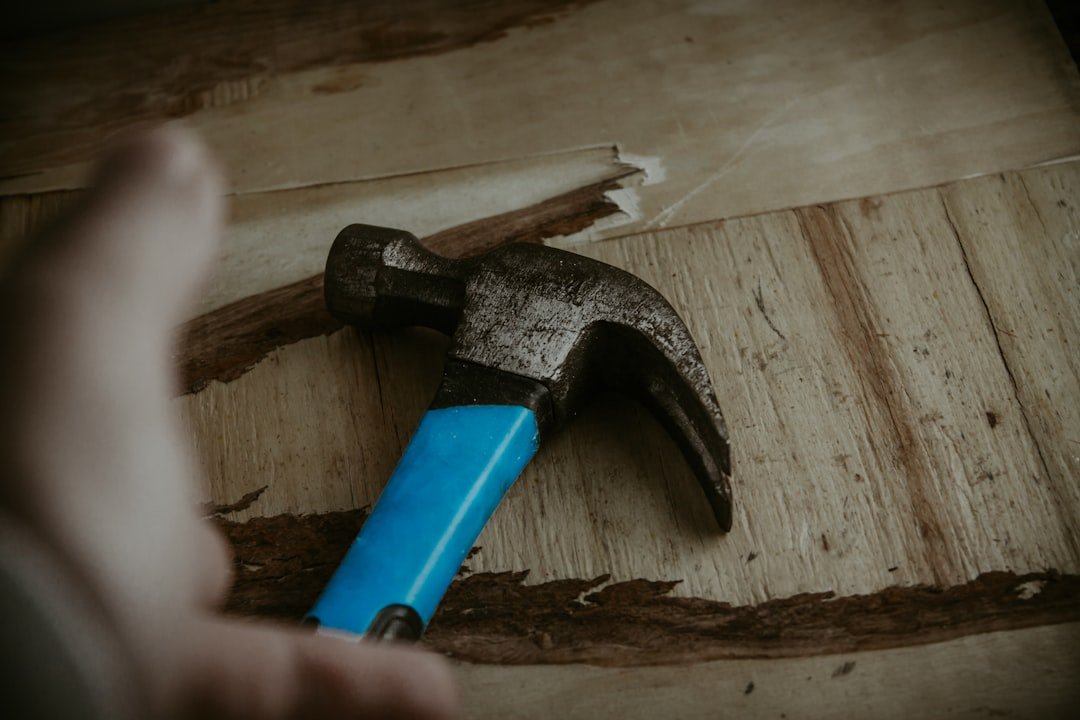
If you want to get the most out of your claw hammer, knowing how to use it right is key. Whether you’re hanging a picture or tackling a bigger project, using this tool effectively saves you time and keeps you safe.
You’ll discover simple tips that make every strike count and help you work smarter, not harder. Ready to master your claw hammer? Let’s dive in and transform the way you handle this essential tool.
Choosing The Right Claw Hammer
Selecting the right claw hammer makes your work easier and safer. A good hammer fits your hand and matches the job.
Focus on weight, size, handle material, grip, and claw design. These factors affect comfort and efficiency.
Hammer Weight And Size
Pick a hammer weight that you can handle comfortably. Too heavy or too light can cause fatigue or poor control.
- Light hammers (8-12 ounces) suit small nails and delicate work.
- Medium hammers (12-16 ounces) fit general household tasks.
- Heavy hammers (16 ounces and up) are for framing and heavy-duty jobs.
Handle Material And Grip
Handle material affects hammer durability and comfort. Choose one that reduces shock and fits your grip.
| Material | Advantages | Disadvantages |
| Wood | Lightweight, absorbs shock | Can break, needs care |
| Fiberglass | Strong, reduces vibration | Heavier, more expensive |
| Steel | Very durable | Transmits shock, heavier |
Claw Design Variations
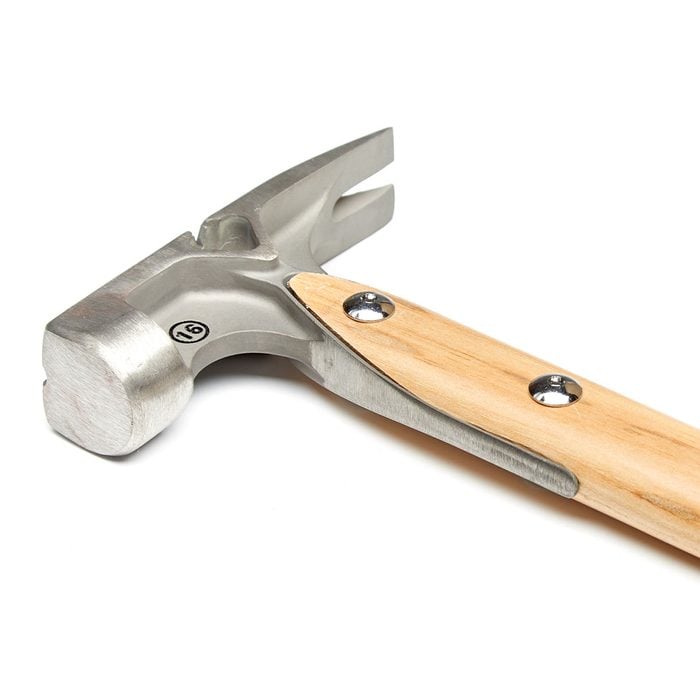
Claws vary in shape and length. This affects nail removal and prying power.
- Curved claws offer better leverage for pulling nails.
- Straight claws work well for prying and light demolition.
- Long claws reach deeper nails but may be harder to control.
Preparing For Safe Hammering
Using a claw hammer safely starts with good preparation. Taking time before hammering lowers the risk of injury.
Follow simple steps to protect yourself and work efficiently. Safety gear, tool checks, and a clear area are key parts.
Wearing Protective Gear
Wear gear that guards your eyes, hands, and feet. This gear keeps you safe from flying debris and accidental hits.
- Safety glasses to protect your eyes
- Work gloves for a strong grip and hand safety
- Closed-toe shoes to protect your feet from dropped tools
Inspecting The Hammer
Check the hammer before you use it. Look for cracks, loose handles, or worn heads to avoid accidents.
| Check Area | What to Look For |
| Handle | No cracks or splinters; firmly attached |
| Head | No rust or damage; securely fixed |
| Claw | Sharp and clean for easy nail removal |
Setting Up The Work Area
Clear the space around you. Remove objects that could cause trips or falls. Good lighting helps you see clearly.
Keep these tips in mind:
- Work on a stable surface
- Keep bystanders at a safe distance
- Organize tools within easy reach
- Use clamps to hold workpieces steady
Proper Hammering Techniques
Using a claw hammer correctly helps you work safely and effectively. Good techniques reduce accidents and damage.
Learn how to hold the hammer, aim for the nail, and control your swing. These tips improve your results.
Correct Grip And Stance
Hold the hammer near the end of the handle for better control and power. Your grip should be firm but not too tight.
Stand with your feet shoulder-width apart. Face the nail squarely to keep your balance and accuracy.
- Grip the hammer handle close to the bottom
- Keep your wrist straight
- Stand with feet shoulder-width apart
- Face the nail directly
Striking Nails Accurately
Focus your eyes on the nail head before swinging. Start with light taps to set the nail in place.
Hit the nail squarely to avoid bending it. Keep your wrist steady and use your arm to swing the hammer.
- Look at the nail head when striking
- Tap lightly to start the nail
- Strike the nail straight on
- Keep wrist steady during swings
Controlling Swing Power
Use smooth and controlled swings. Avoid using too much force that can damage the wood or miss the nail.
Let the hammer’s weight do most of the work. Adjust your power depending on the nail size and wood type.
- Swing smoothly and steadily
- Do not use excessive force
- Let the hammer’s weight drive the nail
- Change power based on nail and wood

Credit: www.thisoldhouse.com
Efficient Nail Removal
Removing nails is a common task in woodworking and repairs. Using a claw hammer properly saves time and effort.
This guide helps you remove nails cleanly and quickly with a claw hammer.
Using The Claw To Pry Nails
Place the claw under the nail head carefully. Push down on the handle to lift the nail slowly.
Make sure the claw grips the nail firmly before pulling it out to avoid bending the nail or slipping.
- Slide the claw under the nail head
- Hold the hammer handle tightly
- Lift the handle slowly to pry the nail
- Repeat if the nail is stuck
Leveraging Techniques
Use the hammer handle as a lever to increase force. The longer the handle, the easier it is to pull nails.
Position the hammer to get the best angle for leverage. This reduces effort and prevents damage.
- Hold the hammer near the end of the handle
- Use slow, steady pressure
- Change angles if the nail resists
- Use a block of wood to extend the lever if needed
Avoiding Damage To Surfaces
Place a thin piece of wood or cardboard under the hammer claw. This protects the surface from scratches and dents.
Remove nails gently to keep the wood or material intact. Avoid jerky movements that can cause damage.
- Use a protective pad under the claw
- Pull nails straight out when possible
- Work slowly to avoid splintering
- Check the surface after nail removal
Maintaining Your Claw Hammer
Keeping your claw hammer in good shape makes it safer and easier to use. Regular care helps the hammer last longer.
Learn simple ways to clean, sharpen, and decide when to replace your hammer.
Cleaning And Storage Tips
Remove dirt and rust from your claw hammer after use. Store it in a dry place to avoid damage.
- Wipe the hammer with a cloth to remove dust and debris.
- Use steel wool or sandpaper to clean rust spots carefully.
- Apply a light coat of oil to the metal parts to prevent rust.
- Keep the hammer in a toolbox or hang it on a pegboard in a dry area.
- Avoid leaving the hammer outside or in damp places.
Sharpening And Repair
Check the claw and handle for damage. Sharpen the claw if it becomes dull to improve nail removal.
| Task | How to Do It |
| Sharpen the Claw | Use a metal file to carefully shape the claw edges. |
| Tighten Loose Handle | Insert wood wedges or glue if the handle feels loose. |
| Replace Damaged Handle | Remove the old handle and fit a new one securely. |
When To Replace Your Hammer
Replace your claw hammer if it has major cracks or the head is loose beyond repair. A worn-out hammer can be unsafe.
- Cracks in the handle or head.
- Head slips off the handle during use.
- Severe rust damage that weakens the metal.
- Handle is splintered or broken.
Credit: www.familyhandyman.com
Common Mistakes To Avoid
Using a claw hammer seems simple, but many people make mistakes. These errors can damage your tools or work.
Avoid these common mistakes to use your hammer safely and effectively every time.
Overstriking And Bent Nails
Overstriking happens when you hit the wood instead of the nail. This can damage the surface and the hammer.
Bent nails occur if you hit the nail at the wrong angle or with too little control. Bent nails are hard to remove.
- Watch your aim to avoid hitting the wood.
- Hold the hammer firmly but not too tight.
- Strike the nail straight to keep it from bending.
Using The Hammer For Wrong Tasks
Claw hammers are not for everything. Using them on hard materials can break the hammer or cause injury.
Do not use a claw hammer to pry heavy objects or hit metal. Use the right tool for each job.
- Do not use the hammer as a wrench or pry bar.
- Avoid hitting metal surfaces with the hammer face.
- Choose tools made for specific tasks like crowbars or mallets.
Ignoring Safety Precautions
Not wearing safety gear can lead to serious injuries. Always protect your eyes and hands when hammering.
Keep your workspace clear and hold the nail carefully. Never rush your work or ignore warning signs.
- Wear safety glasses to protect your eyes.
- Use gloves to protect your hands from splinters.
- Keep your fingers clear of the hammer’s path.
- Work in a clean, well-lit area.

Credit: www.youtube.com
Frequently Asked Questions
How Do I Hold A Claw Hammer Properly?
Hold the hammer near the end of the handle for better control. Grip it firmly but not too tight. This ensures powerful and accurate strikes while reducing hand fatigue.
What Safety Tips Should I Follow Using A Claw Hammer?
Always wear safety goggles to protect your eyes. Check the hammer for damage before use. Keep your work area clear and strike nails squarely.
How Can I Remove Nails Efficiently With A Claw Hammer?
Position the claw under the nail head. Use the hammer’s handle as a lever. Pull back gently to avoid damaging the wood surface.
When Should I Choose A Claw Hammer For A Project?
Use a claw hammer for driving and removing nails. It’s ideal for woodworking, framing, and general repairs. Its versatility suits most household tasks.
Conclusion
Mastering the use of a claw hammer takes practice. With the right grip and technique, tasks become easier. Always ensure you have a firm hold. This prevents accidents and enhances control. Choose the right hammer for your job. Different tasks need different tools.
Regularly check your hammer for wear. A well-maintained tool lasts longer. Practice makes perfect, so keep using your hammer. Safety should always come first. Remember these tips for better results. With patience, you’ll improve your skills. Craftsmanship grows with experience.
Keep learning and refining. Your projects will benefit greatly.