Using a claw hammer might seem simple, but without the right safety steps, it can quickly become dangerous. You want to get your job done without risking injury or damaging your tools.
Imagine finishing your project smoothly, feeling confident and secure every time you pick up your hammer. You’ll discover easy and effective tips that keep you safe while working. Keep reading to protect yourself and make every strike count.
Choosing The Right Claw Hammer
Picking the right claw hammer is important for safe and easy use. The right hammer reduces hand strain and improves control.
Consider weight, size, handle material, and grip type before buying your claw hammer.
Weight And Size Considerations
Choose a hammer weight that feels comfortable in your hand. A heavy hammer can cause fatigue quickly.
Size matters too. A hammer that is too big or too small can be hard to control and unsafe.
- Light hammers (8-12 ounces) are good for small nails and delicate work.
- Medium hammers (16 ounces) suit most general tasks.
- Heavy hammers (20 ounces or more) are best for large nails and framing.
Handle Materials And Grip Types
Handle material affects the hammer’s durability and comfort. Choose a handle that fits your needs.
Grip types help prevent slipping and reduce hand strain during use.
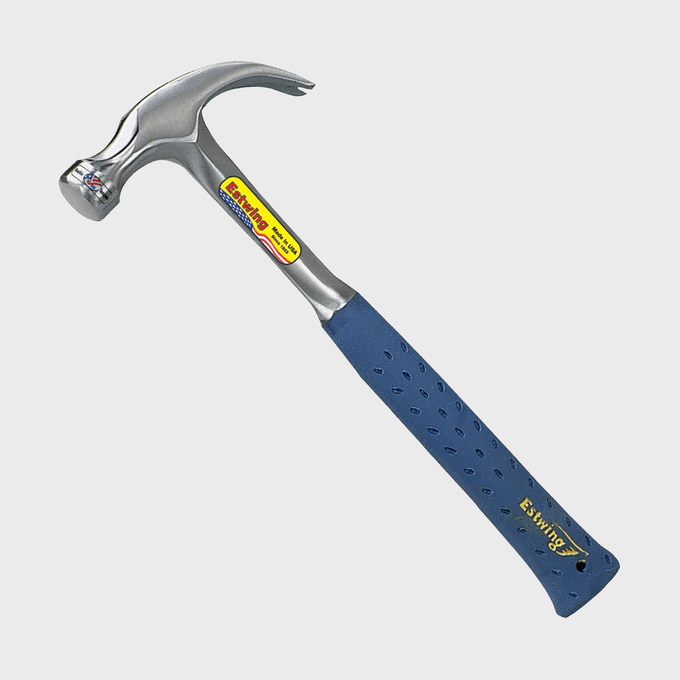
- Wood handles absorb shock well but can break if used hard.
- Fiberglass handles offer good shock absorption and last longer.
- Steel handles are strong but can transfer more vibration to your hand.
- Rubber or textured grips improve hold and reduce slipping.
Credit: www.familyhandyman.com
Inspecting Your Hammer Before Use
Using a claw hammer safely starts with a careful inspection. Check your hammer before every job. This helps prevent accidents and keeps the tool in good shape.
Look closely for any signs of damage or wear. A weak hammer can break or slip, causing injury. Take a few minutes to review these key points.
Checking For Damage And Wear
Examine the hammerhead for cracks, chips, or rust. These flaws weaken the hammer and can cause it to break while you work.
- Look for dents or bends on the hammerhead.
- Check if the claw is intact and not cracked.
- Remove any rust using a wire brush before use.
- Avoid using hammers with loose or damaged heads.
Ensuring A Secure Handle
The handle must be firmly attached and free of splinters or cracks. A secure handle gives you control and reduces the chance of injury.
| Handle Condition | What to Check |
| Wooden Handle | Look for cracks, splinters, and looseness at the head |
| Fiberglass Handle | Check for cracks or bending |
| Steel Handle | Inspect grip area for damage or wear |
| All Handles | Make sure the hammerhead is tightly fixed |
Proper Grip And Stance
Using a claw hammer safely starts with holding it right. Your grip and stance help you control the tool well. This lowers the chance of accidents.
Learn how to hold the hammer and position your body. This will make your work easier and safer.
Holding The Hammer Correctly
Hold the hammer near the end of the handle. This gives you more power and control. Keep a firm but relaxed grip. Don’t hold it too tight or too loose.
- Wrap your fingers around the handle.
- Place your thumb along the handle for balance.
- Keep your wrist straight to avoid strain.
- Grip the hammer near the bottom for better leverage.
Body Position For Control And Balance
Stand with your feet shoulder-width apart. This stance helps you stay steady and balanced. Bend your knees slightly to absorb shocks.
| Body Part | Position |
| Feet | Shoulder-width apart, flat on ground |
| Knees | Slightly bent for shock absorption |
| Back | Straight but relaxed |
| Arms | Close to body for control |
Credit: www.theguardian.com
Safe Hammering Techniques
Using a claw hammer safely is important to avoid injury and damage. Proper hammering techniques help you work efficiently and protect your hands and eyes.
This guide covers key tips to strike nails efficiently and avoid glancing blows for safer hammer use.
Striking Nails Efficiently
Hold the hammer firmly near the end of the handle. This gives you better control and power. Start by tapping the nail lightly to set it in place before full strikes.
- Keep your wrist straight to reduce strain.
- Use smooth, controlled swings.
- Position your body so you can hit straight on.
- Watch the nail head closely to improve accuracy.
- Stop if the nail bends or jams.
Avoiding Glancing Blows
Glancing blows happen when the hammer hits the nail at an angle. This can cause the hammer to slip and may injure your hand or damage the surface.
| Cause | Effect | Prevention |
| Hammer strikes nail off-center | Nail bends or slips | Align hammer face with nail head |
| Hammer swings too fast or uncontrolled | Hammer misses nail or slips | Use steady, controlled swings |
| Improper wrist angle | Glancing blow causes rebound | Keep wrist straight and firm |
| Poor nail positioning | Nail falls or bends | Set nail securely before hammering |
Using The Claw For Nail Removal
A claw hammer is a common tool for removing nails. The curved claw helps pull nails out easily.
Using the claw correctly keeps you safe and protects the wood or surface you work on.
Leveraging The Claw Safely
Place the claw under the nail head carefully. Use steady pressure to avoid slips.
Pull the handle slowly and steadily. This reduces the risk of sudden jerks or accidents.
- Keep your hands away from the nail and claw
- Wear gloves to protect your hands
- Use your body weight to pull the nail out
- Do not use excessive force to avoid tool damage
Protecting Surfaces During Removal
Place a thin piece of wood or cardboard under the claw. This stops dents or scratches on the surface.
Check the surface before and after removal. Make sure no damage happens to the wood or paint.
- Use a shim or small block under the claw
- Work slowly to avoid gouging the surface
- Inspect the surface after nail removal
- Sand or touch up if minor damage occurs
Wearing Protective Gear
Using a claw hammer can be risky without proper protection. Wearing the right gear helps keep you safe from injuries.
Always wear protective equipment before you start hammering. It reduces the chance of accidents and keeps you comfortable.
Eye Protection Essentials
Your eyes need strong protection when using a claw hammer. Flying nails or wood chips can cause serious damage.
Wear safety glasses or goggles that fit well. Choose ones made from impact-resistant materials for the best defense.
- Use wrap-around safety glasses to protect from all angles
- Clear lenses help in low-light conditions
- Replace scratched or damaged glasses immediately
Gloves And Footwear Tips
Wear gloves to protect your hands from splinters and blisters. Choose gloves with good grip for better hammer control.
Proper footwear keeps your feet safe from dropped tools or nails. Use sturdy shoes with closed toes and slip-resistant soles.
- Leather or heavy-duty gloves work well for hand safety
- Avoid loose gloves that can catch on the hammer
- Wear boots or shoes with thick soles and steel toes if possible
- Keep footwear clean to avoid slipping
Storing And Maintaining Your Hammer
Keeping your claw hammer in good shape helps it last longer. Proper storage and cleaning keep it safe to use.
Follow simple steps to store and maintain your hammer. This prevents damage and makes your work easier.
Proper Storage Practices
Store your hammer in a dry place to stop rust from forming. Avoid leaving it on the ground or outside.
- Hang your hammer on a tool rack or pegboard.
- Keep it away from moisture and extreme temperatures.
- Use a toolbox or storage bin with padding to protect it.
- Do not toss your hammer in a pile of tools.
Routine Cleaning And Maintenance
Clean your hammer after each use. Dirt and debris can cause damage if left on the tool.
| Maintenance Task | How Often | Purpose |
| Wipe handle and head | After each use | Remove dirt and sweat |
| Check for loose handle | Monthly | Ensure safety |
| Oil metal parts | Every 3 months | Prevent rust |
| Sharpen claw if needed | As needed | Improve nail removal |
Avoiding Common Hammering Injuries
Using a claw hammer can cause injuries if you are not careful. Knowing how to avoid these injuries keeps your hands and body safe. Always pay attention to your movements and surroundings.
Here are some tips to help you use a claw hammer safely. These tips focus on preventing strains and handling unexpected situations during work.
Recognizing And Preventing Strains
Strains happen when muscles or tendons are stretched too much. Hammering can cause strains in your wrist, arm, and shoulder. Recognizing early signs helps you stop before injury occurs.
- Feel stiffness or soreness after hammering
- Notice swelling or tenderness in your hand or arm
- Experience weakness when gripping the hammer
- Take breaks to rest your muscles
- Use a hammer with a comfortable grip
- Keep your wrist straight to avoid extra strain
- Use smooth, controlled swings instead of fast, hard hits
Dealing With Unexpected Situations
Sometimes nails bend or wood splits while hammering. These situations can cause sudden movements that may injure you. Knowing how to react can keep you safe.
| Situation | Safe Action |
| Nail bends | Stop hammering and remove the nail safely |
| Wood splits | Check the wood and choose a new spot to hammer |
| Hammer slips | Hold the hammer firmly and use protective gloves |
| Unexpected object in wood | Stop and inspect before continuing |
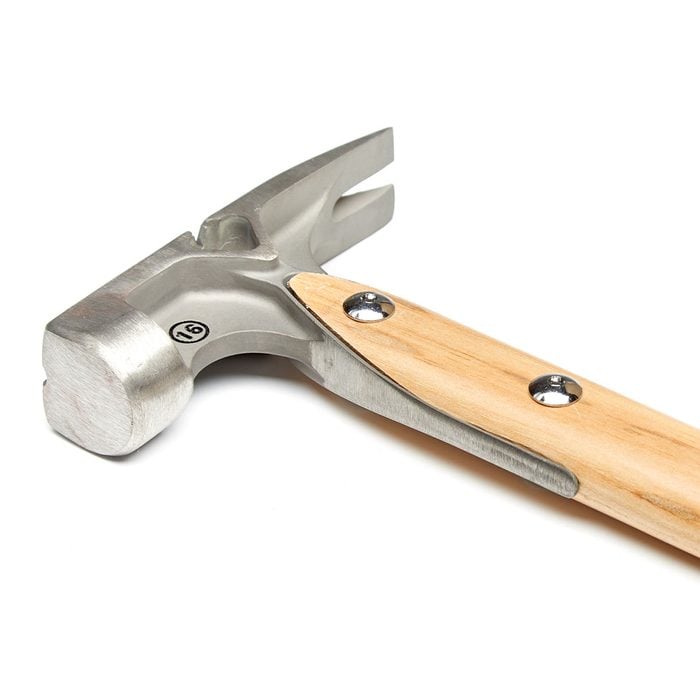
Credit: www.familyhandyman.com
Frequently Asked Questions
How Do I Hold A Claw Hammer Correctly?
Hold the hammer near the end of the handle for better control. Grip firmly but not too tight. Keep your wrist straight to reduce strain and improve accuracy.
What Safety Gear Should I Wear Using A Claw Hammer?
Always wear safety goggles to protect your eyes from flying debris. Gloves help prevent blisters and improve grip. Consider wearing closed-toe shoes to protect your feet.
How Can I Prevent Damage When Using A Claw Hammer?
Use the claw side carefully to remove nails without damaging the surface. Avoid hitting with excessive force to prevent wood splitting. Inspect your hammer for damage before use.
When Should I Replace My Claw Hammer?
Replace your hammer if the handle is cracked or loose. Check if the head is chipped or rusted. Using a damaged hammer increases injury risk and reduces efficiency.
Conclusion
Mastering claw hammer safety ensures a safer work environment. Always grip the handle firmly. Wear protective gear like gloves and goggles. Check your surroundings for hazards. Practice makes perfect. Regularly inspect your hammer for damage. Replace damaged tools promptly. Proper storage prevents accidents.
Share these tips with others. Safety knowledge is invaluable. Keep practicing and stay safe. Safety isn’t just a priority; it’s a necessity. Consistent vigilance minimizes risks. Be proactive, not reactive. A little caution goes a long way. Encourage others to follow these tips.
Safety first, always.