Are you ready to master the art of drilling with ease and precision? Imagine effortlessly creating perfect holes every time, without the hassle of tangled cords.
A cordless drill is your go-to tool for achieving just that. Whether you’re a seasoned DIY enthusiast or a beginner looking to tackle new projects, knowing how to use a cordless drill effectively can save you time and frustration. In this guide, you’ll discover essential tips that transform your drilling tasks into smooth, satisfying experiences.
Dive in to unlock the secrets of efficient drilling and take your DIY skills to the next level!

Credit: www.youtube.com
Choosing The Right Drill
Choosing the right cordless drill makes drilling holes easier. The right drill fits your needs and project type.
Consider factors like drill type, battery power, and drill bits before buying.
Types Of Cordless Drills
Cordless drills come in different types for various tasks. Choose one based on your work needs.
- Standard drills:Good for light drilling and screw driving.
- Hammer drills:Add hammering action for drilling into hard surfaces like concrete.
- Impact drivers:Best for driving screws and bolts with high torque.
Battery Life And Power
Battery life and power affect how long and well your drill works. Choose batteries with enough capacity for your tasks.
| Battery Type | Voltage | Use Case |
| Ni-Cad | 12-18V | Affordable, less runtime |
| Li-ion | 12-20V | Longer life, lighter weight |
| NiMH | 12-18V | Good balance of cost and power |
Drill Bits Selection
Picking the right drill bit helps you make clean holes. Different bits fit different materials.
- Twist bits:Used for wood, plastic, and metal.
- Masonry bits:Made for brick, stone, and concrete.
- Spade bits:Good for large holes in wood.
- Forstner bits:Create flat-bottom holes in wood.
Credit: www.theguardian.com
Preparing Your Workspace
Before using a cordless drill, set up a clean and clear workspace. A good workspace helps you work safely and easily.
Make sure you have enough light and space to move around. This makes drilling holes faster and more accurate.
Safety Measures
Wear safety glasses to protect your eyes from dust and debris. Use ear protection if the drill is loud.
Keep loose clothes and hair away from the drill. Make sure the battery is fully charged but not damaged.
- Wear safety glasses
- Use ear protection
- Tie back long hair and avoid loose clothes
- Check the drill battery condition
Securing The Material
Hold your workpiece firmly before drilling. Use clamps or a vise to keep the material from moving.
This prevents slips that can cause wrong holes or injuries. It also helps you drill straight holes.
- Use clamps or a vise
- Make sure the material is stable
- Avoid holding the material by hand
Marking Drill Points
Mark the exact spots where you want to drill holes. Use a pencil or marker for clear marks.
Check your measurements twice. Marking helps you avoid mistakes and drill in the right place.
- Use a pencil or marker
- Measure carefully before marking
- Double-check marks for accuracy
Drilling Techniques
Using a cordless drill correctly helps you drill holes safely and accurately. Good techniques reduce mistakes and damage to materials.
This guide covers key tips on grip, speed, and control while drilling holes with a cordless drill.
Proper Grip And Stance
Hold the drill firmly with both hands for better control. Keep your body steady and balanced to avoid slipping or uneven holes.
- Grip the drill handle tightly but not too hard
- Place your other hand on the drill’s body for support
- Stand with feet shoulder-width apart for balance
- Keep your arms close to your body to reduce shaking
Starting Slow And Steady
Begin drilling at a low speed to guide the bit into the material. This prevents the bit from slipping and helps you start the hole accurately.
Apply gentle pressure. Do not force the drill. Let the drill bit do the work.
Maintaining Drill Speed
| Material | Recommended Drill Speed (RPM) |
|---|---|
| Softwood | 1500-2000 |
| Hardwood | 1000-1500 |
| Metal | 500-1000 |
| Plastic | 1000-1500 |
Keep a steady speed while drilling. Adjust the drill speed based on the material you are working on.
Too fast can damage the bit or material. Too slow can cause burning or rough holes.
Avoiding Common Mistakes
Using a cordless drill can be easy if you avoid common mistakes. These errors can cause poor results and damage your tools.
This guide helps you learn how to drill holes better by preventing bit slippage, managing overheating, and handling tough materials.
Preventing Bit Slippage
Bit slippage happens when the drill bit moves inside the chuck or slips on the material. It can ruin the hole and waste time.
To stop this, make sure the bit is tight in the chuck. Also, start drilling slowly to keep the bit in place.
- Use the right drill bit for the material
- Tighten the chuck firmly before drilling
- Begin drilling at low speed to avoid slipping
- Keep steady pressure on the drill
Managing Overheating
Overheating can damage your drill and the bit. It happens when you drill too fast or press too hard.
Take breaks to let the drill cool down. Use sharp bits and the right speed for the material to reduce heat.
- Do not push the drill too hard
- Use sharp bits to cut better
- Drill at the correct speed for the material
- Pause often to let the drill cool
Dealing With Tough Materials
Tough materials like metal or hardwood need special care. Using the wrong bit or speed can cause damage.
Choose bits made for hard materials. Drill slowly and apply steady pressure for clean holes.
- Select bits labeled for metal or hardwood
- Start drilling at low speed
- Use steady, even pressure on the drill
- Keep the drill straight to avoid uneven holes
Maintaining Your Drill
Keeping your cordless drill in good shape helps it work better and last longer. Simple care steps protect your tool from damage.
Regular maintenance saves money by avoiding costly repairs. Follow these tips to keep your drill ready for any job.
Cleaning And Storage
Clean your drill after each use. Remove dust, dirt, and debris from the drill body and vents. Use a dry cloth or a soft brush.
Store your drill in a dry, cool place. Avoid places with high humidity or direct sunlight. Keep it in its case if possible.
- Wipe the drill with a dry cloth
- Clean air vents carefully
- Store in a protective case
- Avoid damp or hot areas
Battery Care Tips
Battery health is key for cordless drills. Charge the battery fully before first use. Avoid letting it drain completely.
Store batteries in a cool, dry place. Remove the battery from the drill if you won’t use it for a long time. Keep battery contacts clean.
- Charge battery fully before use
- Do not over-discharge the battery
- Store batteries away from heat
- Clean battery contacts regularly
Regular Bit Replacement
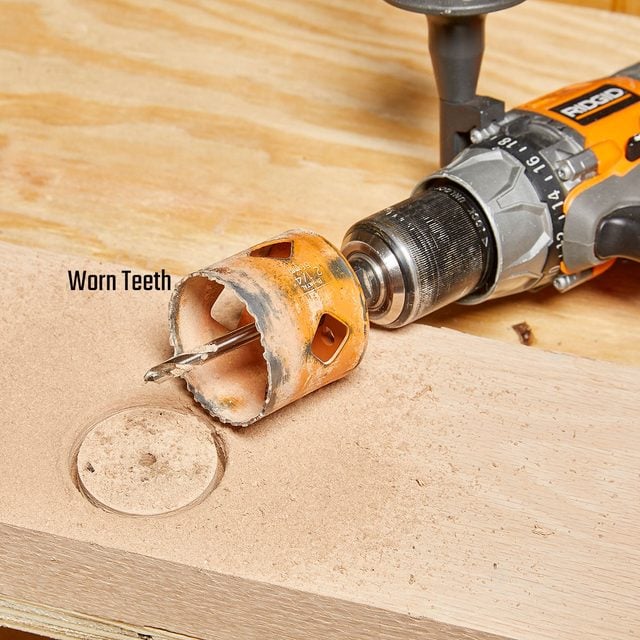
Replace drill bits when they become dull or damaged. Sharp bits make cleaner holes and reduce stress on the drill.
Inspect your bits often. Keep a set of quality bits for different materials. Store bits properly to avoid damage.
- Check bits for wear and damage
- Replace dull or broken bits
- Use the right bit for each material
- Store bits in a safe container
Credit: www.familyhandyman.com
Frequently Asked Questions
What Safety Gear Is Essential When Using A Cordless Drill?
Always wear safety goggles to protect your eyes from debris. Use gloves for hand protection. Ensure a stable stance to avoid slips. Keep hair and loose clothing away from the drill. Follow manufacturer safety guidelines for the best protection.
How Do I Choose The Right Drill Bit For Holes?
Select drill bits based on the material you’re drilling. Wood requires spade or twist bits, metal needs cobalt bits. Match the bit size to the hole diameter you need. Using the correct bit ensures clean and precise holes.
How Can I Extend Cordless Drill Battery Life?
Fully charge the battery before use and avoid overcharging. Store batteries in a cool, dry place. Use the correct charger provided by the manufacturer. Turn off the drill when not in use to conserve power.
What Is The Proper Drilling Speed For Different Materials?
Use slower speeds for metal to prevent overheating. Medium speeds work well for wood to avoid splintering. Higher speeds suit soft materials like plastic. Adjust speed settings according to the material for clean holes.
Conclusion
Using a cordless drill makes drilling holes easier and faster. Always hold the drill steady and use the right drill bit. Start drilling slowly to avoid mistakes. Keep your battery charged for the best power. Practice on scrap wood before working on your project.
Safety glasses protect your eyes from dust and debris. With these tips, you can drill holes with confidence and ease. Enjoy your work and take your time to get good results. Simple steps lead to better, cleaner holes every time.