Assembling furniture can feel tricky, especially if you’re worried about using power tools. But what if you had a simple tool that makes the job faster and easier?
That’s where a cordless drill comes in. With the right tips, you can handle your furniture assembly like a pro, saving time and avoiding frustration. Ready to learn how to get the best out of your cordless drill? Keep reading—your next project will thank you.
Choosing The Right Drill
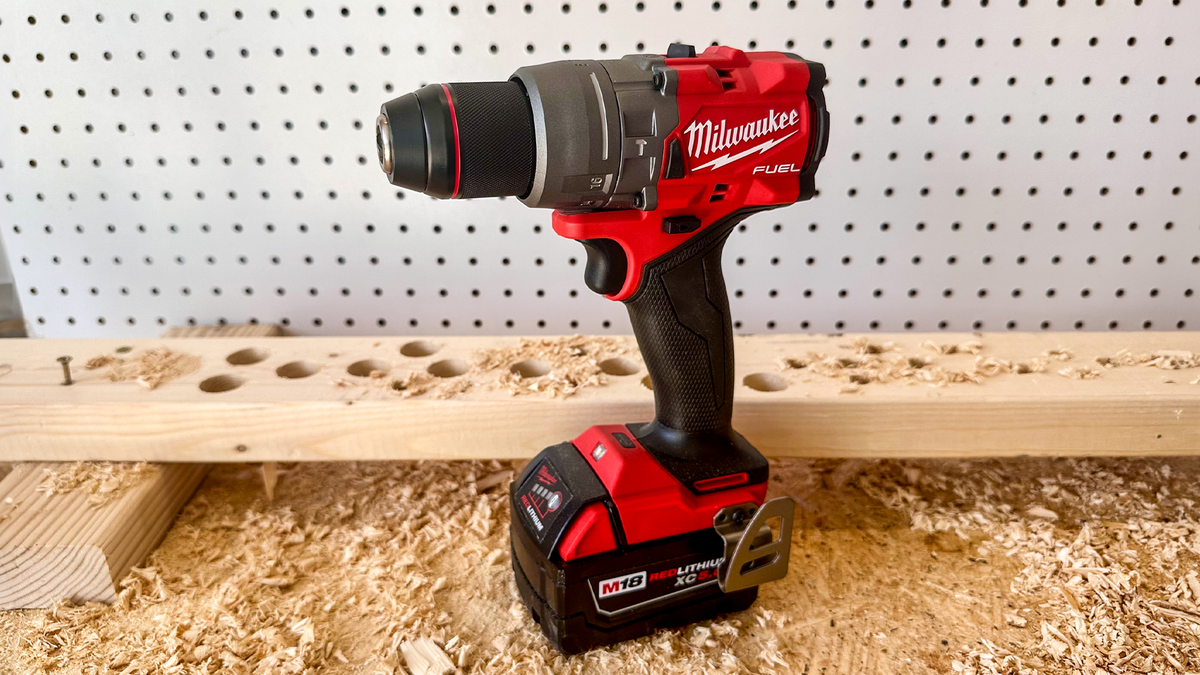
Picking the right cordless drill makes furniture assembly easier. The right drill saves time and effort.
Focus on battery, chuck size, and how the drill feels in your hand. These affect your work quality.
Battery Types And Power
Choose a drill with a battery that lasts long enough for your projects. Lithium-ion batteries are common.
Look at the voltage to know the power. Higher voltage means more power but also more weight.
- Lithium-ion batteries charge fast and hold power well
- Voltage ranges from 12V to 20V for most furniture tasks
- Extra batteries help if you work long hours
Chuck Size And Compatibility
The chuck holds the drill bit. Common sizes are 3/8 inch and 1/2 inch. Choose based on bit sizes you use.
Make sure your drill bits fit well in the chuck. This prevents slipping and helps you work safely.
- 3/8 inch chucks suit small to medium drill bits
- 1/2 inch chucks handle bigger bits and heavy-duty tasks
- Keyless chucks make bit changes faster
Ergonomics And Weight
Pick a drill that feels comfortable in your hand. A good grip reduces fatigue during assembly.
Lighter drills are easier to hold but may have less power. Find a balance that suits your needs.
- Look for rubber grips to prevent slipping
- Test the drill’s weight before buying
- Consider handle shape for better control
Credit: www.anikasdiylife.com
Essential Accessories
Using a cordless drill for furniture assembly is easier with the right accessories. These tools help you work faster and more accurately.
Choosing the right accessories protects your furniture and makes the job safer and cleaner.
Drill Bits For Furniture
Drill bits come in different sizes and types to match your furniture screws. Using the right bit prevents damage to the wood and screws.
Common types include twist bits for pilot holes and spade bits for larger holes.
- Twist bits help start holes for screws
- Spade bits create bigger holes for bolts
- Brad point bits give clean, precise holes
- Use the correct size to avoid splitting wood
Screwdriver Attachments
Screwdriver attachments fit into your drill to drive screws easily. They save time and reduce hand strain during assembly.
Bits come in different shapes to match screw heads, such as Phillips, flathead, and hex.
- Phillips bits fit cross-shaped screws
- Flathead bits fit straight slot screws
- Hex bits fit hexagonal screws or bolts
- Magnetic tips hold screws for easy driving
Depth Stops And Clamps
Depth stops help control how deep screws go into wood. They prevent overdriving, which can damage furniture.
Clamps hold furniture parts steady while you drill. They keep pieces aligned and stop movement for better results.
- Depth stops set screw depth for consistent results
- Clamps secure parts to avoid slipping
- Use clamps to protect your hands and improve safety
- Adjust clamps to fit different furniture sizes
Preparing For Assembly
Using a cordless drill makes furniture assembly easier and faster. Good preparation saves time and avoids mistakes. Focus on organizing parts, understanding instructions, and marking your work before drilling.
Organizing Parts And Hardware
Sort all pieces and hardware before starting. Keep screws, bolts, and panels in separate groups. This helps you find items quickly and stops you from losing small parts.
- Check the parts list to confirm you have everything
- Use small containers to hold screws and bolts
- Arrange parts in order of assembly
- Clear your workspace for easy movement
- Keep tools nearby but out of the way
Reading Instructions Efficiently
Read the instruction manual carefully before you start. Understanding the steps prevents errors. Pay attention to diagrams and notes about the hardware needed for each step.
| Tip | Reason |
| Read all steps first | Know the full process before starting |
| Look at pictures closely | See how parts fit together |
| Note special tools needed | Prepare tools in advance |
| Highlight important warnings | Avoid damage or injury |
Pre-drilling And Marking
Mark the spots where you will drill holes. Pre-drilling helps guide screws and prevents wood from splitting. Use a pencil and ruler for accurate marks.
- Measure and mark hole positions clearly
- Use a small drill bit for pre-drilling
- Drill slowly to keep control
- Check alignment before drilling all holes
- Wear safety glasses to protect your eyes
Drilling Techniques
Using a cordless drill for furniture assembly requires proper technique. Good drilling skills help avoid mistakes and damage.
Focus on controlling the drill, keeping the right angle, and not over-tightening screws. These tips improve your work quality.
Controlling Speed And Torque
Adjust the drill speed and torque to match the material. High speed works for soft wood, while low speed suits hard wood.
- Start drilling at low speed to avoid slipping.
- Increase speed gradually for faster drilling.
- Use lower torque settings to prevent stripping screws.
- Switch to higher torque for tougher materials.
Maintaining Drill Angle
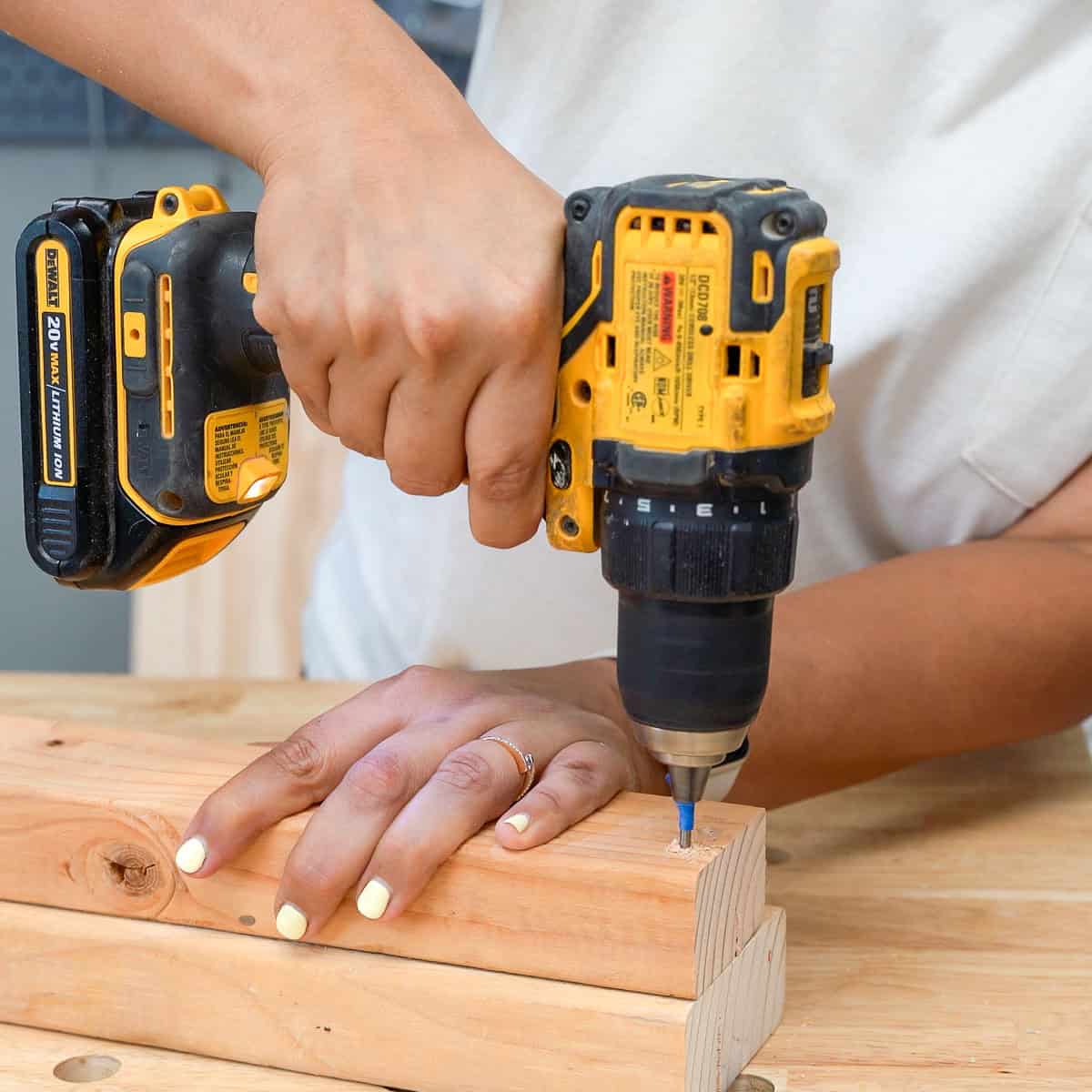
Keep the drill straight to make clean holes. Tilting the drill can cause misaligned screws and damage the furniture.
| Drill Angle | Effect |
| 90 degrees (straight) | Clean, accurate holes |
| Less than 90 degrees | Screw may loosen or strip |
| More than 90 degrees | Material can split or crack |
Avoiding Over-tightening
Do not tighten screws too much. Over-tightening can strip screw heads or damage furniture parts.
- Stop when the screw feels snug.
- Use a clutch setting if your drill has one.
- Check screw tightness by hand if unsure.
- Avoid forcing the drill once resistance increases.
Safety Tips
Using a cordless drill can make furniture assembly faster and easier. Safety is very important while working with power tools. Follow these tips to keep yourself safe.
Wear the right gear, avoid accidents, and keep your drill in good shape. These steps will help you work safely and efficiently.
Protective Gear To Use
Always wear protective gear to avoid injuries. Your eyes, hands, and ears need protection during drilling tasks.
- Wear safety goggles to protect your eyes from flying debris.
- Use gloves to protect your hands from splinters and sharp edges.
- Consider ear protection if you use the drill for a long time.
- Wear closed-toe shoes to protect your feet from falling tools or parts.
Handling Slips And Jams
Slips and jams can cause sudden movements that may lead to injuries. Handle these situations carefully to stay safe.
If the drill bit slips or the drill jams, stop immediately. Do not force the drill. Remove the bit and check for problems.
- Turn off the drill and remove the battery before fixing jams.
- Clear any debris or stuck screws from the drill bit.
- Check that the drill bit is sharp and properly installed.
- Try again slowly and apply steady pressure without forcing.
Maintaining Drill Condition
Keeping your cordless drill in good condition helps prevent accidents. Clean and check it regularly for safe use.
| Maintenance Task | How Often | Why It Matters |
| Clean drill bits | After each use | Prevents slipping and damage |
| Charge battery fully | Before use | Ensures steady power |
| Inspect drill body | Monthly | Find cracks or loose parts early |
| Lubricate moving parts | Every 3 months | Keeps drill running smoothly |
Troubleshooting Common Issues
Using a cordless drill for furniture assembly can save time and effort. Sometimes, small problems can slow you down. Knowing how to fix common issues helps you work smoothly.
This guide covers three common problems you might face. Learn how to handle stripped screws, drill bit slippage, and battery life issues.
Dealing With Stripped Screws
Stripped screws happen when the drill bit slips and damages the screw head. This makes it hard to turn the screw. You can fix this with simple tools.
Try using a rubber band for extra grip or a bigger screwdriver. You can also use pliers to turn the screw if the head is badly damaged.
- Place a rubber band over the screw head before using the drill.
- Use a screwdriver with a larger tip to grip the screw.
- Grip the screw head with pliers and turn slowly.
- Remove the screw carefully to avoid further damage.
Fixing Drill Bit Slippage
Drill bit slippage happens when the bit spins without driving the screw. This can strip the screw or waste battery power. Tighten the chuck to hold the bit firmly.
Choose the right bit size for the screw. Using the wrong size causes slippage and poor results. Keep your bits sharp and clean for better grip.
- Check that the drill chuck is tight before use.
- Match the drill bit size to the screw head.
- Keep drill bits sharp and free from dirt.
- Apply steady pressure while drilling to avoid slipping.
Battery Life Optimization
Battery life affects how long you can work without stopping. To keep your battery strong, charge it fully before use. Avoid letting the battery run out completely.
Store batteries in a cool, dry place. Turn off the drill when not in use. This helps save power and extends battery life.
- Charge the battery fully before starting a project.
- Do not let the battery drain completely before charging.
- Store batteries away from heat and moisture.
- Turn off the drill when you take breaks.
Advanced Hacks
Using a cordless drill for furniture assembly can be easier with a few advanced tips. These hacks help you work faster and more accurately. They also protect your furniture from damage.
Below are some smart ways to get the best results from your drill. Learn how to guide your drill, change bits, and combine tools for better efficiency.
Using Drill Guides
Drill guides help keep your holes straight and in the right place. They prevent the drill from slipping and damaging the wood. You can buy ready-made guides or create your own.
- Use a clamp to hold the guide steady on the wood.
- Mark the exact spot before drilling.
- Adjust the depth stop on the drill to avoid drilling too deep.
- Try a pocket hole jig for angled holes.
Custom Bit Modifications
Changing your drill bits can help with different materials or screw types. Some bits can be modified for better grip or longer life. This saves time and stops stripping screws.
| Bit Type | Modification | Benefit |
| Phillips | Sandpaper grip | Reduces slipping |
| Flathead | Widen tip slightly | Better fit in screws |
| Hex | Shorten length | Fits tight spaces |
| Torx | Magnetize tip | Holds screws firmly |
Combining Tools For Efficiency
Use your drill with other tools to speed up furniture assembly. Combining tools reduces trips to the toolbox and saves time. You can create simple setups for common tasks.
- Attach a bit holder extension to reach deep screws.
- Use a magnetic tray next to your work area to hold screws.
- Pair the drill with a right-angle attachment for tight corners.
- Use clamps to hold parts while you drill and screw.
:max_bytes(150000):strip_icc()/JS_1864-2008bd548fb548db8f5729d54b71976b.jpg)
Credit: www.woodmagazine.com

Credit: www.familyhandyman.com
Frequently Asked Questions
How To Choose The Right Cordless Drill?
Selecting the right cordless drill depends on your project needs. Consider the drill’s power, battery life, and weight. For furniture assembly, a lightweight model with variable speed settings is ideal. Ensure it has a comfortable grip to reduce fatigue during prolonged use.
Always check customer reviews for additional insights.
What Drill Bit Size For Furniture Assembly?
For furniture assembly, commonly used drill bit sizes are between 1/16 to 3/16 inches. These sizes are suitable for pilot holes and screws used in furniture kits. Always match the drill bit size to the screw size for secure and precise assembly.
Refer to your furniture manual for specific recommendations.
Can A Cordless Drill Handle All Furniture Types?
Yes, a cordless drill can handle most furniture types effectively. It’s versatile for wood, metal, and plastic materials. Ensure you use appropriate drill bits and settings for each material. For hardwood, opt for higher torque settings. Always read the furniture manual for guidance on compatible drill speeds and bit types.
How To Maintain A Cordless Drill?
To maintain a cordless drill, regularly clean its vents to prevent dust buildup. Lubricate moving parts to ensure smooth operation. Charge the battery fully before storage and avoid extreme temperatures. Regularly check for loose screws and worn-out parts, replacing them as necessary.
Proper maintenance extends the drill’s lifespan.
Conclusion
Using a cordless drill makes furniture assembly easier and faster. Choose the right drill bit for each task. Keep the drill steady to avoid mistakes. Take breaks to rest your hands and check your work. Practice helps you gain confidence and skill.
Safety matters—wear goggles and work in a clean space. With these tips, you can build furniture with less stress. Enjoy the process and see your hard work come together. Simple steps lead to great results every time.