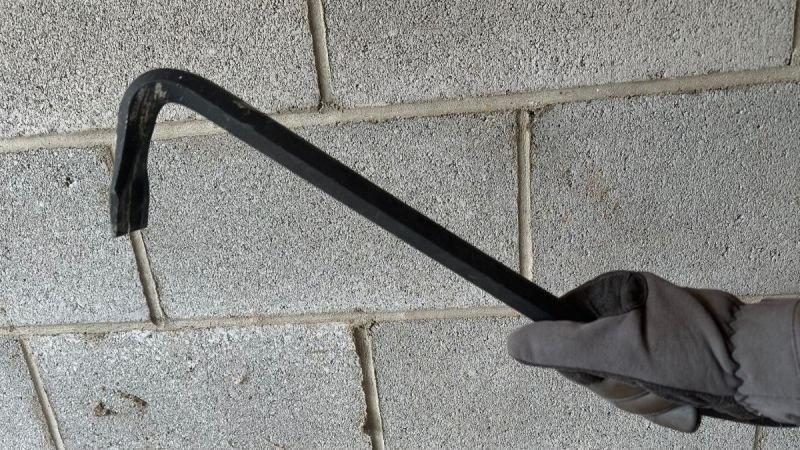
If you’re planning a demolition project, a crowbar will likely be one of your best tools. But using it without the right knowledge can lead to accidents or damage.
You want to get the job done quickly and safely, right? You’ll discover simple but crucial tips that help you handle a crowbar like a pro. By following these easy steps, you’ll protect yourself and make your demolition work more efficient.
Keep reading to learn how to use your crowbar safely and confidently.
Choosing The Right Crowbar
Picking the correct crowbar makes demolition safer and easier. Different jobs need different types of crowbars.
Knowing the right material and size helps avoid accidents and improves control during work.
Types Of Crowbars
Crowbars come in many shapes and sizes. Each type serves a special purpose on the job site.
- Flat Pry Bar: Thin and flat for tight spaces and delicate work.
- Gooseneck Bar: Curved end for better leverage and pulling nails.
- Rip Bar: Heavy and strong for tough demolition tasks.
- Cat’s Paw: Small and sharp for pulling nails out of wood.
Material And Size Considerations
Choosing the right material and size affects durability and ease of use. Steel is common for strength.
| Material | Durability | Weight | Best For |
| Carbon Steel | High | Medium | General use |
| Chrome Vanadium | Very High | Heavy | Heavy duty demolition |
| Aluminum | Medium | Light | Light jobs and tight spaces |
Size affects reach and control. A longer crowbar gives more leverage but less control.
- Choose shorter bars for precision work.
- Use longer bars for heavy prying and demolition.
- Pick a size that feels comfortable in your hands.

Credit: www.reddit.com
Preparing For Demolition
Using a crowbar in demolition requires careful preparation. Safety comes first to avoid injuries.
Before you start, check the area and wear the right gear. This helps keep you safe and work smooth.
Assessing The Work Area
Look around the space where you will work. Find weak walls, nails, or loose boards. Know where to apply force with the crowbar.
Clearing Hazards
- Remove sharp objects and debris from the floor
- Check for electrical wires or pipes hidden in walls
- Clear furniture or tools that block your movement
- Mark any areas that need extra care
Wearing Protective Gear
| Protective Gear | Purpose |
|---|---|
| Safety Glasses | Protect eyes from flying debris |
| Work Gloves | Prevent hand cuts and blisters |
| Hard Hat | Guard head against falling objects |
| Steel-Toed Boots | Protect feet from heavy materials |
Proper Handling Techniques
Using a crowbar safely is important to prevent injuries during demolition work. Proper handling techniques help you work with control and reduce strain on your body.
Focus on your grip and posture, and apply force carefully. These simple steps make your work safer and more effective.
Correct Grip And Posture
Hold the crowbar with both hands firmly to keep control. Keep your hands spaced apart for better leverage. Avoid gripping too tight, which causes fatigue.
Stand with your feet shoulder-width apart for good balance. Bend your knees slightly and keep your back straight to protect it. Face the work directly to reduce twisting.
- Use both hands on the crowbar
- Keep your grip firm but relaxed
- Stand with feet shoulder-width apart
- Bend knees, keep back straight
- Face the work area squarely
Applying Controlled Force
Push or pull the crowbar slowly and steadily. Avoid sudden or jerky movements that can cause slips or loss of balance. Use your body weight, not just your arms, to apply force.
Stop and adjust your position if the tool slips or if you feel discomfort. Controlled force helps you work longer and prevents accidents.
- Apply force with steady, slow movements
- Use body weight to increase power
- Avoid sudden jerks or quick pulls
- Stop if the tool slips or you feel pain
- Take breaks to reduce fatigue
Safe Crowbar Usage Tips
Using a crowbar in demolition work can be effective if done safely. It is important to follow safety tips to avoid injuries and damage.
These tips will help you use a crowbar carefully and keep your work safe and efficient.
Avoiding Overexertion
Do not use too much force when using a crowbar. Overexertion can cause muscle strain or accidents.
Take breaks often and use your legs and body weight to help, not just your arms.
- Use steady, controlled movements
- Lift with your legs, not your back
- Stop if you feel pain or tiredness
Working With A Partner
Having a partner can make demolition safer and easier. They can help hold materials or watch for hazards.
Talk with your partner before starting. Plan how to work together and keep clear communication.
- Share the workload to avoid fatigue
- Keep each other in sight
- Give clear signals when you need help
Maintaining Tool Condition
Check your crowbar before use. A damaged or rusty tool can break and cause injury.
Keep the crowbar clean and dry. Store it in a safe place to prevent damage.
- Inspect for cracks or bends
- Sharpen or replace worn edges
- Clean after each use
Dealing With Common Challenges
Using a crowbar in demolition can be tough. You face many problems like stuck nails and tight materials.
Knowing how to handle these challenges keeps you safe and helps finish work faster.
Removing Nails Safely
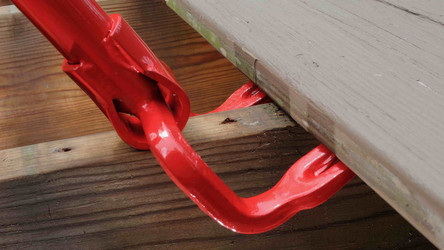
Removing nails with a crowbar needs care. Nails can slip and hurt your hands or eyes.
Use the claw part of the crowbar gently to pull nails out. Keep your fingers clear of the nail path.
- Wear gloves to protect your hands.
- Wear safety glasses to shield your eyes.
- Place the crowbar claw under the nail head firmly.
- Pull slowly and steadily to avoid sudden slips.
- If nails are stuck, wiggle the crowbar slightly before pulling.
Prying Stubborn Materials
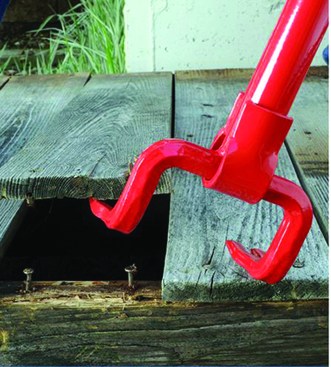
Stubborn materials like nailed wood or stuck panels need strong prying. Push the crowbar in tight spots carefully.
Use your body weight with the crowbar. Avoid quick jerks that can cause loss of balance or tool damage.
- Find a good angle to insert the crowbar between materials.
- Apply steady pressure rather than forceful hits.
- Use a smaller crowbar for tight spaces.
- Keep a firm grip to control the tool better.
- Take breaks if the material does not move easily.
Credit: angelguardproducts.com
Post-demolition Practices
After using a crowbar for demolition, proper care helps keep it safe and ready. Post-demolition practices protect the tool and extend its life.
Regular checks and careful storage prevent damage and accidents in future use. Follow these steps to maintain your crowbar.
Inspecting The Crowbar
Check your crowbar for damage right after demolition. Look for cracks, bends, or rust on the metal. Also, check the handle for splinters or looseness.
- Look for any visible cracks or bends in the metal.
- Check the handle for cracks or splinters.
- Make sure the metal is clean and free from rust.
- Test the crowbar’s strength by applying light pressure.
- Do not use if the crowbar shows serious damage.
Proper Storage
Store the crowbar in a dry, safe place to stop rust and damage. Keep it off the ground and away from moisture. Use a tool rack or wall hooks.
| Storage Tip | Reason |
| Hang on wall hooks | Prevents bending and damage |
| Keep in a dry place | Stops rust and corrosion |
| Clean before storing | Removes dirt and debris |
| Store away from children | Ensures safety |
Credit: www.jlconline.com
Frequently Asked Questions
What Safety Gear Is Essential When Using A Crowbar?
Wear gloves, safety goggles, and sturdy boots when using a crowbar. These protect your hands, eyes, and feet from injury. Always check your gear before starting demolition to ensure maximum safety.
How Do I Position A Crowbar Correctly For Demolition?
Place the crowbar tip securely under the material edge. Use steady pressure and leverage to pry it apart. Proper positioning prevents slipping and reduces injury risk during demolition.
Can I Use A Crowbar On All Demolition Materials?
Crowbars work best on wood, drywall, and light materials. Avoid using them on concrete or metal without proper tools. Using the right tool ensures safety and effectiveness in demolition.
How Do I Maintain My Crowbar For Safe Use?
Clean your crowbar after each use to remove debris and rust. Store it in a dry place to prevent corrosion. Regular maintenance keeps the tool safe and efficient.
Conclusion
Using a crowbar safely in demolition requires care and attention. Always wear protective gear like gloves and goggles. Ensure a firm grip on the crowbar to prevent accidents. Check surroundings for hazards before starting. Work slowly and carefully to avoid injury.
Take regular breaks to stay alert and focused. Proper technique matters for safe demolition. Mistakes can lead to accidents. Stay informed and prepared. With these tips, you can safely use a crowbar in any demolition project. Safety first, always.