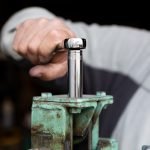
Are you ready to unlock the full potential of your drill press? Whether you’re a seasoned craftsman or a DIY enthusiast, mastering the use of this powerful tool can make all the difference in your projects.
Imagine effortlessly creating precise holes and achieving professional results every time. The secret? It’s all about using your drill press efficiently. In this guide, we’ll reveal simple yet effective tips that can elevate your skills and save you time. You’ll discover how to enhance accuracy, ensure safety, and even prolong the lifespan of your equipment.
Curious about what you might be missing? Keep reading to transform your drilling experience from ordinary to extraordinary!
Credit: www.dictum.com
Choosing The Right Drill Press
Choosing the right drill press helps you work faster and safer. It also makes your projects more accurate.
Think about the types, size, power, and speed before buying a drill press. These factors affect its performance.
Types Of Drill Presses
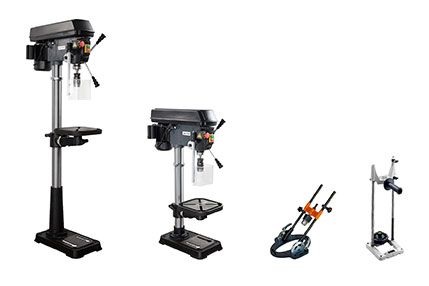
There are several types of drill presses. Each type suits different tasks and workspaces.
Common types include bench-top, floor, and radial drill presses. Bench-top models fit small spaces.
- Bench-top Drill Press:Small and portable. Good for light work.
- Floor Drill Press:Larger and more powerful. Used for heavy-duty jobs.
- Radial Drill Press:Has an adjustable arm. Useful for drilling large objects.
Selecting The Correct Size
Size matters in a drill press. Pick one that fits your project needs and workspace.
Look at the swing size. It is the distance from the bit to the column.
- Smaller swings (6-10 inches) fit small projects.
- Larger swings (12-20 inches) handle bigger materials.
- Choose a size that matches the largest workpiece you plan to drill.
Power And Speed Considerations
Power affects how easily the drill press handles tough materials. More power means better performance.
Speed control is important. Different materials need different speeds to avoid damage.
- Look for variable speed options. They let you adjust speed for each task.
- Higher horsepower means the drill can work on harder materials.
- Use slower speeds for metals and faster speeds for wood or plastic.
Setting Up Your Drill Press
Setting up your drill press correctly helps you work safely and efficiently. Proper setup makes sure your work is accurate and stable.
Focus on securing the workpiece, adjusting the table and depth stop, and installing the right drill bit. These steps prepare your drill press for any project.
Securing The Workpiece
Always secure your workpiece before drilling. This stops it from moving and keeps your hands safe. Use clamps or a vise to hold the material firmly.
Check that the piece is stable and will not shift when you start drilling. A loose workpiece can cause mistakes or injury.
- Use clamps to hold small pieces
- Use a vise for round or awkward shapes
- Double-check the tightness before drilling
Adjusting The Table And Depth Stop
Set the drill press table to the right height for your workpiece. This lets you drill straight and avoids hitting the table with the bit.
Use the depth stop to control how deep the drill bit goes. It helps make consistent holes and protects your material from damage.
- Loosen the table lock to adjust height
- Use the tilt feature for angled holes
- Set the depth stop to the desired drilling depth
Installing The Correct Drill Bit
Choose the drill bit that fits your material and hole size. Using the right bit makes the job easier and cleaner.
Install the bit securely in the chuck. Tighten it well to prevent slipping during drilling.
- Select bits designed for wood, metal, or plastic
- Match bit size to the hole needed
- Use a chuck key to tighten the drill bit firmly
Optimizing Drill Press Operation
Using a drill press properly saves time and prevents damage. It helps you drill holes cleanly and safely.
Follow simple tips to improve your work and keep the drill press in good shape.
Adjusting Speed For Material
Different materials need different drill speeds. Soft materials use higher speeds. Hard materials need slower speeds.
| Material | Recommended Speed (RPM) |
| Softwood | 1500 – 2500 |
| Hardwood | 600 – 1200 |
| Plastic | 1000 – 2000 |
| Metal (Aluminum) | 500 – 1000 |
| Metal (Steel) | 100 – 400 |
Using Clamps And Jigs
Secure the workpiece to avoid movement and improve accuracy. Clamps and jigs hold materials steady during drilling.
- Use clamps to fix small pieces to the drill press table.
- Create jigs to guide the drill for repeated cuts.
- Check that clamps do not block the drill bit path.
- Always tighten clamps firmly before drilling.
Maintaining Proper Posture And Safety
Stand straight and keep your hands clear of the drill bit. Wear safety glasses and avoid loose clothing.
- Keep feet flat and balanced on the floor.
- Hold the drill handles with both hands if available.
- Turn off the drill press before making adjustments.
- Use a brush to remove chips, not your hands.
Advanced Techniques And Tips
Using a drill press correctly can improve your work quality. Advanced tips help you work faster and safer.
Learn how to drill precise holes, avoid common mistakes, and keep your drill press in top shape.
Drilling Precision Holes
To drill precise holes, always secure your workpiece firmly. Use clamps or a vise to prevent movement.
Choose the correct drill bit size and check it before starting. Slow your drill speed for small holes.
- Mark the hole location clearly with a center punch
- Use a pilot hole before larger drilling
- Keep the drill bit sharp and clean
- Lower the drill press slowly and steadily
- Double-check measurements before drilling
Avoiding Common Mistakes
Common mistakes can ruin your project or damage the drill press. Avoid rushing and careless setup.
Use the right speed for the material. Too fast or too slow can cause bad holes or broken bits.
- Do not force the drill bit into the material
- Avoid loose workpieces that can spin
- Don’t ignore safety guards and eyewear
- Check for cracks or damage in bits regularly
- Clean chips and dust after each use
Drill Press Maintenance Hacks
Regular maintenance keeps your drill press working well and safe. Clean and lubricate moving parts often.
Check belts and pulleys for wear. Replace them before they break to avoid downtime.
- Wipe down the table and base after every job
- Lubricate the spindle and quill with machine oil
- Tighten any loose screws or bolts
- Inspect electrical cords for damage
- Store the drill press covered to avoid dust
Safety Measures To Follow
Using a drill press safely protects you from injury. Knowing the right safety steps helps you work better. Always prepare before starting.
Follow these safety measures to keep yourself and others safe while using a drill press.
Protective Gear Essentials
Wear the right gear to protect your body from flying debris and noise. Eye and ear protection are key.
- Safety goggles or glasses to shield your eyes
- Hearing protection like earplugs or earmuffs
- Close-fitting clothing to avoid getting caught
- Non-slip shoes for stable footing
- Gloves only if they do not risk getting caught
Handling Emergencies
Know what to do if something goes wrong. Quick action can prevent accidents from getting worse.
| Emergency Situation | Action to Take |
| Power outage | Turn off the drill press and unplug it |
| Injury | Stop work immediately and get first aid |
| Machine jam | Turn off power and clear the jam carefully |
| Fire | Use a fire extinguisher and call for help |
Routine Safety Checks
Inspect your drill press regularly. This keeps the machine safe and working well.
- Check the power cord for damage or wear
- Make sure the drill bit is sharp and properly fixed
- Test the emergency stop button before use
- Look for loose parts and tighten them
- Clean the machine from dust and debris

Credit: magswitch.com

Credit: www.reddit.com
Frequently Asked Questions
How Do I Set The Drill Press Speed Correctly?
Set the speed based on material type and drill bit size. Use slower speeds for harder materials and larger bits to prevent overheating and ensure smooth drilling.
What Safety Tips Should I Follow Using A Drill Press?
Always wear safety goggles and secure your workpiece. Keep hands clear of the drill bit and avoid loose clothing to prevent accidents.
How Can I Maintain Drill Press Accuracy?
Use a clamping system to hold the workpiece steady. Regularly check and adjust the table alignment for precise drilling.
What Drill Bits Work Best With A Drill Press?
High-speed steel (HSS) bits are versatile for most materials. Use carbide or cobalt bits for harder metals to ensure durability and sharpness.
Conclusion
Using a drill press well saves time and effort. Always keep safety in mind. Choose the right drill bit for each task. Keep your work area clean and organized. Regularly check and maintain your drill press. Small steps add up to better results.
Practice helps you work faster and smarter. Enjoy the process and stay patient. Efficient use leads to quality and success. Keep these tips handy for every project.