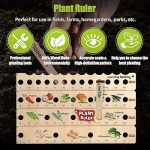
Are you eager to grow a lush garden but unsure how to plant your seeds at the right depth? A garden dibber might be your new best friend!
This simple yet effective tool can make a world of difference in how well your plants grow. But using it correctly is key. Imagine effortlessly planting each seed with precision, ensuring they have the best start possible. Sounds perfect, right?
You’ll discover practical tips for using a garden dibber to achieve the ideal seed depth every time. Dive in and learn how to transform your gardening experience from hit-and-miss to spot on. Keep reading to unlock the secrets to a thriving garden!

Credit: www.amazon.ca
Choosing The Right Dibber
A garden dibber helps you plant seeds at the right depth. Picking the right dibber makes planting easier and more precise.
Different dibbers come in many materials and shapes. Knowing these details helps you find the best tool for your garden.
Materials And Designs
Dibbers can be made from wood, plastic, or metal. Each material has its own benefits and uses.
- Wood:Lightweight and eco-friendly. It feels natural in your hand.
- Plastic:Often colorful and cheap. Easy to clean but less durable.
- Metal:Strong and long-lasting. Good for tough soil but can be heavy.
Designs vary from simple pointed sticks to ones with measurement marks. Marks help keep seed depth consistent.
Size And Shape Considerations
| Size | Purpose | Best For |
|---|---|---|
| Small (4-6 inches) | Shallow holes | Small seeds, seedlings |
| Medium (6-8 inches) | General use | Most seeds and bulbs |
| Large (8+ inches) | Deep planting | Large bulbs, root crops |
The shape should fit your hand well. A comfortable grip reduces hand fatigue during planting.

Credit: www.amazon.ca
Preparing The Soil
Preparing the soil is important before planting seeds with a garden dibber. Good soil helps seeds grow healthy and strong.
Proper soil preparation makes it easier to set the right seed depth using a dibber. It also helps seeds get enough water and air.
Loosening And Moistening
Loosen the soil to make it soft. Hard soil makes it hard to push the dibber deep enough for seeds.
Moisten the soil before dibbing. Damp soil holds shape better and keeps seeds in place.
- Use a garden fork or spade to break up hard soil.
- Remove large clumps and stones while loosening.
- Water the soil lightly if it feels dry but not muddy.
- Wait a few hours for water to soak in evenly.
Clearing Debris
Clear leaves, sticks, and rocks from the planting area. Debris blocks the dibber and can disturb seed placement.
Clean soil helps the dibber make neat holes at the right depth. It also prevents seeds from being damaged or lost.
- Rake the soil surface gently to remove debris.
- Pick out any stones or roots that may be in the soil.
- Check the area again before using the dibber.
Measuring Seed Depth
Using a garden dibber helps you plant seeds at the right depth. Proper depth ensures good seed growth and strong plants.
Measuring seed depth is important because seeds need the right amount of soil above them. Too deep or too shallow can stop seeds from sprouting.
Seed Packet Guidelines
Seed packets usually show the best depth for planting each seed. These guidelines tell you how deep to push the dibber into the soil.
Follow the depth on the packet to give seeds the best chance to grow. If you plant too deep, the seed may use too much energy to reach the surface.
- Look for the “planting depth” on the seed packet
- Use the dibber to make a hole this exact depth
- Plant seeds gently and cover them with soil
Adjusting For Soil Type
Different soils affect how deep you should plant seeds. Heavy clay holds water and can make deep holes hard to fill.
Light, sandy soil drains fast and may need a slightly deeper planting to keep seeds moist. Use your dibber to adjust depth based on soil feel.
- In clay soil, plant seeds a little shallower to avoid poor drainage
- In sandy soil, plant seeds a bit deeper to keep moisture
- Test soil by pressing it; adjust dibber depth if soil is loose or compacted

Credit: www.youtube.com
Techniques For Using A Dibber
A garden dibber helps make holes in the soil for planting seeds or seedlings. Using it correctly can improve seed growth.
This guide shares simple techniques to create even holes and keep a consistent seed depth with your dibber.
Creating Even Holes
Making holes that are the same size helps seeds grow evenly. Use these tips for best results.
- Mark rows in the soil before using the dibber.
- Press the dibber straight down to avoid slanting holes.
- Clear soil from the dibber after each hole to keep sizes uniform.
- Keep the dibber clean to prevent soil sticking and uneven holes.
Maintaining Consistent Depth
Planting seeds at the right depth helps them sprout well. Use a simple table to track seed depth for different plants.
| Plant | Seed Depth (inches) | Seed Depth (cm) |
|---|---|---|
| Carrot | 0.25 | 0.6 |
| Tomato | 0.5 | 1.3 |
| Pea | 1 | 2.5 |
| Bean | 1.5 | 3.8 |
Use marks on the dibber handle to measure depth. Push it to the mark then remove the soil.
Tip: To add depth marks, wrap a rubber band or tie a string around the dibber handle at the needed depth.
Planting Seeds With Precision
Using a garden dibber helps plant seeds at the right depth. This tool makes planting easier and more accurate.
Planting seeds with precision improves germination and plant growth. It saves time and reduces seed waste.
Placing Seeds Correctly
Use the dibber to make holes for the seeds at the correct depth. Different seeds need different depths to grow well.
- Check the seed packet for recommended planting depth.
- Press the dibber into the soil to the right depth.
- Place one seed in each hole to avoid overcrowding.
- Cover the seed lightly with soil after placing it.
Covering And Firming Soil
After placing the seeds, cover them gently with soil. Firm the soil to keep seeds in place and improve contact.
| Task | How to Do It |
| Cover Seeds | Use soil from the hole to cover the seed gently. |
| Firm Soil | Press soil lightly with your hand or dibber to secure seeds. |
| Water | Water carefully to avoid washing seeds away. |
Maintaining Your Dibber
Taking care of your garden dibber helps it last longer. A well-maintained dibber makes planting easier and more accurate.
Simple cleaning and proper storage keep your dibber ready for every gardening session.
Cleaning After Use
Clean your dibber after each use to remove soil and debris. This prevents rust and damage.
Use a brush or cloth to wipe off dirt. If needed, rinse with water and dry it well.
- Remove all soil from the tip and handle
- Use a stiff brush for stubborn dirt
- Rinse with water if necessary
- Dry completely to avoid rust
Storage Tips
Store your dibber in a dry place to keep it in good condition. Avoid damp areas that can cause rust or rot.
Keep it with other gardening tools or hang it to prevent damage to the tip.
- Store in a dry, cool place
- Hang or place where the tip is protected
- Keep away from moisture and direct sunlight
- Check regularly for signs of wear or rust
Common Mistakes To Avoid
Using a garden dibber helps you plant seeds at the right depth. Many gardeners make simple errors that affect seed growth. Knowing these mistakes can improve your planting results.
This guide covers two common mistakes: planting too deep or too shallow, and using too much force with the dibber.
Too Deep Or Shallow Planting
Planting seeds at the wrong depth can stop them from growing well. Seeds planted too deep may not get enough light or air. Seeds too shallow may dry out or wash away.
- Check seed packet for the recommended depth.
- Use the dibber to make holes at the right depth.
- Mark the depth on the dibber handle for easy use.
- Cover seeds gently without packing soil too hard.
Overusing Force
Pressing the dibber too hard can damage soil structure and seeds. It may create holes that are too deep or uneven. Gentle pressure gives better planting results.
| Force Level | Effect on Soil and Seeds |
| Light | Good soil aeration, safe seed placement |
| Medium | Acceptable for firm soil, careful seed handling needed |
| Heavy | Compacts soil, damages seeds, uneven depth |
Frequently Asked Questions
What Is The Purpose Of A Garden Dibber?
A garden dibber helps make precise holes for planting seeds or seedlings. It ensures consistent seed depth, improving germination rates and plant growth. Using a dibber saves time and effort while maintaining uniformity in your garden.
How Do I Determine The Right Seed Depth?
Check the seed packet for recommended planting depth. Generally, plant seeds two to three times as deep as their size. Using a garden dibber, adjust the hole depth accordingly to ensure optimal seed germination and healthy seedlings.
Can A Garden Dibber Improve Seed Germination?
Yes, a garden dibber creates uniform holes at correct depth, promoting even germination. Proper seed depth protects seeds from drying out or pests. This leads to stronger, healthier plants and better garden yields.
What Materials Are Garden Dibbers Made From?
Garden dibbers are commonly made from wood, metal, or plastic. Wooden dibbers are lightweight and traditional. Metal dibbers offer durability. Plastic dibbers are affordable and often adjustable for different seed depths.
Conclusion
Using a garden dibber helps plant seeds at the right depth. This keeps seeds safe and helps them grow strong. Measure seed depth carefully for best results. Practice with the dibber to get comfortable. Healthy plants start with proper seed planting.
Keep your garden tools clean and ready to use. Small efforts make a big difference in your garden. Happy gardening and enjoy watching your plants grow!