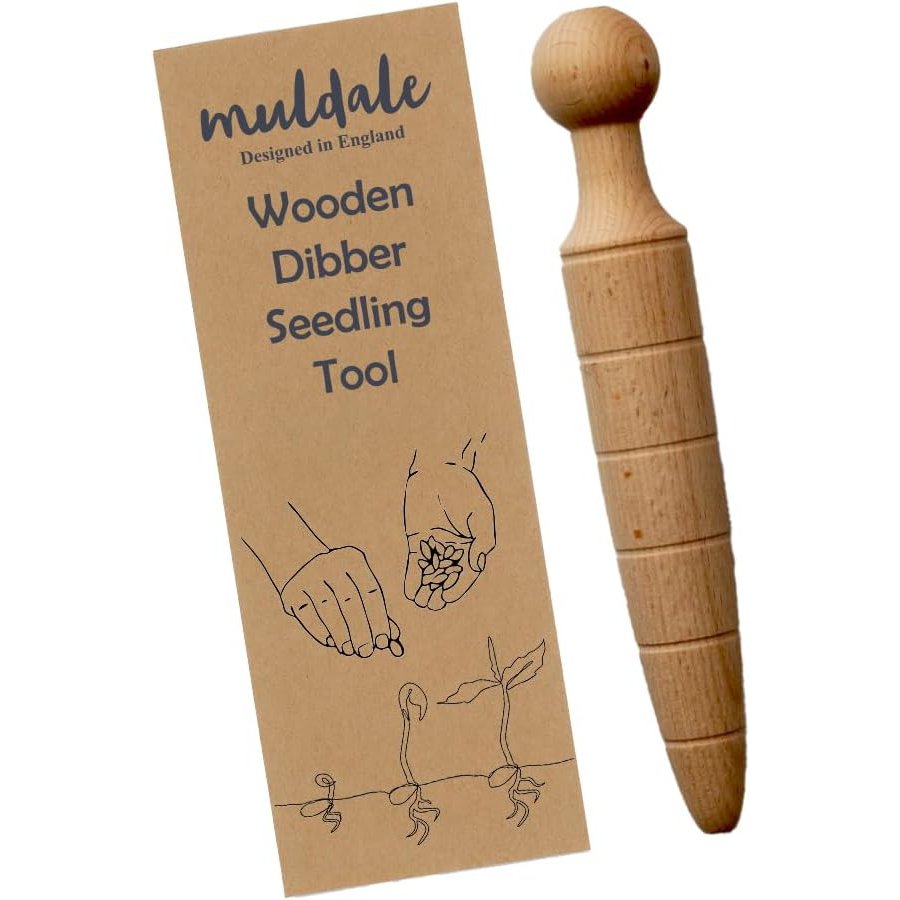
Are you looking to give your seedlings the best possible start in life? A garden dibber might just become your new best friend.
This simple yet powerful tool is essential for any gardener aiming to plant seeds with precision and ease. But how do you make the most of it? Imagine planting your seeds effortlessly, ensuring they have the perfect space to grow and thrive.
By mastering a few key tips, you can turn this dream into reality. Stick around, and discover how you can transform your gardening experience and nurture your plants from the very beginning. Your garden will thank you!
Choosing The Right Dibber
A garden dibber helps you plant seedlings easily. Picking the right dibber makes planting faster and more precise.
Focus on material and size to match your seedling needs. Some dibbers are made specially for delicate seedlings.
Materials And Sizes
Dibbers come in wood, metal, and plastic. Each material has its own benefits and uses.
- Wood:Lightweight and easy to handle. Good for soft soil.
- Metal:Strong and sharp. Works well in hard or rocky soil.
- Plastic:Durable and rust-free. Often cheaper and colorful.
| Size | Use |
| Small (4-6 inches) | Seedlings and small pots |
| Medium (6-9 inches) | General garden use |
| Large (9+ inches) | Deeper planting and larger seedlings |
Specialized Dibbers For Seedlings
Some dibbers are made just for seedlings. They protect roots and plant gently.
- Pointed tip dibbers:Create small, precise holes without harming roots.
- Depth-marked dibbers:Help plant seeds at the right depth every time.
- Ergonomic handles:Reduce hand strain during long planting sessions.

Credit: www.amazon.ca
Preparing Soil For Planting
Good soil preparation helps seedlings grow strong roots. It makes planting easier with a garden dibber.
Preparing soil well improves water and nutrient use. It creates a better environment for young plants.
Soil Texture And Moisture
Soil texture affects how well seedlings grow. Loamy soil is best because it holds water and drains well.
Check soil moisture before planting. Soil should be damp but not wet. Too wet soil clogs the dibber.
- Use crumbly soil for easy dibber use
- Dry soil makes holes difficult to make
- Wet soil may stick and damage roots
Removing Debris And Clumps
Clear away sticks, stones, and leaves. Debris blocks dibber holes and stops seedlings from settling well.
Break up large clumps of soil. Loose soil lets the dibber make neat holes for seeds and roots.
- Remove rocks larger than 1 inch
- Pull out roots or old plants
- Use a rake or hand fork to crumble soil clumps
Marking Planting Spots
Using a garden dibber helps you mark spots for your seedlings. It makes planting easier and neater.
Proper marking ensures seedlings get enough space to grow well. It also helps you keep track of your garden layout.
Consistent Spacing Techniques
Consistent spacing is key for healthy seedlings. Use the dibber to create uniform holes in the soil.
- Measure the distance between planting spots using a ruler or tape.
- Mark each spot with the dibber by pressing gently into the soil.
- Keep the same pressure to ensure holes are equal in size.
- Use a string line as a guide to keep rows straight.
Using Dibber Depth Guides
Depth guides on a dibber help plant seeds or seedlings at the right depth. This keeps roots safe and promotes growth.
| Depth Guide | Purpose |
| Shallow (1-2 cm) | For small seeds like lettuce |
| Medium (3-5 cm) | For most vegetable seedlings |
| Deep (6-8 cm) | For root vegetables like carrots |

Credit: www.amazon.ca
Planting Seedlings With A Dibber
Using a garden dibber helps plant seedlings with care and precision. It makes holes in soil the right size for young plants.
This tool protects delicate roots and improves seedling growth. Follow these tips to get the best results from your dibber.
Creating Perfect Holes
Make holes that fit seedlings well. The hole should not be too deep or too wide. This helps roots grow strong and healthy.
- Choose the right dibber size for your seedlings.
- Press the dibber straight into the soil to the needed depth.
- Remove the dibber carefully to keep the hole shape.
- Check the hole size before planting the seedling.
- Adjust hole depth for different plant types.
Handling Delicate Roots
Handle seedling roots gently to avoid damage. Strong roots help plants grow faster and stay healthy.
| Tip | Description |
| Use moist soil | Moist soil helps roots slide in easily and reduces damage. |
| Hold by leaves | Hold seedlings by their leaves, not stems, to protect roots. |
| Fill hole gently | Fill soil carefully around roots without pressing too hard. |
| Water after planting | Water seedlings right after planting to settle soil and roots. |
Maintaining Seedling Health
Using a garden dibber helps plant seedlings with care. It creates holes for seeds without damaging roots.
Keeping seedlings healthy means giving them the right care after planting. This includes watering well and protecting from pests.
Watering Tips After Planting
Water seedlings gently after planting to keep soil moist. Avoid strong water streams that can wash away soil.
Water in the morning or evening to reduce evaporation. Check soil moisture daily and water only when dry.
- Use a watering can with a fine rose
- Keep soil evenly moist but not soggy
- Water at the base of seedlings, not leaves
- Avoid overwatering to prevent root rot
Protecting Against Pests
Seedlings are vulnerable to pests like aphids and slugs. Protect them early to avoid damage.
Use natural methods to keep pests away. Check seedlings often and remove pests by hand if possible.
- Place barriers like crushed eggshells for slugs
- Use insecticidal soap for soft-bodied insects
- Encourage beneficial insects like ladybugs
- Keep the garden clean and free of debris

Credit: www.youtube.com
Cleaning And Storing Your Dibber
Taking care of your garden dibber keeps it ready for planting. Cleaning and storing it properly helps it last longer.
Good maintenance prevents dirt build-up and damage. This makes your gardening work easier and more efficient.
Best Cleaning Practices
Clean your dibber after each use. Remove soil and plant residue to stop rust and decay.
Use water and a stiff brush to scrub the tool. Avoid harsh chemicals that can damage the material.
- Rinse off loose dirt with water
- Scrub with a brush to remove stuck soil
- Dry the dibber completely to prevent rust
- Apply a light coat of oil to metal parts if needed
Storage To Prolong Tool Life
Store your dibber in a dry place. Keep it away from moisture and direct sunlight to avoid damage.
Hang or place the dibber on a rack. This prevents bending and keeps it clean.
- Choose a dry, cool storage spot
- Use hooks or shelves to keep the tool off the ground
- Wrap the handle if it is wooden to protect it
- Check the dibber regularly for signs of wear
Frequently Asked Questions
What Is A Garden Dibber Used For?
A garden dibber is a tool used to make holes in soil for planting seeds or seedlings. It helps create uniform planting depths and spacing. This ensures better seedling growth and makes planting easier and more efficient.
How Do I Use A Garden Dibber For Seedlings?
Press the dibber gently into moist soil to create holes. The hole depth depends on seed size. Place the seed or seedling in the hole, then cover it lightly with soil. This promotes healthy root development and seedling establishment.
Can A Garden Dibber Improve Seedling Growth?
Yes, a garden dibber helps plant seeds at consistent depths. Proper depth enhances water absorption and root growth. This leads to stronger, healthier seedlings and better overall garden success.
What Materials Are Garden Dibbers Made From?
Garden dibbers are typically made from wood, metal, or plastic. Wooden dibbers are traditional and lightweight. Metal dibbers are durable and strong. Plastic dibbers are affordable and easy to clean.
Conclusion
Using a garden dibber helps plant seedlings with care and ease. It makes planting seeds faster and more precise. You can create perfect holes for each seed, giving them the best chance to grow. Keep your dibber clean and use it gently to protect young roots.
Small steps like these lead to a healthy garden. Enjoy planting and watching your seedlings grow strong and tall. Gardening becomes simpler and more fun with the right tools. Give your plants the best start today.
