Are you struggling to get the best results from your garden sprayer? Using it the right way can make a huge difference in keeping your plants healthy and vibrant.
Whether you’re tackling weeds, pests, or feeding your plants, knowing the simple tips to use your sprayer effectively will save you time, money, and effort. Keep reading, and you’ll discover easy steps that anyone can follow to make your garden flourish like never before.
Your plants will thank you!
Choosing The Right Sprayer
Picking the right garden sprayer makes your work easier and more effective. Different sprayers suit different gardening needs.
Understanding the types and features helps you choose a sprayer that fits your garden size and plants.
Types Of Garden Sprayers
There are several sprayer types for gardens. Each type works best for certain tasks and plant types.
- Handheld Sprayers:Small and easy to carry. Best for small gardens or spot treatments.
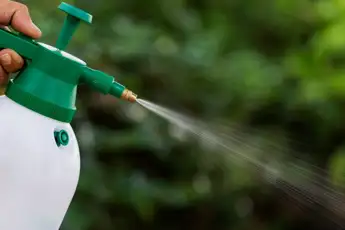
- Pump Sprayers:Use a hand pump to build pressure. Good for medium-sized gardens.
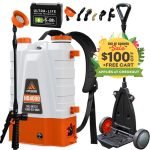
- Backpack Sprayers:Worn on the back. They carry more liquid and cover larger areas.
- Battery-Powered Sprayers:Use a motor for spraying. Save effort and cover large areas quickly.
Factors To Consider
Think about your garden size and the plants you want to spray. This helps find the right sprayer size and type.
Also, check the sprayer’s capacity, spray range, and ease of use. Comfort is important if you spray for long times.
- Garden size: small, medium, or large
- Type of plants and treatments
- Sprayer capacity and tank size
- Ease of handling and comfort
- Spray pattern and pressure control
Best Materials For Durability
Good sprayers use strong materials that last long and resist chemicals. This keeps your sprayer safe and working well.
Look for sprayers made from high-quality plastics and metals. These materials handle wear and tear better.
- Polyethylene:Durable plastic, resists most chemicals.
- Stainless Steel:Strong and rust-proof, good for pumps and nozzles.
- Brass:Used in nozzles for good spray control and durability.
- Rubber:Used in seals and gaskets to prevent leaks.
Credit: www.yates.com.au
Preparing Your Sprayer
Using a garden sprayer correctly helps protect your plants. Preparing the sprayer is important for good results.
Before you start, check the sprayer carefully. Clean it and mix your solutions right. Also, look for any leaks.
Cleaning Before Use
Clean your sprayer before each use. Old chemicals can damage plants or block the nozzle.
- Empty any leftover solution from the last use.
- Rinse the tank with clean water several times.
- Spray clean water through the nozzle to clear any clogs.
- Use mild soap if the sprayer is very dirty, then rinse well.
Mixing Solutions Properly
Follow the instructions on the product label. Use the right amount of water and chemical.
| Solution Component | Recommended Amount |
| Chemical | According to label |
| Water | Use clean water only |
| Mixing Container | Use clean container |
Checking For Leaks
Leaks waste chemicals and reduce spray pressure. Check all parts before use.
- Look at the tank for cracks or holes.
- Check the hose and connections for wear.
- Test the nozzle and trigger for tight seals.
- Replace any damaged parts before spraying.
Techniques For Effective Spraying
Using a garden sprayer correctly helps protect plants and saves products. Good spraying techniques make sure the coverage is even and effective.
Below are some simple tips to improve your spraying results and keep your garden healthy.
Adjusting Nozzle Settings
The nozzle controls the spray pattern and droplet size. Different plants and products need different settings for the best results.
- Use a wide spray for large areas to cover more space quickly.
- Choose a fine mist for delicate plants to avoid damage.
- Adjust the nozzle angle to reach under leaves and tight spots.
- Check the nozzle regularly for clogs and clean it if needed.
Maintaining Consistent Pressure
Keeping steady pressure ensures the spray flows evenly. Changes in pressure can cause uneven application and waste products.
| Pressure Level | Effect on Spraying |
| Too Low | Weak spray, poor coverage |
| Too High | Drift and plant damage |
| Steady Medium | Even coverage and good control |
Use a pressure gauge if your sprayer has one. Pump slowly and evenly to keep pressure stable.
Spraying Patterns For Coverage
How you move the sprayer affects how well plants get covered. Use smooth, overlapping passes to avoid missed spots.
- Spray in a side-to-side motion with steady speed.
- Overlap each pass by about 30% for full coverage.
- Keep the nozzle at a consistent height above the plants.
- Avoid spraying in windy conditions to reduce drift.

Credit: www.buyspraymate.com
Safety Measures To Follow
Using a garden sprayer requires care to keep yourself and others safe. Chemicals in sprayers can be harmful if not handled properly.
Following safety measures helps prevent accidents and protects the environment.
Wearing Protective Gear
Always wear protective clothing when using a garden sprayer. This reduces skin contact with chemicals.
Use gloves, goggles, and long sleeves to protect your hands, eyes, and skin from sprays.
- Wear chemical-resistant gloves
- Use safety goggles or glasses
- Choose long-sleeve shirts and pants
- Consider a mask to avoid inhaling spray
Avoiding Windy Conditions
Do not spray chemicals when it is windy. Wind can carry spray to unwanted areas and people.
Spraying on calm days ensures chemicals reach the target plants safely.
- Check the weather before spraying
- Wait for calm or light wind conditions
- Spray early morning or late evening when winds are low
Safe Storage Practices
Store garden sprayers and chemicals in a safe place. Keep them away from children and pets.
Proper storage prevents accidents and maintains the sprayer’s condition.
- Keep sprayers in a locked cabinet or shed
- Store chemicals in original containers with labels
- Place items away from food and water sources
- Clean sprayers before storing to avoid damage
Maintaining Your Sprayer
Keeping your garden sprayer in good shape helps it work well. Proper care can stop leaks and clogs.
Regular maintenance saves money and makes your spraying easier and safer.
Regular Cleaning Tips
Clean your sprayer after every use to avoid residue buildup. Flush it with clean water and run the water through the nozzle.
- Empty the tank completely
- Rinse the tank with clean water
- Spray clean water through the nozzle and hose
- Remove and clean filters if your sprayer has any
- Wipe the exterior with a damp cloth
Replacing Worn Parts
Check your sprayer parts often. Worn or damaged parts can cause leaks and poor spraying.
| Part | Signs to Replace | Frequency |
| Seals and O-rings | Cracks, leaks | Every 6 months |
| Nozzle | Clogged, uneven spray | When needed |
| Hose | Cracks, leaks | Every year |
| Pump | Loss of pressure | When needed |
Storing For Longevity
Store your sprayer in a dry, cool place. Proper storage stops parts from wearing out early.
Follow these tips to store your sprayer:
- Empty all liquid from the tank and hose
- Clean and dry the sprayer completely
- Keep away from direct sunlight
- Store in a place safe from freezing temperatures
- Cover the sprayer to keep dust off

Credit: www.petratools.com
Troubleshooting Common Issues
Using a garden sprayer can be easy if it works well. Sometimes, problems happen. Knowing how to fix these issues saves time and effort.
This guide helps you fix common problems with your garden sprayer. Learn simple ways to keep it working smoothly.
Fixing Clogs
Clogs happen when dirt or debris blocks the nozzle or hose. This stops the spray from flowing properly.
To fix clogs, first turn off the sprayer. Remove the nozzle and clean it with warm water. Use a thin wire to clear small holes if needed.
- Check the filter inside the tank and clean it
- Rinse the hose to remove any blockages
- Use mild soap to clean stubborn dirt
Dealing With Pressure Loss
Pressure loss reduces the spray force and range. It can happen if the sprayer leaks or the pump is weak.
Look for leaks in the hose, tank, or connections. Tighten or replace parts if you find any damage. Pump the handle fully to build pressure before spraying.
- Check seals and O-rings for wear
- Replace damaged parts quickly
- Do not overfill the tank
- Keep the pump clean and oiled
Handling Spray Inconsistencies
Spray inconsistencies cause uneven coverage. The spray may come out in bursts or uneven patterns.
Clean the nozzle and check the spray tip for damage. Adjust the nozzle to the right spray pattern. Make sure the tank has enough liquid and the pump pressure is steady.
- Use the correct nozzle for your task
- Keep the tank clean to avoid dirt mixing with spray
- Shake the sprayer gently before use
- Keep the sprayer upright to avoid air bubbles
Frequently Asked Questions
How Do I Choose The Right Garden Sprayer?
Select a sprayer based on your garden size and type of treatment. Handheld sprayers suit small gardens, while backpack models fit larger areas. Consider nozzle types for spray patterns and pressure control to apply chemicals efficiently and avoid waste.
What Safety Tips Should I Follow When Using A Sprayer?
Always wear protective gear like gloves and masks. Avoid spraying on windy days to prevent drift. Read and follow label instructions carefully to ensure safe chemical use. Clean the sprayer thoroughly after each use to prevent contamination.
How Can I Maintain My Garden Sprayer For Longevity?
Rinse the tank and nozzles after every use to remove residues. Check seals and hoses regularly for leaks or cracks. Store the sprayer in a cool, dry place away from direct sunlight. Regular maintenance ensures consistent performance and extends sprayer life.
When Is The Best Time To Spray My Garden Plants?
Spray early in the morning or late afternoon to avoid heat stress on plants. These times reduce evaporation and improve chemical absorption. Avoid spraying during windy or rainy conditions for best results and minimal chemical drift.
Conclusion
Using a garden sprayer can be simple and effective. Follow these tips for best results. Check the sprayer for leaks before use. Adjust the nozzle for desired spray pattern. Wear protective gear for safety. Clean the sprayer after each use.
Store it in a cool, dry place. These steps help extend the life of your sprayer. They also ensure better plant care. A well-maintained sprayer makes gardening easier. Enjoy a healthier garden with less effort. Happy gardening!