Are you looking for an easy way to feed your plants and keep your garden thriving? Using a garden sprayer for fertilizers can save you time and help your plants grow healthier.
But if you’re not careful, you might waste fertilizer or even harm your plants. Don’t worry—this article will show you simple, effective tips to get the most out of your garden sprayer. Keep reading to discover how to use it like a pro and watch your garden flourish like never before!
Choosing The Right Sprayer
Using a garden sprayer for fertilizers helps spread nutrients evenly. Picking the right sprayer makes your work easier and saves time.
Consider different sprayer types, sizes, and materials before buying. These factors affect how well the sprayer works in your garden.
Types Of Garden Sprayers
Garden sprayers come in many styles. Each type suits different needs and garden sizes.
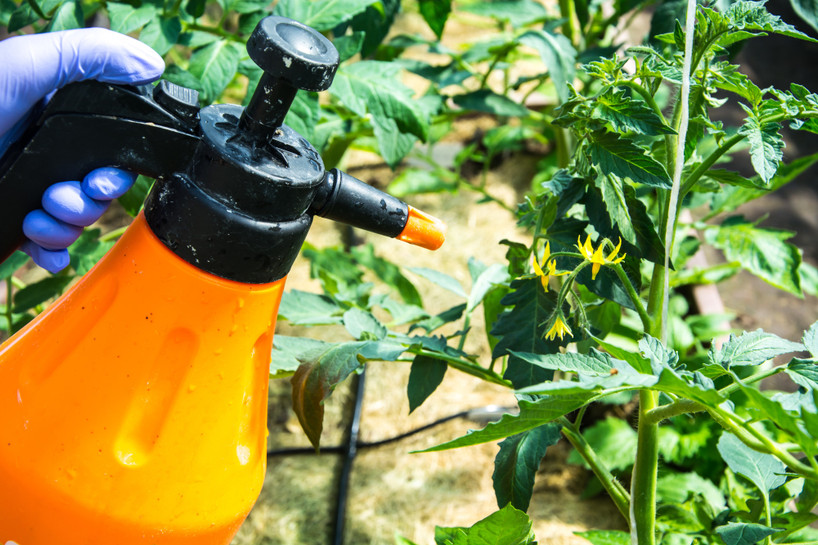
- Handheld Sprayers:Small and light, good for small gardens.
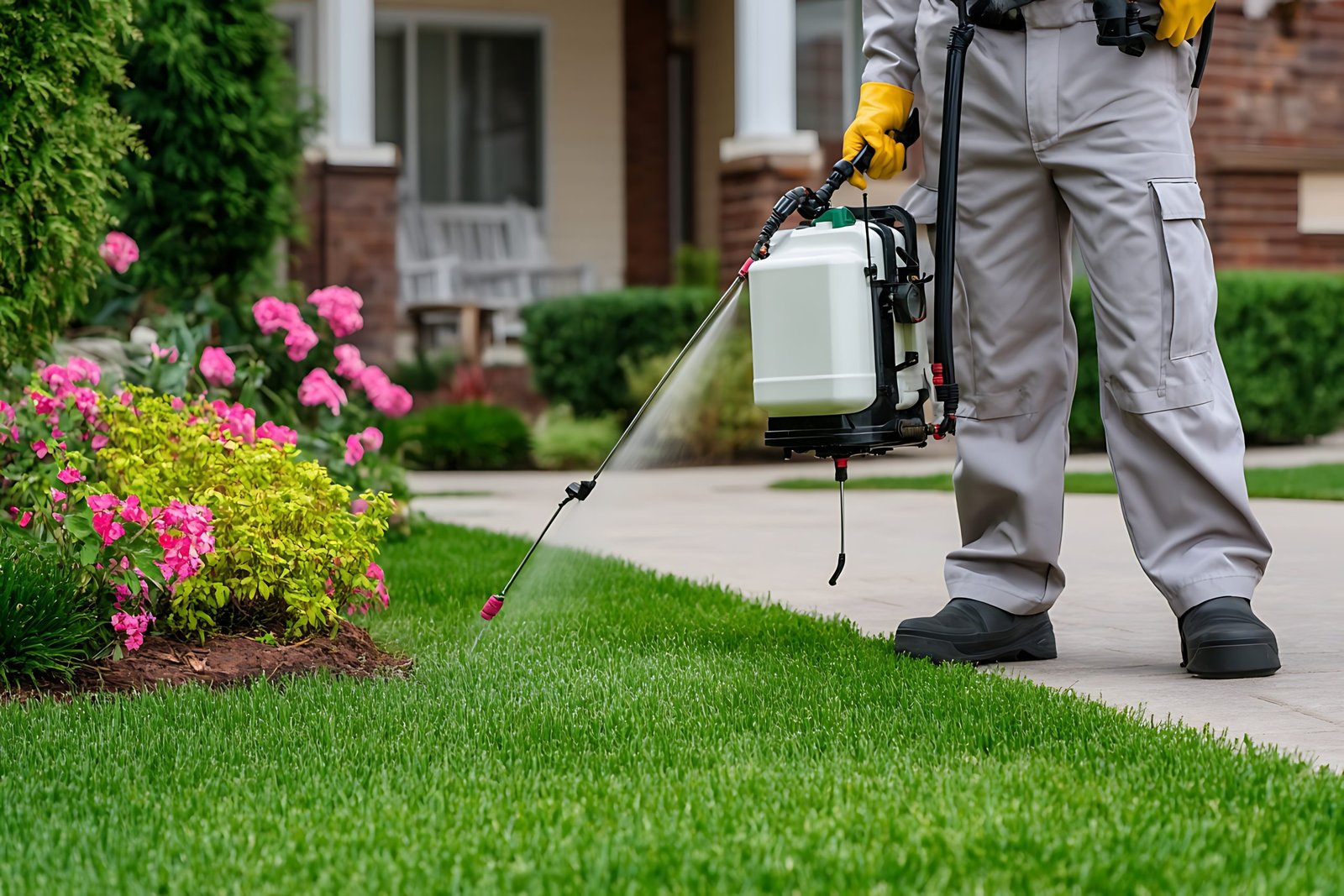
- Backpack Sprayers:Worn on the back, good for medium to large gardens.
- Tank Sprayers:Have larger tanks and wheels, best for very large areas.
Capacity And Size Considerations
Choose a sprayer size that fits your garden size. A sprayer too small means refilling often. A sprayer too big may be heavy and hard to use.
| Sprayer Type | Capacity | Best For |
|---|---|---|
| Handheld | 1 to 3 liters | Small gardens, spot treatments |
| Backpack | 10 to 20 liters | Medium gardens, frequent use |
| Tank | 20 liters and up | Large gardens, heavy use |
Material And Durability
Sprayer materials affect how long it lasts and how it handles chemicals. Choose materials that resist rust and corrosion.
- Plastic:Lightweight and affordable but can crack over time.
- Stainless Steel:Strong and long-lasting, good for tough chemicals.
- Brass Components:Durable parts for nozzles and valves.
Credit: www.lawnstarter.com
Preparing Fertilizer Solutions
Using a garden sprayer for fertilizers helps plants grow well. Preparing the right fertilizer solution is key. It needs care and attention for best results.
Mixing the fertilizer correctly protects your plants and keeps the sprayer working. Read the instructions and follow safety rules.
Correct Dilution Ratios
Always use the correct amount of fertilizer and water. Too strong can harm plants. Too weak will not help them grow.
| Fertilizer Type | Water Amount | Mixing Ratio |
|---|---|---|
| Liquid Fertilizer | 1 gallon | 1 oz per gallon |
| Powder Fertilizer | 1 gallon | 2 tablespoons per gallon |
| Granular Fertilizer (dissolved) | 1 gallon | 1/4 cup per gallon |
Mixing Techniques
Mix fertilizer in clean water. Add fertilizer slowly while stirring. This avoids lumps and clogs in the sprayer.
- Fill the sprayer tank halfway with water
- Add the fertilizer bit by bit
- Stir or shake the sprayer gently
- Fill the tank with the rest of the water
- Mix again before spraying
Safety Precautions
Wear gloves and eye protection when mixing fertilizer. Keep children and pets away from the area. Clean the sprayer after use.
- Use a mask to avoid breathing fumes
- Do not eat or drink while mixing
- Wash hands thoroughly after handling fertilizer
- Store fertilizer in a cool, dry place
Spraying Techniques
Using a garden sprayer correctly helps plants get the right amount of fertilizer. Proper spraying protects plants and saves resources.
Good spraying techniques improve fertilizer absorption and reduce waste. Learn how to spray for the best garden health.
Optimal Spray Patterns
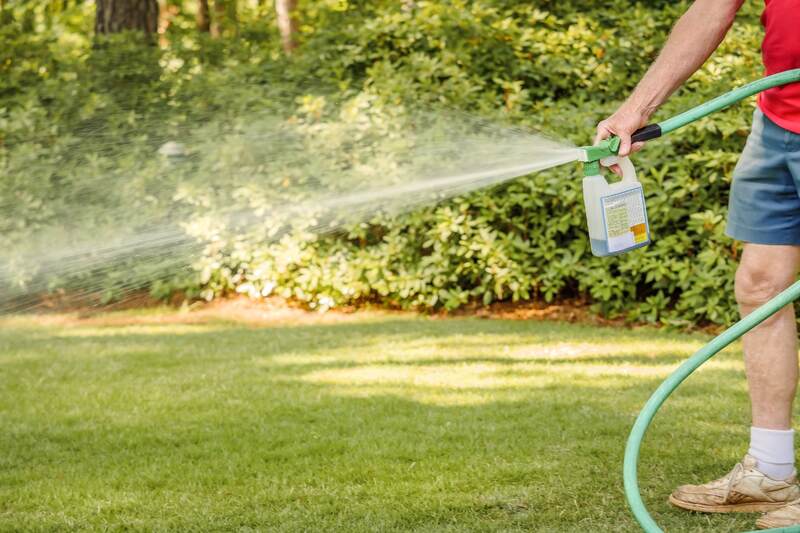
Choose a spray pattern that matches your plant type and area size. A fine mist covers leaves evenly but can drift in wind.
- Use a low-pressure nozzle for gentle, wide coverage
- Apply in calm weather to avoid drift
- Keep sprayer wand moving in steady, overlapping strokes
- Adjust nozzle for droplet size to suit fertilizer type
Coverage Tips
Even coverage ensures all plants get fertilizer without waste. Check your sprayer for blockages before use.
| Tip | Details |
| Spray from 12-18 inches | Keeps droplets from merging or bouncing off leaves |
| Overlap passes slightly | Prevents missed spots on plants |
| Spray in the early morning or late afternoon | Reduces evaporation and wind drift |
| Check spray output regularly | Ensures consistent coverage |
Avoiding Over-application
Too much fertilizer can harm plants and soil. Use the right amount by following label instructions carefully.
Here are ways to avoid applying too much fertilizer:
- Measure the sprayer tank before mixing fertilizer
- Use a calibrated sprayer to control flow rate
- Spray slowly and evenly to prevent runoff
- Rinse the sprayer after use to avoid buildup
Credit: barndoorag.com
Maintenance And Cleaning
Keeping your garden sprayer clean helps it work better and last longer.
Regular maintenance stops clogs and damage from happening.
Cleaning After Use
Rinse the sprayer tank with clean water after every use. Spray water through the nozzle to clear any leftover fertilizer.
- Empty the sprayer completely.
- Fill the tank with clean water and shake it well.
- Spray the water through the nozzle until it runs clear.
- Remove and clean the nozzle and filter parts.
- Wipe the outside of the sprayer with a damp cloth.
Storage Tips
Store your garden sprayer in a dry place away from sunlight to avoid damage.
| Storage Tip | Reason |
| Keep sprayer indoors | Protects from weather damage |
| Store with lid off | Prevents moisture buildup inside |
| Keep nozzle clean and dry | Stops clogging and rust |
| Check seals before storage | Ensures no leaks develop |
Troubleshooting Common Issues
If your sprayer is not spraying well, check for clogs or leaks. Small problems can cause big issues.
- Clogged nozzle: Clean it with warm water and a soft brush.
- Leaks: Tighten all connections and replace worn seals.
- Pump not working: Lubricate the pump or check for broken parts.
- Uneven spray: Check if the filter is dirty or blocked.
Safety Measures
Using a garden sprayer for fertilizers needs careful attention to safety. Protect yourself and the environment.
Following safety rules helps prevent accidents and health problems.
Protective Gear Recommendations
Wear protective gear to avoid skin and eye contact with fertilizers. Use gloves, goggles, and long sleeves.
Choose waterproof gloves and a mask to stop inhaling chemicals.
- Rubber or nitrile gloves
- Safety goggles or glasses
- Long-sleeve shirt and pants
- Respirator or dust mask
- Closed-toe shoes or boots
Handling Chemicals Safely
Read and follow all instructions on fertilizer labels. Use the right amount and mix carefully.
Do not eat, drink, or smoke while handling fertilizers. Wash hands and clothes after use.
- Measure chemicals accurately
- Mix in a well-ventilated area
- Keep chemicals away from children and pets
- Store fertilizers in original containers
- Clean sprayer after each use
Environmental Considerations
Apply fertilizers carefully to avoid harming plants and water sources. Avoid windy days to stop drift.
Dispose of leftover chemicals and containers safely according to local rules.
- Do not spray near water bodies
- Use only the needed fertilizer amount
- Clean spills immediately
- Recycle or dispose of containers properly
- Store chemicals in a cool, dry place

Credit: www.doityourself.com
Frequently Asked Questions
How Do I Choose The Right Garden Sprayer?
Choosing the right garden sprayer depends on your garden size and fertilizer type. For small gardens, a handheld sprayer is ideal. For larger areas, a backpack or wheeled sprayer provides more coverage. Consider the nozzle type for adjustable spray patterns.
Ensure the sprayer is compatible with your fertilizer.
Can I Use A Garden Sprayer For All Fertilizers?
Not all fertilizers are suitable for garden sprayers. Liquid fertilizers are ideal for spraying. Granular fertilizers need to be dissolved before use. Always check the fertilizer label for compatibility. Using the wrong type could damage the sprayer or affect plant health.
How Often Should I Clean My Garden Sprayer?
Cleaning your garden sprayer after every use is recommended. Rinse thoroughly with water to remove any residue. This prevents clogs and extends the sprayer’s lifespan. Regular maintenance ensures efficient performance and prevents contamination between different fertilizers or chemicals.
What Safety Precautions Should I Take When Spraying?
Always wear protective gear like gloves and goggles when spraying. Avoid windy days to prevent drift. Follow the manufacturer’s instructions for safe usage. Store fertilizers and sprayers out of children’s reach. Proper safety measures protect you and ensure effective fertilization.
Conclusion
Using a garden sprayer correctly helps your plants grow strong. Always measure the fertilizer to avoid damage. Spray evenly for the best results. Clean your sprayer after every use to keep it working well. Store it in a dry place to last longer.
Small steps make a big difference in your garden. Keep practicing, and your plants will thank you. Simple care brings healthy, vibrant growth every season.