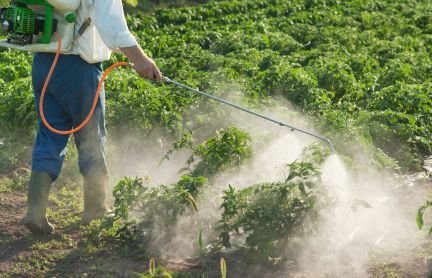
Using a garden sprayer can make your gardening tasks easier and more efficient. But if you’re not careful, it can also be risky for your health and your plants.
Imagine saving time while keeping yourself safe and protecting your garden at the same time. Sounds good, right? You’ll discover simple yet powerful tips that help you use your garden sprayer safely every time. Keep reading to learn how you can get the best results without any worries.
Choosing The Right Sprayer
Using a garden sprayer helps keep plants healthy. Choosing the right sprayer makes the job easier and safer.
Different sprayers work better for different tasks. Knowing which sprayer to use saves time and protects your garden.
Types Of Garden Sprayers
There are several types of garden sprayers. Each type has its own use and benefits for garden care.
- Handheld Sprayers:Small and easy to carry. Good for small gardens and spot treatments.
- Pump Sprayers:Use a hand pump to build pressure. Suitable for medium-sized areas and even spraying.
- Backpack Sprayers:Worn on the back for comfort. Ideal for large gardens and long jobs.
- Compression Sprayers:Pressurized tanks that spray evenly. Work well for pesticides and fertilizers.
Matching Sprayer To Task
Choose a sprayer based on the size of your garden and type of work. This helps you use chemicals safely and effectively.
Small jobs need small sprayers. Large areas need sprayers with bigger tanks and longer spray ranges.
| Task | Best Sprayer |
|---|---|
| Spot treating weeds | Handheld sprayer |
| Applying fertilizer to medium garden | Pump sprayer |
| Spraying pesticides on large plants | Backpack sprayer |
| Even spraying over wide areas | Compression sprayer |
:max_bytes(150000):strip_icc()/spruce-pestcontrol0TatianaMaksimova-9d174a12f8bf43d29b27d14bb07eb58b.jpg)
Credit: www.thespruce.com
Essential Safety Gear
Using a garden sprayer can be risky without the right safety gear. Wearing proper equipment helps protect your skin and lungs from chemicals.
Always use safety gear before you start spraying. This helps keep you safe from harmful sprays and splashes.
Protective Clothing
Wear long sleeves and long pants to cover your skin. Choose clothes made from thick materials to stop sprays from soaking through.
Rubber gloves protect your hands from chemicals. Waterproof boots keep your feet dry and safe.
- Long-sleeve shirts and long pants
- Water-resistant or chemical-resistant gloves
- Waterproof boots or shoes
- Hat to protect your head
Eye And Respiratory Protection
Wear safety goggles to protect your eyes from sprays and mist. Regular glasses do not offer enough protection.
Use a mask or respirator to avoid breathing in harmful chemicals. Choose one that fits well and filters particles.
- Seal-tight safety goggles
- Respirator or face mask rated for chemicals
- Check gear for damage before each use
Preparing The Sprayer
Using a garden sprayer safely starts with good preparation. You must check your sprayer before every use.
Proper preparation helps avoid accidents and ensures the sprayer works well.
Inspecting Equipment
Look over the sprayer parts carefully. Check for cracks, leaks, or broken pieces.
Make sure the nozzle sprays evenly and the hose is not blocked or damaged.
- Check the tank for cracks or holes
- Test the trigger and hose for leaks
- Clean the nozzle before use
- Replace any worn or broken parts
Mixing Chemicals Safely
Always follow the label instructions when mixing chemicals. Use the right amount and type of water.
Wear gloves and protective clothes to avoid skin contact with chemicals.
- Use clean water for mixing
- Mix chemicals in a well-ventilated area
- Measure chemicals carefully with proper tools
- Never mix different chemicals unless the label says it is safe

Credit: aubreymontessori.com
Safe Spraying Techniques
Using a garden sprayer safely helps protect your plants and the environment. It also keeps you healthy by reducing exposure to chemicals.
Follow simple tips to spray correctly and avoid problems like drift or contamination. Proper spraying saves time and gives better results.
Correct Spray Patterns
Choose the right spray pattern for your plants and the product you use. Different patterns cover different areas and help reduce waste.
- Use a flat fan pattern for even coverage on leaves and flowers.
- A cone pattern works well for shrubs and taller plants.
- Adjust the nozzle to avoid large droplets that can cause runoff.
- Keep the sprayer nozzle close to plants to reduce drift.
Avoiding Drift And Contamination
Drift happens when spray moves to unwanted areas. Contamination occurs if chemicals touch water or other plants. Both can harm the environment and your garden.
| Tip | How to Do It |
| Spray on calm days | Check wind speed below 5 mph before spraying |
| Use drift-reducing nozzles | Choose nozzles that produce larger droplets |
| Wear protective gear | Use gloves and masks to avoid contact |
| Clean sprayer after use | Rinse with water to avoid chemical buildup |
| Keep spray away from water sources | Do not spray near ponds or wells |
Handling And Storage
Using a garden sprayer safely helps protect you and your plants. Proper handling and storage reduce risks.
Keep your sprayer clean and store chemicals carefully. This keeps your garden safe and tools in good shape.
Cleaning After Use
Always clean your garden sprayer after each use. This stops chemicals from mixing and damaging the sprayer.
Rinse the tank and spray lines with clean water. Use a brush to remove any stuck dirt or residue.
- Empty leftover chemicals safely
- Flush tank with water multiple times
- Clean nozzles to avoid clogging
- Dry all parts before storage
Storing Chemicals Securely
Store garden chemicals in a cool, dry place away from children and pets. Keep them in original containers with labels.
Check containers for leaks and close them tightly. Do not mix different chemicals in the same storage area.
- Use locked cabinets or storage boxes
- Keep chemicals away from food and water
- Separate herbicides, insecticides, and fertilizers
- Follow local rules for chemical disposal

Credit: www.reddit.com
Emergency Measures
Using a garden sprayer can sometimes lead to accidents. Knowing what to do in an emergency helps keep you safe.
Quick action reduces harm from spills or exposure to chemicals. Always be ready to act calmly and fast.
Dealing With Spills
If you spill chemicals, stop using the sprayer right away. Avoid touching the spill with bare hands.
Cover the spill with absorbent material like soil or sand. This prevents it from spreading further.
- Wear gloves and protective clothing before cleaning
- Use absorbent material to soak the spill
- Dispose of waste in a safe, approved container
- Wash the area with plenty of water after cleanup
First Aid For Exposure
If chemicals touch your skin, rinse the area with water for at least 15 minutes. Remove any contaminated clothing.
If you breathe in spray mist, move to fresh air immediately. If you feel sick, get medical help right away.
- Flush eyes with water if chemicals get in them
- Do not rub or touch irritated areas
- Call poison control or emergency services if symptoms worsen
- Keep the chemical container or label for medical staff
Frequently Asked Questions
How Do I Choose The Right Garden Sprayer?
Choosing the right garden sprayer depends on your garden size and needs. For small gardens, a hand-held sprayer is ideal. For larger areas, consider a backpack or wheeled sprayer. Always check the sprayer’s capacity, nozzle types, and material quality to ensure it meets your requirements.
What Safety Gear Should I Wear?
When using a garden sprayer, wear protective gear to ensure safety. This includes gloves, goggles, and a mask to protect against chemicals. Long sleeves and pants can shield your skin from exposure. Always read the product label for specific safety recommendations before starting.
How Do I Maintain My Garden Sprayer?
Regular maintenance extends your sprayer’s lifespan and ensures efficiency. After each use, clean the nozzle and tank thoroughly to prevent clogs. Check for leaks and replace worn-out parts promptly. Store the sprayer in a dry, cool place to avoid damage from the elements.
Can I Use A Garden Sprayer For Pesticides?
Yes, garden sprayers can apply pesticides effectively. Ensure the sprayer is cleaned thoroughly before use to prevent chemical contamination. Always follow the pesticide manufacturer’s instructions for safe usage. Wearing protective gear is crucial to avoid exposure to harmful chemicals.
Conclusion
Using a garden sprayer safely protects you and your plants. Always wear protective gear and read instructions carefully. Clean the sprayer after each use to avoid damage. Store chemicals out of reach of children and pets. Take your time and spray in calm weather to prevent drift.
Safe habits make gardening easier and more enjoyable. Keep these tips in mind for a healthy garden and a safe experience. Simple steps can make a big difference. Stay safe and happy gardening!