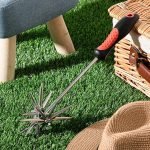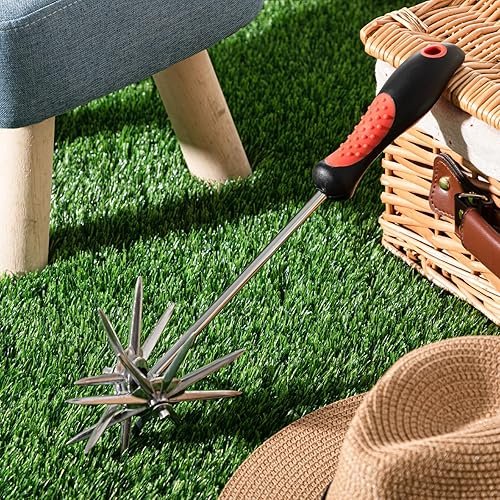
Gardening in small spaces can be a rewarding yet challenging experience. When you’re trying to cultivate a lush garden in a tight area, every tool you choose matters.
This is where a hand cultivator becomes your best friend. Picture yourself transforming that cramped corner of your yard into a vibrant oasis. With the right tips, you can master the art of using a hand cultivator in even the tiniest nooks.
You’ll find that this tool not only saves you time but also makes gardening in limited spaces a breeze. Are you ready to unlock the secrets to making your garden thrive? Dive into this article to discover how you can effortlessly maneuver your way to a flourishing garden, no matter how snug your space is.
Choosing The Right Cultivator
Using a hand cultivator in tight spaces needs careful tool choice. The right cultivator makes your work easier and more precise.
Pick a cultivator that fits the size of the area and the type of soil you work with. Good tools save time and effort.
Types Of Hand Cultivators
Hand cultivators come in several types. Each type works best for different gardening tasks and tight spaces.
- Three-Prong Cultivator:Good for loosening soil and removing weeds in small spots.
- Hand Tiller:Has a wider head for breaking up soil in narrow rows.
- Hand Rake:Useful for smoothing soil and clearing debris in tight areas.
- Mini Hoe:Helps chop weeds and aerate soil close to plants.
Size And Shape Considerations
Choose a cultivator size and shape that fits your gardening space. Small and narrow tools work best in tight spots.
Look for lightweight tools with comfortable handles. They reduce strain when you work in limited areas.
- Short handles give better control in cramped spaces
- Narrow heads reach between plants easily
- Curved tines help loosen soil without damage
- Ergonomic grips improve comfort during use
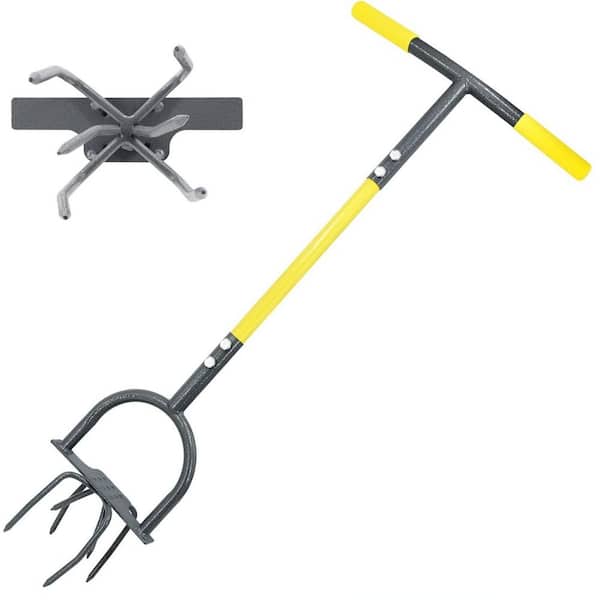
Credit: www.homedepot.com
Preparing The Soil
Using a hand cultivator in tight spaces needs good soil preparation. Proper soil makes it easier to work and helps plants grow well.
Before you start, clear the soil and check moisture levels. This helps the cultivator move smoothly and avoids damage.
Clearing Debris
Remove sticks, stones, and old plant roots from the soil. Debris can block the cultivator and make work hard.
Clearing debris also prevents damage to your plants. It gives your cultivator a clear path to loosen the soil.
- Pick out large stones and sticks by hand
- Use a rake for smaller debris
- Dispose of weeds and roots away from the area
Moisture Levels For Easy Cultivation
Check the soil moisture before using a hand cultivator. Soil that is too dry or too wet is hard to work with.
Ideal soil is slightly damp. This helps the cultivator break up soil without clumping or sticking.
- Test soil by squeezing a handful
- If it crumbles, the soil is ready
- If it sticks, wait for it to dry a bit
- If it is dusty and hard, water the soil lightly
Techniques For Tight Spaces
Using a hand cultivator in small garden areas needs special care. Tight spaces limit your movements. You must use precise techniques to avoid damage and work efficiently.
Below are tips on how to hold your tool and move it properly. These help you cultivate soil well even in narrow spots.
Proper Grip And Angle
Hold the hand cultivator firmly but not too tight. Keep your wrist relaxed to avoid strain. Angle the tool so the tines enter the soil gently. This helps loosen soil without harming nearby plants.
- Grip the handle near the middle for control
- Keep the tines angled about 30 to 45 degrees
- Adjust your hand position to fit narrow spots
- Use your wrist to guide the tool smoothly
Short, Controlled Movements
Use small, steady motions instead of large swings. This keeps the cultivator from hitting plants or roots. Work in sections to manage the space well.
| Movement Type | Why It Works |
| Short strokes | Prevents damage to nearby plants |
| Controlled pressure | Loosens soil without uprooting roots |
| Slow pace | Improves accuracy in tight spots |

Credit: www.amazon.ca
Protecting Nearby Plants
Using a hand cultivator in tight spaces needs care. You must protect plants close by from damage.
It is important to know where roots grow and how to shield plants. This keeps your garden healthy.
Identifying Root Zones
Roots spread beyond the plant’s stem or trunk. Knowing root zones helps avoid digging into them.
Check the plant’s size and type to estimate root depth and width. Look for signs of root growth.
- Small plants often have shallow roots
- Large plants have wider root zones
- Some plants send roots out far for water
- Avoid cultivating close to root areas
Using Barriers And Shields
Place physical barriers to protect roots and stems from the cultivator. Barriers stop accidental damage.
Use shields made from plastic or wood to cover plants near your working area. They act as a guard.
- Use plastic sheets or boards as shields
- Place barriers around root zones
- Move barriers as you work carefully
- Ensure barriers do not harm plant growth
Maintaining Your Cultivator
Keeping your hand cultivator in good shape helps it last longer. Regular care makes gardening easier in tight spaces.
Simple maintenance tasks will keep your tool ready for use. Clean and check it after every gardening session.
Cleaning After Use
Remove soil and plant debris from your cultivator after each use. This prevents rust and keeps the tool sharp.
Use a stiff brush or cloth to clean the tines and handle. Dry the tool completely before storing it.
- Brush off loose dirt
- Wipe with a damp cloth
- Dry thoroughly to stop rust
- Store in a dry place
Sharpening And Repair Tips
Sharp tines work better in tight spaces. Use a file or sharpening stone to keep edges clean and pointed.
Check the handle and metal parts for damage. Tighten loose screws or replace worn parts to keep your cultivator safe.
- Sharpen tines regularly
- Inspect for cracks or rust
- Tighten screws and bolts
- Replace broken parts promptly
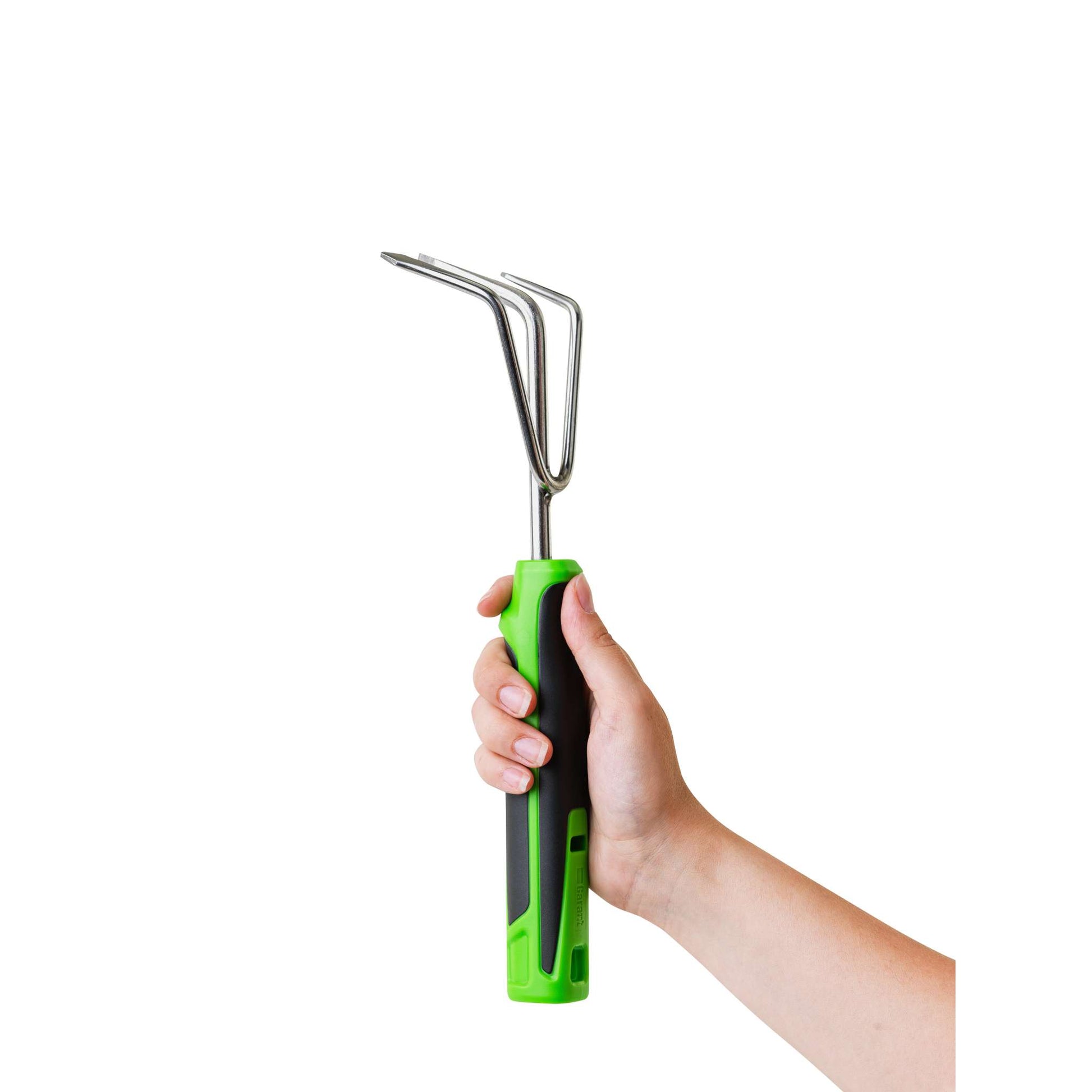
Credit: www.garant.com
Safety Tips For Small Areas
Using a hand cultivator in tight spaces needs extra care. Small areas can make tools harder to use safely.
Follow simple safety tips to protect yourself and work better in limited space.
Wearing Protective Gear
Always wear gloves to protect your hands from sharp edges and dirt. Gloves also help you grip the tool firmly.
Use safety glasses to keep dust and small debris out of your eyes. This is important in tight spaces where dust can spread quickly.
- Wear sturdy gloves for hand protection
- Use safety glasses to protect eyes
- Wear closed-toe shoes to protect feet
- Consider long sleeves to avoid scratches
Avoiding Strain And Injury
Work slowly to avoid muscle strain in small areas. Tight spaces can make movements awkward and tiring.
Take breaks often to rest your hands and back. Keep your body in a comfortable position while using the hand cultivator.
- Use short, controlled movements
- Keep your back straight and bend at the knees
- Switch hands if possible to reduce fatigue
- Stop if you feel pain or discomfort
Frequently Asked Questions
What Is The Best Hand Cultivator For Tight Spaces?
The best hand cultivator for tight spaces is compact with narrow tines. It should be lightweight and easy to maneuver. Look for models designed for small garden beds and container gardening. Ergonomic handles enhance control in confined areas.
How Do I Use A Hand Cultivator Effectively In Small Gardens?
Use slow, controlled movements to loosen soil without damaging nearby plants. Focus on aerating and mixing soil gently. Keep the cultivator close to the surface to avoid root disturbance. Regular use prevents soil compaction and promotes healthy growth in tight spots.
Can A Hand Cultivator Improve Soil Health In Limited Areas?
Yes, hand cultivators break up compacted soil, improving aeration and water absorption. They help mix organic matter into the soil, enhancing nutrient distribution. This promotes root growth and overall plant health, especially in small or crowded garden spaces.
How Often Should I Use A Hand Cultivator In Tight Spaces?
Use the hand cultivator weekly during the growing season for best results. Frequent cultivation prevents soil crusting and weed growth. Avoid over-cultivating, which can harm soil structure and roots. Adjust frequency based on soil type and plant needs.
Conclusion
Using a hand cultivator in tight spaces helps keep your garden healthy. Small tools make it easier to reach tricky spots. Take your time and work gently to avoid damage. Regular use keeps soil loose and plants happy. Remember to clean your cultivator after each use.
This simple care extends the tool’s life. Keep practicing these tips for better gardening results. Enjoy the process and watch your garden grow well.