Do you often find yourself reaching for a hand drill, only to pause and wonder if you’re using it safely? You’re not alone.
Many DIY enthusiasts and professionals alike share this concern. While hand drills are powerful tools that can transform your projects, they also require respect and proper handling to prevent accidents. Imagine the satisfaction of completing your tasks efficiently, without the worry of mishaps.
You’ll discover essential tips to ensure your safety while using a hand drill. Dive in to learn how you can master this tool with confidence and peace of mind. Your safety is just a few tips away!
Choosing The Right Hand Drill
Using a hand drill safely starts with picking the right tool. Different drills suit different tasks and skill levels.
Knowing which hand drill fits your needs helps prevent accidents and improves your work quality.
Types Of Hand Drills
There are several types of hand drills. Each type works best for specific uses and materials.
- Manual Hand Drill:Powered by hand turning. Good for light jobs and precise control.
- Brace Drill:Uses a crank handle for more power. Ideal for wood drilling.
- Eggbeater Drill:Has a gear mechanism that spins the bit faster. Great for small holes.
- Push Drill:Uses a spring mechanism to spin the bit quickly with pushing action. Best for small holes in soft materials.
Selecting Drill Bits
Choosing the right drill bit is as important as selecting the drill. Bits come in different shapes and sizes for various tasks.
| Drill Bit Type | Material Used For | Tip Shape |
|---|---|---|
| Twist Bit | Wood, Metal, Plastic | Pointed |
| Spade Bit | Wood | Flat with a sharp point |
| Masonry Bit | Brick, Concrete, Stone | Carbide tip |
| Forstner Bit | Wood | Flat bottom |
Preparing Your Workspace
Using a hand drill safely starts with setting up your workspace well. A clean and organized area helps prevent accidents.
Take time to prepare your space before you begin drilling. This keeps you focused and safe.
Clearing The Area
Remove any clutter or objects around your work zone. This lowers the risk of tripping or knocking things over.
Keep only the tools and materials you need close by. Extra items can cause distractions or accidents.
- Clear the floor and workbench of debris
- Put away tools not in use
- Make space to move freely
Proper Lighting
Good lighting lets you see your work clearly. This helps you drill accurately and avoid mistakes.
Use bright, focused light on the spot you will drill. Avoid shadows that can hide hazards.
- Work near windows for natural light
- Use a desk lamp or flashlight if needed
- Check all bulbs work before starting
Securing Materials
Hold your materials firmly before drilling. This stops slipping and reduces injury risk.
Use clamps or a vise to keep items steady. Never hold small pieces with your hand near the drill.
- Choose clamps suitable for your material size
- Tighten clamps fully before drilling
- Double-check material is stable
Personal Protective Gear
Using a hand drill can be risky without the right safety gear. Protecting yourself helps avoid injuries and keeps your work safe.
Wear the correct protective equipment before starting any drilling task. This gear shields you from flying debris, noise, and other hazards.
Safety Glasses
Safety glasses protect your eyes from dust, wood chips, and metal shards. Always wear glasses that fit well and meet safety standards.
- Choose glasses with side shields for full coverage.
- Check for scratches or cracks before use.
- Clean them regularly for clear vision.
Gloves
Gloves protect your hands from splinters, sharp edges, and vibration. Use gloves that allow good grip and control of the drill.
| Type of Gloves | Best Use |
| Leather gloves | Protection from rough materials |
| Rubber-coated gloves | Better grip and vibration reduction |
| Cut-resistant gloves | Handling sharp drill bits |
Hearing Protection
Drilling can produce loud noise that harms your ears. Wear hearing protection to reduce noise exposure and protect your hearing.
- Use earplugs for a low-profile option.
- Choose earmuffs for higher noise reduction.
- Replace hearing gear if damaged or worn out.

Credit: civilcraft.com.au
Handling The Drill Correctly
Using a hand drill safely starts with proper handling. Holding the drill the right way helps you work better and avoid injury.
It is important to focus on grip, posture, starting, stopping, and speed control. These tips will keep you safe.
Proper Grip And Posture
Hold the drill firmly with both hands. One hand should grip the handle, and the other can support the drill body.
Stand with your feet shoulder-width apart. Keep your back straight and lean slightly forward to stay balanced.
- Use both hands for better control
- Keep your body steady and balanced
- Position your feet for strong support
Starting And Stopping Safely
Before starting the drill, make sure the bit is properly attached. Check the area for any obstacles or hazards.
Start the drill at a low speed to avoid slipping. When finished, turn off the drill fully before setting it down.
- Attach the drill bit tightly
- Clear the work area
- Begin drilling at low speed
- Turn off the drill before putting it down
Controlling Drill Speed
Use the drill’s variable speed control to match the material you are working on. Slow speeds work best on hard materials.
Keep steady pressure on the drill and avoid forcing it. Let the drill do the work at the right speed.
- Start slow and increase speed as needed
- Match speed to the material hardness
- Apply steady, gentle pressure
- Avoid pushing too hard
Maintaining Your Hand Drill
Proper maintenance keeps your hand drill working well. It also makes using it safer. Taking care of your drill helps it last longer and work smoothly.
Regular checks and cleaning prevent problems. Follow these tips to keep your hand drill in good shape.
Regular Cleaning
Clean your hand drill after each use. Remove dust, dirt, and wood chips. This stops parts from getting stuck or worn out.
Use a dry cloth or a small brush to clean tight spots. Avoid using water, which can cause rust on metal parts.
Checking For Damage
Inspect your drill before using it. Look for cracks, loose parts, or worn handles. Damaged tools can be unsafe and less effective.
Check the drill bit for dullness or bends. Replace any damaged bits to ensure clean and safe drilling.
Lubrication Tips
Keep moving parts lubricated to reduce friction. Use light machine oil on the gears and handle joints. This helps the drill turn smoothly.
Wipe off extra oil to avoid attracting dirt. Lubricate your drill regularly, especially after cleaning or heavy use.

Credit: www.youtube.com
Avoiding Common Hazards
Using a hand drill can be safe if you watch out for common dangers. Knowing the risks helps you work without accidents. This guide covers key ways to stay safe.
Focus on your work area, equipment, and drill care. These tips will help you avoid slips, cord problems, and overheating.
Preventing Slips And Trips
Keep your work area clean and dry to stop falls. Move tools and materials out of walkways. Always wear proper shoes with good grip.
- Clear debris and spills immediately
- Organize tools after use
- Keep floors dry and free of cords
- Use mats if floors are slippery
Managing Power Cords
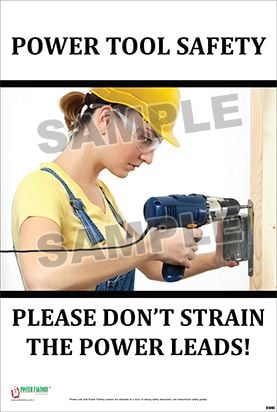
Power cords can cause trips or damage. Check cords for cuts or frays before use. Do not pull cords to unplug; hold the plug firmly.
| Safety Tip | Reason |
| Keep cords away from walkways | Prevents tripping hazards |
| Inspect cords regularly | Avoids electrical shock |
| Unplug by pulling the plug | Protects cord from damage |
| Use extension cords rated for drills | Prevents overheating |
Dealing With Overheating
Hand drills can get hot if used for a long time. Overheating can damage the drill and cause burns. Take breaks to let the drill cool down.
- Stop drilling every 10 minutes for a short rest
- Check the drill body for excessive heat
- Keep vents clear of dust and debris
- Use the correct drill speed for the material
Emergency Preparedness
Using a hand drill can be safe if you prepare for emergencies. Knowing what to do in an accident helps reduce injury risks.
This guide covers basic first aid and when to call for professional help during hand drill accidents.
First Aid Basics
Keep a first aid kit nearby when using a hand drill. Clean any cuts or scrapes with water and apply a bandage.
If you get a splinter or small injury, remove the object gently with tweezers. Watch for signs of infection like redness or swelling.
- Stop the bleeding by pressing a clean cloth on the wound
- Clean wounds with soap and water
- Use sterile bandages to cover cuts
- Keep injured parts raised if bleeding is heavy
- Do not apply creams or ointments unless instructed
When To Seek Professional Help
Call a doctor if the injury is deep or bleeding does not stop. Also get help if the drill causes a serious cut or puncture.
Watch for signs of infection or if you feel dizzy or weak. Seek emergency care if there is severe pain or broken bones.
- Deep cuts that need stitches
- Heavy bleeding that won’t stop
- Signs of infection like pus or spreading redness
- Broken bones or severe pain
- Dizziness, weakness, or fainting
)
Credit: www.posterfaktory.com
Frequently Asked Questions
How Do I Hold A Hand Drill Safely?
Hold the hand drill firmly with both hands. Keep a steady grip to control the drill. Avoid loose clothing or accessories that could catch. Maintain a balanced stance to prevent slips or falls during use.
What Protective Gear Should I Wear With A Hand Drill?
Always wear safety goggles to protect your eyes from debris. Use gloves to improve grip and protect your hands. Consider ear protection if drilling for extended periods. Wear a dust mask when drilling materials that create dust.
How Can I Avoid Drill Bit Slippage?
Ensure the drill bit is properly secured in the chuck. Use the correct bit size for your task. Apply steady, even pressure without forcing the drill. Start drilling at a slow speed to maintain control and accuracy.
What Are Common Hand Drill Hazards To Watch For?
Watch out for electric shock if using corded drills near water. Avoid loose clothing or jewelry that can get caught. Be cautious of sharp drill bits and flying debris. Ensure the workpiece is securely clamped before drilling.
Conclusion
Using a hand drill safely protects you from injuries. Always wear safety gear and check the drill before use. Keep your hands steady and work slowly. Avoid loose clothes that can catch in the drill. Stay focused and do not rush the job.
Safe habits make your work easier and better. Remember, careful use helps you finish tasks well. Follow these tips to stay safe every time. Safety first, always.