
Are you struggling with compacted soil in your garden? It can feel like a daunting task to break through that tough ground.
But don’t worry, you’re not alone, and there are simple ways to make it easier. Imagine transforming your garden into a lush, thriving space with just a few adjustments. With the right techniques, using a hand rake can become your secret weapon.
You’ll discover how to effortlessly loosen even the most stubborn soil, making planting and maintenance a breeze. Dive into our expert tips, and watch your garden dreams come to life. Get ready to turn those hard patches into fertile grounds for growth!
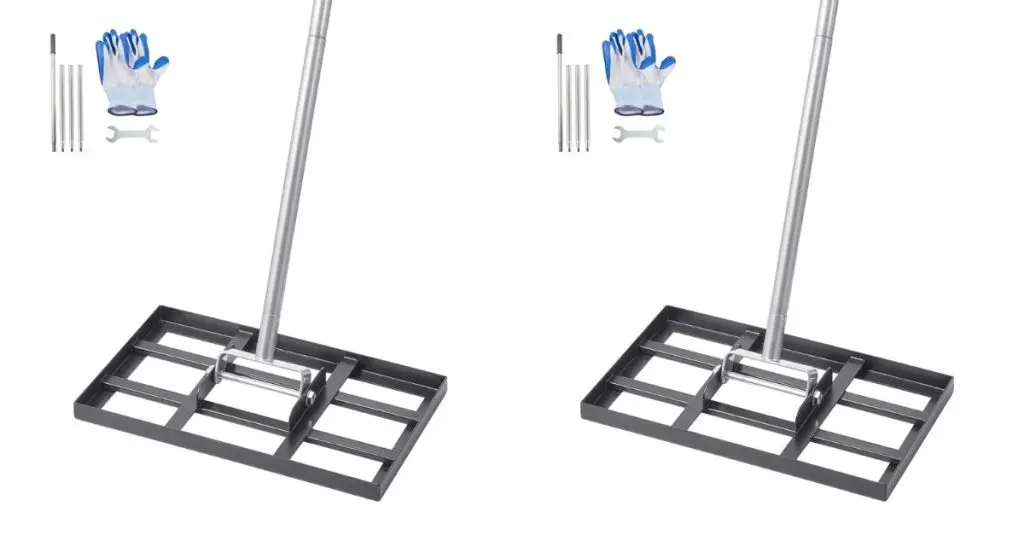
Credit: www.vevor.com
Choosing The Right Hand Rake
Using a hand rake on compacted soil needs the right tool. The right hand rake helps loosen soil without extra effort.
Picking the right hand rake depends on its type, material, and handle design. These factors make your work easier and faster.
Types Of Hand Rakes
Hand rakes come in different shapes for different jobs. Some have flexible tines for light work. Others have stiff tines to break hard soil.
- Bow Rakes: Strong, with rigid tines to break compact soil.
- Leaf Rakes: Lightweight, for gathering leaves and loose debris.
- Garden Rakes: Medium strength, good for general soil work.
Materials And Durability
Materials affect how long a hand rake lasts. Metal tines work well on hard soil but may rust. Plastic tines are light but can break.
Look for rust-resistant metals like stainless steel. Durable materials save money by lasting longer and working better in tough soil.
- Steel: Strong and good for breaking hard soil.
- Aluminum: Lightweight and rust-resistant.
- Plastic: Light but less durable for compacted soil.
Handle Length And Grip
Handle length changes how you use the rake. Short handles give more control but need bending. Long handles reduce back strain but can be harder to control.
Choose a handle with a comfortable grip. Rubber grips stop slipping and reduce hand fatigue during long work.
- Short Handle: Best for close, detailed work.
- Long Handle: Good for larger areas and less bending.
- Rubber Grip: Offers comfort and better hold.
Preparing Compacted Soil
Compacted soil makes it hard for plants to grow. It stops water and air from reaching roots. Using a hand rake can help fix this problem.
Before you start, prepare the soil well. This will make your hand rake work better and easier.
Identifying Soil Compaction
Look for hard, dense soil that is difficult to dig. Compacted soil often has cracks or is uneven. Plants may grow slowly or look weak.
You can test soil compaction by pushing a screwdriver or stick into the ground. If it is hard to push in, the soil is compacted.
Moisture Levels And Timing
Soil is easier to work when it is moist but not wet. Too dry or too wet soil is harder to rake. The best time is after light rain or watering.
Check soil moisture by squeezing a handful. It should hold shape but not drip water. Work on soil at the right time to avoid damage.
Using Soil Loosening Tools
Before raking, use tools like a garden fork or aerator to break hard layers. These tools help air and water reach deeper soil.
Insert the tool into the soil and gently lift or twist. This loosens compacted soil and makes hand raking easier and more effective.
Techniques For Effective Raking
Using a hand rake in compacted soil needs the right techniques to work well. It helps break up hard soil and makes it easier for plants to grow.
Good raking techniques reduce effort and protect your body from strain. Here are some tips to rake soil effectively.
Proper Posture And Grip
Stand with your feet shoulder-width apart for balance. Keep your back straight to avoid pain.
Hold the rake handle firmly but not too tight. Use both hands, one near the top and one in the middle.
- Feet flat and steady
- Back straight, avoid bending too much
- Grip handle with both hands
- Keep arms relaxed
Raking Motions For Loosening Soil
Use short, gentle pulling motions to break the soil surface. Avoid pushing hard or digging deep.
Work in small sections. Move the rake toward you with light pressure to loosen soil without damaging roots.
- Pull rake gently toward your body
- Work in small, manageable areas
- Use short strokes to avoid overworking soil
- Stop if soil feels too hard to loosen
Avoiding Common Mistakes
Do not rake soil when it is too wet or very dry. Wet soil clumps and dry soil breaks easily.
Avoid overusing the rake in one spot. This can harm soil structure and plants.
- Do not rake wet or muddy soil
- Avoid raking very dry, hard soil
- Do not press too hard on the rake
- Move rake evenly across soil
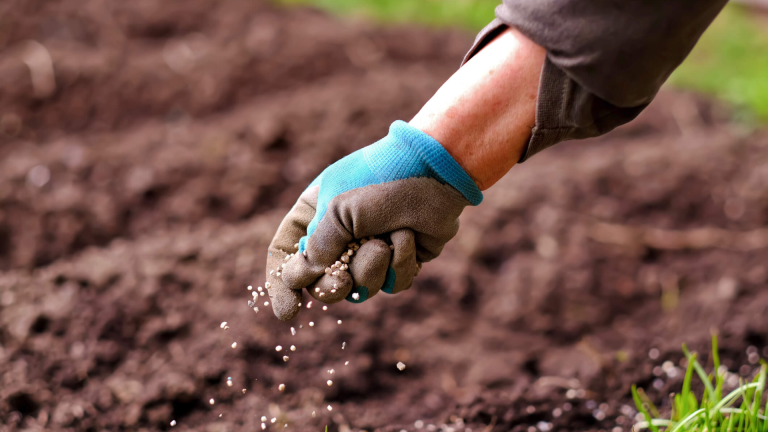
Credit: randylemmon.com
Enhancing Soil Aeration
Using a hand rake can help improve soil aeration in compacted soil. Aerated soil allows roots to breathe and water to reach deeper layers.
Proper soil aeration supports healthy plant growth by increasing oxygen levels and reducing soil hardness.
Creating Channels For Air And Water
Use the hand rake to gently break up hard soil and create small channels. These channels let air and water move through the soil more easily.
- Rake in different directions to open more pathways
- Avoid deep digging to keep soil structure intact
- Work when the soil is slightly moist, not wet or dry
- Focus on compacted areas near plant roots
Combining Raking With Soil Amendments
After creating channels, add soil amendments to improve soil quality. Amendments help keep the soil loose and rich in nutrients.
| Amendment | Benefit |
| Compost | Improves soil nutrients and moisture |
| Peat moss | Increases water retention and aeration |
| Sand | Improves drainage and loosens heavy soil |
Maintaining Your Hand Rake
Keeping your hand rake in good shape helps it work better and last longer. Regular care stops damage and makes your gardening easier.
Simple maintenance steps can protect your rake from wear and tear. These steps also keep the tool safe and ready for use.
Cleaning After Use
After using your hand rake, remove all soil and debris. This prevents rust and keeps the rake sharp for the next job.
- Use a stiff brush to clean dirt from the tines.
- Rinse with water and dry thoroughly to avoid rust.
- Wipe metal parts with an oily cloth for protection.
Sharpening And Repairs
Keep the rake’s tines sharp for better digging in compacted soil. Check for bent or broken parts and fix them quickly.
- Use a metal file to sharpen dull tines carefully.
- Bend bent tines back slowly to avoid breaking.
- Replace broken parts if you cannot fix them.
Storage Tips
Store your hand rake in a dry, clean place to stop rust and damage. Proper storage keeps it ready for your next gardening task.
- Hang the rake on a wall hook to keep it off the ground.
- Keep it away from moisture and direct sunlight.
- Cover the rake if storing it outdoors for long periods.

Credit: www.moser-kranbau.at
Safety Tips While Raking
Raking compacted soil can be hard work. It needs care to avoid injury.
Use safe habits to protect your body while working in the garden.
Protective Gear
Wear the right gear to keep yourself safe. Gloves protect your hands from blisters.
Strong shoes help avoid foot injuries. Eye protection keeps dirt out of your eyes.
- Wear gloves to prevent blisters and cuts
- Use sturdy shoes or boots for foot safety
- Wear safety glasses to shield your eyes
- Consider a hat to protect from sun
Safe Work Practices
Take breaks often to avoid tired muscles. Use smooth, steady movements with the rake.
Keep your back straight and bend your knees when needed. This helps stop back pain.
- Work at a steady pace to avoid strain
- Keep your posture upright to protect your back
- Take short breaks every 20 minutes
- Drink water to stay hydrated
Handling Tough Spots
For hard soil areas, loosen the soil gently. Avoid forcing the rake hard into the ground.
Use smaller raking strokes to reduce effort. Take extra care to avoid slips or falls.
- Loosen tough soil with a garden fork before raking
- Use short, gentle strokes on compacted spots
- Watch your footing on uneven ground
- Stop if you feel pain or discomfort
Frequently Asked Questions
How Do I Prepare Soil Before Using A Hand Rake?
Loosen compacted soil by watering it deeply first. This softens the ground, making hand raking easier and more effective.
What Is The Best Technique For Hand Raking Hard Soil?
Use short, firm strokes with the rake. Avoid forcing it too deeply to prevent tool damage and strain.
Can A Hand Rake Improve Soil Aeration In Compacted Areas?
Yes, hand raking breaks up soil clumps, allowing air, water, and nutrients to reach roots better.
How Often Should I Use A Hand Rake On Compacted Soil?
Rake compacted soil as needed, usually once or twice per season, to maintain soil health and texture.
Conclusion
Using a hand rake on compacted soil takes patience and care. Work slowly to break the soil without damaging plants. Keep your rake clean and sharp for best results. Water the soil lightly before raking to soften it. Small, steady movements help air and nutrients reach roots.
Remember, regular raking improves soil health over time. Your garden will thank you with stronger, healthier plants. Simple steps can make tough soil easier to work with. Keep practicing, and your efforts will pay off.
