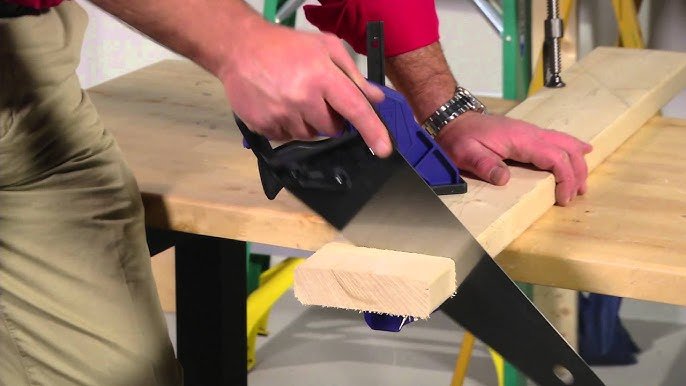
Using a hand saw might seem simple, but without the right safety habits, it can quickly become dangerous. You want to finish your project without injury or setbacks, right?
Knowing how to handle your hand saw safely protects your hands, saves time, and helps you work with confidence. You’ll discover easy tips that make a big difference. Keep reading to learn how to use your hand saw the smart way every time.

Credit: www.youtube.com
Choosing The Right Hand Saw
Using a hand saw safely starts with picking the right one. Different saws fit different tasks. Choosing well helps you work better and avoid accidents.
Learn about saw types, materials to cut, and how to check your saw. These tips help you pick a saw that is safe and easy to use.
Types Of Hand Saws
There are many hand saws for different jobs. Some saws cut wood, others cut metal or plastic. Knowing which saw to use keeps you safe and saves time.
- Crosscut saw: good for cutting across wood grain
- Rip saw: cuts along the wood grain
- Back saw: has a stiff edge for fine, straight cuts
- Hacksaw: used for cutting metal or plastic pipes
- Japanese saw: cuts on the pull stroke for smooth cuts
Selecting Based On Material
| Material | Recommended Saw | Reason |
|---|---|---|
| Softwood | Crosscut saw | Easy and fast cutting across grain |
| Hardwood | Rip saw | Stronger teeth for tough wood |
| Metal | Hacksaw | Fine teeth for cutting metal safely |
| Plastic | Hacksaw or Japanese saw | Clean cut without cracking |
Checking Saw Condition
Always check your saw before use. A sharp saw cuts better and is safer. A damaged saw can slip and cause injury.
- Look for rust or dirt on the blade
- Check if the teeth are sharp and even
- Make sure the handle is secure and not cracked
- Test the blade for bends or breaks
- Clean and oil the saw if needed
Credit: www.familyhandyman.com
Preparing Your Workspace
Using a hand saw safely starts with a good workspace. A clean and organized area helps you work better and avoid accidents.
Prepare your workspace before you start cutting. This makes your work easier and safer.
Clearing The Area
Remove any tools, debris, or objects near your work area. This stops you from tripping or cutting the wrong thing.
Clear space lets you move freely and keep control of the saw.
- Pick up scraps and dust
- Put tools away except the saw
- Keep the floor dry and clean
- Make sure others stay clear
Securing The Workpiece
Hold your wood or material steady before cutting. This stops it from slipping and causing injury.
Use clamps or a vise to fix the workpiece in place. Never try to hold it with your hands while sawing.
- Clamp the workpiece to a stable surface
- Check that it does not move
- Use a sawhorse if needed
- Keep your hands away from the cutting line
Ensuring Proper Lighting
Good lighting helps you see the cut line clearly. Poor light can cause mistakes and injuries.
Set up bright lights over your workspace. Natural light works well during the day.
- Use overhead lights or lamps
- Avoid shadows on the workpiece
- Check lighting before starting
- Use portable lights if needed
Personal Protective Equipment
Using a hand saw can be dangerous without the right safety gear. Personal protective equipment, or PPE, helps protect you from injuries.
Wearing the proper PPE reduces risks and keeps you safe while working with a hand saw.
Eye Protection
Eye protection is important to stop sawdust and wood chips from hurting your eyes. Safety glasses or goggles are best to wear.
Make sure your eye protection fits well and does not fog up. Clear vision helps you work safely and accurately.
Gloves And Clothing
Wear gloves that fit well to protect your hands from cuts and splinters. Avoid loose gloves that can catch in the saw blade.
Wear close-fitting clothes. Loose clothing can get caught in the saw and cause accidents.
- Use durable gloves for better grip
- Avoid long sleeves or dangling jewelry
- Wear long pants and closed shoes
Hearing Protection
Some hand saws, like powered ones, can be loud. Hearing protection prevents damage to your ears from noise.
Use earplugs or earmuffs when cutting for a long time or with noisy tools.
Credit: www.familyhandyman.com
Proper Hand Saw Techniques
Using a hand saw safely needs good technique and care. Following the right methods helps avoid accidents. It also makes cutting easier and more precise.
This guide covers key tips on grip, starting cuts, and control while cutting with a hand saw.
Correct Grip And Posture
Hold the saw handle firmly but not too tight. Keep your wrist straight to avoid strain. Stand with feet shoulder-width apart for balance.
- Use your dominant hand to hold the saw
- Keep your arm close to your body
- Position your shoulder over the saw for power
- Keep your back straight and knees slightly bent
Starting The Cut Safely
Begin cutting with short, gentle strokes. Mark your cutting line clearly to follow it easily. Make sure the wood is steady and secure before you start.
| Action | Tip |
| Mark the line | Use a pencil or chalk for a clear guide |
| Hold the saw tip | Start with light pressure to create a groove |
| Secure the wood | Use clamps or hold firmly to avoid movement |
| Check your angle | Keep the saw at about 45 degrees to the wood |
Maintaining Control During Cutting
Keep a steady rhythm and do not rush. Use your whole arm to saw, not just your wrist. Watch the line and adjust as needed to keep the cut straight.
- Keep your body still and focus on the saw movement
- Do not force the saw; let the teeth do the work
- Stop if the saw binds or gets stuck and fix the issue
- Wear safety glasses to protect your eyes from debris
Common Hazards And How To Avoid Them
Using a hand saw can be risky if you do not follow safety steps. Many accidents happen because people ignore simple rules. Learning to avoid hazards keeps you safe and your work smooth.
This guide covers three common risks: kickback, slips and trips, and handling saw teeth. Each section gives tips to stay safe while working with a hand saw.
Kickback Prevention
Kickback happens when the saw suddenly jerks back toward you. It can cause serious injury. Avoid kickback by keeping firm control and proper stance.
- Hold the saw handle tightly with both hands.
- Keep your body balanced and feet apart.
- Do not force the saw; let the teeth cut naturally.
- Make sure the wood is secured before cutting.
- Watch the blade angle and avoid pinching the saw.
Avoiding Slips And Trips
Slips and trips cause many hand saw accidents. Keep your work area clean and organized. Always check the floor for hazards before starting work.
| Hazard | How to Avoid |
| Loose objects on floor | Clear away tools and debris |
| Wet or oily surfaces | Keep area dry and clean |
| Uneven ground | Work on stable, flat surfaces |
| Poor lighting | Use bright lights for good visibility |
Handling Saw Teeth Safely
Saw teeth are sharp and can cut skin easily. Handle the saw with care and use protection when needed.
- Always carry the saw by the handle, not the blade.
- Store the saw in a sheath or cover when not in use.
- Wear gloves to protect your hands from cuts.
- Inspect the saw teeth before use to avoid broken or bent teeth.
Maintenance And Storage Tips
Keeping your hand saw in good shape makes it last longer and work better. Proper care includes cleaning, sharpening, and storing it safely.
These simple steps help you use your saw safely and keep it ready for your next project.
Cleaning After Use
Clean your saw right after you finish using it. Remove sawdust, resin, and dirt from the blade and handle.
Use a brush or cloth to wipe the blade clean. If resin sticks, use a little oil or a special cleaner.
- Brush off loose sawdust
- Wipe blade with a soft cloth
- Remove resin with oil or cleaner
- Dry the saw completely to stop rust
Sharpening The Blade
A sharp blade cuts better and is safer to use. Dull teeth can slip and cause accidents.
Use a small file or saw sharpening tool to keep the teeth sharp. Follow the original shape of the teeth.
- Secure the saw in a clamp or vise
- File each tooth evenly
- Keep the same angle on all teeth
- Check the blade for any damage
Safe Storage Practices
Store your hand saw in a dry place to avoid rust. Keep it away from moisture and dust.
Use a protective cover or case for the blade. Hang the saw on a wall or place it in a toolbox where it won’t get damaged.
- Keep saw dry and clean before storing
- Use blade guards or covers
- Store in a tool rack or toolbox
- Place out of reach of children
Frequently Asked Questions
How Do I Hold A Hand Saw Correctly?
Hold the hand saw firmly with your dominant hand. Keep your wrist straight and grip the handle comfortably. Use your other hand to steady the wood. This technique ensures control and reduces the risk of slips, enhancing safety and accuracy while cutting.
What Safety Gear Is Essential When Using A Hand Saw?
Always wear safety goggles to protect your eyes from sawdust. Use gloves to prevent cuts and improve grip. Wearing a dust mask is also helpful to avoid inhaling particles. Proper footwear and long sleeves add extra protection during sawing tasks.
How Can I Prevent The Hand Saw From Binding?
Ensure the wood is securely clamped before cutting. Use smooth, steady strokes and avoid forcing the saw. Keep the blade sharp and clean to reduce resistance. Proper technique and maintenance prevent binding and make cutting safer and easier.
What Are Common Hand Saw Safety Mistakes To Avoid?
Avoid using a dull blade, which requires more force and risks slipping. Never saw towards your body or hand. Keep your work area clean and well-lit. These precautions minimize accidents and promote safer saw use.
Conclusion
Using a hand saw safely is crucial for any DIY project. Always wear protective gear like gloves and goggles. Keep your saw sharp and clean for better performance. Remember to saw steadily, without rushing. Proper grip and stance prevent accidents.
Check your workspace for obstacles and maintain good lighting. Regular breaks help maintain focus and reduce fatigue. Practice makes you more comfortable and confident. Safety should be your top priority, ensuring every project goes smoothly. Stay vigilant and enjoy your woodworking tasks.