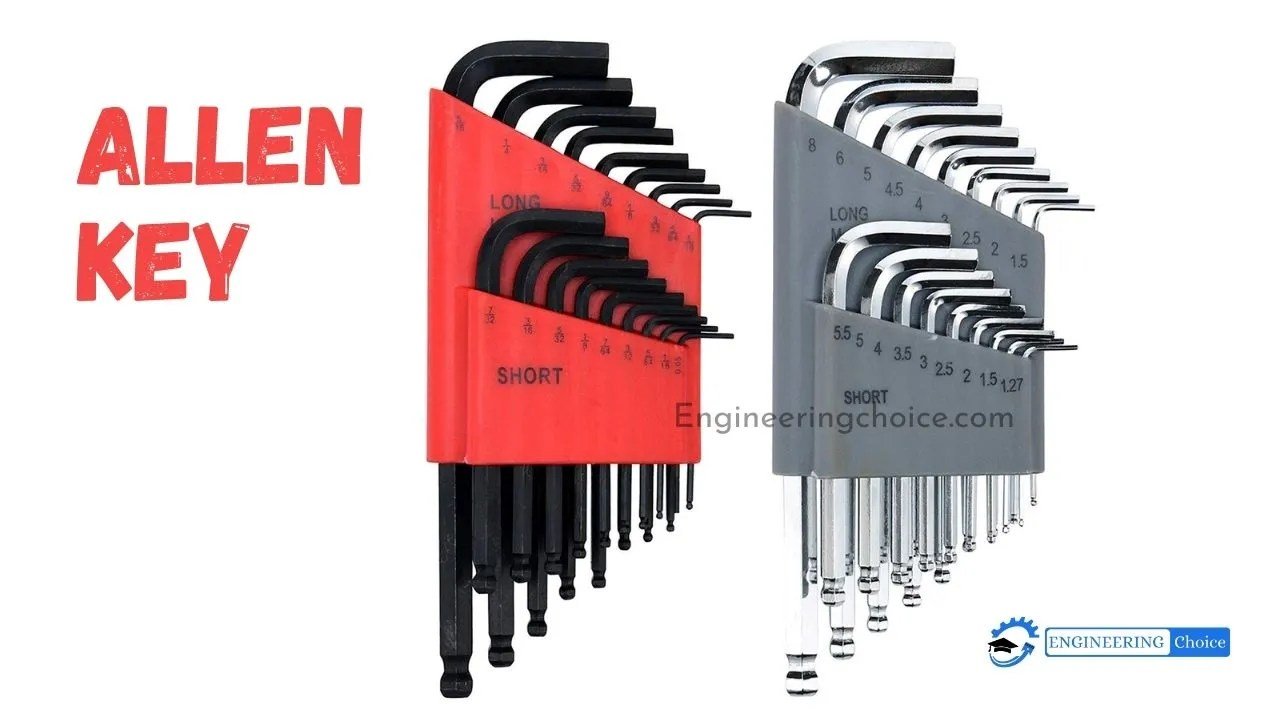
Assembling furniture or fixing gadgets at home often feels like solving a puzzle. You might find yourself staring at an instruction manual, holding a hex key, and wondering where to start.
But don’t worry; you’re not alone. The humble hex key, sometimes called an Allen wrench, is your trusty sidekick in these tasks. It’s small, but mighty, and knowing how to use it effectively can save you time and frustration. In this guide, you’ll discover simple tips that make using a hex key easy, even if you’re not a DIY expert.
Whether you’re tightening a loose chair leg or building a bookshelf from scratch, these tips will empower you to tackle assembly tasks with confidence. Ready to unlock the secrets of the hex key? Let’s dive in!
Choosing The Right Hex Key
Using the correct hex key helps you finish assembly tasks smoothly. Picking the right tool avoids damage and saves time.
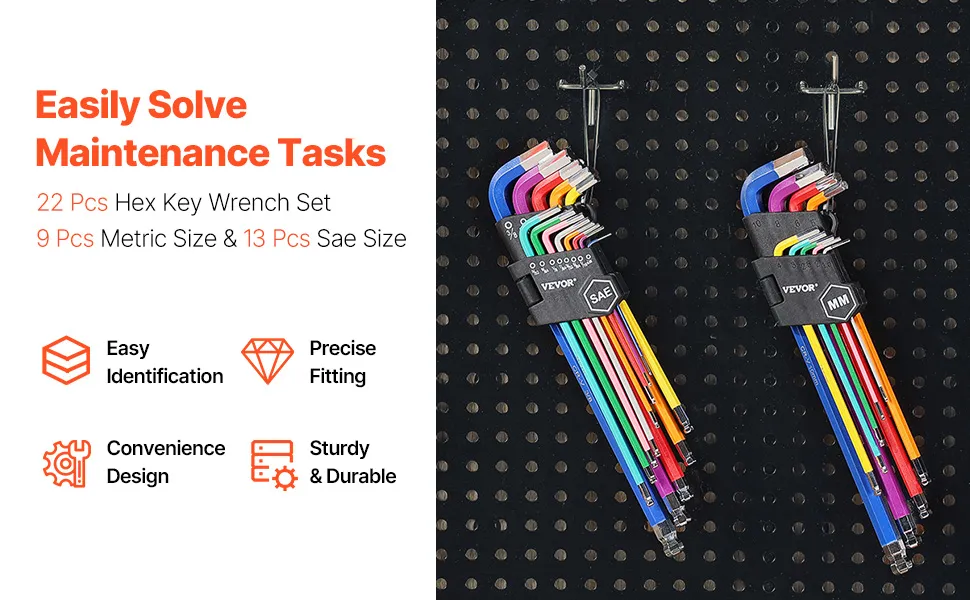
Two main factors matter when choosing a hex key: material and durability, and size and fit. Each affects how well the tool works.
Material And Durability
Hex keys come in various materials. The most common are steel and alloy steel. Good material means the tool lasts longer and resists wear.
- Chrome vanadium steel offers high strength and resists rust.
- Carbon steel is strong but may corrode if not coated.
- Satin finish reduces slipping during use.
- Black oxide coating adds rust resistance and grip.
Size And Fit Importance
Choosing the right size hex key is critical. A poor fit can strip screws or damage the tool.
| Hex Key Size | Common Use | Tip |
| 1.5 mm | Small electronics | Use with care to avoid breakage |
| 3 mm | Furniture assembly | Fits most bolts in flat-pack kits |
| 5 mm | Bicycles and machinery | Good for medium-sized screws |
| 10 mm | Heavy equipment | Requires more force to turn |
Credit: www.vevor.com
Preparing For Assembly
Using a hex key correctly starts before you begin the assembly. Proper preparation helps make the process smooth and safe.
This guide covers cleaning fasteners and organizing tools and parts for better results.
Cleaning The Fasteners
Dirty or rusty fasteners can cause problems during assembly. Clean fasteners ensure a tight fit and prevent damage.
- Wipe fasteners with a dry cloth to remove dust.
- Use a wire brush to clean rust or old paint.
- Apply a light oil coat to metal fasteners to prevent rust.
- Make sure fasteners are dry before use.
Organizing Tools And Parts
Keep tools and parts in order to save time and reduce frustration. A clear workspace helps you find what you need fast.
| Tool or Part | Place to Store | Tip |
| Hex keys | Tool holder or case | Group by size for quick access |
| Screws and bolts | Small containers or trays | Label containers by size and type |
| Washers and nuts | Separate compartments | Keep similar sizes together |
| Assembly instructions | Flat surface or folder | Keep nearby and visible |
Proper Grip Techniques
Using a hex key correctly helps you assemble parts faster and safer. A good grip gives you control and strength.
Learn how to hold the hex key to get the most power and speed for your tasks.
Using The Long Arm For Torque
Hold the hex key by the long arm to get more torque. This grip gives you better leverage to tighten or loosen bolts.
- Place your thumb and fingers around the long arm like a handle.
- Keep your wrist straight to avoid strain.
- Use steady, slow pressure for strong turns.
- Stop if the bolt resists too much to avoid stripping.
Leveraging The Short Arm For Speed
Hold the hex key by the short arm to turn bolts quickly. This grip lets you spin the key faster but with less force.
| Grip Type | Use | Best For |
|---|---|---|
| Long Arm | Hold long arm | More torque, tight bolts |
| Short Arm | Hold short arm | Faster turns, loose bolts |
Avoiding Common Mistakes
Using a hex key can be easy if you avoid certain mistakes. These errors can cause damage or make your work harder.
Read the tips below to use your hex key safely and correctly for assembly tasks.
Preventing Stripping
Stripping happens when the hex key slips inside the screw head. This makes the screw hard to turn or remove.
- Choose the correct hex key size for the screw.
- Insert the hex key fully into the screw head.
- Apply steady pressure straight into the screw while turning.
- Avoid using worn or damaged hex keys.
- Do not force the screw if it feels stuck; try a lubricant.
Maintaining Alignment
Keeping the hex key aligned with the screw helps you turn it smoothly. Misalignment can cause damage and slow your work.
| Alignment Tip | Why It Matters |
| Hold the hex key straight | Prevents slipping and stripping |
| Keep the screw and key axis aligned | Ensures smooth turning |
| Use both hands if needed | Improves control and pressure |
Enhancing Efficiency
Using a hex key for assembly tasks can be quick and easy. The right approach helps save time and effort.
Small tips can improve how smoothly your work goes. This guide covers key ways to boost your efficiency.
Using Hex Key Sets
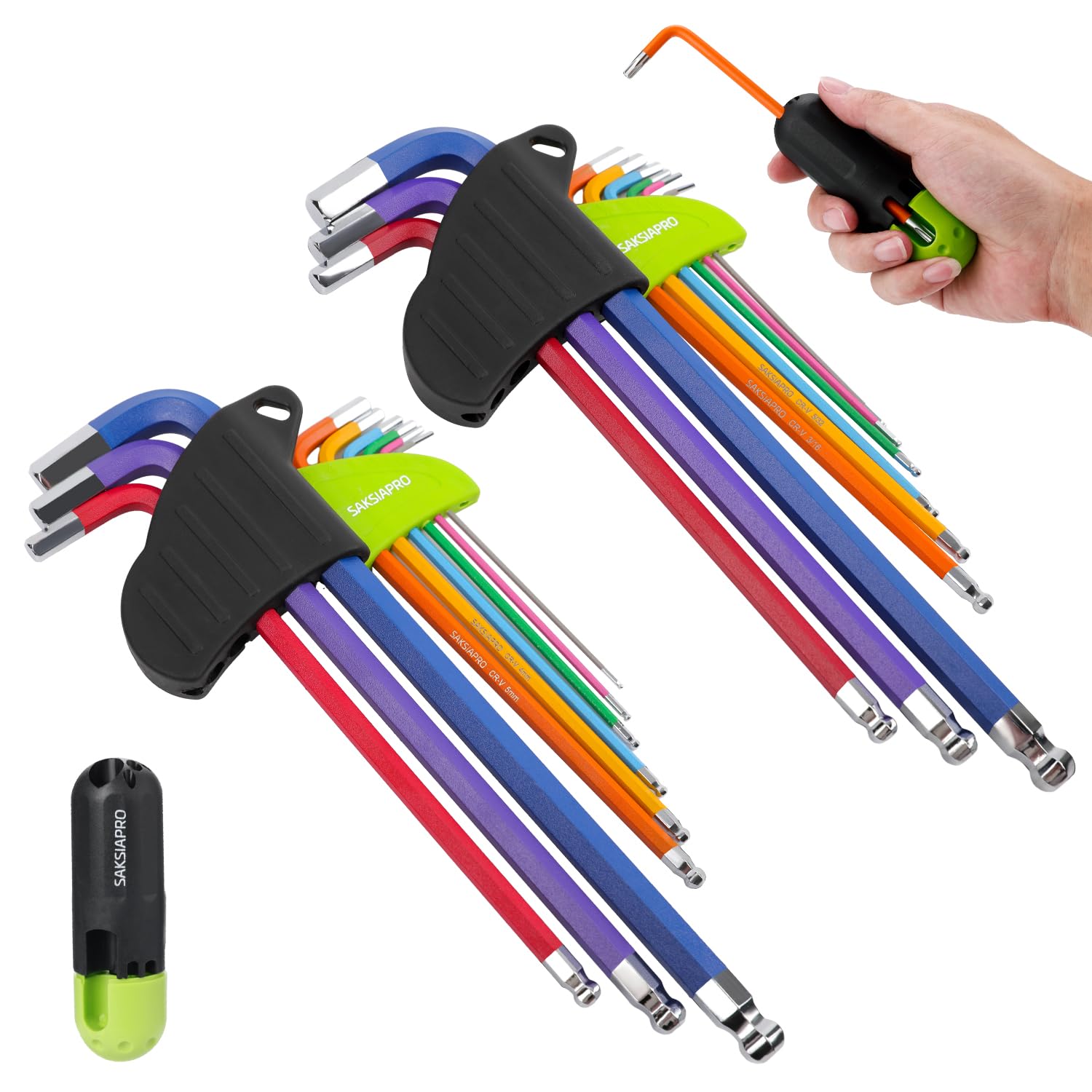
Hex key sets include many sizes in one tool kit. This lets you pick the exact size for each screw.
Using the right size reduces slipping and damage. It also makes turning screws easier and faster.
- Match the hex key size to the screw head
- Keep your keys organized for quick access
- Use longer keys for better leverage
- Store sets in a case to avoid losing pieces
Applying Lubricants
Lubricants help hex keys turn more smoothly in screws. They reduce friction and prevent rust.
Apply a small amount of lubricant before starting your work. This makes assembly faster and less tiring.
- Use light machine oil or silicone spray
- Apply lubricant on screw threads and hex key tips
- Wipe off excess to avoid mess
- Reapply if screws feel stiff during use
Credit: www.amazon.com
Safety Tips
Using a hex key for assembly tasks is common in many projects. Safety should be your top priority to avoid injuries.
Simple safety steps help you work better and finish your project without harm.
Protecting Your Hands
Wear gloves to protect your hands from cuts and scrapes. A hex key can slip and cause injuries.
Keep your hands dry and clean. Wet or oily hands can lose grip and lead to accidents.
- Use gloves made for mechanical work
- Avoid loose clothing that can catch tools
- Keep fingernails trimmed to prevent snags
- Hold the hex key firmly but not too tight
Working In Proper Lighting
Good lighting helps you see the screws and hex key clearly. This reduces mistakes and injuries.
Use bright, focused lights for small assembly parts. Avoid working in dim or shadowed areas.
- Use a desk lamp or portable work light
- Position the light to avoid glare on the work surface
- Check lighting before starting the task
- Take breaks to rest your eyes if needed

Credit: www.amazon.co.uk
Frequently Asked Questions
What Is The Best Hex Key Size For Assembly Tasks?
Choosing the right hex key size depends on the screw head. Match the key exactly to avoid stripping or damage. Common sizes range from 1. 5mm to 10mm for most assembly jobs. Using the correct size ensures efficient and safe tightening or loosening.
How Do I Prevent Hex Key Slipping During Use?
To avoid slipping, insert the hex key fully into the screw head. Apply steady, even pressure while turning. Use keys with a ball end for angled access. Keeping the key clean and free from oil improves grip and control.
Can I Use Any Hex Key Material For Assembly?
Hex keys come in various materials like steel or alloy. Choose high-quality, hardened steel keys for durability and strength. Cheaper materials may bend or wear quickly. A good material choice ensures reliable performance and longer tool life.
How To Maintain A Hex Key For Longevity?
Keep your hex keys clean and dry after use. Store them in a case to prevent rust and damage. Avoid using excessive force that may bend the key. Regular maintenance preserves the tool’s accuracy and extends its lifespan.
Conclusion
Using a hex key makes assembly tasks easier and faster. Keep the tool clean and use the right size for each bolt. Apply steady pressure to avoid slipping or damage. Practice helps you feel more confident and work better. Small tips like these improve your results every time.
Trust the process and take your time. Soon, using a hex key will feel natural and simple. Stay patient and enjoy the progress you make with each project.