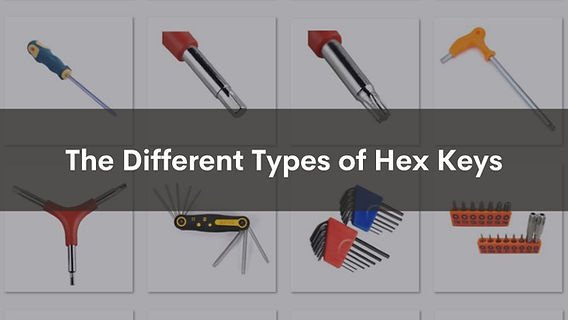
Struggling to reach that stubborn bolt in a cramped corner? You’re not alone.
Hex keys, or Allen wrenches, are essential tools, but using them in tight areas can be frustrating. Whether you’re assembling furniture or working on a DIY project, maneuvering in confined spaces can feel like solving a tricky puzzle. But don’t worry – there’s a solution.
With a few clever tricks and techniques, you can make this task significantly easier. Imagine the satisfaction of tightening that bolt with ease and moving on to the next step of your project. Intrigued? Keep reading to discover simple, effective tips that will transform the way you use a hex key in tight spaces. Your tools and projects will thank you!
Choosing The Right Hex Key
Using a hex key in tight areas can be tricky. Picking the right one helps you work smoothly and avoid damage.
This guide explains how to choose a hex key by looking at its material and size for the best fit.
Material And Durability
Hex keys come in different materials. Choose a strong material to last long and resist bending.
Look for keys made from hardened steel. They stay firm even in tight spaces and heavy use.
- Hardened steel offers high strength
- Chrome-vanadium resists rust and wear
- Black oxide coating improves grip and durability
Size And Fit
Using the right size hex key is very important. A perfect fit prevents slipping and damage.
Choose a key that fits the bolt snugly. Too small or too large keys can cause rounding of the bolt.
- Measure the bolt size before picking the key
- Use a set with many sizes for tight spots
- Longer keys help reach deep or narrow areas

Credit: www.theengineeringchoice.com
Preparing The Workspace
Using a hex key in tight areas can be tricky without the right setup. Preparing your workspace helps you work safely and efficiently.
Clear space and good lighting make it easier to see and reach the screws. These simple steps save time and reduce frustration.
Clearing Obstructions
Remove any tools or objects blocking your access to the work area. Clutter can stop you from moving the hex key freely.
Make sure there is enough room for your hands and the tool to fit comfortably. This helps you turn the hex key without slipping.
- Move loose items away from the workspace
- Keep only the tools you need nearby
- Clear dust or debris around the screw
- Ensure you have space to adjust your grip
Improving Lighting
Good lighting helps you see the screw and hex key clearly. This reduces mistakes and speeds up your work.
Use a bright light source that shines directly on the tight area. Avoid shadows that hide the screw head.
- Use a flashlight or portable lamp
- Try headlamps for hands-free lighting
- Adjust light angle to avoid glare
- Work near a window if possible
Techniques For Tight Spaces
Using a hex key in tight spaces can be tricky. You need the right approach to avoid frustration. These tips help you work smoothly in small areas.
Learn how to use shorter keys, the correct angle, and extension tools. These methods make your task easier and faster.
Using Shorter Keys
Shorter hex keys fit better in cramped spots. They give you more control and reduce the chance of slipping. Keep a set of short keys for these situations.
- Choose a key with a short arm to reach tight bolts.
- Use the short end as the handle for more torque.
- Keep keys clean to avoid damage in small areas.
Applying The Right Angle
Turning a hex key at the right angle helps you avoid stuck positions. You can turn screws even when space is limited.
| Angle | Use |
| 90 degrees | Maximum torque |
| 45 degrees | Better access in narrow spots |
| 30 degrees or less | Reach tight corners |
Leveraging Extension Tools
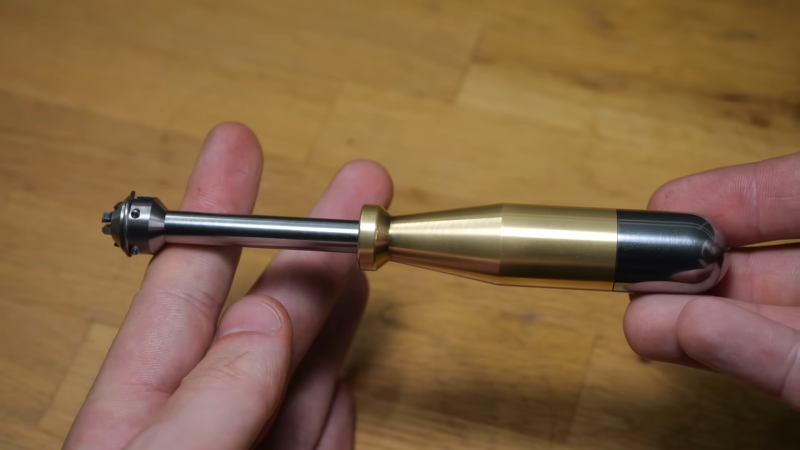
Extension tools help you reach bolts deep inside tight spaces. They add length and improve your grip.
- Use a hex key holder with an extension for deep bolts.
- Try flexible extensions to reach awkward angles.
- Combine extension tools with shorter keys for best results.
Credit: hackaday.com
Enhancing Grip And Control
Using a hex key in tight spaces can be tricky. Good grip and control help you work faster and avoid slips. Simple tools and tips make a big difference.
This guide shows easy ways to improve your hold on a hex key. Focus on two key methods: using gloves and adding grip tape.
Using Gloves
Gloves add extra friction and protect your hands. They help you hold the hex key firmly, especially when space is tight or tools are oily.
- Choose gloves with rubber or textured palms.
- Make sure gloves fit well to avoid slipping.
- Use gloves that allow finger movement for better control.
- Keep gloves clean to maintain grip quality.
Adding Grip Tape
Grip tape can wrap around the hex key handle. It increases thickness and improves hold. This method is cheap and easy to apply.
| Grip Tape Type | Advantages | Usage Tips |
| Cork tape | Soft, comfortable, good grip | Wrap tightly, overlap slightly |
| Rubberized tape | Waterproof, durable, sticky | Clean surface before applying |
| Foam tape | Thick, cushioned, non-slip | Use for larger hex key handles |
Preventing Stripping And Damage
Using a hex key in tight areas can be tricky. You risk stripping the screw or damaging the tool if you do not use it properly. Taking simple precautions helps keep both the screw and hex key in good shape.
Focus on how you insert the hex key and how much force you apply. These steps reduce wear and make your work easier and safer.
Proper Insertion
Always insert the hex key fully into the screw head. Partial insertion increases the chance of slipping and stripping the screw.
- Push the hex key all the way into the screw socket.
- Check that the key fits snugly without wiggle room.
- Avoid using worn or damaged hex keys.
- Make sure the screw head is clean before inserting the key.
Controlled Torque
Use the right amount of force to turn the hex key. Too much torque can strip the screw or break the tool. Control your strength carefully.
| Torque Tip | What to Do |
| Start Slow | Turn the key gently at first to ensure good grip. |
| Use Short Turns | Apply force in short, controlled bursts. |
| Stop If It Feels Loose | Check if the screw or key slips and adjust. |
| Use Tools for Tight Spaces | Use a hex key with a longer arm or a bit holder for better leverage. |
Alternative Tools For Tight Areas
Sometimes a regular hex key cannot fit into a small or crowded space. You need special tools to reach screws in tight spots.
Using the right tool saves time and prevents damage. Here are two useful alternatives to a standard hex key.
Flexible Hex Keys
Flexible hex keys have a bendable shaft. This lets you reach screws at odd angles or behind obstacles.
The flexible part bends without breaking. It makes working in tight spaces easier than with a rigid hex key.
- Good for angled or hard-to-reach screws
- Can bend around corners or obstructions
- Usually made from strong steel with a flexible joint
Ratchet Hex Drivers
Ratchet hex drivers have a handle that spins in one direction. This lets you turn screws quickly in small spaces.
The ratchet mechanism means you don’t need to remove the tool each turn. It saves space and effort in tight areas.
- Works well in narrow spots with limited movement
- Speeds up tightening or loosening screws
- Often comes with interchangeable bits for different sizes
Maintenance Tips For Hex Keys
Hex keys are simple tools used to tighten or loosen screws in tight spaces. Keeping them in good shape helps them last longer.
Regular care improves their performance and prevents damage during use.
Cleaning And Storage
After using a hex key, clean it to remove dirt and grease. Wipe it with a dry cloth or use a mild cleaner if needed.
Store hex keys in a dry place to stop rust. Use a case or holder to keep them organized and easy to find.
- Wipe tools after use
- Use cloth or mild cleaner
- Store in a dry, cool area
- Keep keys in a holder or case
Regular Inspection
Check hex keys often for wear or damage. Bent or worn keys can slip and damage screws.
Replace damaged keys to keep your work safe and easy. Look for rounded edges or cracks.
- Look for bends or cracks
- Check if edges are rounded
- Replace keys if damaged
- Inspect before each use

Credit: www.reddit.com
Frequently Asked Questions
How Do I Use A Hex Key In Tight Spaces?
To use a hex key in tight spaces, choose a short or L-shaped key for better maneuverability. Use a flexible or swivel hex bit if needed. Work slowly to avoid stripping the screw head. Proper lighting helps improve visibility in cramped areas.
What Hex Key Size Fits Tight Areas Best?
Small or compact hex keys work best in tight areas. Using the correct size prevents damaging screws and tools. Consider a foldable or multi-size hex key set for versatility. Always match the hex key size exactly to the screw for a secure fit.
Can I Use A Hex Key With Limited Hand Space?
Yes, use a right-angle or offset hex key for limited hand space. These tools provide better leverage in confined spots. Alternatively, use a hex bit with a ratchet handle for more control and less wrist strain.
How To Avoid Stripping Screws In Tight Areas?
Ensure the hex key fits snugly into the screw head. Apply steady, even pressure without forcing the key. Use a high-quality hex key to prevent slipping. Cleaning the screw head before turning also helps avoid stripping.
Conclusion
Using a hex key in tight spots takes patience and care. Choose the right size to avoid slipping or damage. Keep your hand steady and use slow, small turns. Sometimes, changing the angle helps reach tricky spots. Practice these simple tips to work more easily and safely.
Soon, you will feel more confident handling hex keys in tight spaces. Small efforts make a big difference in your projects. Keep trying, and you will get better each time.