Struggling with hex keys in those annoyingly tight spaces? You’re not alone.
It’s frustrating when you’re trying to fix or assemble something, and the tool simply doesn’t cooperate. But what if you could turn this challenge into a breeze? Imagine effortlessly maneuvering your hex key with confidence and precision, even in the most cramped spots.
This is not just a dream; it’s a skill you can master. In this guide, you’ll discover practical tips to make your hex key your best ally in tight spaces. Ready to transform your toolbox experience? Let’s dive in and unlock the secrets to working smarter, not harder.

Credit: www.theengineeringchoice.com
Choosing The Right Hex Key
Using a hex key in tight spaces can be tricky. Picking the right one makes your work easier and faster.
Focus on the material, size, and type of hex key. These factors affect how well the tool fits and performs.
Material And Quality
Good material means the hex key lasts longer and resists bending. Steel is a strong choice. Look for keys with a protective coating to stop rust.
- Choose hardened steel for strength
- Look for black oxide or chrome finish
- Avoid cheap metals that bend easily
- Check for smooth edges to prevent damage
Size Matters
Select the correct size to fit the bolt or screw head well. A tight fit avoids slipping and damage. Hex keys come in metric and imperial sizes.
| Size Type | Common Sizes | Use |
| Metric | 1.5 mm – 10 mm | European and Asian bolts |
| Imperial | 1/16″ – 3/8″ | US and UK bolts |
Types Of Hex Keys
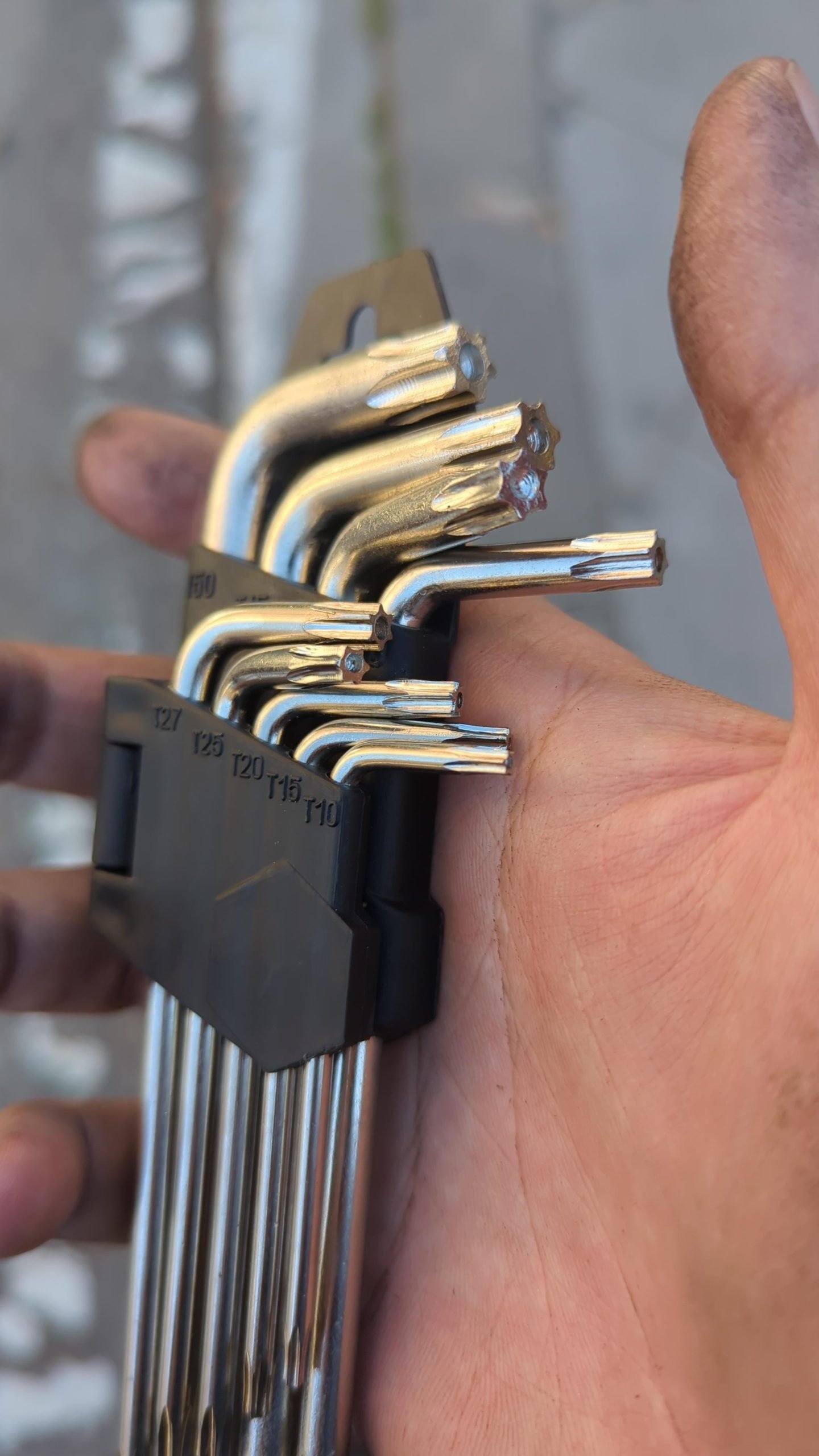
Different types help you reach screws in tight spots. Some have long arms; others have special shapes.
- L-shaped keys: common and easy to use
- T-handle keys: offer better grip and torque
- Ball-end keys: allow turning at an angle
- Fold-up keys: compact and portable

Credit: www.reddit.com
Preparing For Tight Spaces
Using a hex key in tight spaces can be tricky. You need to plan before you start to avoid frustration.
Good preparation helps you work safely and finish the job faster. Keep your tools and work area ready.
Clearing The Work Area
Remove any objects that block your access to the tight space. This gives you room to move and use your tools.
Clear the area to avoid accidents. Small items can get lost or cause injury if the space is cluttered.
- Put away loose tools and parts
- Clean dust and debris from the work spot
- Make sure the floor is free of obstacles
Lighting Tips
Good lighting helps you see the screws and bolts clearly. It reduces mistakes and makes your work easier.
Use a bright, focused light source. A small LED lamp or headlamp works well in tight spaces.
- Position the light to avoid shadows
- Use portable lights to reach dark corners
- Consider a flexible light for adjustable angles
Using Extension Tools
Extension tools help reach screws deep inside tight areas. They give extra length and better control.
Choose extensions that fit your hex key size. This makes turning bolts easier without straining your hands.
- Use a hex key with a long arm or handle
- Attach a flexible extension for angled access
- Try a ratcheting extension for continuous turning
Grip And Handling Techniques
Using a hex key in tight spaces can be tricky. Good grip and handling help you work better and avoid slipping.
These tips will improve your control and make turning screws easier in small areas.
Proper Hand Position
Place your hand close to the bend of the hex key. This gives you more control and power.
Hold the key firmly but do not squeeze too hard. Too much pressure can cause your hand to slip.
Using Both Hands
Use your dominant hand to turn the hex key. Your other hand can steady the tool or the workpiece.
This technique helps keep the key aligned and reduces hand fatigue in tight spots.
- Dominant hand: apply turning force
- Other hand: stabilize the tool or object
- Work slowly to avoid mistakes
Leveraging Angles
Adjust the angle of the hex key to fit the space. Small angle changes can give better access.
Use the short arm of the L-shaped key for more torque. Use the long arm for reaching deep screws.
- Use the short arm for tight turning
- Use the long arm for reach and leverage
- Shift angles carefully to avoid stripping screws
Specialized Tools And Accessories
Using a hex key in tight spaces can be tricky without the right tools. Specialized accessories make the task easier and more efficient.
These tools help you reach screws in narrow spots and keep control while turning. Below are some useful options to consider.
Flexible Hex Keys
Flexible hex keys have a bendable shaft that lets you reach screws at odd angles. They are perfect for tight corners or hard-to-see areas.
- Allow access around obstacles
- Reduce wrist strain by adjusting angles
- Come in various lengths for different jobs
- Made from durable materials for long use
Ratchet Hex Drivers
Ratchet hex drivers speed up work by letting you turn screws without removing the tool. They use a ratcheting mechanism for easy back-and-forth motion.
| Feature | Benefit |
|---|---|
| Ratchet mechanism | Turns screws faster in tight spots |
| Ergonomic handle | Improves grip and comfort |
| Multiple sizes | Fits different hex screw sizes |
| Compact design | Works well in cramped areas |
Magnetic Holders
Magnetic holders keep hex keys attached to screws. This prevents dropping and helps when working in narrow spaces.
Use these tips with magnetic holders:
- Attach the holder firmly to the hex key.
- Bring the hex key close to the screw head.
- Let the magnet hold the screw securely.
- Turn the screw carefully without losing grip.
- Remove the hex key smoothly once done.
Step-by-step Tips For Tight Spaces
Using a hex key in tight spaces can be tricky. You need to work carefully to avoid damage.
Follow these steps to use your hex key safely and effectively in small areas.
Aligning The Hex Key Correctly
Place the hex key straight into the screw head. This helps the key fit well and turn easily.
Make sure the short or long arm of the key fits fully inside the screw to avoid slipping.
- Check the hex key size matches the screw
- Insert the key fully into the screw hole
- Keep the key perpendicular to the screw surface
Applying Controlled Torque
Turn the hex key slowly and with steady force. This prevents sudden slips that can cause injury.
Use your fingers to start turning before applying more strength with your hand or arm.
- Start with gentle pressure to get the screw moving
- Increase force gradually if the screw is tight
- Stop if you feel resistance to avoid damage
Avoiding Stripping
Stripping happens when the hex key slips inside the screw head. This ruins the screw and tool.
Use the right size key and avoid forcing the screw too hard. This keeps the tool and screw safe.
- Match the hex key size exactly to the screw
- Keep the key aligned and fully inserted
- Do not use worn or damaged hex keys
- Apply steady, controlled turning force
Maintenance And Care For Hex Keys
Taking care of your hex keys helps them last longer. Proper maintenance keeps them working well in tight spaces.
Clean and store your hex keys properly. Check them often for damage or wear.
Cleaning After Use
Wipe your hex keys after each use. Remove dirt, grease, and debris to prevent rust.
Use a dry cloth or brush for cleaning. Avoid water if possible to stop corrosion.
Storage Solutions
Store hex keys in a dry place. Keep them organized to find the right size fast.
- Use a tool holder or case
- Keep keys separated by size
- Store away from moisture and dirt
Regular Inspection
Check hex keys regularly for wear or damage. Bent or rounded keys can slip and cause injury.
Replace damaged hex keys to keep your work safe. Regular checks save time and prevent tool failure.

Credit: www.diversitech-global.com
Frequently Asked Questions
What Is The Best Hex Key For Tight Spaces?
A short L-shaped hex key is ideal for tight spaces. It offers better maneuverability and control in confined areas. Choose one with a ball end for angled access. High-quality steel ensures durability and prevents stripping. This combination optimizes ease and efficiency.
How Can I Improve Grip Using A Hex Key?
Use a hex key with a textured or rubberized handle for better grip. Clean the key and screw to avoid slipping. Apply steady, even pressure and avoid over-tightening. Wearing gloves can also enhance grip and comfort during use.
Can I Use A Hex Key In Angled Or Awkward Positions?
Yes, ball-end hex keys allow turning screws at angles up to 25 degrees. This feature helps reach fasteners in awkward or tight spots. Choose a set with multiple sizes for versatility. It makes working in confined spaces much easier and efficient.
How Do I Prevent Hex Key Slipping In Tight Spaces?
Ensure the hex key fits snugly in the screw head. Clean any debris or rust before use. Use a quality hex key made from hardened steel. Applying a little lubricant can also reduce friction and slipping during operation.
Conclusion
Using a hex key in tight spaces can be tricky but doable. Choose the right size and shape for better grip. Keep your movements slow and steady to avoid stripping screws. Use extensions or adapters when space is very limited.
Practice helps you get comfortable with tricky angles. Small tips make a big difference in tight spots. Keep these simple strategies in mind for your next project. You’ll find working in small spaces less frustrating and more effective.