If you’ve ever picked up a jigsaw, you know it’s a powerful tool—but using it well takes more than just pressing the trigger. Imagine cutting through wood or metal smoothly and precisely, without frustration or wasted material.
You want your projects to look professional and your work to feel easier. That’s exactly what these tips will help you achieve. Keep reading, and you’ll discover simple ways to get the most out of your jigsaw every time you use it.
Your next project will thank you.
Choosing The Right Jigsaw
Using a jigsaw makes cutting wood and other materials easier. Picking the right jigsaw helps you work better and safer.
Different jigsaws have features that suit various projects. Know your options before buying or using one.
Types Of Jigsaws
There are many jigsaw types. Each type fits certain tasks and skill levels. Choose the one that works for you.
- corded jigsaws need power outlets but run continuously
- battery-powered jigsaws offer freedom to move but run limited time
- orbital jigsaws cut faster with a small forward and backward blade motion
- standard jigsaws cut straight but slower than orbital models
Selecting The Best Blade
The blade affects how well the jigsaw cuts. Pick blades based on the material and cut type.
Blades come in many shapes and sizes. Matching the blade to your project saves time and makes clean cuts.
| Blade Type | Material | Cut Type |
|---|---|---|
| High Carbon Steel | Wood, soft plastics | Smooth, straight cuts |
| Bimetal | Metal and wood | Durable, versatile cuts |
| Tungsten Carbide | Hard materials, ceramics | Precise, clean cuts |
| Fine-Toothed | Thin wood, metal | Detailed, clean cuts |
| Coarse-Toothed | Thick wood, soft material | Fast, rough cuts |
Preparing Your Workspace
Setting up your workspace before using a jigsaw makes your work easier and safer.
A clean and organized area helps you focus and avoid accidents while cutting.
Securing The Material
Keep your material stable to get accurate cuts and prevent injuries.
- Use clamps to hold the material firmly on the workbench
- Check that the material does not move before starting the jigsaw
- Avoid holding the material by hand while cutting
- Place scrap wood under the material to protect your work surface
Setting Up Proper Lighting
Good lighting helps you see cutting lines clearly and work safely.
| Lighting Type | Benefit |
| Natural daylight | Bright and even light |
| Adjustable desk lamp | Focus light exactly where needed |
| Overhead LED lights | Reduce shadows on work area |
Adjusting Jigsaw Settings
Using a jigsaw correctly helps you cut materials smoothly. Adjusting the settings lets you control the tool better.
Different materials and cuts need different settings. Changing speed and motion improves your results.
Speed Control Tips
Set the jigsaw speed based on the material you cut. Slow speed works best for hard materials.
Fast speed is good for soft or thin materials. It helps you cut quickly without damaging the blade.
- Use low speed for metal or thick wood
- Use medium speed for plywood or plastic
- Use high speed for thin wood or soft materials
- Start slow and increase speed if needed
Orbital Action Benefits
Orbital action moves the blade in a small forward and backward motion. This helps cut faster on soft materials.
It reduces friction and makes the blade last longer. You can turn it off for clean, smooth cuts on delicate materials.
- Use orbital action for fast, rough cuts
- Turn it off for precise or curved cuts
- Orbital action works well on wood and plastic
- Adjust the setting based on your cut type

Credit: www.youtube.com
Mastering Cutting Techniques
Using a jigsaw well makes your projects look clean and professional. Learning cutting techniques helps you work faster and safer.
This guide covers straight cuts, curved cuts, and bevel or angle cuts. Each type needs a different approach.
Straight Cuts
Straight cuts are the most common. Hold the jigsaw steady and guide it along a marked line.
Use a straight edge or guide to keep the cut precise. Keep the speed steady to avoid rough edges.
- Mark the cut line clearly
- Clamp a straight edge to guide the blade
- Keep the jigsaw base flat on the surface
- Cut slowly for smooth edges
Curved Cuts
Curved cuts need more control and slower speed. Follow the line carefully to avoid mistakes.
Use a narrow blade for tight curves. Let the blade do the work without forcing it.
- Draw the curve clearly before cutting
- Choose a blade with fine teeth
- Move the jigsaw slowly along the curve
- Keep your hand steady and support the material
Bevel And Angle Cuts
Bevel and angle cuts add style to your project. Tilt the jigsaw base to the needed angle before cutting.
Check the angle setting on your jigsaw. Cut slowly and keep the tool steady for a clean bevel.
- Set the jigsaw base to the correct angle
- Secure the material firmly
- Start the cut slowly to avoid slipping
- Keep a steady hand throughout the cut
Maintaining Safety While Cutting
Using a jigsaw needs care to avoid injuries. Always focus on safety before and during cutting.
Knowing how to protect yourself helps you work better and finish jobs without harm.
Protective Gear Essentials
Wearing the right protective gear is key to staying safe with a jigsaw. It guards your eyes, ears, and hands.
- Use safety goggles to shield your eyes from dust and wood chips.
- Wear earplugs or earmuffs to protect your hearing from loud noise.
- Put on gloves to prevent cuts and improve grip on the tool.
- Choose a dust mask to avoid inhaling fine particles during cutting.
Safe Handling Practices
Handle the jigsaw with care to keep control and avoid accidents. Follow these tips for safe use.
| Practice | Why It Matters |
| Hold the jigsaw firmly with both hands | Prevents slipping and keeps the cut straight |
| Keep fingers away from the blade | Reduces risk of cuts and injuries |
| Make sure the workpiece is secure | Stops movement that could cause mistakes |
| Disconnect power before changing blades | Prevents accidental starts |
| Cut at a steady, controlled speed | Avoids binding and kickback |

Credit: onevantool.com
Troubleshooting Common Issues
Using a jigsaw can be tricky if problems occur during cutting. Knowing how to fix common issues saves time and improves results.
This guide covers two frequent problems: blade drift and burn marks. Learn simple tips to handle them effectively.
Dealing With Blade Drift
Blade drift happens when the saw blade moves away from the cut line. This can ruin your project and waste material.
- Check that the blade is sharp and not bent.
- Use the correct blade type for your material.
- Hold the jigsaw firmly and guide it slowly along the cut line.
- Keep the base plate flat against the surface to stabilize the saw.
- Adjust blade speed if your jigsaw has this option.
- Support the material properly to avoid movement during cutting.
Avoiding Burn Marks
Burn marks appear when the blade moves too slowly or the blade is dull. This causes heat build-up on the material.
| Cause | How to Fix |
| Dull blade | Replace or sharpen the blade before cutting |
| Cutting too slowly | Increase cutting speed slightly to reduce heat |
| Using wrong blade for material | Choose a blade designed for the specific material |
| Poor blade cooling | Make intermittent cuts to let blade cool down |
Caring For Your Jigsaw
Taking care of your jigsaw keeps it working well for a long time. Simple steps can protect its parts and improve safety.
Regular care helps the jigsaw cut smoothly and prevents damage or accidents.
Blade Replacement Tips
Change the blade when it becomes dull or bent. Using a sharp blade makes cutting easier and safer.
- Turn off and unplug the jigsaw before replacing the blade.
- Use the correct blade type for your cutting material.
- Follow the manufacturer’s instructions to release and secure the blade.
- Check the blade is tight before starting the tool.
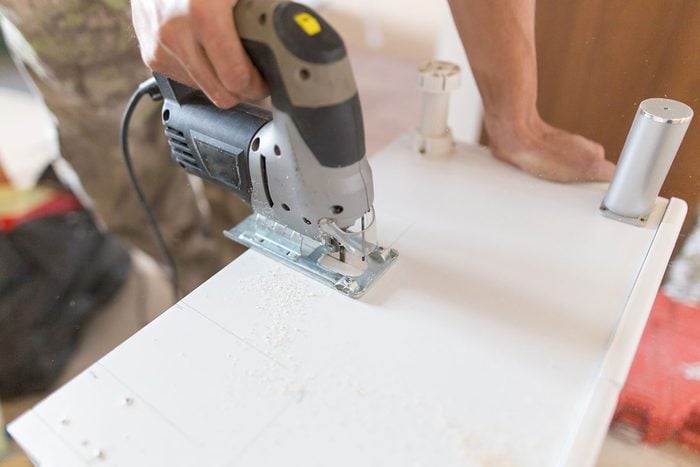
Regular Maintenance Routines
Keep your jigsaw clean and check it often. This helps avoid problems and keeps it safe to use.
| Maintenance Task | How Often | Details |
| Clean Dust and Debris | After Each Use | Use a brush or air blower to clear the vents and blade area. |
| Check Power Cord | Monthly | Look for cuts or damage to avoid electric hazards. |
| Lubricate Moving Parts | Every 3 Months | Apply light oil to the blade holder and guide roller. |
| Inspect Screws and Bolts | Monthly | Tighten any loose parts to ensure stability. |
Credit: www.familyhandyman.com
Frequently Asked Questions
What Safety Gear Is Essential When Using A Jigsaw?
Always wear safety goggles, ear protection, and gloves. These protect your eyes from debris, ears from noise, and hands from cuts. Ensure your workspace is well-lit and clear to avoid accidents. Safety is crucial for effective and injury-free jigsaw use.
How Do I Choose The Right Blade For A Jigsaw?
Select blades based on material type and cut style. Use fine-toothed blades for metal, coarse ones for wood. Always match blade size to your jigsaw model. Proper blade choice ensures cleaner cuts and extends blade life.
What Techniques Improve Precision When Using A Jigsaw?
Secure the material firmly and use steady, controlled movements. Follow marked lines closely and maintain a consistent speed. Avoid forcing the blade to prevent jagged edges. These techniques enhance cutting accuracy and finish quality.
How Can I Prevent Blade Bending Or Breaking?
Use the correct blade for your material and avoid excessive pressure. Let the blade do the cutting at its own pace. Regularly inspect blades for wear and replace them when dull. Proper use extends blade life and improves safety.
Conclusion
Using a jigsaw effectively requires practice and patience. Start slow. Focus on safety. Wear safety goggles and gloves. Keep your work area clean. Always maintain a firm grip on the jigsaw. Choose the right blade for each material. This ensures smooth and accurate cuts.
Watch your speed. Adjust settings based on material thickness. Remember, practice builds confidence and skill. With these tips, cutting projects become easier. Enjoy the process. You’ll get better with each cut. Happy sawing!