If you’re working with soft wood, using the right tool can make all the difference. A mallet is perfect for this job, but only if you know how to use it correctly.
Without the right technique, you could damage your wood or make your project harder than it needs to be. You’ll discover simple, effective tips to help you use a mallet on soft wood like a pro. Keep reading to protect your wood, improve your skills, and get better results every time.
Credit: www.lorddecor.com
Choosing The Right Mallet
Using a mallet on soft wood needs care and the right tool. The wrong mallet can damage the wood or make work harder.
This guide helps you pick the best mallet for soft wood projects. Learn about types, materials, and size choices.
Types Of Mallets For Soft Wood
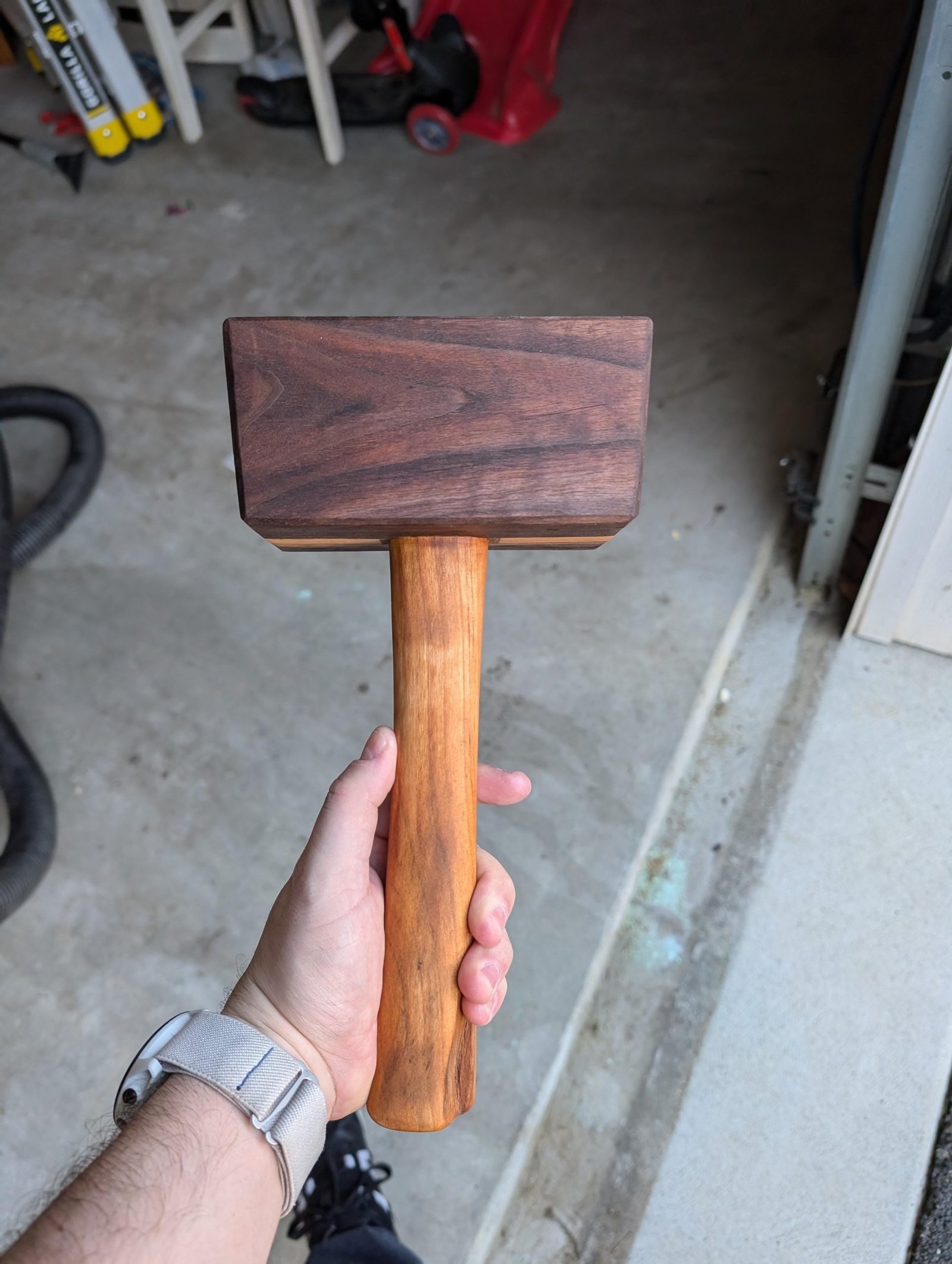
Soft wood needs gentle force. Rubber and wooden mallets work best. They reduce dents and marks.
- Rubber mallets give soft, even hits
- Wooden mallets are traditional and gentle
- Plastic mallets are light and easy to handle
- Metal mallets can damage soft wood and are not recommended
Material Considerations
Pick mallet materials that protect soft wood and last long. Look for durability and shock absorption.
| Material | Benefits | Drawbacks |
| Rubber | Soft impact, protects wood | Wears down with heavy use |
| Wood | Traditional, gentle on wood | Can dent if too hard |
| Plastic | Lightweight, easy to use | Less durable over time |
| Metal | Very durable | Too hard for soft wood, causes damage |
Size And Weight Factors
The mallet should feel balanced in your hand. Size and weight affect control and force.
- Heavier mallets give stronger hits but tire your hand faster
- Lighter mallets offer better control and less damage risk
- Choose a size that fits your hand comfortably
- Longer handles increase leverage but reduce precision

Credit: www.reddit.com
Preparing Soft Wood For Mallet Use
Using a mallet on soft wood needs careful preparation. Soft wood can dent or split easily.
Getting the wood ready helps you work safely and avoid damage. Follow simple steps before you start.
Surface Inspection And Cleaning
Check the wood surface carefully for cracks, knots, or dirt. These can cause problems when hitting with a mallet.
Clean the wood with a soft brush or cloth. Remove dust and debris so the mallet hits a smooth surface.
- Look for any splits or weak spots
- Remove nails or staples if present
- Brush off sawdust and dirt
- Wipe with a dry cloth for a clean finish
Marking And Securing The Wood
Mark your cutting or joining lines clearly with a pencil. This helps guide your work with the mallet.
Hold the wood firmly in place before you start. Use clamps or a stable surface to keep it from moving.
- Draw clear lines for accuracy
- Use clamps to secure the wood
- Place wood on a flat, stable base
- Check that wood does not wobble
Avoiding Damage Before Work
Soft wood can dent or crack if you hit too hard. Use a mallet with a gentle but firm touch.
Protect the wood by adding a scrap piece under the work area. This spreads the force and prevents marks.
- Do not strike the wood with too much force
- Use a wooden or rubber mallet, not metal
- Place scrap wood under soft wood for support
- Work slowly and control your hits
Proper Mallet Techniques
Using a mallet on soft wood needs care to avoid damage. Good techniques help you control the tool and protect the wood.
This guide covers how to hold the mallet, control your force, and choose the right angle for the best results.
Grip And Swing Methods
Hold the mallet handle firmly but not too tight. Your grip should let your wrist move freely for smooth swings.
- Place your dominant hand near the end of the handle
- Use your other hand to guide the mallet if needed
- Swing with a controlled wrist motion, not just your arm
- Keep your movements steady and avoid sudden jerks
Controlling Force And Impact
Soft wood can dent or split easily. Use gentle taps at first, then increase force slowly if needed.
| Force Level | When to Use | Effect on Soft Wood |
|---|---|---|
| Light | Starting the work and delicate tasks | Prevents dents and splits |
| Medium | Driving chisels or shaping wood gently | Good balance of control and power |
| Hard | Only for tough areas or resistant wood | Risks damaging soft wood |
Angle And Direction Tips
Hit the wood at the right angle to guide the mallet’s force. Aim straight for even impact and less damage.
- Hold the mallet so the face hits flat on the surface
- Avoid glancing blows that can cause splinters
- Adjust your angle slightly to match the wood grain
- Use direction to guide the wood piece or tool precisely

Credit: www.reddit.com
Preventing Damage To Soft Wood
Soft wood is easy to dent and mark if you use tools carelessly. Using a mallet on soft wood needs care to avoid damage.
Taking simple steps can protect the wood surface while still letting you work well with your mallet.
Using Protective Pads
Place protective pads between the mallet and the wood to soften the impact. This helps stop dents and marks.
Materials like leather, rubber, or felt work well as pads. They absorb some force and spread it out evenly.
- Cut the pad to fit the mallet face
- Attach with glue or tape
- Replace pads when worn out
Adjusting Striking Points
Hit the wood gently and avoid hard, direct blows. Use the edges of the mallet face to reduce pressure.
Try to strike on thicker parts of the wood to lower the chance of dents and cracks.
- Tap lightly, then increase force slowly
- Aim for flat, sturdy areas on the wood
- Use multiple small hits instead of one strong hit
Regular Tool Maintenance
Keep your mallet clean and smooth. Rough or damaged faces can hurt soft wood more easily.
Check your mallet often and fix any cracks or splinters. A well-kept mallet protects your wood better.
- Clean the mallet face after each use
- Sand rough spots gently
- Replace or repair damaged mallets
Common Mistakes To Avoid
Using a mallet on soft wood needs care and attention. Many people make simple errors that damage the wood. Avoiding these mistakes helps keep your wood smooth and strong.
Below are common mistakes to watch out for when using a mallet on soft wood. Learn these tips to protect your project and get better results.
Over-hitting The Wood
Striking the wood too hard can cause dents and splits. Soft wood is delicate and does not take strong hits well. Light, controlled taps work much better.
- Use gentle taps instead of heavy hits.
- Check your mallet grip to avoid extra force.
- Pause between hits to see if the wood moves.
- Stop if the wood shows signs of damage.
Using The Wrong Mallet Type
Choosing the wrong mallet can harm soft wood. Hard mallets cause marks and cracks. Rubber or rawhide mallets protect wood better.
| Mallet Type | Best Use | Effect on Soft Wood |
| Wooden Mallet | General woodworking | Gentle but can dent if heavy |
| Rubber Mallet | Soft wood and delicate tasks | Protects surface from damage |
| Metal Hammer | Hard materials only | Can split or mark soft wood |
| Rawhide Mallet | Fine woodworking | Soft impact, preserves wood |
Ignoring Wood Grain Direction
Hammering against the wood grain can cause tearing. Always strike in line with the grain for clean results. This helps keep the wood strong and smooth.
Tips to work with the grain:
- Look closely to find the grain direction.
- Hold the mallet to follow the grain path.
- Avoid hitting across the grain to prevent splintering.
- Practice on scrap wood to see how grain affects impact.
Maintenance And Care For Mallets
Using a mallet on soft wood needs care to keep it in good shape. Proper maintenance helps the mallet last longer.
Taking time to clean and store your mallet right keeps it ready for your next project.
Cleaning And Storage
After using your mallet, wipe off any dirt or wood dust. Use a soft cloth to clean the head and handle.
Store the mallet in a dry place. Avoid leaving it in damp areas to stop the wood from swelling or cracking.
- Remove dirt and dust after each use
- Use a dry cloth for cleaning
- Keep mallet away from moisture
- Store in a cool, dry spot
Repairing Wear And Tear
Soft wood mallets may get dents or cracks with use. Fix small damage early to avoid bigger problems.
Smooth out dents with fine sandpaper. For cracks, use wood glue and clamp the mallet until dry.
- Sand dents gently to smooth surface
- Apply wood glue to cracks
- Clamp mallet tightly after glue
- Let repair dry before use
Extending Mallet Lifespan
Use your mallet on soft wood only. Hard surfaces can damage it quickly.
Rotate the mallet head during use. This spreads out wear and keeps it balanced longer.
- Use mallet on soft wood only
- Rotate mallet head regularly
- Keep mallet clean and dry
- Fix damage as soon as it appears
Frequently Asked Questions
What Type Of Mallet Is Best For Soft Wood?
A rubber or wooden mallet is ideal for soft wood. These mallets prevent dents and splinters while providing controlled force. Avoid metal hammers as they can damage the wood surface. Soft mallets help maintain the wood’s integrity during woodworking projects.
How To Avoid Damaging Soft Wood With A Mallet?
Always use gentle, controlled strikes with the mallet. Avoid excessive force, which can cause dents or cracks. Position the mallet flat on the wood surface to distribute impact evenly. Using a protective block between the mallet and wood also prevents damage.
Can I Use A Mallet For Carving Soft Wood?
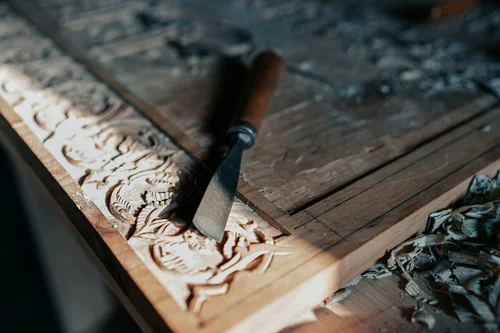
Yes, a mallet is useful for carving soft wood when paired with chisels. It offers controlled force to shape the wood without cracking it. Use light taps to avoid overcutting or splitting the wood fibers during carving.
Why Is A Mallet Preferred Over A Hammer On Soft Wood?
A mallet delivers softer, less damaging blows compared to a metal hammer. It reduces the risk of surface dents and wood splitting. Mallets provide better control and precision, making them perfect for delicate soft wood tasks.
Conclusion
Using a mallet on soft wood requires care and precision. Always ensure your mallet is the right weight. Lighter mallets reduce the risk of damage. Grip the handle firmly to maintain control. Aim accurately to avoid unnecessary dents. Practice makes perfect, so work slowly at first.
Over time, you’ll gain confidence and skill. Remember to check your workspace for stability. A steady surface helps in achieving better results. Keep these tips in mind for smoother woodworking. Enjoy crafting with confidence and ease.