Are you ready to tackle your next DIY project with precision and ease? Using a miter saw can make your woodworking tasks a breeze, but safety should always come first.
Imagine the satisfaction of crafting perfect cuts without the worry of accidents. In this guide, you’ll discover essential tips that not only keep you safe but also enhance your cutting skills. By the end, you’ll feel more confident and capable, transforming your projects into masterpieces.
Dive in to learn how to protect yourself while achieving professional results every time you power up your miter saw.
Choosing The Right Miter Saw
Picking the right miter saw helps you work safely and get clean cuts. It saves time and avoids mistakes.
Think about the kind of projects and materials you will cut. This guides your choice well.
Types Of Miter Saws
Miter saws come in different types for various jobs. Each type offers unique features.
- Standard Miter Saw:Cuts at different angles. Best for simple wood cuts.
- Compound Miter Saw:Tilts to cut bevels and angles. Good for crown molding.
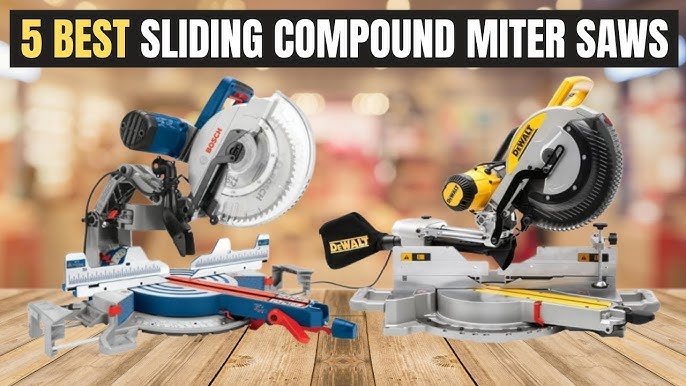
- Sliding Compound Miter Saw:Has a sliding arm. Cuts wider boards easily.
- Laser Miter Saw:Uses a laser guide to improve cutting accuracy.
Features To Consider
| Feature | Why It Matters |
| Blade Size | Bigger blades cut thicker materials but are heavier. |
| Cutting Capacity | Check max width and thickness to match your work. |
| Bevel and Miter Range | More range means more cutting angles and shapes. |
| Safety Features | Look for blade guards and electric brakes to avoid accidents. |
| Dust Collection | Keeps your workspace clean and improves visibility. |
| Portability | Lighter saws are easier to move to different job sites. |
Preparing Your Workspace
Setting up your workspace before using a miter saw is important for safety. A clean and organized area helps you work better and avoid accidents.
Pay attention to your surroundings and the lighting. Good ventilation keeps the air fresh and reduces dust buildup.
Clearing The Area
Remove all tools and materials that you do not need. Keep the floor free of scraps and cords to prevent tripping.
- Clear sawdust and debris regularly
- Keep extension cords organized and out of walking paths
- Store unused tools away from the saw
- Make space for wood pieces to rest before and after cutting
Proper Lighting And Ventilation
Use bright lights focused on your cutting area. Good lighting helps you see the blade and the wood clearly.
| Lighting Tip | Use LED or daylight bulbs for clear visibility. |
| Ventilation Tip | Open windows or use fans to reduce dust and fumes. |
| Safety Tip | Keep your workspace free from smoke or strong odors. |
Personal Protective Equipment
Using a miter saw can be dangerous without the right safety gear. Personal protective equipment helps protect your body from flying debris and loud noises.
Wearing proper equipment reduces the risk of injuries. Focus on protecting your eyes, ears, hands, and lungs while cutting.
Eye And Ear Protection
Always wear safety glasses or goggles to shield your eyes. The saw produces wood chips and dust that can cause eye injuries.
- Use impact-resistant safety glasses
- Wear earplugs or earmuffs to protect hearing
- Choose gear that fits comfortably
- Replace damaged or scratched lenses
Gloves And Dust Masks
Gloves protect your hands from splinters and cuts. Dust masks stop you from breathing harmful sawdust.
| Equipment | Purpose | Tips |
| Gloves | Protect hands from cuts | Use snug-fitting gloves for control |
| Dust Mask | Filter airborne dust | Choose masks rated N95 or higher |

Credit: gemma-global.com
Safe Handling Techniques
Using a miter saw requires careful attention to handling. Safety is key to avoid injuries. Follow simple rules to work smart and safe.
This guide covers how to hold the saw and how to keep your workpiece steady. These tips help you cut with control and reduce risks.
Correct Grip And Stance
Hold the saw handle firmly but do not squeeze too hard. Your grip should give you control without causing strain. Keep your fingers clear of the blade path.
- Stand with feet shoulder-width apart for balance
- Keep your body slightly to the side, not directly behind the blade
- Use your dominant hand to operate the saw
- Keep your other hand on the workpiece or support
- Maintain a steady, comfortable posture
Securing The Workpiece
Always fix the wood or material firmly before cutting. This stops the workpiece from moving and causing kickback. Use clamps or a vise when possible.
| Method | Benefit |
| Using clamps | Holds workpiece steady and safe |
| Holding with non-cutting hand | Supports material but keep fingers safe |
| Using a workbench | Provides a stable surface to cut on |
| Checking tightness before cutting | Prevents sudden movement during the cut |
Operating The Miter Saw
Using a miter saw safely is important to avoid injuries. You must know how to start, stop, and make precise cuts. This guide will help you operate the saw with care and accuracy.
Starting And Stopping The Saw
Before turning on the saw, check that the blade guard moves freely. Hold the saw handle firmly and keep your hands away from the blade path. Always start the saw before lowering it onto the material.
- Wear safety glasses and hearing protection.
- Make sure the workpiece is secure on the saw base.
- Press the power switch to start the blade spinning.
- Lower the blade slowly onto the material to cut.
- Release the trigger to stop the blade after cutting.
- Wait for the blade to stop completely before lifting it.
Making Accurate Cuts
Measure your material carefully before cutting. Set the saw angle and bevel to the correct positions. Keep the material pressed firmly against the fence for a straight cut.
| Tip | Why It Matters |
|---|---|
| Use a sharp blade | Ensures clean cuts and reduces kickback |
| Check angles twice | Prevents mistakes and wasted material |
| Hold material firmly | Keeps it stable for accurate cuts |
| Cut slowly and steadily | Improves control and safety |

Credit: gemma-global.com
Maintenance And Inspection
Keeping your miter saw in good shape helps it work safely and well. Regular checks and cleaning reduce risks of accidents.
Focus on the blade and safety features to spot problems early. Proper care extends the tool’s life and protects you.
Blade Care
Inspect the blade before each use. Look for cracks, chips, or dull teeth. A sharp blade cuts cleaner and safer.
- Clean the blade to remove resin and pitch buildup.
- Use a soft brush and mild cleaner for cleaning.
- Replace blades that show damage or dullness.
- Store blades in a dry place to avoid rust.
- Balance the blade properly to reduce vibration.
Checking Safety Features
Safety features protect you from harm. Check these parts regularly to make sure they work right.
| Safety Feature | What to Check | How to Check |
| Blade Guard | Moves freely, no cracks | Manually lift and lower guard |
| Electric Brake | Stops blade quickly | Turn off saw and watch blade stop |
| Trigger Lock | Engages and disengages | Press and release trigger lock |
| Power Cord | No cuts or frays | Inspect cord fully from plug to saw |
Common Mistakes To Avoid
Using a miter saw safely is very important to prevent injuries. Many accidents happen because of simple mistakes. Knowing what to avoid helps you work better and safer.
This guide covers common errors when using a miter saw. Avoiding these mistakes keeps your cuts clean and protects your hands and fingers.
Rushing The Cut
Cutting too fast can cause the saw blade to bind or kick back. This is dangerous and can ruin your workpiece. Take your time to make steady, controlled cuts.
Slow cutting helps the blade stay sharp longer and gives you better control. Never force the saw to cut faster than it can handle.
- Wait for the blade to reach full speed before cutting
- Use steady pressure, not force
- Keep hands clear of the cutting path
- Stop and adjust if the blade slows or stalls
Ignoring Safety Guards
Safety guards protect you from the spinning blade. Removing or ignoring them puts you at risk of serious cuts. Always keep the guards in place and working properly.
Check the guards before each use. Do not bypass safety features to speed up work. The small time saved is not worth the risk.
- Never remove blade guards
- Keep guards clean and free of dust
- Make sure guards move freely when the saw operates
- Replace damaged guards immediately

Credit: gemma-global.com
Emergency Procedures
Knowing what to do in an emergency keeps you safe when using a miter saw. Quick actions can reduce injury and stop damage.
Always be ready with a plan if accidents happen. This guide covers how to handle accidents and basic first aid tips.
Handling Accidents
If an accident happens, stop using the saw right away. Turn off the power and move away from the tool.
- Check the injured person’s condition carefully.
- Call emergency services if the injury is serious.
- Do not move someone who is badly hurt unless they are in danger.
- Use a clean cloth to cover wounds and control bleeding.
- Keep the injured person calm and still until help arrives.
First Aid Tips
Basic first aid can help reduce pain and prevent infection after a cut or scrape.
| Injury Type | First Aid Steps |
|---|---|
| Minor cuts | Wash with clean water, apply antibiotic cream, cover with a bandage. |
| Deep cuts | Apply pressure to stop bleeding, seek medical help immediately. |
| Burns | Cool the burn with running water for 10 minutes, cover loosely with sterile cloth. |
| Eye injury | Rinse with clean water and avoid rubbing; get medical help quickly. |
Frequently Asked Questions
How Can I Ensure Safety When Using A Miter Saw?
Always wear safety goggles and ear protection. Keep hands away from the blade. Use clamps to secure the material. Follow the manufacturer’s instructions carefully to avoid accidents.
What Are Common Hazards With Miter Saws?
Common hazards include kickback, blade contact, and flying debris. Proper use and safety gear can minimize these risks effectively.
How Do I Maintain My Miter Saw For Safety?
Regularly clean the saw and check blade sharpness. Inspect electrical cords and replace damaged parts immediately. Proper maintenance ensures safe and accurate cuts.
Can I Use A Miter Saw Without Experience Safely?
Begin with basic cuts under supervision. Read the manual thoroughly. Practice safety protocols strictly before attempting complex tasks.
Conclusion
Using a miter saw safely keeps your work smooth and injury-free. Always wear protective gear and check the saw before use. Keep your hands away from the blade and use clamps to hold materials. Take your time and focus on each cut.
Practice these tips daily to build good habits. Safe work means better results and less risk. Remember, safety first makes every project easier and more enjoyable. Stay alert and respect the tool’s power every time you cut.