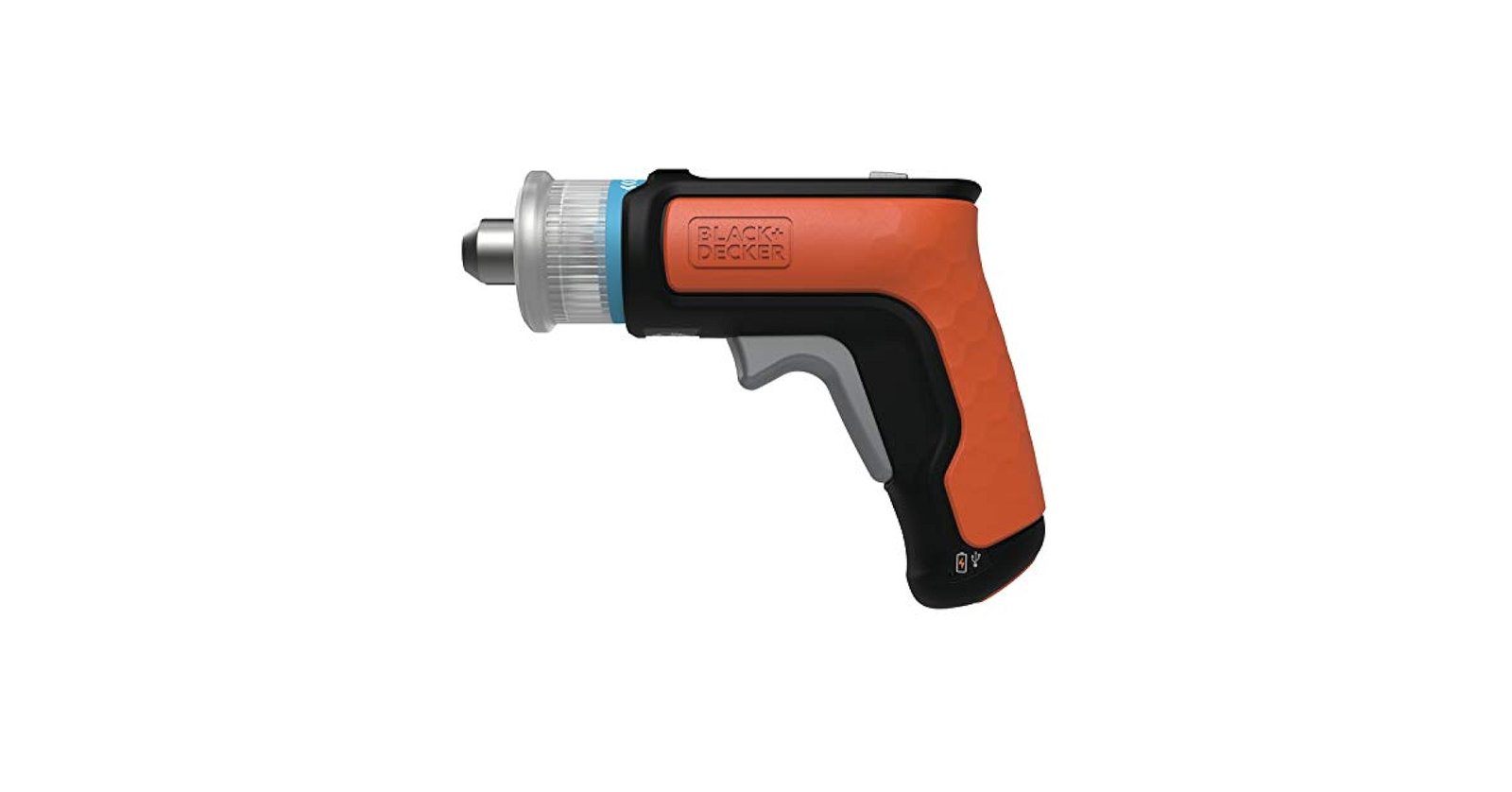
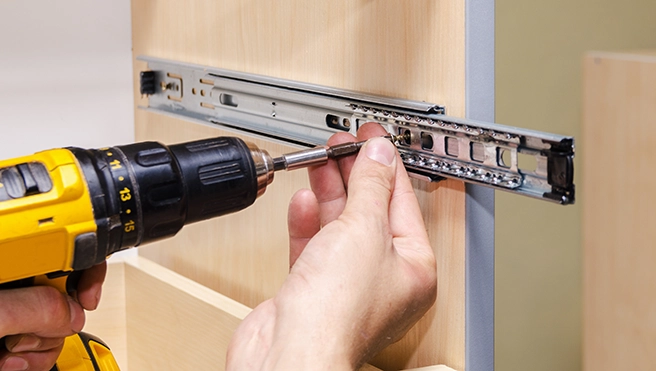
Are you ready to make furniture assembly faster and easier? Using a power screwdriver can save you time and effort, but only if you know the right tricks.
You’ll discover simple tips that help you work smarter, avoid common mistakes, and get your furniture put together perfectly. Whether you’re a beginner or just want to improve your skills, these tips will boost your confidence and make your next project a breeze.
Keep reading—you’re about to unlock the secrets to hassle-free assembly!
Credit: www.mrhandyman.com
Choosing The Right Power Screwdriver
Using the right power screwdriver makes furniture assembly easier and faster. You need to pick a tool that fits your project and skill level.
Consider the type, features, and power source before buying. This guide helps you choose the best one for your needs.
Types Of Power Screwdrivers
There are several types of power screwdrivers available. Each type suits different tasks and user preferences.
- Cordless Screwdrivers:Portable and easy to use without a power outlet.
- Corded Screwdrivers:Provide constant power but need to stay near an outlet.
- Impact Drivers:Strong torque for tough screws and heavy materials.
- Right-Angle Screwdrivers:Good for tight or awkward spaces.
Key Features To Consider
Look for features that improve comfort and control. These make your work safer and more precise.
| Feature | Why It Matters |
| Adjustable Torque | Prevents over-tightening and damage |
| LED Light | Illuminates dark work areas |
| Ergonomic Grip | Reduces hand fatigue |
| Variable Speed | Controls screw driving speed |
| Bit Storage | Keeps bits handy and organized |
Battery Vs Corded Models
Power screwdrivers come as battery-operated or corded. Each type has pros and cons for furniture assembly.
- Battery Models:Offer freedom to move and work anywhere. Good for small to medium tasks. Battery life limits long jobs.
- Corded Models:Provide constant power without recharging. Best for long or heavy work. Cord may limit movement.
Essential Preparations Before Assembly
Using a power screwdriver makes furniture assembly faster and easier. Proper preparation helps avoid mistakes and saves time.
Before you start, gather all tools and parts. Organizing everything ensures a smooth building process.
Gathering Necessary Tools
Check which tools you need before assembly. A power screwdriver is key, but other tools may help.
Having the right tools ready makes the work easier. It prevents interruptions to find missing items.
- Power screwdriver with correct bits
- Measuring tape or ruler
- Hammer or mallet
- Level to check alignment
- Safety glasses and gloves
Reading The Furniture Manual
Read the instruction manual carefully before starting. It shows the order of steps and special tips.
Understanding the manual helps avoid errors. It also tells you which screws and parts to use first.
- Identify all parts and hardware
- Follow the step-by-step guide
- Note any warnings or tips
- Check for diagrams or pictures
Organizing Screws And Parts
Sort screws and parts by type and size before assembly. This saves time looking for the right pieces.
Use small containers or trays to keep pieces separate and easy to reach during work.
- Group screws by length and head type
- Keep bolts, washers, and nuts together
- Place small parts in labeled containers
- Lay out larger parts in order of use
Proper Handling Techniques
Using a power screwdriver correctly helps you build furniture faster. It also keeps you safe and prevents damage.
Good handling skills make your work easier. They help you control the tool and avoid mistakes.
Correct Grip And Posture
Hold the power screwdriver firmly but not too tight. Use your dominant hand to keep control.
Stand or sit straight to keep balance. Keep your feet flat on the floor and your back straight.
- Grip the handle with your whole hand
- Keep your wrist straight to avoid strain
- Hold the screwdriver close to the bit for control
- Keep your body relaxed but steady
Controlling Speed And Torque
Adjust the speed based on the screw size and material. Use slow speed for tough materials.
Set the torque to avoid stripping screws or damaging wood. Lower torque works for small screws.
- Start slow to line up the screw correctly
- Increase speed after the screw grips the surface
- Use low torque for soft wood and small screws
- Use high torque for hard wood and large screws
Avoiding Common Mistakes
Don’t force the screwdriver if the screw won’t turn. Check if the bit fits the screw head.
Avoid holding the tool at an angle. This can strip the screw or break the bit.
- Use the right bit size for each screw
- Keep the screwdriver perpendicular to the surface
- Don’t push too hard on the tool
- Stop if the screw feels stuck and try again gently
Efficient Assembly Strategies
Using a power screwdriver can speed up furniture assembly. Working smart helps keep everything steady and aligned.
These tips focus on key ways to use your tool well and get better results faster.
Starting With Pilot Holes
Drilling pilot holes before driving screws reduces wood splitting. It also makes screwing easier and more precise.
- Choose a drill bit slightly smaller than the screw.
- Mark the hole locations carefully on the wood.
- Drill straight holes to guide the screws.
- Keep pilot holes shallow enough to hold the screw tightly.
Securing Screws In Sequence
Follow a set order when tightening screws. This keeps the furniture balanced and parts aligned.
| Sequence | Purpose |
| Start with corner screws | Stabilizes the frame |
| Move to screws along edges | Keeps panels flush |
| Finish with center screws | Secures the middle sections |
Using Clamps For Stability
Clamps hold pieces steady while you screw them together. This prevents slipping and keeps holes aligned.
Tips for using clamps effectively:
- Position clamps near the screw points.
- Use enough clamps to avoid movement.
- Check alignment before tightening screws.
- Release clamps only after screws hold parts firmly.
Maintenance And Care For Your Screwdriver
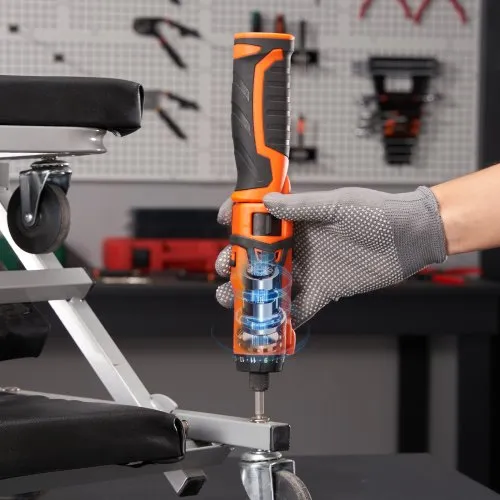
Taking care of your power screwdriver keeps it working well. Simple maintenance helps avoid problems. It also makes your tool last longer.
Below are tips on cleaning, battery care, and safe storage. Follow these to protect your screwdriver.
Cleaning After Use
After using your power screwdriver, clean it to remove dust and dirt. Use a dry cloth to wipe the outside. Avoid using water or harsh chemicals.
Check the bit holder and remove any wood chips or debris. This keeps the tool working smoothly.
Battery Maintenance Tips
- Charge the battery fully before first use.
- Do not let the battery drain completely before charging.
- Store batteries in a cool, dry place away from direct sunlight.
- Remove the battery if you will not use the tool for a long time.
- Use only the charger made for your screwdriver model.
Storing Your Tool Safely
| Storage Tip | Reason |
|---|---|
| Keep tool in a case or toolbox | Protects from dust and damage |
| Store in a dry place | Prevents rust and corrosion |
| Place away from extreme heat or cold | Maintains battery health |
| Keep out of reach of children | Ensures safety |
Credit: www.vevor.com
Troubleshooting Common Issues
Using a power screwdriver for furniture assembly is quick and easy. Sometimes, you may face problems that slow you down. Knowing how to fix these common issues saves time and effort.
This guide covers how to handle stripped screws, fix bit slippage, and when to get professional help.
Dealing With Stripped Screws
Stripped screws have damaged heads and are hard to turn. This happens if you use the wrong bit or apply too much force. To fix this, first try using a rubber band for extra grip.
If that does not work, use a screw extractor tool. These tools help remove damaged screws safely. Always use the correct bit size to avoid stripping screws in the future.
- Use a rubber band between bit and screw head for grip
- Try a screw extractor tool for badly stripped screws
- Choose the right bit size and type before starting
Fixing Bit Slippage
Bit slippage happens when the screwdriver bit slips out of the screw head. This can damage both the screw and the bit. Tighten the chuck securely before use.
Make sure the bit is clean and fits well. Replace worn-out bits to keep good contact. Using the right speed and pressure also stops slippage.
- Securely tighten the chuck to hold the bit firm
- Use clean, undamaged bits that fit the screw head
- Apply steady pressure and avoid high speed on small screws
When To Seek Professional Help
Some problems need expert help. If screws are stuck deep or the power screwdriver stops working, call a professional. Trying to force parts can cause more damage.
If you feel unsure about fixing an issue, get advice or service from a technician. This keeps your furniture and tools safe.
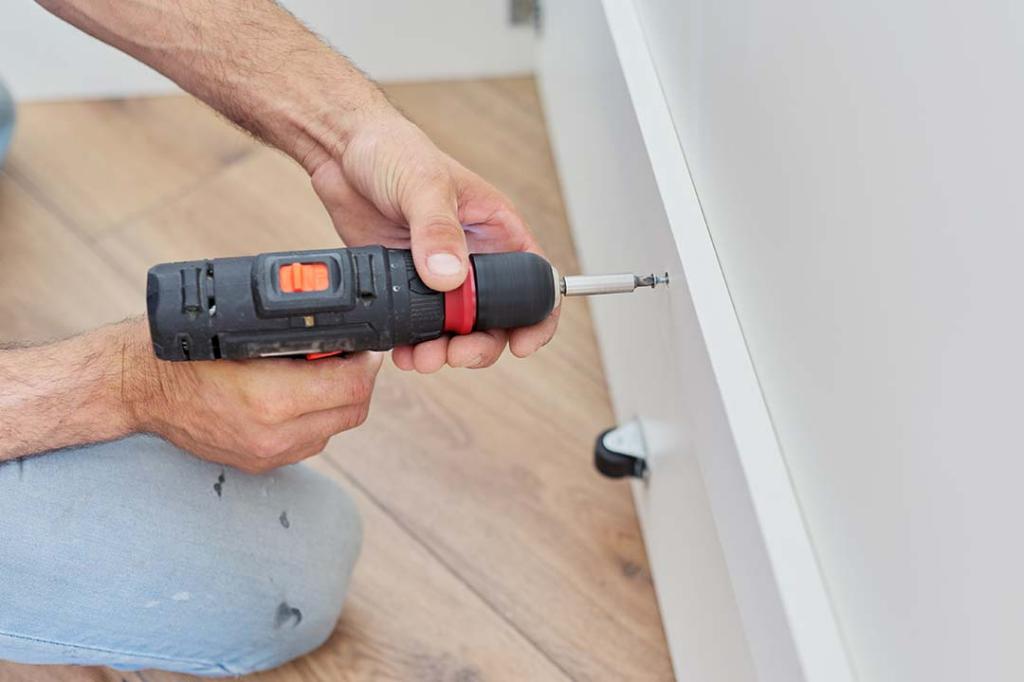
Credit: www.fongprean.com
Frequently Asked Questions
How Do I Choose The Right Power Screwdriver?
Choosing the right power screwdriver depends on your needs. Consider factors like size, weight, and torque. For furniture assembly, a lightweight model with adjustable torque settings is ideal. Ensure it has a comfortable grip and long battery life for extended use.
What Safety Tips Should I Follow?
Always wear safety glasses and gloves when using a power screwdriver. Ensure the tool is in good working condition. Keep your workspace clean to prevent accidents. Use the correct bit for each screw and avoid over-tightening to prevent damage.
Can I Use A Power Screwdriver On All Furniture?
Most furniture can be assembled with a power screwdriver. However, be cautious with delicate materials like antique wood. Adjust the torque settings to avoid damage. Always check manufacturer instructions to ensure compatibility and prevent voiding warranties.
How Do I Maintain My Power Screwdriver?
Regularly clean your power screwdriver to prevent dust buildup. Check for worn-out parts and replace them when necessary. Charge the battery fully before storage to prolong its lifespan. Store the tool in a dry place to prevent rust and corrosion.
Conclusion
Using a power screwdriver makes furniture assembly easier and faster. Always choose the right bit and set the correct speed. Hold the tool firmly and work carefully to avoid mistakes. Take breaks if you feel tired to stay focused. Follow these tips to build your furniture with confidence and safety.
Practice will help you get better each time. Enjoy your new furniture once it is done!