Are you planning to use a pry bar for your next project? Before you start, it’s important to know how to use it safely.
A pry bar is a powerful tool that can make your work easier, but if not handled correctly, it can cause injuries or damage. You’ll discover simple yet effective tips to protect yourself and get the job done right. Keep reading to learn how to use your pry bar with confidence and avoid common mistakes that could cost you time and safety.
Choosing The Right Pry Bar
Using a pry bar safely starts with picking the right tool. The right pry bar helps you work better and avoid injuries.
There are many types and sizes. Knowing which one to use makes your job easier and safer.
Types Of Pry Bars
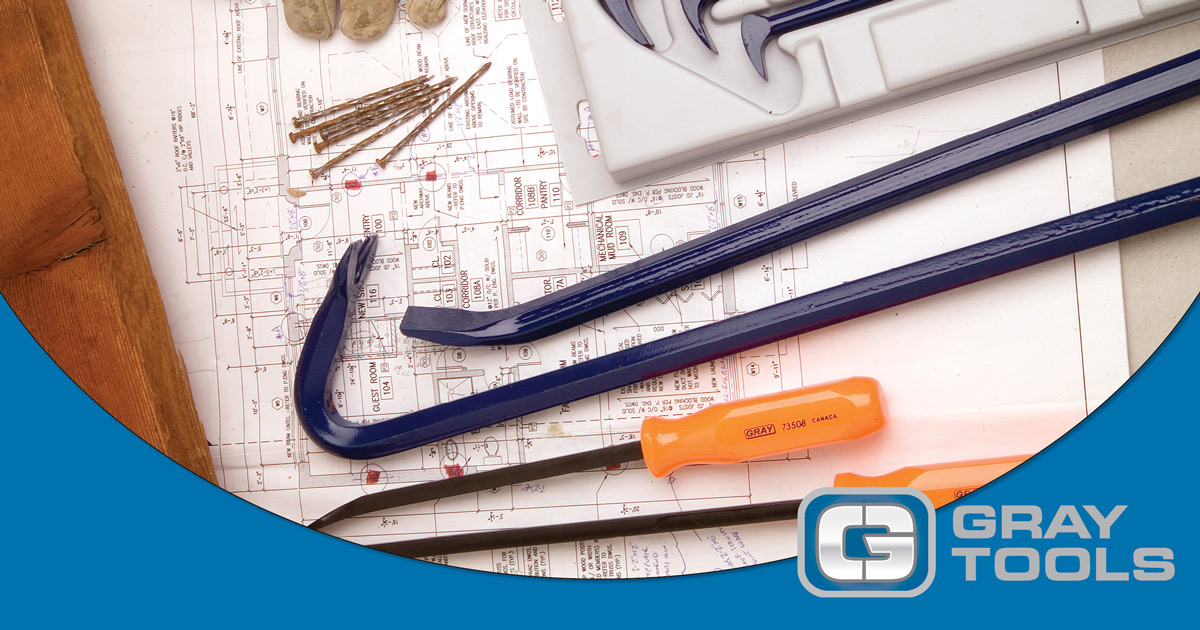
Pry bars come in different shapes and uses. Each type fits certain tasks better than others.
- Flat Pry Bars: Good for lifting and prying nails.
- Cat’s Paw: Designed to remove nails with ease.
- Gooseneck Pry Bars: Offer strong leverage and reach.
- Nail Pullers: Made to pull nails without damage.
- Wonder Bars: Versatile for many prying jobs.
Material And Size Considerations
Materials and size affect strength and control. Choose a pry bar that fits your strength and the task size.
| Material | Benefits | Considerations |
| Steel | Strong and durable | Heavier to carry |
| Alloy Steel | High strength and light weight | More expensive |
| Carbon Steel | Good balance of strength and weight | Can rust if not cared for |
- Smaller pry bars give better control for light jobs.
- Larger pry bars offer more leverage for heavy work.
- Pick a size that you can handle safely and comfortably.
Preparing For Safe Use
Using a pry bar safely starts before you lift or pry anything. Good preparation helps prevent accidents and injuries.
Check your tool and work area carefully. This makes sure you have control and avoid dangers.
Inspecting The Pry Bar
Look over the pry bar for cracks or bends. A damaged tool can break and cause harm.
Check the handle for splinters or loose parts. A good grip keeps your hands safe and steady.
- Make sure the metal is free of rust and wear
- Look for chips or cracks on the edges
- Ensure the handle is solid and smooth
- Test the bar to see if it bends too easily
Setting Up A Secure Workspace
Clear your workspace of clutter and obstacles. This lowers the risk of tripping or losing balance.
Use good lighting and stable surfaces. A firm area helps you work with the pry bar safely.
- Remove loose items from the floor and workbench
- Check that the surface does not wobble or tilt
- Keep others at a safe distance while working
- Wear gloves and safety glasses for protection
Proper Handling Techniques
Using a pry bar safely starts with how you handle it. Good handling reduces risk of injury.
Learn the right grip and how to apply force carefully. These tips help you work smart and safe.
Correct Grip And Positioning
Hold the pry bar firmly but not too tight. Keep your hands away from the edges to avoid slips.
- Place your dominant hand near the middle of the handle.
- Use your other hand closer to the end for control.
- Keep your wrists straight to avoid strain.
- Stand with feet shoulder-width apart for balance.
- Face the work directly to keep control over the tool.
Applying Controlled Force
Apply force slowly and steadily. Avoid sudden jerks that can cause loss of control.
| Force Level | When to Use | Tip |
| Light | Starting to loosen materials | Use steady pressure, not speed |
| Medium | Removing loosened nails or boards | Maintain balance and grip |
| Strong | Breaking apart tight or stuck pieces | Ensure firm stance and clear path |

Credit: www.reddit.com
Protective Gear Essentials
Using a pry bar can be risky without the right gear. Protect yourself to avoid injuries.
Wearing the proper protective gear helps keep your hands, eyes, and feet safe.
Hand And Eye Protection
Wear gloves to protect your hands from cuts and blisters. Choose gloves with a good grip.
Safety glasses keep dust and debris out of your eyes. Always wear them while prying.
- Use durable gloves made for heavy work
- Wear impact-resistant safety glasses
- Replace damaged gloves and glasses promptly
Footwear Recommendations
Wear strong, closed-toe shoes to protect your feet. Steel-toe boots offer extra safety.
Good shoes help prevent slips and injuries from falling objects. Check soles for good traction.
- Choose shoes with steel toes for heavy jobs
- Pick boots with slip-resistant soles
- Make sure shoes fit well and feel comfortable
Avoiding Common Hazards
Using a pry bar can be dangerous if you do not follow safety rules. Many accidents happen because people ignore simple steps. You can avoid injuries by knowing common hazards and how to prevent them.
Keep safety in mind every time you use a pry bar. This tool needs careful handling to avoid slips, falls, and other risks. Read on to learn how to stay safe while working.
Preventing Slips And Falls
Slips and falls are common when using a pry bar. Wet or uneven floors can cause you to lose balance. Always check the ground before you start work.
Wear shoes with good grip to help keep your feet steady. Keep your work area clean and dry. Avoid standing on unstable surfaces while using the tool.
- Inspect the floor for spills or debris
- Wear slip-resistant footwear
- Work on stable, flat surfaces
- Keep your body balanced and steady
Dealing With Stuck Or Jammed Objects
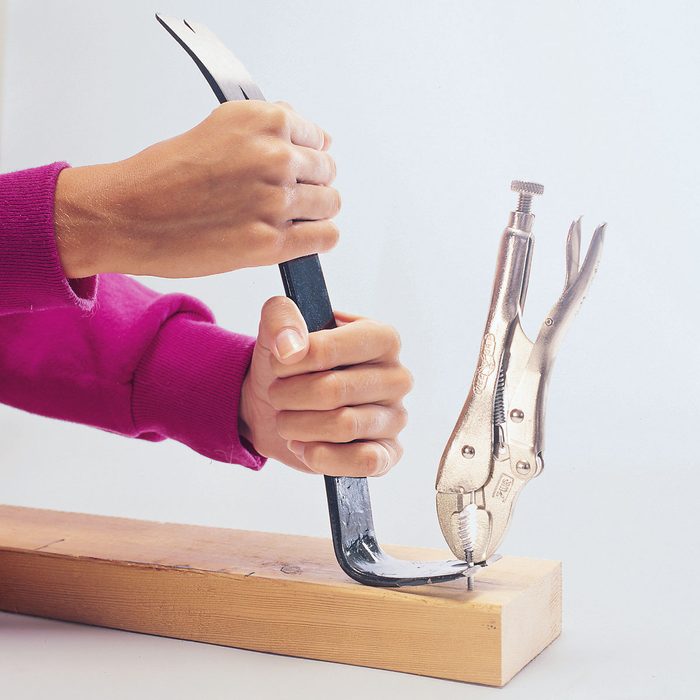
Sometimes objects get stuck and are hard to move with a pry bar. Do not use too much force at once. This can cause the bar to slip or break, leading to injury.
Try to loosen the object bit by bit. Use steady pressure and change angles if needed. If the object does not move, stop and find a safer way to remove it.
- Apply steady, controlled force
- Shift the pry bar position carefully
- Do not twist the bar too hard
- Use other tools if needed to help
- Stop if the bar feels unsafe to use
Credit: www.familyhandyman.com
Maintenance And Storage Tips
Taking care of your pry bar helps it last longer and work better. Good maintenance keeps it safe to use every time.
Proper storage stops damage and keeps the tool ready for your next job. Follow simple steps to maintain your pry bar.
Cleaning After Use
Clean your pry bar after each use to remove dirt and debris. This prevents rust and damage on the metal surface.
Use a wire brush or cloth to wipe off mud, paint, or other materials. Dry the tool well to stop moisture from causing rust.
- Remove all dirt and dust
- Wipe with a dry cloth
- Use a wire brush for stuck debris
- Apply light oil to metal parts to prevent rust
Proper Storage Practices
Store your pry bar in a dry place to keep it safe. Avoid damp areas where rust can form quickly.
Keep the tool in a toolbox or on a rack where it will not get bent or damaged. Organize your tools to find them easily.
- Choose a dry, clean storage spot
- Hang on a wall rack or place in a toolbox
- Keep away from heavy items that can bend it
- Check regularly for rust or damage
Credit: www.tenaquip.com
Frequently Asked Questions
What Safety Gear Is Essential When Using A Pry Bar?
Always wear safety goggles and gloves to protect your eyes and hands. Use steel-toed boots for foot safety. These reduce injury risks from slips or flying debris while using a pry bar.
How Do I Choose The Right Pry Bar Size?
Select a pry bar size based on the task’s force and precision needs. Larger bars offer more leverage, while smaller ones provide better control. Using the right size enhances safety and efficiency.
What Is The Correct Posture For Using A Pry Bar?
Stand with feet shoulder-width apart for balance. Keep your back straight and use your legs to apply force. Proper posture prevents strain and improves control during prying tasks.
How Can I Avoid Damaging Surfaces With A Pry Bar?
Place a protective pad like wood or cloth between the pry bar and surfaces. This prevents scratches and dents. Controlled, gentle pressure reduces the chance of surface damage.
Conclusion
Safety with a pry bar is crucial. Always wear protective gear. Check the tool for damage before use. Keep a firm grip to prevent slips. Use the right size pry bar for the job. Avoid excessive force to prevent accidents.
Ensure a stable stance to maintain balance. Remember, a safe workspace keeps you secure. Practice these tips regularly for effective results. Use these guidelines to handle your pry bar confidently. Stay safe and work smart.